
Siamese Card Mahjong Rule Explained
Last updated: Nov 23, 2026
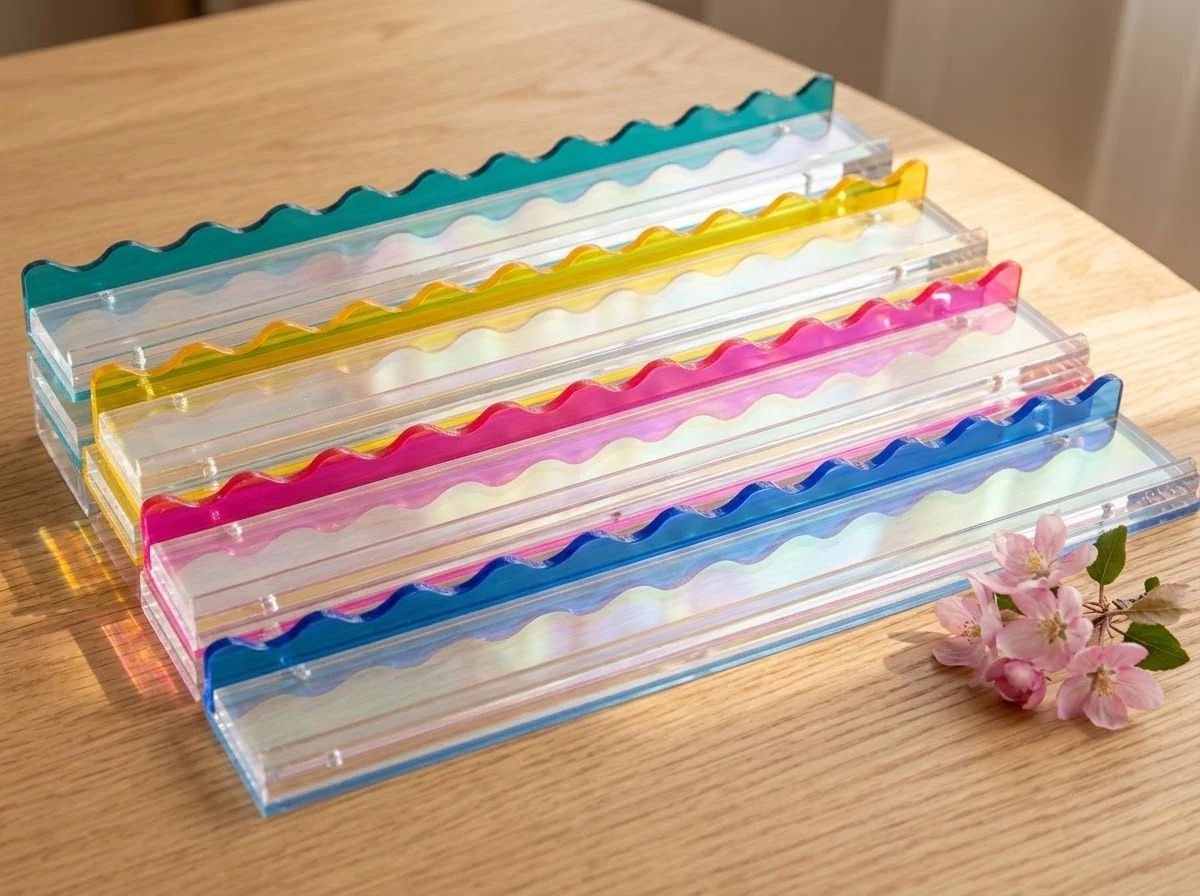
Siamese card mahjong is a colloquial house rule (not an official variant) that some American mahjong groups use to restrict or clarify hand-calling logic, typically around sequences, joker substitution, or tile-claiming rules. The term itself is informal and varies by table—some use it to mean "no jokers in certain positions," others to describe stricter hand validation. It's never governed by the National Mah Jongg League card and appears in regional or friendly play. Before sitting down, ask your host or group what "Siamese" means at their table; miscommunication here causes disputes. We recommend hosting with one of our best-selling mahjong sets and printing a house-rules card so everyone plays by the same standard from the Charleston onward. 🀄 Shop best-selling mahjong sets →
Siamese card mahjong is not a separate variant—it's a house rule some American players adopt to tighten or modify hand-calling rules, typically around sequences, joker substitution, or tile-claiming rules. The term itself is informal and varies by table—some use it to mean "no jokers in certain positions," others to describe stricter hand validation. It's never governed by the National Mah Jongg League card and appears in regional or friendly play. Before sitting down, ask your host or group what "Siamese" means at their table; miscommunication here causes disputes.
Why Don't the Official Rules Define It?
The National Mah Jongg League card (issued every spring for American mahjong) contains no mention of "Siamese" rules because American mahjong has a single, unified ruleset. Any term like "Siamese," "Thai," or other geographic nicknames for a house modification is a local invention and not binding across games. The league's standard rules cover hand formation, pung/kong exposure, joker use, and scoring—there is no "Siamese version" in official play. If someone invokes it, they're describing a local preference, not an established game mode. Always confirm what the phrase means at your specific table before the Charleston begins.

What Do "Siamese Rules" Usually Mean?
Players who mention Siamese rules typically refer to one of three modifications: stricter joker placement (no jokers as the last tile of a hand or in pair position), mandatory hand verification before calling "mahjong," or a blanket "no wild substitution" clause in certain hand patterns. Some groups use it as shorthand for "house rules apply here—ask first." The most common interpretation we hear at our weekly games is a rule that jokers cannot occupy certain structural roles (e.g., they may not be used to complete a pair, or they must be declared when played). None of these is universal, which is why the term creates confusion more often than clarity.
How It Differs From Standard American Mahjong
Standard American mahjong (per the National Mah Jongg League) allows jokers to substitute for any tile in exposed melds (pungs, kongs, quints, sextet) except in a pair or as a single tile. Jokers can appear in multiple copies within one hand and are tracked separately from the regular tile count. In contrast, a "Siamese" table might impose further restrictions: some groups disallow jokers altogether in the pair, while others limit the number of jokers per hand or require that any joker substitution be "called" (announced aloud and noted). The foundational rules of tile draw, meld exposure, and the basic hand structure remain unchanged; only the joker logic or verification process shifts. This is why it's not a variant like Chinese or Riichi mahjong—it's a ruleset patch applied to American play.
How to Ask About House Rules Before Play
The clearest step is to ask the host or dealer directly: "Do you play any house rules?" and listen for specific answers. If they mention Siamese, Hong Kong, or any geographic nickname, ask them to explain it in one sentence. Common clarifying questions include: "Can jokers go in the pair?" "Must I announce my hand before claiming mahjong?" "Are there limits on jokers per hand?" Write down their answers on a notepad or have them text you a summary so there's no dispute mid-game. If you're hosting your own weekly games, define your rules before the Charleston and, if you use a printed mat or rack, consider adding a small house-rules card near the game board. We recommend setting up with one of our engraved American mahjong sets—having your table's name or logo on the tiles and mat reinforces a clear, intentional game standard.
🎁 See our most-loved mahjong sets & accessories →

Common Mistakes When Playing Under Siamese Rules
The biggest error is assuming "Siamese" has a fixed meaning. Two players from different cities may interpret it completely differently, leading to conflict when one calls a hand the other thinks is invalid. A second mistake is not confirming house rules in writing before money is on the table; verbal agreement fades under pressure. We've also seen players forget joker restrictions mid-hand and expose a tile incorrectly—once it's exposed, it's often too late to correct. A third mistake is mixing rule sets: if you're visiting a new group, don't assume your home table's Siamese rules apply. The safest approach is to ask upfront, stay silent until you're certain of the local standard, and watch one full hand before joining in. If you're the host, print a one-page house-rules sheet and place it under the mahjong mat so it's visible to all players during setup.
Situation | Standard American Rule | Common "Siamese" Modification | Why the Confusion |
Joker in pair | Not allowed | Not allowed (same) | No actual difference |
Joker as single tile | Not allowed | Not allowed (same) | No actual difference |
Joker in exposed pung | Allowed | Allowed or restricted | Varies by table |
Joker count per hand | No limit | Limit of 2–3 (sometimes) | Regional preference |
Hand validation before call | Not required | Required (announced) | Tighter play |
When rules are enforced | Dealer verifies | Dealer or all players verify | Accountability shift |
How to Teach New Players Without Confusion
When introducing newcomers to your table, explain the National Mah Jongg League rules first (standard American mahjong, how to play American mahjong), then separately describe your house modifications. Use concrete examples: "Here, we allow jokers in exposed pungs, but we limit each hand to two jokers—see how I've exposed my pung here with one joker?" Avoid terms like "Siamese" unless the newcomer brings it up; they're jargon that obscures meaning. Instead, say: "We play with three house rules: (1) jokers don't go in pairs, (2) you announce your hand aloud before calling mahjong, (3) we verify that your hand matches the card before you score." This clarity prevents mistakes and builds trust. If your group is serious about avoiding disputes, post your house rules on a document or laminate a card that travels with your mahjong set.
✨ Find your Mahstead set — free US shipping →
What to Check Before You Buy or Host a Game
Before hosting or joining a game with Siamese rules in play:
Ask the host to define the rule in simple, one-sentence English. Write it down.
Confirm whether joker limits apply and, if so, how they're counted (per hand, per player, or per meld).
Check whether hand verification is mandatory and who performs it (dealer only, all players, or an observer).
Verify the rule applies to all hands or only certain hand types (e.g., only to hands with jokers, or only to hands on the card).
If hosting, decide whether to use house rules at all and, if so, communicate them via email or a printed card at least one week before the game.
FAQ
Is Siamese card mahjong an official variant?
No. Siamese rules are informal house modifications used by some American players. The National Mah Jongg League recognizes only one standard American ruleset; any "Siamese" term is a local invention. Always confirm what your specific table means before play begins.
Can I use Siamese rules with any American mahjong set?
Yes. House rules don't change the physical tiles or their count; you use the same 160-tile set (152 playing tiles). The modification is only in how jokers are substituted, announced, or verified—not in the equipment.
What's the most common Siamese rule modification?
Many groups use it to mean stricter joker substitution: no jokers in the pair, a limit of two jokers per hand, or mandatory announcement of each joker when played. However, there's no universal definition, so always ask.
Do professional American mahjong leagues use Siamese rules?
No. The National Mah Jongg League plays by one unified ruleset with no "Siamese" variant. Siamese rules appear only in casual, friendly, or regional games—never in tournament play.
How do I avoid arguments about Siamese rules at my table?
Define your house rules in writing before the game, share them with all players at least one week early, and confirm verbally before the Charleston begins. If visiting another player's table, ask upfront and ask for clarification if you're unsure.
Can Siamese rules apply to different hand types differently?
Theoretically yes, but it creates confusion. Best practice is to apply the same rule uniformly to all hands. If a rule applies only to certain hands, state it explicitly in your house-rules document.


View More
View More
View More
