
Shanghai Mahjong for Beginners: Rules, Hands & How to Start
Last updated: Nov 23, 2026
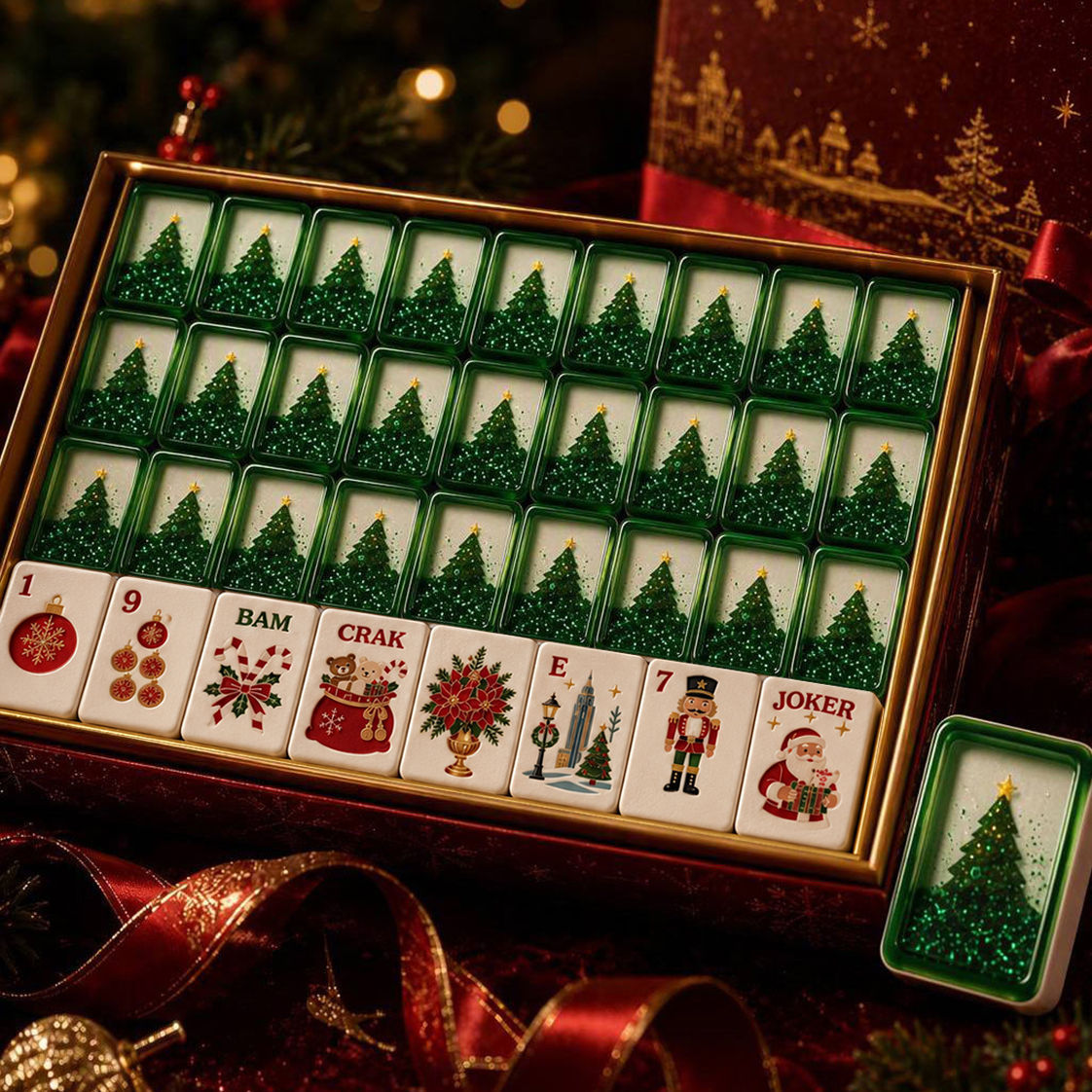
Shanghai mahjong uses a 144-tile set (three suits numbered 1–9, four winds, three dragons, and bonus tiles) and plays with four players, one discard pile, and no jokers. A hand requires 14 tiles: 13 exposed plus 1 drawn. Unlike American mahjong—which demands hands from a seasonal card and allows exposed sequences (chows)—Shanghai uses fixed, universally recognized hand patterns (Pung, Kong, Quint, and Pair). A game round takes 15–30 minutes. Winning requires a complete hand: usually Pung/Kong combinations plus a pair, though some variants allow all Pungs or special patterns. Shanghai is perfect for beginners because hands are simpler and faster to understand than American mahjong's card-based system. Most casual players learn the core winning hands in one session. If you're new to mahjong, Shanghai offers low entry friction and immediate strategy depth.
Shanghai mahjong is a fast-paced Chinese variant with simpler hand patterns than American mahjong. We'll walk you through the core rules, common hands, and how to transition from other variants.
What makes Shanghai different from American mahjong?
Shanghai mahjong uses 144 tiles (no jokers or blanks), while American mahjong uses 152 active tiles plus 8 jokers. Shanghai allows chows (sequences like 1-2-3 of the same suit) as exposed melds; American forbids them. Shanghai hands are fixed and universal—everyone at the table recognizes them instantly—whereas American mahjong hands come from the current year's National Mah Jongg League card. Shanghai games are shorter (one round = 15–30 minutes) and play faster because there's no tile-passing ritual like the Charleston explained. If you want faster, simpler games, Shanghai is the natural choice.

How do I win a Shanghai hand?
A winning Shanghai hand has 14 tiles: four melds of three or four tiles each, plus a pair (two identical tiles). Melds are Pungs (three identical), Kongs (four identical), Chows (three consecutive tiles of the same suit like 3–4–5 Craks), or Quints (five identical). The pair must be two matching tiles. You win by drawing or claiming a discard that completes your hand. One key difference from American mahjong: you can use sequences (chows), and they appear in every winning hand. Most beginner hands use two or three Pungs, one Chow, and a Pair. A common first win: two Pung (three Craks + three Dots), one Chow (1–2–3 Bams), one Pung (three Winds), and a Pair (two Dragons).
What tiles make up a Shanghai set?
Shanghai uses 144 tiles: 36 Craks (1–9, four of each), 36 Bams (1–9, four of each), 36 Dots (1–9, four of each), 16 winds (East, South, West, North—four of each), 12 dragons (Red, Green, White—four of each), and 8 bonus tiles (typically Flowers and Seasons). All tiles are identical in style within their rank. No jokers. No blanks. The set is smaller and simpler than an American set, so games are less cluttered and draw faster. If you already own an American mahjong set, you can play simplified American rules, but to truly experience Shanghai, you need a dedicated 144-tile set. Many online communities and casual players mix American and Chinese tiles interchangeably for casual play, but serious Shanghai games use traditional Chinese tile designs.
🀄 Shop best-selling mahjong sets →
What's the winning hand you should memorize first?
The most common first winning hand is Pung Pung Chow Pair (three sets of Pungs, one Chow, and a Pair). Example: three 5 Craks + three 8 Dots + three East Winds + 1–2–3 Bams + two Red Dragons. You score by counting open melds (1 point each) and bonuses for your hand type. Most first wins are unadorned (no bonus), worth 1 point. A faster way to learn: memorize three patterns: (1) All Pungs + Pair = stable, defensive play; (2) Mixed Chow + Pung + Pair = standard, fastest; (3) All Chows + Pair = aggressive, riskier. Practice dealing 14 tiles randomly, then spend 2 minutes spotting a winning hand. After five rounds, you'll see patterns instantly. The most common beginner mistake is holding too many nearly-formed melds. Instead, commit to one hand shape early and stay focused.
How do I practice Shanghai before playing with others?
Start with solo study: lay out 14 tiles at random, then spot melds and pairs in 2–3 minutes. Repeat five times. Next, play single-player "hand completion" drills: pick nine tiles from a suit and arrange them into Chows and Pungs. Then graduate to two-player simplified rounds (same rules, shorter games). Play three four-player mock rounds with a friend or family member using a standard 144-tile set before joining a regular table. Most community centers, libraries, and cultural organizations in major cities host weekly Shanghai games; search community boards or ask local Asian cultural centers for beginner sessions. Many players combine American and Shanghai in casual home games—choose your variant upfront to avoid confusion mid-game. A key beginner win: play three mock games, write down the three hands you won, and bring that list to your first real game for quick reference.

What's the fastest way to score a Shanghai hand?
Scoring is simple: count the melds you declare as open (1 point each), add any bonuses, and multiply by the base value. Most beginner hands score 1–2 points. To win faster, prioritize drawing from the discard pile rather than waiting for the dead wall draw—this keeps you in control and lets you win when others are still building. Another speed tactic: declare Pung and Kong melds openly as soon as possible so opponents see your progress and may discard tiles that help you. A comparison of winning strategies:
Strategy | Speed | Difficulty | Best for |
All Pungs | Slow | Low | Defensive, learning |
Mixed Chow/Pung | Fast | Medium | Most players, confidence |
All Chows | Very fast | High | Aggressive, experienced |
Kong + Pair wait | Medium | Medium | Single-suit focus |
🎁 See our most-loved mahjong sets & accessories →
What common mistakes do Shanghai beginners make?
The biggest mistake: holding too many "nearly complete" melds and never committing to a winning hand. Fix this by choosing one meld to focus on by turn three, and discard tiles that don't fit. Second mistake: declaring every meld openly. Hold some melds concealed so opponents can't read your hand. Third: not tracking discards. Memorize the last three to five tiles thrown so you know what's unlikely to appear. Fourth: playing too defensively. Early rounds are for building confidence; take calculated risks by claiming discards to complete Chows. Fifth: confusing tile rankings—especially the 1 Bam (often shows a bird) and the White Dragon (sometimes marked as 0). Spend two minutes before your first game confirming how your tile set marks these pieces. Most mistakes resolve after three games when muscle memory kicks in.
How quickly can I move from Shanghai to American mahjong?
If you learn Shanghai first, moving to American is straightforward. The core difference: American adds jokers (wildcards) and requires hands from the seasonal card. Shanghai's Pungs, Kongs, and Chows exist in American play too, but American also allows Quints (five) and Sextets (six), and you can never use Chows in American melds. The tile set is larger (152 active tiles) and includes eight Flower tiles and complex hand patterns. If you've mastered Shanghai's "spot the meld" skill, you'll transfer that pattern-matching instinct to American mahjong quickly—most players transition in 2–3 games. Many families play both variants in one evening, switching after dinner. The real challenge isn't Shanghai to American; it's remembering which hands are allowed in which variant. Write a cheat sheet for yourself: Shanghai = Chows allowed; American = no Chows, use card, add jokers.
What you'll need to start: a 144-tile Shanghai set or a shared set with friends, a flat playing surface, and one hour for learning the winning hands. Many beginners combine their American mahjong set with makeshift Chinese tiles from online retailers—this works for casual play but lacks the speed and fluidity of a proper Shanghai set. If you enjoy Shanghai enough to play weekly, investing in a dedicated set is worth the cost for reliability and durability.
✨ Find your Mahstead set — free US shipping →
What to check before you buy a Shanghai set
Tile count: Verify 144 tiles (not 152 or 166). Tile markings: Confirm the 1 Bam shows a bird and the White Dragon is clearly marked—avoid sets where these are ambiguous. Bonus tiles: Check that Flowers and Seasons are included (eight total). Material: Bamboo-core or acrylic tiles are standard; avoid plastic-only sets that warp. Case: Confirm the set includes a storage case or bag; loose tiles scatter. Jokers/blanks: A true Shanghai set has zero jokers and zero blanks—if the seller advertises extra tiles, those are spares for an American-style set, not Shanghai. Ask the seller directly: "Is this a 144-tile Shanghai set with no jokers?" before purchase. Most reputable sellers answer within 24 hours.

FAQ
Can I play Shanghai with an American mahjong set?
Yes, but it's awkward. American sets have 152 active tiles plus 8 jokers—too many for Shanghai. Remove all jokers and eight random tiles, then play. You'll have unused White Dragons and Flowers. Most players use a dedicated 144-tile Shanghai set to avoid confusion and ensure balanced play.
How long does one Shanghai game take?
One round (eight hands, one per player) takes 45–75 minutes for beginners; 30–45 for experienced players. Each hand lasts 10–15 minutes. Faster than a typical American mahjong session because there's no tile-passing ritual and hands are simpler.
Do I need to learn Chinese to play Shanghai?
No. Tiles use universal symbols (numbers, suit marks, wind symbols). If your set has Chinese characters, you don't need to read them—the symbols are enough. Most modern Shanghai sets sold to English-speaking players include English labels on the case.
What's the difference between Shanghai and Cantonese mahjong?
Shanghai favors simpler, all-Pung hands. Cantonese (also called Hong Kong style) allows more complex patterns and scoring multipliers. Shanghai is faster and easier for beginners; Cantonese is deeper and more mathematical. Start with Shanghai, then explore Cantonese after 10 games.
Can I switch from Shanghai to American mid-game or mid-evening?
Yes, but announce the switch clearly before the first hand. Rules conflict (Chows, the card, jokers) cause confusion if you mix variants. Most casual home players play one variant per session to stay focused. Pick Shanghai or American, play three rounds, then switch if you want variety.
How many jokers does a Shanghai set contain?
Zero. Shanghai sets have exactly 144 tiles with no jokers or blanks. If a seller advertises "144-tile Shanghai set with spare jokers," those are extra tiles for American-style play, not part of the official Shanghai game. Do not add them to Shanghai play.


View More
View More
View More
