
Table Rules in Mahjong: Hand Types & Play Explained
Last updated: Nov 23, 2026
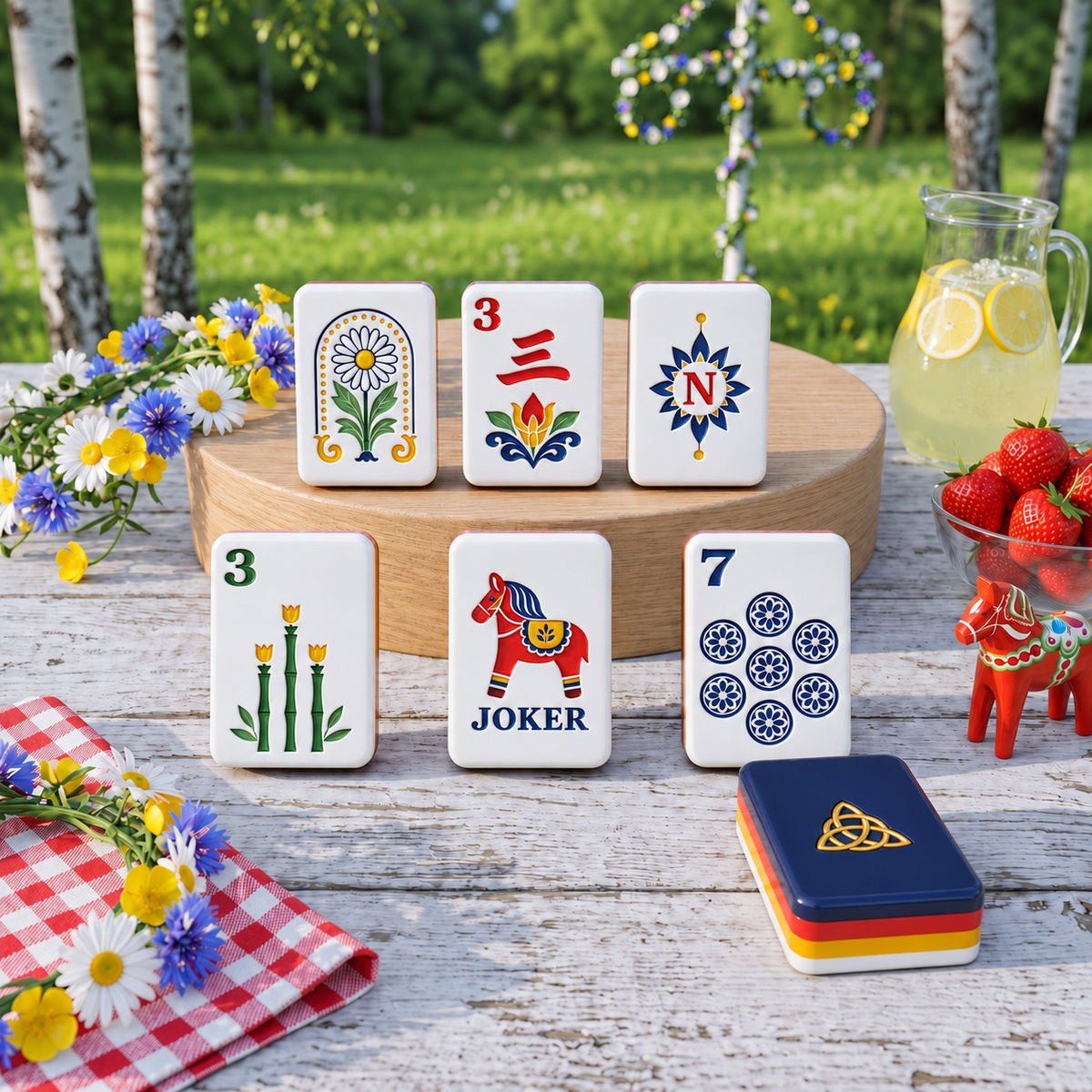
American mahjong table rules define which tile combinations win, how players call and claim discards, where jokers slot into hands, and the mechanics of exposure, drawing, and passing. The core rule: your hand must match exactly one pattern from the current year's National Mah Jongg League card (no sequences or "chows"—only identical-tile groups called pungs, kongs, quints, and sextets). Jokers substitute for any tile except a single tile or a pair; you must use precisely 14 tiles to go "Mahjong." A 152-tile American set contains four copies of each number tile (1–9 in three suits), sixteen winds, twelve dragons, eight flowers, and eight jokers—never add extra jokers during play. Drawing, discarding, and claiming are tightly sequenced; the first player to complete a legal hand and announce "Mahjong" wins the round. Mahstead sets include clear tile counts so you never accidentally swap in spares mid-game.
What counts as a legal American mahjong hand?
A legal hand uses exactly 14 tiles and matches one complete pattern on the current-year National Mah Jongg League card. Each pattern specifies tile combinations—never sequences like 1-2-3. You build hands only from identical tiles: a pung (three of the same tile), a kong (four of the same), a quint (five identical), or a sextet (six identical). The card shows which combinations of these group types, plus a pair, win that year. No hand is "universal"—you must reference the card every hand. Breaking this rule means the hand is null and play continues.

How do jokers fit into table rules?
Jokers are wild substitutes that represent any tile except a single unpaired tile or a pair by itself. For example, if your hand needs a second 3 Dot to complete a pair, you cannot use a joker—the pair must be two real 3 Dots. Within a pung, kong, quint, or sextet, however, a joker can stand in for one of the tiles. A single hand can contain multiple jokers spread across different groups, but you cannot use all jokers in one group—at least one real tile must be present. This rule keeps hands balanced and prevents joker-only fakes.
What is the difference between exposure and calling?
Exposure means you reveal a completed group (pung, kong, quint, or sextet) face-up on the table in front of you, then draw a replacement tile from the wall. Calling means you claim a discarded tile from another player to complete a group. When you call, the group is immediately exposed. If you draw a tile and it completes a group inside your hand (not yet exposed), you do not expose it—that's a concealed group, scored higher. Never expose a group early unless you plan to call the next tile; exposing locks you into that pattern. Table etiquette: call clearly ("Pung," "Kong," "Mahjong") and point to the group so all players see what you claimed.

How does the draw-and-discard sequence work?
Play cycles in order: East draws a tile, decides whether to keep it or discard, then passes play to South. If you draw a tile and it completes your hand, you announce "Mahjong" immediately and play stops—you win. If not, you must discard a tile (face-up, to the center of the table). Once you discard, the next player either claims it (calling Pung, Kong, Quint, Sextet, or Mahjong) or passes. If all players pass, the next in turn draws from the wall. If two players claim the same discard, the player closest to the discarder (in turn order) wins the claim. Breaking this sequence—drawing out of turn, discarding before drawing, claiming without announcing—is a dead hand for that player.
What mistakes end a hand at the table?
A hand ends when (1) you announce "Mahjong" but your hand does not match the card—the hand is dead, you pay all players, and the round replays; (2) you expose a group and later realize it is wrong for the hand you declared—dead hand, you pay; (3) you call or expose with the wrong tile count left (you must have exactly 14 when you announce); (4) you use a joker illegally (e.g., as a single tile or pair); or (5) you pick up a spare joker or blank tile by mistake and use it in play—immediately stop and correct it. Prevent errors: count your hand aloud before calling "Mahjong," double-check the card pattern matches your tiles, and never rush the discard. At the table, the most common gaffe is confusing which year's card is in play—always confirm the card date at the start of a session.
Mistake | What It Means | Your Penalty |
Announce "Mahjong" with wrong tiles | Hand does not match card | Dead hand; pay all three players |
Use a joker as a single or pair | Illegal joker placement | Dead hand; pay all |
Discard before drawing | Broken sequence | Dead hand; current hand replays |
Expose a group and later find it wrong | Group mismatch to declared pattern | Dead hand; pay all |
Pick up a spare tile mid-play | Spares never enter play | Correct it immediately; no penalty if caught fast |
What should you check before you buy a set?
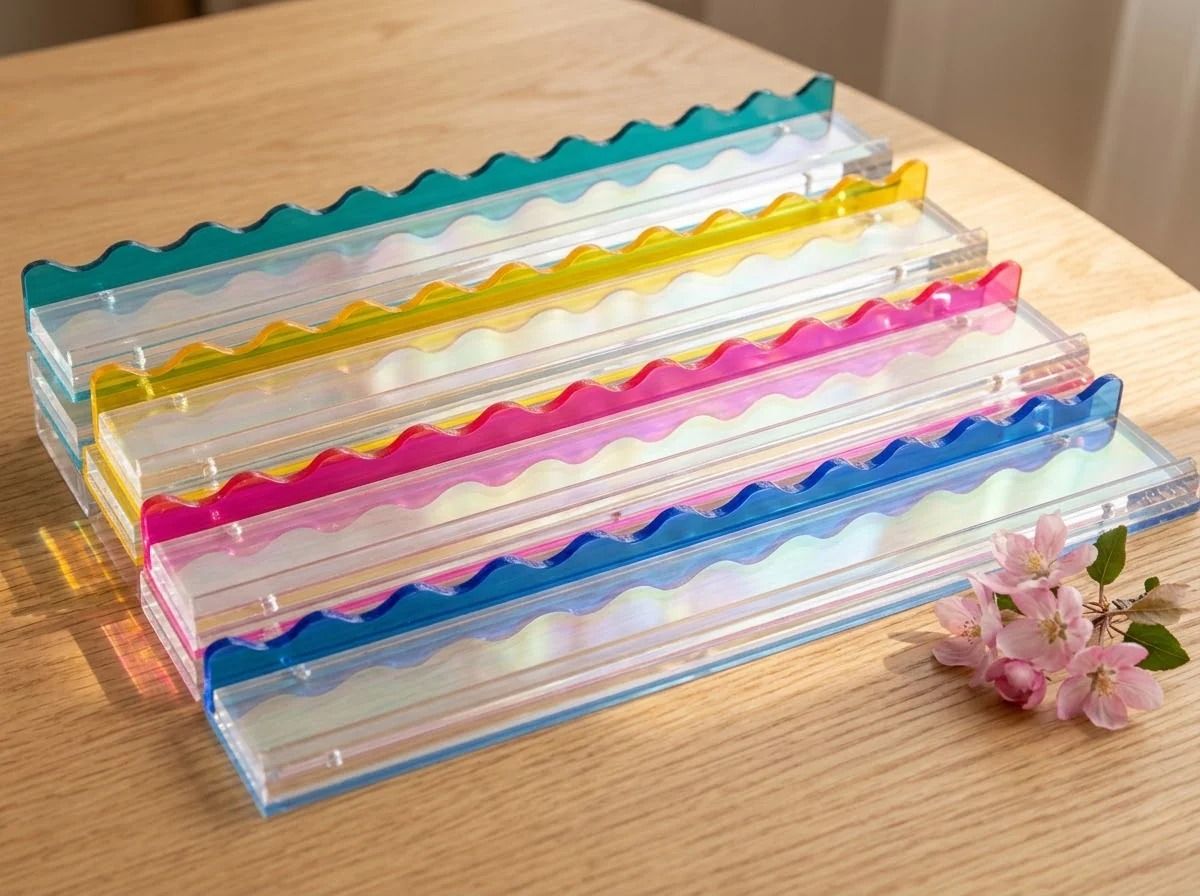
Confirm your set includes exactly 152 playing tiles plus spare jokers and blanks (never use spares in play). Acrylic tiles click clearly when called, so you and all players hear the action—critical for avoiding misclaims. Your racks should hold tiles upright at the angle you prefer; pushers let you slide tiles forward to claim without fumbling. A mat with clear discard zones (center rows) speeds up the game and prevents disputes about which tile was discarded when. A durable travel bag protects your set between games and keeps tiles organized by suit. Ensure all four copies of each number and wind tile are present; a missing tile voids the set mid-season.
🀄 Shop best-selling mahjong sets →
When you host, set up on a mat with your racks aligned so all four players sit comfortably and see the wall clearly. Place the card and a pen nearby for score notes. Sort discards in the center mat zones to keep the table readable. Mahstead best-selling mahjong sets are cut from acrylic with printed suit marks, so tiles don't fade after a hundred games. If you are building a set for a group that plays year-round, consider an engraved set with your group's name or joke—it marks ownership and adds personality to the table. A mahjong mat with push zones cuts disputes about discards by 80% because every player sees the same layout.
The most underrated rule is the rule not to add spares into play. A 160-tile set contains 152 official tiles plus spares; never shuffle spares into the wall or rack. This prevents the "extra joker problem" where someone thinks they have a legal hand but the tile count is wrong. New players often miss this because home sets sometimes come loose in a bag. Sort and count before every session; it takes two minutes and saves twenty arguments.
🎁 See our most-loved mahjong sets & accessories →
FAQ
Can I use a joker as a pair?
No. A pair must be two identical real tiles. Jokers substitute only within groups (pung, kong, quint, sextet), never as a pair or single tile.
What happens if I call the wrong tile or claim out of turn?
If you claim a tile that does not match your declared hand pattern, your hand is dead and you pay all three players. If you claim out of turn, the previous player(s) get first right to the discard; if they pass, your claim may stand depending on house rules—always agree on this before the first hand.
Do I have to discard immediately after I draw?
Yes. Draw, decide which tile to keep, discard one tile to the center zone. Once your discard is public, the next player has the first option to claim it or pass.
How many jokers should my set have?
A standard American set includes 8 jokers (all of which are used in play). A 160-tile set has 8 jokers plus spare jokers and blanks that stay in the box during play.
What if someone runs out of tiles at the wall before anyone wins?
If the wall is exhausted and no one has called "Mahjong," the hand is a dead hand (tie), and play moves to the next player in dealer rotation. Reshuffle for the next round.
Can I change my discard after I place it on the mat?
No. Once your tile is in the discard zone and the next player has drawn from the wall, your discard is locked. If you place it by mistake, call "Stop" before anyone draws; some house rules allow a take-back, others do not—agree before play begins.
Is the card the same every year?
No. The National Mah Jongg League issues a new card every spring (2026 card is current for the 2026 season). Old cards are invalid mid-season; always play with the current year's card only.


View More
View More
View More
