
Riichi Mahjong Opening Discards: Strategy & Rules
Last updated: Nov 23, 2026
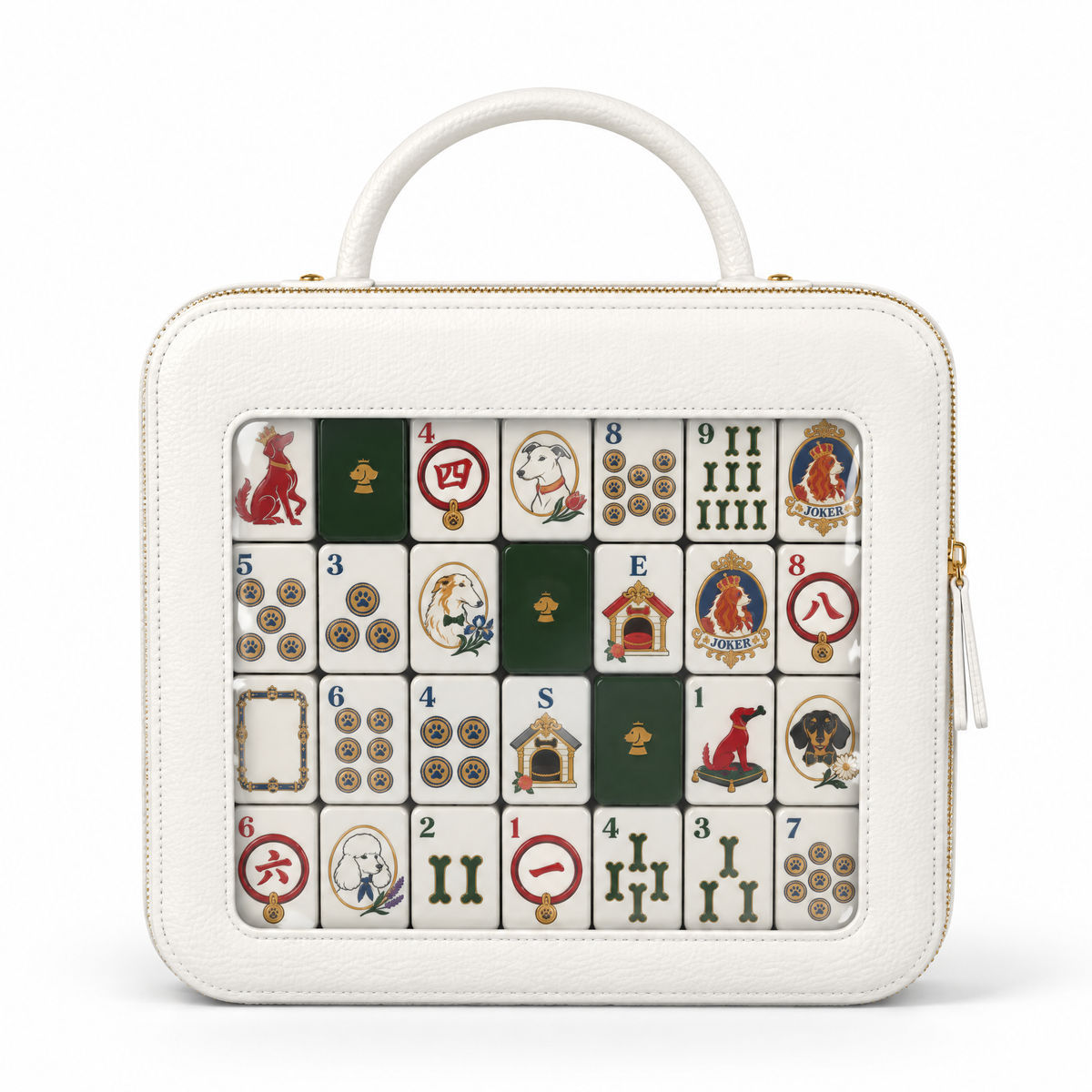
In Riichi mahjong, your opening discard—the tile you throw from your initial 13-tile hand after the draw—communicates your shape and starts the information war. Most players discard an extreme tile (honor, terminal, or a mid-suit number far from their winning waits) to conceal their strategy while developing a flexible hand. The key is balancing secrecy: avoid throwing tiles that match your pair or obvious melds, and watch which tiles your opponents discard to infer their waits and dangerous tile groups. Unlike American mahjong, Riichi uses a smaller deck (136 tiles), visible discards in a river, and real-time betting, so your first few throws matter more. Beginners often discard too predictably or hold onto tiles that trap their hand; seasoned players rotate honor discards, delay suit commitments, and track the dead-wall discard pile for clues about winning patterns.
Why does opening strategy matter in Riichi mahjong?
Your opening discard shapes the entire tempo of the hand. In Riichi, the first four or five discards—before anyone declares Riichi—are when you build shape and gather information. If you discard carelessly, you either telegraph your wait to observant opponents or lock yourself into a single winning pattern too early. A strong opening establishes board flexibility and keeps you safe from early knockouts.

What should you discard first—honor, terminal, or honor pair?
Most winning players discard an honor (Wind or Dragon) or a terminal (1 or 9) in opening position. This approach minimizes your vulnerability: honors are the hardest tiles to use unless you're chasing a Dragon or Wind pung, and terminals work only in melds anchored by 1–2 or 8–9 sequences. The real rule: never discard your pair or your clear meld sequence on the first turn. If you hold Bamboo 3–4–5 and a pair of Dots, discard an honor or a far-suit number (like Crak 2) rather than a Bamboo or Dot. This teaches your table you're not locked in yet.
How do you read opponent discards in the first round?
Watch the river—the line of discards each player throws. Honors and terminals (1, 9) thrown early are "safe" discards. Mid-range numbers (4, 5, 6) that appear early often signal an opponent is building a middle-wait hand (2–3–4 or 6–7–8 sequences). If three players all discard Winds in the first two rounds, the Dragon market is likely tight, and holding a Dragon pair becomes risky. By turn three, if an opponent has not thrown a Crak 5, they either hold it in a meld or fear Crak 4–5–6 winning tiles—note that.
Should you adjust opening strategy based on your seat?
Yes. In East position, you act first each round, so you set the tone: many pros throw a conservative honor to avoid feeding opponents immediately. In West (fourth seat), you've seen three other discards before choosing—you can read danger signals faster and adjust. South and North have intermediate advantage. If you're East, discard an honor; if you're West, you can afford to discard a suit tile you've gauged as safer because three players already showed their opening leanings.
What's the difference between Riichi and American mahjong opening play?
American mahjong has no real "opening discard" strategy because how to play American mahjong involves the Charleston—a three-round tile exchange before play starts. Everyone reshuffles their hand three times, so opening reads are impossible. Riichi uses a 136-tile deck drawn in a fixed order, and discards are visible and permanent; your first throw is live data. American players focus on matching a fixed-pattern card (issued yearly by the League), while Riichi players infer winning shapes in real time from the river. This makes Riichi opening play a pure information game from turn one.
Comparison: When and Why to Discard Each Tile Type in Early Rounds
Tile Type | When to Discard | Why It Works | Risk |
Honor (Wind/Dragon) | Turn 1–2, any position | Hardest to use; signals flexibility | None—safe |
Terminal (1 or 9) | Turn 1–3, if not in sequence | Limits meld options for opponents | Low—terminals are common |
Mid-suit (4, 5, 6) | Turn 4+, after reading river | Opponent likely won't hold matching sequences | Medium—might be in waits |
Your pair or sequence | Never in opening | Locks your hand shape too early | Very high—reduces flexibility |
Far-suit number (2 or 8 of different suit) | Turn 2–3, if clear | Tests whether that suit is active | Low—easy to abandon |
🀄 Shop best-selling mahjong sets →

Common opening discard mistakes and how to avoid them
Throwing your pair early. New players hold four Bams but discard a Bam 2 because they think they need to "clean up"—then draw Bam 4, and now they're stuck without a real pair. Fix: hold your pair or near-pair (e.g., Bam 1–2) and discard the lone honor instead. Discarding all four honors first. If you throw Wind East, then Dragon Red, then Wind South, by turn 3 you're signaling you have no honor melds coming. Smarter players space honor discards across rounds 1–3 and rotate suits to look undecided. Matching opponent discards too obviously. If West throws Crak 5 and you immediately throw Crak 6, you're telegraphing that Crak 5–6 is not in your winning path; a sharp observer knows you're either not touching Craks or waiting on 4–5–6 as a different suit. Throw an honor next, then return to Craks one or two turns later.
When should you break your shape to block a threat?
If it's round 2 and an opponent has thrown only one Dot despite being West (who acts last), they likely hold Dots and are building a pung or sequence. If Dot 5 sits in your hand and you must choose between a safe honor or Dot 5, throw the honor—but if Dot 5 is crucial to your shape (e.g., 4–5–6), keep it and instead discard a Dot 3 to signal you're abandoning low Dots. The rule: discard from the edge of your working suit, not the center. Edge tiles (1–2 or 8–9) are replaceable; center tiles (4–5–6) are harder to rebuild.
🎁 See our most-loved mahjong sets & accessories →
How does hand temperature affect opening discard timing?
A "hot" hand (many working tiles toward a fast win) needs a tight, flexible opening. Throw only honors or far-suit terminals, preserving all suit options. A "cold" hand (few obvious melds) can afford to explore more aggressively—test a second suit by discarding a mid-range tile from it, then see if that suit feeds back. If Crak 5 returns from discard, you know Craks are either dead or your table isn't using them, and you can build elsewhere faster. This is why seasoned best-selling mahjong sets players track suit temperature: it tells them whether their opening strategy is working.
How to practice opening discard reads
Play multiple short sessions. Ten hands teaches you more than theory; you'll internalize which discards precede melds. Keep a mental (or literal) record. After each hand, ask: "Which opponent's opening discard predicted their winning shape?" Example: West threw Wind East in turn 1, Dot 1 in turn 2, then went all in on a Dragon pung—they telegraphed "no honors, pure suit." Rotate seats. East and West see different information; playing all positions teaches you why seat position matters for opening reads.
What to check before your next Riichi session
Do you know your hand temperature (hot, cold, or warm) by turn 3?
Are you spacing honor discards or dumping them all at once?
Can you name one opponent's likely winning pattern based on their first three discards?
Are you discarding from the edge of your working suits, not the center?
✨ Find your Mahstead set — free US shipping →
#

FAQ
What's the safest opening discard in Riichi?
An honor (Wind or Dragon) thrown in turn 1 is safest. Honors rarely build winning melds unless you're chasing a specific Dragon or Wind pung, so opponents won't target you for it. It also signals flexibility: you're not locked into any suit yet.
Should I discard my pair if I have no other safe tile?
No. Even if your hand feels stuck, hold your pair and throw a suit tile instead—preferably an edge tile (1, 2, 8, or 9). A pair is your foundation; discarding it leaves you with no structure and no fast recovery path.
How many turns do you have to read the discards before committing to a suit?
By turn 3 or 4, the river gives you solid data: if Craks are sparse in the discards and three opponents threw them, Craks are either dead or being hoarded in big melds. After turn 5, discards become more personal (players are chasing specific waits), so early reads matter most.
Does discard order matter if I throw the same tile type each round?
Yes. If you throw Wind East, then Wind South, then Wind West, your table knows you're flushing all Winds and aren't building an honor meld. Space similar discards two or three turns apart so you look indecisive, keeping opponents honest about inferring your plan.
Can I use opening discard strategy in American mahjong?
No, not really. American mahjong has the Charleston (three-round tile swap) before play starts, and all hands must match the fixed League card for that year—opening discards don't hint at a "discovered" shape because your winning pattern is predetermined, not developed in real time like Riichi.
What's the biggest opening discard error for someone switching from American to Riichi?
Treating Riichi like a patience game. American players study one card and wait for the perfect hand; Riichi players build hands dynamically and must throw early. American players often hold too many tiles too long; Riichi demands you commit and discard by round 2–3 to stay safe. --- For players stepping into Riichi for the first time or switching from American mahjong, having a quality set with clear tile markings makes reading your hand and the river faster—pick a best-selling mahjong set and practice with consistent, easy-to-read tiles so your focus stays on strategy, not deciphering numbers.


View More
View More
View More
