
Riichi in Riichi Mahjong Explained: Rules, Strategy & When to Call
Last updated: Nov 23, 2026
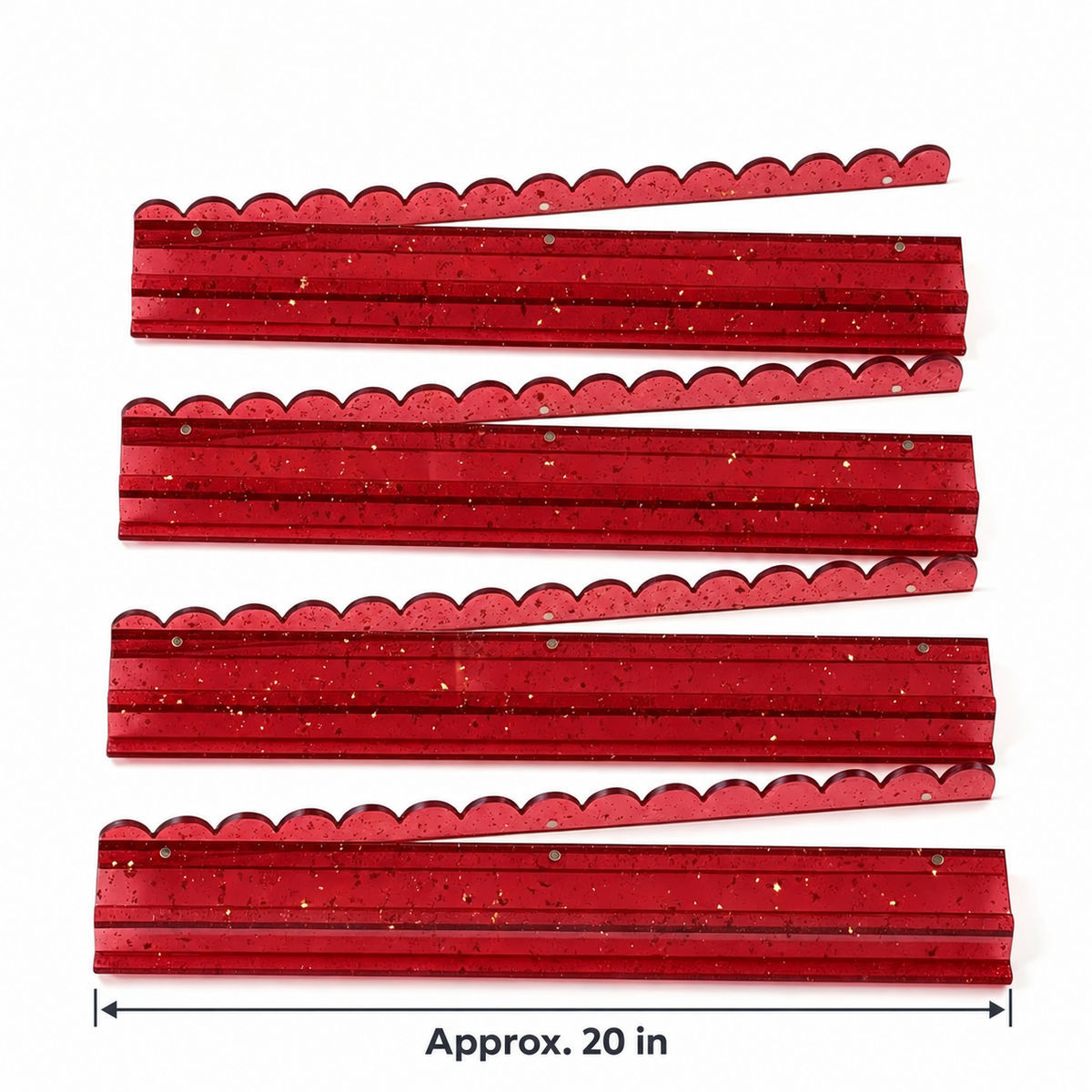
Riichi (立直) is a declaration in Japanese/riichi mahjong where a player announces their hand is one tile away from winning and cannot change their melds. The player discards facedown and earns 1,000 points immediately plus bonus points if they win. Riichi mahjong uses 136 tiles (four suits: 1–9, four each), eight winds, three dragons, and NO flowers or jokers—unlike American mahjong's 152-tile standard. Riichi hands include chows (sequences like 3-4-5 Bamboo), pungs (three identical), kongs (four identical), and eyes (pair), and the winner draws the 14th tile to complete a legal meld. Declaring riichi means your hand is fixed—you cannot add jokers, swap tiles, or change strategy—so it's a high-risk, high-reward bid on a very specific winning combination. Riichi mahjong dominates Japan and competitive international play; American mahjong never uses riichi and plays by the National Mah Jongg League card instead, making the games fundamentally different.
Riichi mahjong and American mahjong sit at opposite ends of the mahjong family tree. Both use tiles and pungs, but riichi mahjong is a fixed-hand game where you build your own winning pattern (using chows, pungs, and eyes), while American mahjong is a card-based game where hands are published each year and must match the League card exactly. Understanding riichi helps us appreciate why our weekly sets are built for a completely different rule system—and why adding riichi to an American game night would confuse everyone at the table.
What does riichi actually do?
Riichi is a commitment move: you declare that your hand needs exactly one more tile to win and that you won't change your melds or strategy. Once declared, you discard your next tile facedown (unrevealed), and you immediately score 1,000 points—regardless of whether you win. If you draw the winning tile before anyone else goes out, your win includes riichi bonus points on top of your base hand score. If someone else wins instead, you lose the 1,000-point riichi stake and your hand ends. The mechanic creates psychological pressure: other players know you're one tile away, so they may discard more carefully or accelerate their own winning attempts. Riichi is optional—you can reach a one-tile-away hand and choose not to declare, keeping your options open.

When should you declare riichi?
Declaring riichi is a risk-reward calculation. You declare when your hand is:
Truly one tile away (not counting bonus tiles like flowers, which aren't in riichi mahjong).
Waiting on a common tile you believe will come soon (e.g., waiting for a 5 Pin when many are still in the wall).
High-value enough that the 1,000-point stake and bonus points justify the risk if you lose.
Early in the round, when the wall is large and your tile is likely to appear.
Don't declare riichi if:
You're waiting on a single rare tile that few players discard (a dead wait).
Your hand score is low; the 1,000-point loss outweighs the riichi bonus.
The round is nearly finished (wall is small); your tile may never come.
You're unsure of your waits or could adjust your melds to wait on multiple tiles instead.
Experienced players weigh hand value (calculated from the meld combination), wait quality (how many tiles can win), and table state (how many rounds remain, opponent aggressiveness) before committing to riichi.
How does riichi scoring work?
Riichi mahjong scoring is complex because the base hand value depends on melds, wait type, and win method—and riichi adds layers on top. Here's the framework:
Base hand value: Calculated from melds (pungs are worth more than chows), hand shape (all terminals and honors, all one suit, all pairs, etc.), and wait type (edging a pair, pincer wait, open wait, closed wait). A typical simple hand is worth 1,000–3,000 points; a rare hand (like all honors) is worth much more.
Riichi bonus: If you win after declaring riichi, you add 1,000 bonus points to the payout from each player (not split).
Ishan riichi (one-shot riichi): If you declare riichi on your first hand and win without any prior draws, you earn double riichi (2,000-point stake and double bonus).
Riichi stick (furiten): If your riichi waits on a tile you've already discarded, or if the win tile was already discarded by you, the hand cannot win—you're blocked. This is permanent once riichi is declared.
The math means declaring riichi on a low-value hand (e.g., 1,000-point base) is often a mistake; the 1,000-point stake and 1,000-point bonus don't justify the loss if you bust. High-value hands (3,000+ base) make riichi declarations attractive because the riichi bonus multiplies the payout.
How is riichi mahjong different from American mahjong?
The differences are fundamental—riichi mahjong and American mahjong are not variant rules of the same game; they're separate games entirely.
Aspect | Riichi Mahjong | American Mahjong |
Tile count | 136 tiles (4 suits 1–9, 4 winds, 3 dragons) | 152 tiles (3 suits 1–9, 4 winds, 3 dragons, flowers, jokers) |
Hand source | Player builds own winning pattern | Must match National Mah Jongg League card (issued annually) |
Melds allowed | Chows (1-2-3, 4-5-6, etc.), pungs, kongs, eyes (pair) | No chows—only pungs, kongs, quints, sextets, pairs; jokers can substitute |
Declaration | Riichi locks hand one tile before win | No riichi; hands are called when complete |
Scoring | Base value + melds + bonuses (riichi bonus, ishan riichi, etc.); complex calculation | Point total from League card hand list; simplified payout |
Win condition | 14 tiles (13 + 1 drawn) forming legal combination | 14 tiles matching card hand exactly |
Jokers | None used | 8 jokers in standard set; used as wildcards |
Because riichi mahjong is tile-inventory based and American mahjong is card-based, switching between them mid-evening is nearly impossible. A player fluent in riichi mahjong who joins an American table for the first time will struggle with the concept of matching a card—riichi players are used to building hands, not referencing a static list.

Can you use riichi tiles in an American game?
No. Riichi mahjong sets have only 136 tiles (no flowers, no jokers), and American mahjong needs 152 playing tiles plus 8 jokers to function. You can't play American mahjong with a riichi set, and you can't play riichi mahjong with an American set—the tile mix doesn't align. If you host weekly American mahjong games and want to experiment with riichi as a separate event, you'd need to purchase a dedicated riichi set, not convert an existing American set.
Many Western players learn American mahjong first (because it's easier to find instruction and weekly groups in the US), then explore riichi mahjong later. The transition requires unlearning the card-matching mechanic and relearning hand-building logic, which typically takes a few guided rounds.
🀄 Shop best-selling mahjong sets →
Riichi strategy and common mistakes
Experienced riichi players follow heuristics to avoid riichi blunders:
Don't declare riichi on a hand that can wait on multiple tiles. Riichi locks your wait pattern. If you can adjust your melds to wait on 5–6 different tiles instead of one, you improve your odds of drawing a win tile and should delay riichi until your hand is truly locked.
Count discards and reads the wall. If a tile you're waiting for has been discarded twice already, it's dead—the fourth copy is in someone's hand or unreachable. Declaring riichi on a dead wait is a sure loss.
Riichi early rounds, not late rounds. Declaring riichi when the wall is large increases the chance your tile comes before the draw ends. In a final round (wall nearly empty), riichi is a desperation move, not a strategic choice.
Don't riichi on 1,000-point hands in final rounds. If you lose, the 1,000-point stake is a large portion of your total; the risk-reward is poor.
Watch opponents' discards. If other players are holding onto 5 Pins (for example), and you're riichi waiting for 5 Pin, they're telegraphing that the tile is not flowing to you. Adjust or accept the risk.
A common beginner mistake is declaring riichi on any winning wait without analyzing hand value. Intermediate players study hand composition and tile probability before declaring. Advanced players declare riichi strategically—sometimes early to apply psychological pressure, sometimes not at all, because the hand value is low or the wait is weak.
Why American mahjong players don't use riichi
American mahjong's rule structure makes riichi impossible. Because hands must match the League card exactly, and the card hand list changes yearly, hands are published outcomes—not player-built combinations. There's no "building a hand one tile at a time" in American play; you're checking tiles against a fixed list and calling when you have 14 matching tiles. The concept of "one tile away" exists (that's when you call), but there's no separate riichi declaration, no 1,000-point stake, no bonus multiplier. A player reaching 13 tiles matching a card hand simply waits for the 14th and calls when it arrives—all in one action.
Riichi also assumes chows (sequences) are legal moves, but American mahjong forbids chows entirely; American hands use only pungs, kongs, quints, sextets, pairs, and jokers as wildcards. This rule difference alone makes riichi's risk-reward logic inapplicable to American mahjong.
If you're hosting weekly American mahjong nights and want to introduce a riichi element for fun, the only way is to play separate riichi sessions with separate tile sets—not a hybrid. Most groups find this too complex; they pick one game and master it instead.
🎁 See our most-loved mahjong sets & accessories →
What to check before you buy a riichi mahjong set
If you're considering learning riichi mahjong alongside your American game:
Confirm tile count: Riichi sets have 136 tiles. Do not assume a "mahjong set" label means riichi; confirm with the seller or product description.
Check for chows and open play: Riichi mahjong allows exposed chows, pungs, kongs, and pairs. American mahjong forbids chows and allows only certain melds. Verify the rulebook or tutorial included.
Verify joker count: Riichi sets have no jokers (or very few comparison tiles). American mahjong sets include 8 jokers as standard. This is a quick tell.
Find a riichi community: Before investing, locate a local riichi mahjong club, online tournament group, or detailed tutorial (many exist in larger cities and online). A set is only useful if you have people to play with and instruction available.
Consider two sets: Some players own both an American and a riichi set, plus dedicated mats and racks for each. This lets you host both game types without switching tiles mid-evening.
✨ Find your Mahstead set — free US shipping →

FAQ
Is riichi mahjong the same as Japanese mahjong?
Riichi mahjong is the modern standard variant played in Japan and in international tournaments. "Japanese mahjong" is an older umbrella term; riichi is the ruleset that dominates play today. Both use the same 136-tile structure and chows, but riichi specifically refers to the declaration mechanic and associated scoring bonuses.
Can I declare riichi if I'm not sure I'll win?
Yes. Riichi is optional. You can hold a one-tile-away hand without declaring, keeping your strategy flexible. Declaring riichi is aggressive; not declaring is defensive. Choose based on your hand value, the table state, and your risk tolerance.
What happens if I discard the tile I'm waiting for after declaring riichi?
You enter furiten (a blocked state) and cannot win that hand. Your riichi declaration is void, the 1,000-point stake is lost, and your hand ends without payout. This is why reading discards carefully before riichi is critical.
How long does a riichi mahjong game take?
A typical riichi game (one round, four players) takes 10–20 minutes. A full match (east round, south round, west round, north round) takes 45 minutes to over an hour. American mahjong games are typically 10–15 minutes per hand, so pacing is similar.
Can I learn riichi mahjong if I only know American mahjong?
Yes, but expect a learning curve. The mental shift from "match a card" to "build a hand with chows" is significant. Most players need 5–10 guided rounds before riichi basics feel natural. Online tutorials and local clubs in larger cities can accelerate this.
Do I need a special mat or rack for riichi mahjong?
No. A riichi set works with any standard mahjong mat and racks with pushers. The tile size and meld display are the same. The key is tile count: ensure your set has 136 tiles (riichi) or 152 tiles plus 8 jokers (American), not mixed.
What's the fastest way to start riichi mahjong?
Join an in-person or online riichi mahjong club in your area (search "riichi mahjong" + your city, or check international tournament sites). Attend a beginner session with a coach. Buy a riichi set after your first session so you know the tile mix is correct. Most clubs provide sets for newcomers; owning your own comes later.


View More
View More
View More
