
Retirement Mahjong Tablescape: Set Up Your Weekly Game Space
Last updated: Nov 23, 2026
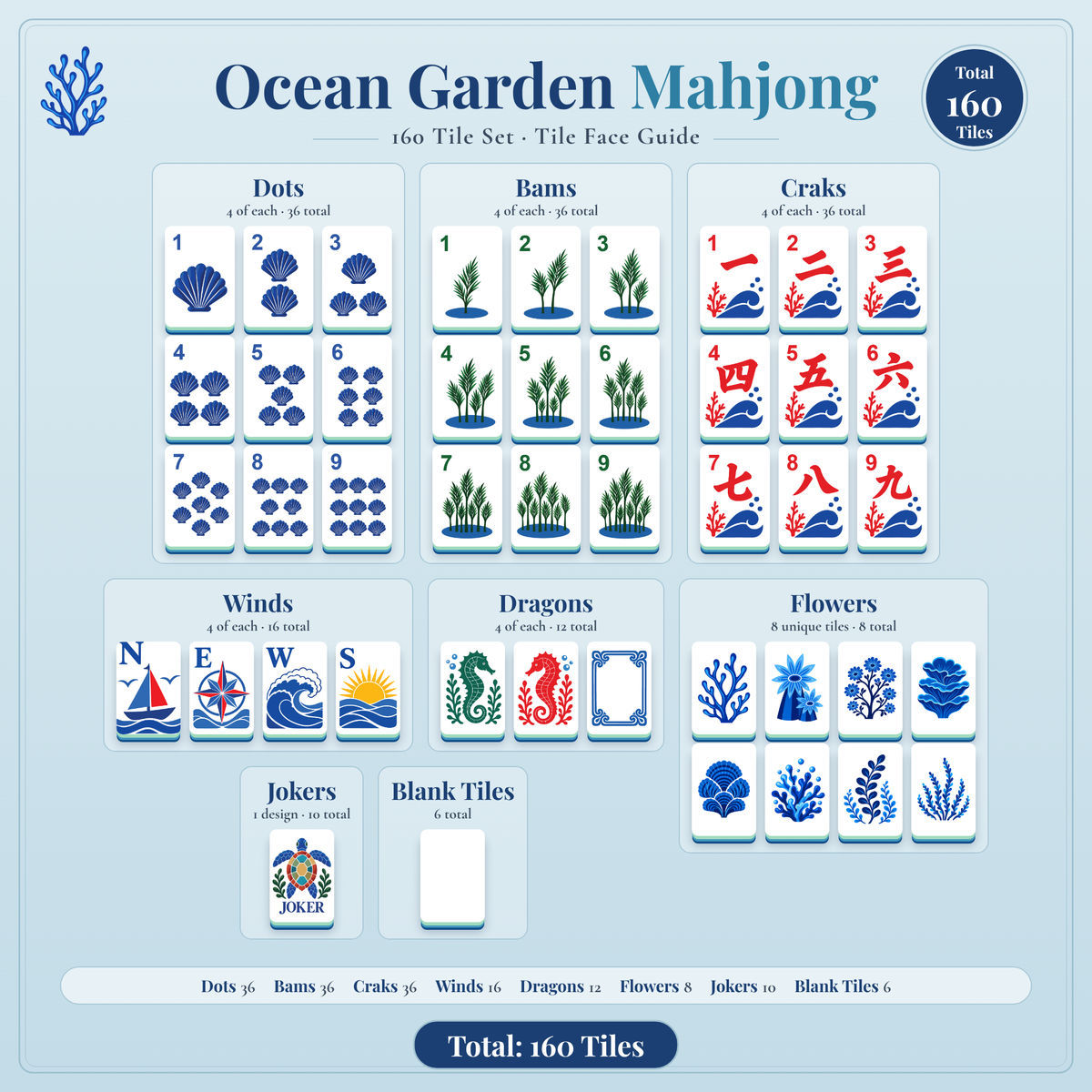
A retirement mahjong tablescape is the complete table setup—tiles, mat, racks, lighting, seating, and scoreboard—where you host your weekly or biweekly game. It combines the 160-tile acrylic set (152 playing tiles, spare jokers), a padded mat with pushers, four racks, a score pad, and comfortable chairs arranged around a standard or mahjong-specific table. Most groups play in homes, recreation centers, or community rooms; a good setup takes 10–15 minutes to prepare and lasts 2–4 hours per session. The setup costs vary by gear quality; our best-selling collection offers complete starter packages and individual pieces. Avoid cramped seating, poor lighting, wobbly tiles, and mismatched racks—all kill the rhythm and erode the ritual that makes retirement mahjong a reason to gather.
What makes a retirement mahjong tablescape different from casual play?
Casual home play often means tiles scattered on a kitchen table; retirement mahjong deserves intentional space. A true tablescape prioritizes comfort, visibility, and ritual. Your group meets weekly or biweekly—often for years—so the setup becomes muscle memory and a reason to gather. Dedicated gear (a real mat, pushers, organized racks) signals that this time is sacred. Proper lighting saves eyesight. Good seating prevents back pain. A quiet room with a closed door creates focus. The difference is the difference between eating a sandwich and having dinner with friends.

How do you choose the right table size and shape?
A round or square table 36–48 inches across works best for four players. Each person needs 12–15 inches of seat-front width to reach and place tiles comfortably without elbowing neighbors. Round tables encourage equal sightlines; square tables fit snugly into corners. A standard dining table works, but a dedicated mahjong table with a recessed center (to hold tile walls) is ideal. If space is tight, a 42-inch round with pushable chairs beats cramming four people onto a small square. Measure from the wall to the table edge—leave 18 inches minimum on each side so players can stand, rotate, and reach the Charleston without contortion. The table height should be 28–30 inches (standard dining height); too low strains the wrists, too high tires the shoulders.
What's the must-have gear for a complete tablescape?
Start with a 160-tile acrylic American mahjong set—durable, audible, and easy to shuffle. Add a padded mat sized for your table; it protects tiles, dampens noise, and holds the wall layout visible. Four racks with pushers keep your hand organized and level; cheap racks warp or slide, breaking focus mid-hand. A score pad or notebook, dice (two for American mahjong), and the current year's National Mah Jongg League card are non-negotiable. Consider a bag or case if anyone rotates hosting—it keeps gear safe and makes setup portable. Lighting: a floor lamp or table lamp positioned so no one casts shadow over the wall is essential. A small speaker for soft background music (optional, but it fills silence during long plays). No one item is expensive alone; the whole setup is an investment in a habit you'll keep for years.
How should you arrange seating and lighting to prevent strain?
Seat each player directly across the mat's center, 18–24 inches from the table edge. This lets everyone see the wall, the tile walls, their hand, and their neighbors clearly without twisting. Older players especially benefit from chairs with armrests and lumbar support; avoid stools or hard-backed chairs. Lighting should come from above and slightly behind each player's shoulder—never directly overhead (glare) or low (shadows across tiles). A 60-watt equivalent LED lamp at each corner, or one good overhead fixture plus task lighting, works well. Test it: no player should have to squint, and no tile should cast a dark shadow. Poor lighting causes missed reads, slower play, and headaches. A mat with a matte (not glossy) finish also reduces glare. Rotate hosting if you can so no one bear the setup burden year-round.

What's the step-by-step setup checklist for game day?
Before guests arrive (30 minutes prior):
— Place the mat centered on the table. — Set out four racks, one in front of each seat. — Position two dice and the current year's mahjong card near the dealer (East). — Fill water glasses, set out small snacks if you wish. — Adjust lighting; test that all seats are evenly lit.
Five minutes before play:
— Unpack the tile set and verify the count (152 playing tiles + spare jokers). — Arrange tiles into wall stacks (two piles per player = eight stacks, 19 tiles each). — Brief any new players on the hand you're chasing this session.
After the game:
— Return tiles to the set bag immediately; stray tiles get lost. — Wipe the mat (dry cloth only) if any spills occurred. — Store the set in a cool, dry place.
Consistency in setup rhythms prevents forgotten pieces and signals respect for the game and your group. When the setup is the same every week, players relax faster and hands flow smoothly.
Aspect | Casual Setup | Retirement Tablescape | Why It Matters |
Table | Kitchen table | Dedicated 42–48" round/square | Comfort; dedicated space signals respect |
Mat | None, or a cloth | Padded felt mat with pushers | Tiles stay visible; organized walls; protects table |
Racks | Mixed, some damaged | Four matching acrylic racks | Hands aligned, level; no wobbling mid-play |
Lighting | Overhead only | Overhead + task/corner lamps | No glare, no shadows; eyesight preservation |
Seats | Whatever's handy | Armrests, lumbar support | Prevents back pain during 2–4 hour sessions |
Tiles | Any set | Quality acrylic, 160-tile | Durability; audible shuffles; consistent reads |
Setup time | 10–20 min. | 10–15 min. (once you know it) | Ritualized, fast, repeatable |
How do you personalize a retirement tablescape?
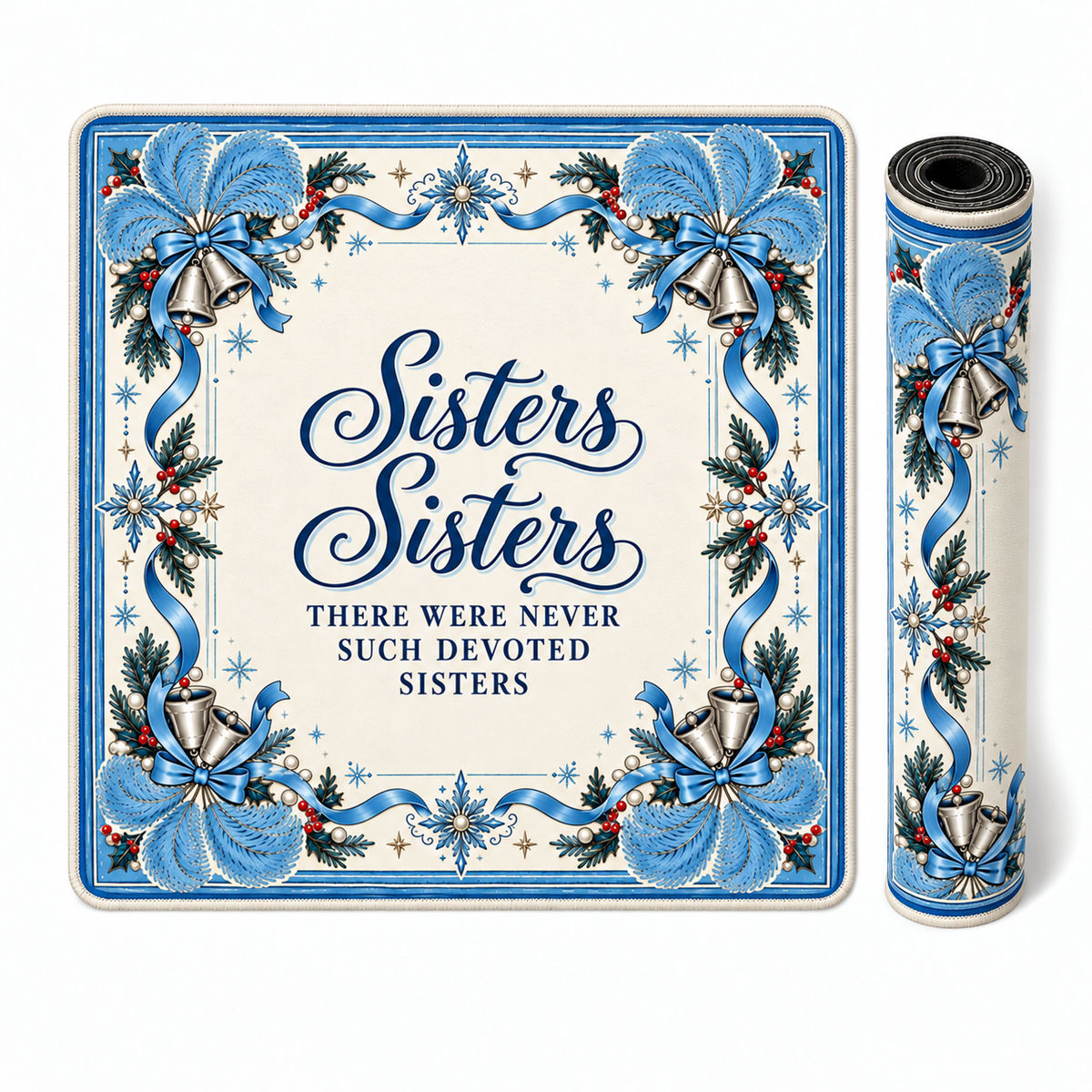
Many groups add an engraved set with a inside joke, year, or group name—a keepsake that marks the ritual and the friendships. Engraved American mahjong sets can include custom titles or jokes on the case or tiles themselves. Some groups rotate a "host trophy" or scorecard that lives on the table. Others display a rotating photo of the group from previous seasons, or a sign with house rules. A small bell or chime to signal the start of the Charleston adds formality without fuss. Christmas-themed sets or holiday décor around the table ties the game to the season. The goal: make the tablescape feel yours, not generic. When players walk in and see their inside jokes on the tiles or the case, they know they're home.
🀄 Shop best-selling mahjong sets →
What to check before you buy or finalize your tablescape setup
Tile quality: Acrylic tiles should be smooth, uniform, not warped or chipped. Inspect a sample if possible; cheap sets wear fast and feel hollow.
Mat fit: Measure your table carefully; a mat that's too small leaves wall tiles hanging off the edge, too large bunches awkwardly.
Rack stability: Push gently on each rack with tiles in it; it should not slide or tip. Lighter racks are convenient but less stable.
Lighting comfort: Have someone sit in each seat during a trial game; ask them if they can see all four walls and their hand clearly without squinting or moving their head.
Seating clearance: Walk around the setup fully clothed; you should fit without touching the table. Tight seating breeds irritation.
Storage plan: Agree on where the set lives between games; sets left out get dusty, bent, or borrowed and lost. A dedicated bag or box in a closet is ideal.
Set redundancy: If you host weekly, keep a spare set on hand. Tiles break; jokers disappear. One backup saves a cancelled game.
A retirement tablescape is not a luxury—it's the container for a friendship and a ritual. Invest in it as you would invest in a season's worth of bridge games or book club meetings, because that's what this is: a standing date with the people you care about, held together by 152 tiles and the promise of next week.
🎁 See our most-loved mahjong sets & accessories →
FAQ
Can I use a folding table or card table for a retirement mahjong tablescape?
Yes, if it's stable and 36–42 inches wide. Test it: load it with tiles and racks and push gently on all sides. If it wobbles, tiles will shift mid-game and break focus. A sturdy folding table beats a flimsy permanent one; a dedicated table is best.
How often should I replace the mats and racks?
With heavy weekly use, a good mat lasts 3–5 years; racks last 5+ years if they don't warp. Look for visible wear (cracking felt, loose seams, or warped edges on racks). Sunlight and humidity accelerate wear; store them in a cool, dry closet between games.
What's the ideal room temperature for mahjong play?
68–72°F (20–22°C). Acrylic tiles can expand or shrink slightly in extreme heat or cold, affecting shuffles and wall straightness. A climate-controlled room also keeps players comfortable during 2–4 hour sessions.
Should I invite new players into an established tablescape, and how do I set expectations?
Yes, but brief them beforehand on the setup, the current year's card, and your group's house rules (e.g., how you handle misdeals or joker calls). A dedicated space and organized gear signal that you're serious about play, which reassures newcomers that they're entering a real game, not a casual scramble.
Is it rude to ask guests to contribute to gear replacement costs?
No, not if it's clear upfront. Many groups split the cost of a new mat or set every few years, or rotate who brings snacks or buys coffee. Transparency prevents resentment. If one person hosts and funds everything, that's generous—acknowledge it.
Can I use a mahjong tablescape outdoors or in a humid space?
Outdoors is risky; sun and moisture warp tiles, fade colors, and rust metal rack parts. A covered patio in dry climate may work, but moisture is the enemy. Indoor, climate-controlled spaces keep tiles consistent and playable for years.


View More
View More
View More
