
Resin Mahjong Tiles: Weight, Feel & How to Choose
Last updated: Nov 23, 2026
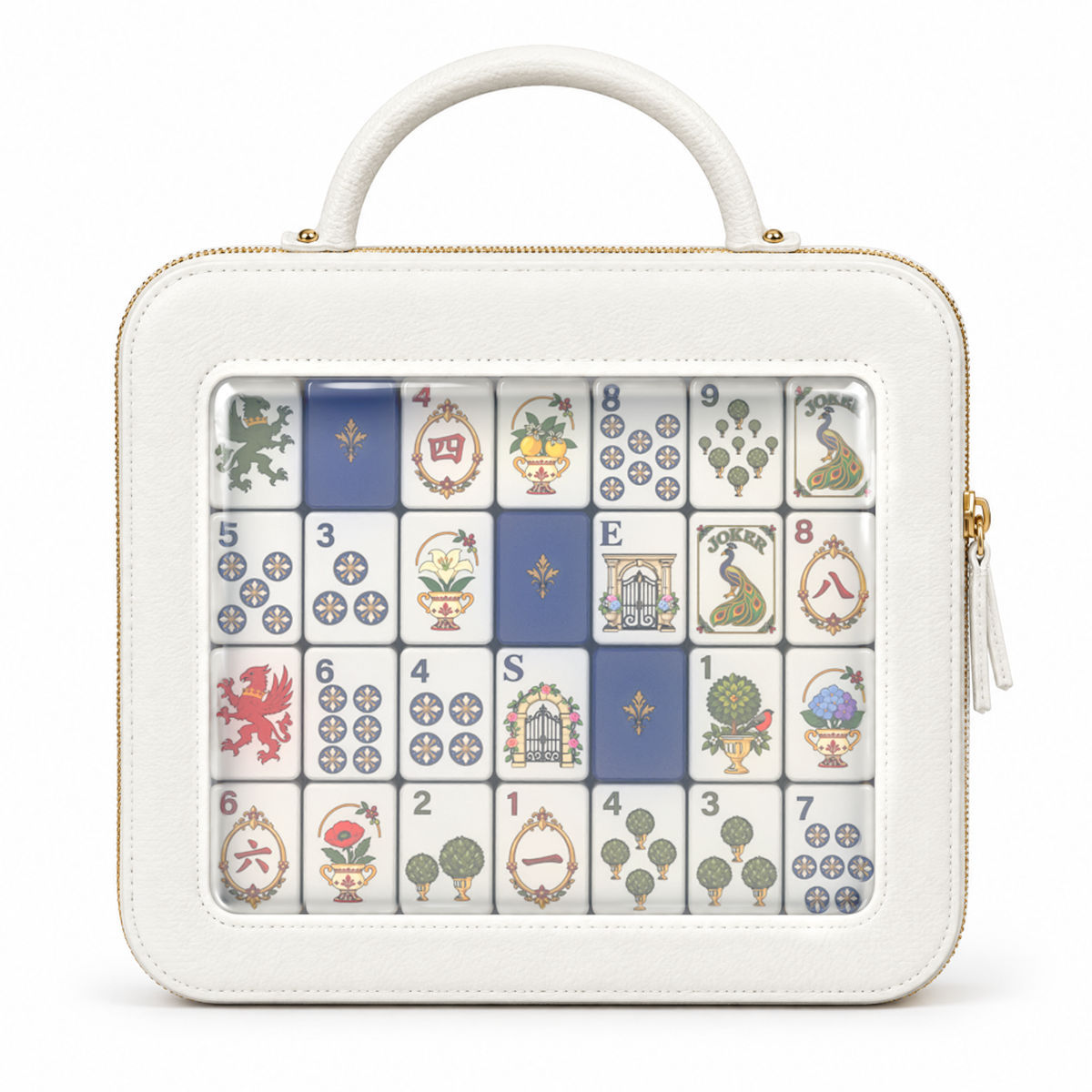
Resin mahjong tiles (technically acrylic polymer) weigh roughly 5–8 grams per tile, compared to 2–3 grams for cheap plastic. That density creates a satisfying clack when tiles meet the rack, a solid feel in your hand during the Charleston, and better grip on a mat—all tactile signals your brain reads as quality. American mahjong sets from Mahstead's best-selling collection use durable acrylic that stays smooth after hundreds of hours at the table. Heavier tiles also resist sliding during shuffles and reduce accidental knocks. The trade-off: acrylic costs more than injection-molded plastic and requires careful storage away from heat. If you play weekly, the investment pays off in durability and game feel; casual players may not notice the difference. Avoid ultra-light tiles marketed as "premium"—they're often hollow and prone to chipping.
Resin and acrylic mahjong tiles carry different heft and tactile quality—factors that shape your whole playing experience. We'll walk you through what to expect.
How heavy should mahjong tiles actually be?
There's no official weight standard in American mahjong, but players overwhelmingly prefer tiles between 5–8 grams each. That range lands in the "feels substantial but not fatiguing" zone during a four-hour game. Tiles under 3 grams feel hollow and skitter across the mat when you shuffle. Tiles over 10 grams, while satisfying, tire your hand during wall-building and make the Charleston harder on wrists. The best way to know is to hold a set at a friend's table—most groups happily let newcomers feel the difference between cheap plastic and acrylic.

What's the difference between acrylic, resin, and plastic tiles?
In common parlance, "resin tiles" usually means acrylic polymer—a rigid, injection-molded plastic that holds detail and color without fading. True resin (cast epoxy) is rare in mahjong and costs significantly more. Injection-molded acrylic is what makes up engraved American mahjong sets: it's durable, takes ink or paint cleanly, and resists cracking under table stress. Cheap injection-molded plastic feels thin and sounds tinny when stacked. The acrylic we use at Mahstead maintains its finish after years of weekly play because the material is denser and doesn't degrade under lamp heat or humidity swings.
Why does tile weight matter during play?
Weight affects three things at the table: shuffle noise, wall stability, and psychological confidence. Heavier tiles produce a satisfying clack when drawn and placed, which some players find motivating. Lighter tiles can stick together during the Charleston shuffle if humidity is high, forcing you to separate them by hand—annoying and slower. During wall-building, heavyweight tiles stay where you stack them; featherweight tiles shift and require constant repositioning. Most importantly, heavy tiles feel like you're playing a "real" game, not a novelty. If you host weekly games, your guests will notice and appreciate the difference on the first draw. Many players report they play better when they trust their tiles to move predictably.
Tile Type | Weight per tile | Shuffle feel | Wall stability | Durability | Best for |
Cheap plastic | 2–3g | Sticky, thin sound | Drifts easily | Cracks in 1–2 years | Beginners, one-off games |
Acrylic (standard) | 5–7g | Satisfying clack | Holds firm | 5+ years of weekly play | Regular players, hosting |
Acrylic (premium, detailed) | 6–8g | Rich, clear sound | Excellent | 10+ years | Serious players, tournaments |
Hollow "fake heavy" | Varies (feels heavy but thin-walled) | Hollow sound | Unstable | Chips after months | Avoid entirely |
How should weight and material fit your playing style?
If you play casually once a month, lighter tiles (3–5g) are fine and pack easier. If you host weekly games or play in a regular group, invest in acrylic tiles weighted 6–8 grams—your hands and your guests will thank you after hour three. Tournament players and serious collectors often go for premium acrylic with hand-painted or engraved details, which adds visual interest and psychological investment to every hand. The best-selling mahjong sets strike a balance: they're weighted enough to feel premium without breaking the bank, and they ship ready to play straight from the box.
🀄 Shop best-selling mahjong sets →

What goes wrong with cheap resin tiles, and how to spot it?
Cheap acrylic often uses a hollow core to cut costs, which makes the tile feel light despite thick walls and sometimes even small weights embedded inside. When you stack a wall, these tiles crack along the seams or the plug breaks free. Colors fade if exposed to direct sunlight for weeks. Cheap tiles also absorb moisture in humid climates, becoming sticky or developing a dull film. Before buying, ask for tile weight (in grams, not marketing words like "premium" or "luxury"), ask how old the design/inventory is (old stock can fade), and check if there's a simple durability claim in writing. At Mahstead, every acrylic set is tested during production; we've stopped carrying any line that chips or discolors after a few months of storage.
What to check before you buy
Ask the seller for tile weight in grams. If they can't answer, the tiles are probably light. Aim for 5–8g per tile.
Feel a sample or watch a video. See how tiles stack and hear the shuffle sound. You can judge durability by ear—a dull thud means hollow or thin plastic.
Check the color fastness claim. Good acrylic resists fading under table lamps for years; cheap plastic yellows within months.
Confirm the tile count. American mahjong uses exactly 152 tiles in play; sets sold as 160 or 166 include spare jokers and blanks, not extra playing tiles.
Read the storage guidance. Acrylic should live in a cool, dry place—not a car trunk or damp basement.
🎁 See our most-loved mahjong sets & accessories →
Does engraving or painting affect tile weight?
Yes, but not always in the way people expect. A thin engraved or painted design adds almost no weight—maybe 0.2 grams per tile. What matters is the base acrylic density. A hand-painted or engraved tile from a reputable maker (where the paint is inlaid and sealed, not just a surface coat) can feel even better than plain acrylic because the detail gives your fingers more texture to grip during shuffles. Cheap painted tiles use thin paint on thin plastic, so the paint flakes and the tiles stay light. Engraved American mahjong sets are individually customized at the factory; each design is routed or etched into the acrylic, then often filled with color, so the detail is part of the tile's structural integrity, not a decorative layer that wears away.
✨ Find your Mahstead set — free US shipping →

FAQ
Can I tell if tiles are acrylic or plastic just by looking?
Acrylic has a glossy, even finish and feels smooth and cool to the touch; cheap plastic looks slightly matte and feels warmer. The real test is weight and sound: drop an acrylic tile from 6 inches onto a hard surface—it makes a sharp, ringing sound. Plastic makes a dull thud. Handle both types at a friend's table before buying.
Will heavier tiles tire my hands during a four-hour game?
Tiles in the 5–8 gram range are designed for comfort during long play. You're moving about 25–30 tiles per hand, so the total load is manageable. Tiles over 10 grams can cause wrist fatigue; tiles under 3 grams require more hand tension to control them on a smooth mat, which also tires your hand.
Do acrylic tiles become yellowed or dingy over time?
High-quality acrylic resists yellowing for 5+ years of weekly play under normal lighting. Poor acrylic yellows within months if exposed to direct sunlight or stored near heat sources. Avoid storing tiles in a car trunk or uninsulated attic. Most players store their sets in a bag or case indoors and see no color change for a decade.
Is a 160-tile set heavier than a 152-tile set?
No. A standard American game always uses exactly 152 tiles in play. A 160-tile set contains 152 game tiles plus 8 spare jokers and/or blanks that never go on the table. Both cost roughly the same because the extra spares are low-cost. Choose 160 tiles if you want backups in case a tile cracks after years of play.
Why do my friend's tiles feel better than mine, but they look the same?
It's likely weight and material. If both sets are roughly the same size and color but one feels much heavier and clacks more, your friend's set is acrylic and yours is hollow plastic. Ask your friend where they bought them and compare: weight difference is usually at least 3 grams per tile, which adds up to a game-changing feel.


View More
View More
View More
