
Mahjong Lessons in Cleveland: Where to Learn & What to Expect
Last updated: Nov 23, 2026
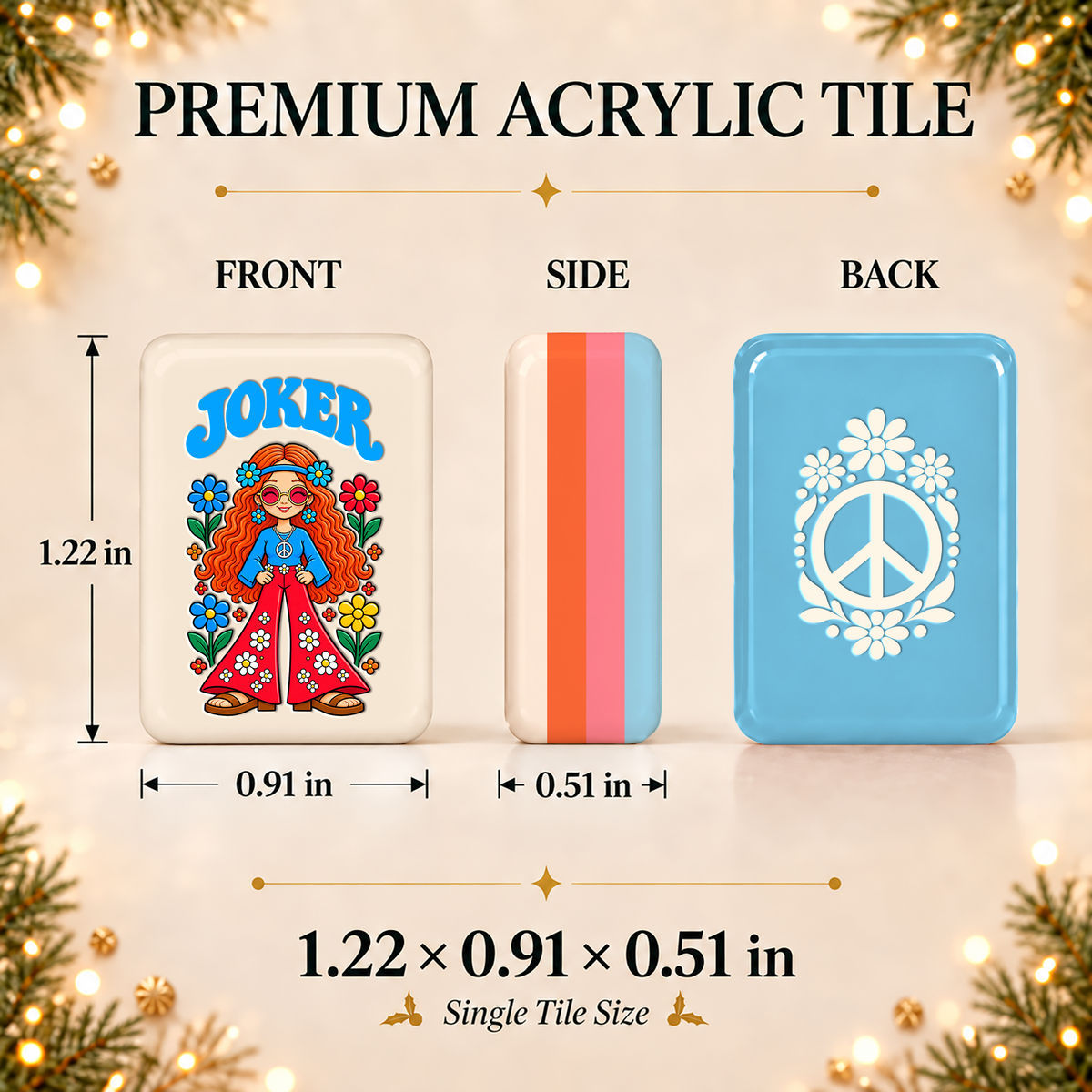
Cleveland-area mahjong lessons are typically found at community centers (check with your city recreation department or public library), synagogues with active game groups, country clubs, and through private instructors advertising on local meetup boards or community Facebook groups. A beginner lesson usually runs 60–90 minutes and covers tile identification, hand notation using the current National Mah Jongg League card, the Charleston passing ritual, and play mechanics. Group classes often cost less per session than private instruction; expect to learn the fundamentals in 4–6 weeks of weekly sessions. Many instructors teach American mahjong exclusively, which uses 152 tiles and differs sharply from Chinese or Riichi variants—confirm your teacher's focus before enrolling. You'll need a set, a mat, and access to the annual League card; we recommend best-selling mahjong sets that include pushers and a carrying bag so you can take your kit to every class.
Where do I find mahjong lessons in Cleveland?
Start with your city or county recreation department—many offer seasonal beginner classes at community centers, often in fall and winter. Public libraries sometimes host groups or can direct you to local instructors; call the main branch first. Synagogues with active Jewish communities often welcome newcomers to casual game nights or structured lessons. Country clubs and senior centers frequently run mahjong programs. For private teachers, search local community boards, Nextdoor, or meetup-style websites; ask if they teach American mahjong (the most common variant in the U.S.). Once you find a prospect, confirm their teaching style, class size, and cost before committing.
🀄 Shop best-selling mahjong sets →

What does a typical beginner mahjong lesson cover?
A first session introduces tile structure: three numbered suits (Bams, Craks, Dots running 1–9), winds, dragons, flowers, and jokers. Instructors then explain how to read the National Mah Jongg League card—the rulebook that changes each spring and defines which hand combinations are legal that year. You'll learn the Charleston, a tile-passing ritual that shuffles the deck before play starts. Gameplay mechanics follow: how to form pungs (three identical tiles), kongs (four identical), and longer melds, how jokers function (they substitute for any tile except a single tile or pair), and when you can "call" tiles from the discard. Most teachers drill hand-reading using simplified card sections before attempting a full game. By week four, students usually play complete rounds while referring to the card.
How long does it take to go from beginner to playing confidently?
Most players need 6–8 weeks of consistent weekly lessons to read hands quickly, understand the card layout, and make strategic decisions without hesitating. After that, comfort grows through play: joining a regular game group, hosting friends, or attending casual meetups accelerates fluency. The first month is rule and notation heavy; months two and three build pattern recognition and speed. Some people play competitively for decades; others play casually with the same group every week. There's no "graduation"—you simply reach a point where you stop asking "What does this hand mean?" and start thinking about which tiles to keep or discard. Many Cleveland-area game groups welcome players at any skill level, so after formal lessons end, ask your instructor where alumni typically play.
What's the real difference between American mahjong and other versions?
American mahjong is rigid and card-dependent: hands come only from the National Mah Jongg League card issued each spring, and you cannot form sequences (called chows in Chinese play). You can only expose groups of three, four, or more identical tiles. Chinese or Hong Kong mahjong allows chows (like 3-4-5 of the same suit) and uses different scoring. Riichi mahjong, played in Japan, uses a smaller tile set and unique hand rankings. Taiwanese mahjong combines elements of Chinese and American rules. Lessons in Cleveland almost always teach American mahjong unless specified otherwise. If a teacher or group advertises simply "mahjong lessons," assume American unless they state otherwise. The card-based system makes American mahjong easier for beginners because hands are pre-defined rather than abstract; you're pattern-matching, not inventing combinations. Before enrolling, ask your instructor which variant they teach.
🎁 See our most-loved mahjong sets & accessories →
What equipment do you need to bring to a lesson?
Most Cleveland instructors provide a set and a mat for class use, but confirm before your first session. You'll need a pen or pencil to mark your card as hands are called, and it helps to bring a small notebook for notation tips. Many learners bring a calculator to tally scores, though some instructors do this. After a few lessons, buying your own set lets you practice at home and attend game groups independently. A 160-tile acrylic set includes everything needed for American play: tile racks with pushers keep your hand organized and readable from across the table. A mat protects both the tiles and your playing surface and makes shuffling quieter. A carrying bag means you can transport your kit to lessons, games, or travel without risking broken tiles. The investment pays off quickly if you play regularly.

How do you practice between lessons?
Review the National Mah Jongg League card at home: pick 10 hands at random each day and read them aloud to build fluency. Many online resources let you simulate shuffling and drawing. Ask your instructor for a prior year's card (they're all free to download) so you can compare hand notation year-to-year. If you have a home set, practice the Charleston with family or friends, even if you don't play full games yet. Join an online forum or local Facebook group where Cleveland players share hand questions. Attend open game nights at the groups your instructor recommends—many allow silent observers, so you can watch and learn without pressure. Record the types of hands you see played, especially ones that confuse you, and ask your teacher about them next session. Within a month of consistent review, card-reading becomes automatic.
What should you check before choosing a lesson provider?
Factor | What to verify | Why it matters |
Variant | American mahjong, not Chinese or Riichi | Rules differ radically; wrong variant wastes time |
Class size | Typically 4–6 people for American play | Too large = little individual feedback; too small may not run |
Schedule | Weekly, at a time you can attend consistently | Mahjong builds on prior lessons; gaps hurt retention |
Card edition | Teacher provides current year's League card | Rules change annually; outdated cards teach invalid hands |
Cost transparency | Quoted price includes all materials or specifies what you provide | Avoid surprise fees or pressure to buy a set immediately |
Instructor background | How long they've played; whether they host regular games | Experienced players teach faster; active game hosts offer post-lesson play |
First-lesson trial | Option to attend one session before committing | Confirms teaching style matches your learning pace |
Choosing wisely saves frustration and money. A lesson provider who offers a trial first session, teaches American mahjong with the current year's card, and connects students to game groups afterward is worth the investment.
✨ Find your Mahstead set — free US shipping →
What to check before you buy
If a lesson provider requires you to buy a set on day one, proceed cautiously—most instructors either provide materials or suggest you wait until week 3 after confirming you enjoy the game. When you do buy, ensure the set includes a full 152-tile deck (plus spare jokers and blanks for durability), pushers, a rack, and ideally a carrying bag. Test the tile weight and click in-hand; acrylic tiles feel different from bamboo but are equally valid. Read the card-reading guide that ships with quality sets so you understand notation before your next lesson. A set from Mahstead arrives with all playing pieces and accessories, free shipping across the U.S., and tiles sized for comfortable reading even in dim light—practical for home practice sessions.
Which Mahstead set works best for lesson-goers?
Our best-selling collection offers sets designed for players at every stage: complete 160-tile sets with matching mats, racks, pushers, and travel bags that pack everything you need for lessons or game nights. Many come with engraved designs that let you personalize your set—useful if you're borrowing a set during lessons, or want a kit that feels like yours after you graduate to home play. Start with a standard set if cost matters; upgrade to one with a custom mat later once you know your style. After 6 weeks of lessons, having your own equipment means you can host friends or join drop-in game groups without depending on an instructor's set.

FAQ
Can you learn mahjong online instead of in person?
Online lessons teach rules and card-reading faster than some in-person classes, but American mahjong benefits from live play—watching others shuffle, call tiles, and discard is harder on screen. Many Cleveland players combine an online course (for rules foundation) with one or two in-person lessons to confirm mechanics. Online play is possible but less common than group or casual games. If you choose online only, factor in extra time learning through trial-and-error once you join a real game.
What's the National Mah Jongg League card and why does it change?
It's an annual rulebook issued each spring that lists all legal hand combinations for that year. The League refreshes the card to keep the game fresh and prevent memorization. You must use the current year's card; hands valid last year may be invalid this year. Your instructor will provide it or direct you to the League website.
Is American mahjong harder than chess or bridge?
No. Mahjong rule-learning is straightforward (tile matching, card notation, sequence rules), and most beginners play confidently within a month. Chess or bridge strategy runs deeper, but mahjong's initial barrier is lower. You don't need math skills or memory tricks—just pattern recognition and practice.
Can you play mahjong with fewer than four players?
Yes, but rules adapt. Two-player and three-player variants exist and are less common in Cleveland. Most lesson providers teach the standard four-player American game. If interest arises, ask your instructor about two- and three-player rule variants.
After lessons end, where do Cleveland players go to play?
Ask your instructor—they usually know the active game groups meeting at community centers, synagogues, or homes. Meetup boards and local Facebook groups often list drop-in game nights. Some players start their own weekly home game with classmates. Attending at least once per week keeps your skills sharp and expands your network.


View More
View More
View More
