
Mahjong Classes for Beginners in Detroit
Last updated: Nov 23, 2026
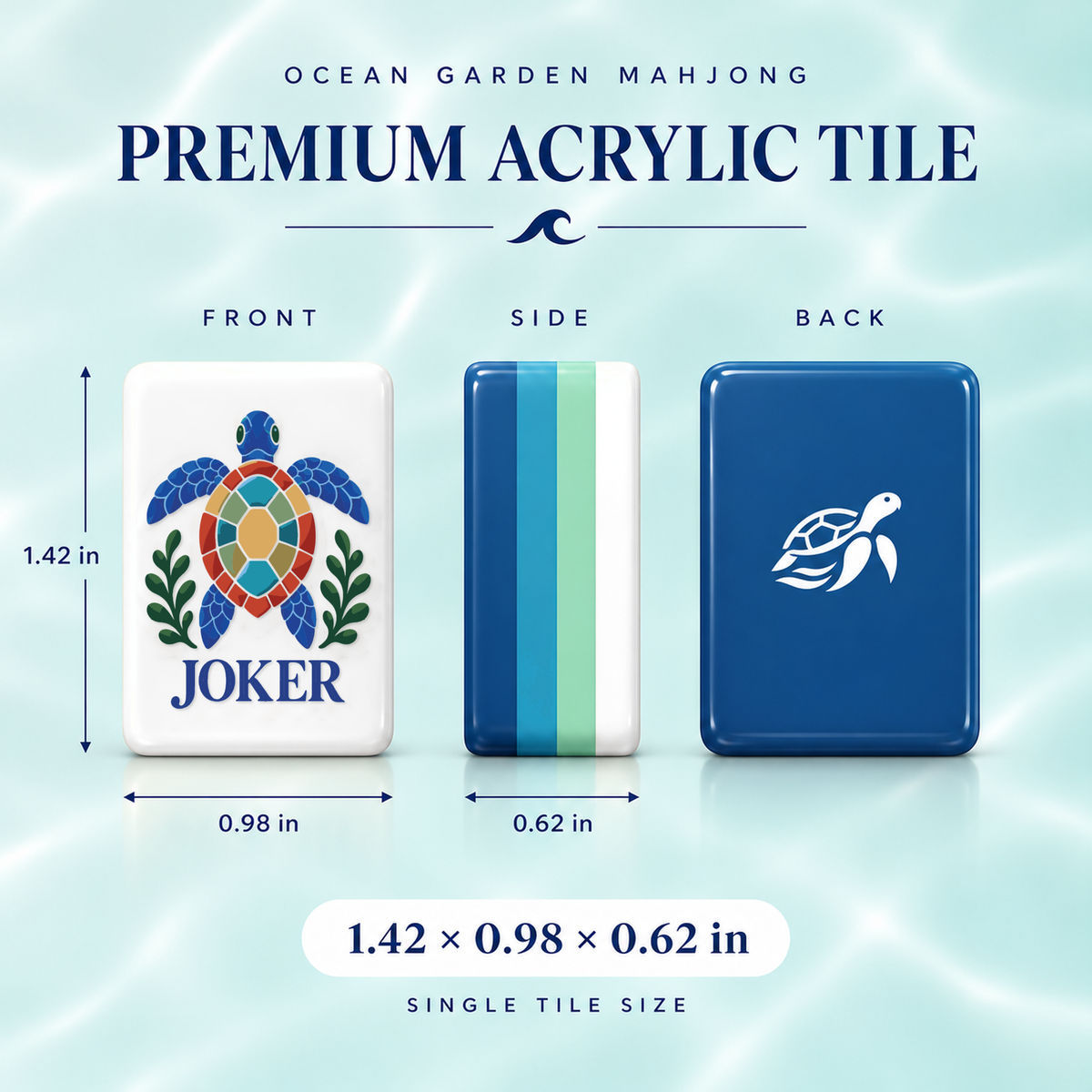
Detroit's beginner mahjong classes run year-round at the Detroit Public Library system, recreation centers on the east and west sides, and cultural centers in Dearborn and other neighborhoods. Most meet weekly and cost little to nothing; some charge a small fee per session or membership. Classes typically last 1–2 hours and cover tile recognition, hand-reading from the current National Mah Jongg League card, the Charleston tile-passing ritual, and basic winning combinations. Before signing up, confirm the instructor teaches American mahjong (the version with 152 tiles, not Chinese or Hong Kong variants), and ask whether you should bring your own best-selling mahjong sets or if the venue provides them. Libraries and community centers often loan sets, but owning one lets you practice the exact size and weight you'll play with. 🀄 Shop best-selling mahjong sets →
Where Do I Find Beginner Classes in Detroit?
Start by calling or visiting the websites of Detroit Public Library branches—the main downtown branch and neighborhood branches often host or post flyers about mahjong meetups. Libraries also keep bulletin boards and maintain community event calendars online. Recreation departments in Detroit, Dearborn, Southfield, and Grosse Pointe operate evening or weekend classes; search "[your neighborhood] recreation department" plus "mahjong" or call their main office. Cultural centers, synagogues, senior centers, and country clubs in metro Detroit frequently run beginner sessions; ask staff or check their activity calendars. Online search "mahjong classes near me Detroit" and scan the first ten results for addresses, phone numbers, and meeting days. Community meetup boards and Facebook groups for Detroit mahjong players post class schedules and instructor contact info.

What's the Difference Between American Mahjong and Other Variants?
American mahjong uses exactly 152 tiles (three suits of 1–9 called Bams, Craks, and Dots; 16 winds; 12 dragons; 8 flowers) plus 8 jokers, all played from the current year's National Mah Jongg League card. You cannot call or expose sequences (chows); only pungs (three identical tiles), kongs (four identical), quints (five), and sextets (six) are exposed. Chinese mahjong uses 144 tiles, includes sequences you can call, and has no jokers. Hong Kong mahjong follows similar rules but with a different scoring system. Most Detroit classes teach American mahjong because it dominates the Midwest and has a standardized card that levels the playing field for newcomers. If a class advertises just "mahjong" without naming the variant, ask the instructor which version it covers before enrolling—you don't want to spend weeks learning a different system.
What Should I Bring and Practice Before My First Class?
Bring a notebook, a pen, and your glasses if you wear them—tile text is small. Ask the instructor in advance whether the venue has mahjong mats and sets or if you should supply your own. If you own a set, bring it; if not, ask if you can observe the first session or borrow a set to take home and study. Before class, spend an hour learning tile names by looking up a basic guide online or in a beginner's book—recognizing 1 Bam (the bird), 5 Crak (the spider), and the dragons by sight saves embarrassment and speeds up practice. Download or print a blank copy of the current year's National Mah Jongg League card (available free on the league's website) and read through a few sample hands. Practice the Charleston—the tile-passing ritual before each hand—by watching a YouTube video or reading our Charleston guide. Don't memorize hands yet; just get comfortable with the rhythm.
How Do I Practice at Home Before and After Classes?
After each class, set up your own set at home and lay out a hand from the card using the instructor's notes. Ask a family member to sit across the wall of tiles and call out discards while you track what you'd pick up—this builds card sense without requiring a full game. Join online mahjong forums or local Facebook groups to ask follow-up questions and connect with other beginners in Detroit. Many groups share photos of tricky hands or scoring disputes, helping you learn edge cases. Attend two or three classes before deciding whether to invest in your own set with a mat and racks—once you know you love the game, a home setup lets you host weekly games and deepen your skills. Some classes meet at venues that sell or recommend sets; ask instructors for honest advice about which sets work best for beginners (sturdy tiles, large enough to read, not too heavy).
What Do Real Beginner Classes Cover in the First Few Weeks?
Most Detroit instructors follow a proven sequence: Week 1–2 covers tile names, suit recognition, the Charleston, and how to track discards. Week 3–4 introduces reading the card, identifying hand patterns (e.g., pairs, pungs, kongs, joker use), and scoring basics. Week 5–6 you play full hands under supervision, learning when to pick, discard, and call. Weeks 7+ focus on strategy—hand management, joker placement, and when to hold or break a hand. Each class usually includes 30 minutes of instruction and 1–1.5 hours of supervised play. Instructors repeat key rules (jokers never in a single tile or pair; no chows in American mahjong; exactly 152 tiles per game) every session because they stick better with repetition. Don't expect to win or understand every hand by week four—most players need 8–12 classes before they feel confident, and years before they master strategy.
Beginner Class Checklist
Item | What It Is | What to Know |
Tile set | 152 playing tiles + spare jokers | Ask if venue lends sets or if you must bring yours |
National Mah Jongg League card (current year) | Rules and all legal hands for the year | Class provides; keep a printed copy at home |
Mat (optional at first) | Cloth surface for organizing tiles | Venues often have mats; buy one after 4–5 classes |
Racks with pushers (optional at first) | Holders to organize and display your hand | Useful once you play regularly; not needed for lessons |
Notebook & pen | To track discards and write questions | Essential for the first 6 weeks |
Attitude | Patience and playful competitive spirit | No one expects perfection week one |

What Should I Check Before Paying for a Class?
Ask these five questions: (1) Does the instructor teach American mahjong with 152 tiles and the current National Mah Jongg League card? (2) How many students per class (aim for 3–6 so you get one-on-one feedback)? (3) Do I need to bring a set, or does the venue provide them? (4) Are there makeup sessions if I miss a week? (5) What is the class length, meeting day, and cost per session or full course? Request a trial session or observe one class for free before enrolling—instructors who welcome observers are confident and beginner-friendly. Avoid classes that promise "you'll win every hand" or use outdated cards from prior years. Check that the room has good lighting, enough table space, and comfortable seating for 2+ hours. If an instructor discourages questions or rushes through the card, find another class—mahjong is meant to be fun and social.
🎁 See our most-loved mahjong sets & accessories →
How Do I Set Up for Home Practice After Classes?
Once you're confident enough to host games, invest in a complete home mahjong setup: a 160-tile set (152 playing tiles plus spares), a mat to protect your table and keep tiles from sliding, racks with pushers to organize your hand neatly, a printed or laminated current-year card, and a bag or case if you plan to carry your set to friends' homes or classes. Many players buy one set early and never need another because acrylic tiles last decades. Racks with pushers save your wrists and prevent accidental tile nudges that spoil hands. A dedicated mat keeps your coffee cup off the game and makes breaking down faster when the evening ends. Host a game every week or two—the best way to learn is to play, and your friends will thank you for providing the setup.
What If I Can't Find a Class Locally?
If Detroit-area classes have long waitlists or meet times that don't fit your schedule, explore hybrid options: attend one in-person class to learn the basics, then join online mahjong communities where Detroit players post weekly games or teaching videos. Some instructors offer 1-on-1 virtual lessons via video call—ask local libraries or clubs if they can refer you. YouTube channels devoted to American mahjong play hands in real-time with narration that mirrors classroom teaching. A few regional conferences and tournaments in Michigan and Ohio hold beginner workshops during their weekend events; registration is low-cost and draws players from across the Midwest. Buy a set to keep at home so you can practice independently and play once you find people to invite—word spreads fast in Detroit's mahjong circles, and many players welcome newcomers to their regular games.
✨ Find your Mahstead set — free US shipping →
Our Pick: What You'll Need to Start
Your first week, you'll use the venue's tiles and card. By week four, when you're ready to practice at home or host a friend, grab an engraved acrylic set or best-selling design—acrylic tiles are louder (so you hear plays), more durable than bamboo, and easier for new eyes to read. Add a quality mat and racks with pushers once you play twice a week. Free shipping across the US means no excuses to delay—a complete setup ready to go makes you the person who hosts, and hosting is how you get truly good.

FAQ
Do Detroit libraries really offer free or cheap mahjong classes?
Yes. Detroit Public Library and most neighborhood branches post community class schedules online and on bulletin boards. Fees vary—many are free or under ten dollars per session; call ahead to confirm.
What's the difference between American mahjong and the mahjong my grandmother played?
American mahjong uses 152 tiles, a standardized yearly card, and no sequences (chows)—only pungs, kongs, and flowers. Chinese mahjong uses 144 tiles and allows sequences. If you learned the other way, tell the instructor so they can bridge the gap.
Can I start mahjong if I've never played before, or is it only for experienced players?
Beginner classes assume zero experience. You'll learn alongside others in your first month. The game takes 8–12 classes to feel confident and years to master strategy—that's by design and keeps it fun.
What do I need to bring to my first class?
Bring glasses if you wear them, a notebook, a pen, and an open mind. Ask the instructor if you should bring a set or if the venue provides them. Most classes loan sets to newcomers.
How much does a good home mahjong set cost, and why do some cost more than others?
See current pricing on our product pages. Sets vary by tile material (acrylic, bamboo, bone), finish quality, and whether they include a mat or racks. Acrylic sets are durable and loud enough for group play; buy once and play for decades.
After I take a class, how do I find regular games to join in Detroit?
Ask your instructor—many host weekly games or know local groups. Search "Detroit mahjong" on Facebook or Meetup. Join online forums and comment that you're a new player looking for a weekly game; players are usually happy to invite a respectful beginner.


View More
View More
View More
