
Printed Mahjong Tiles: Pros, Cons & Why Engraving Wins
Last updated: Nov 23, 2026
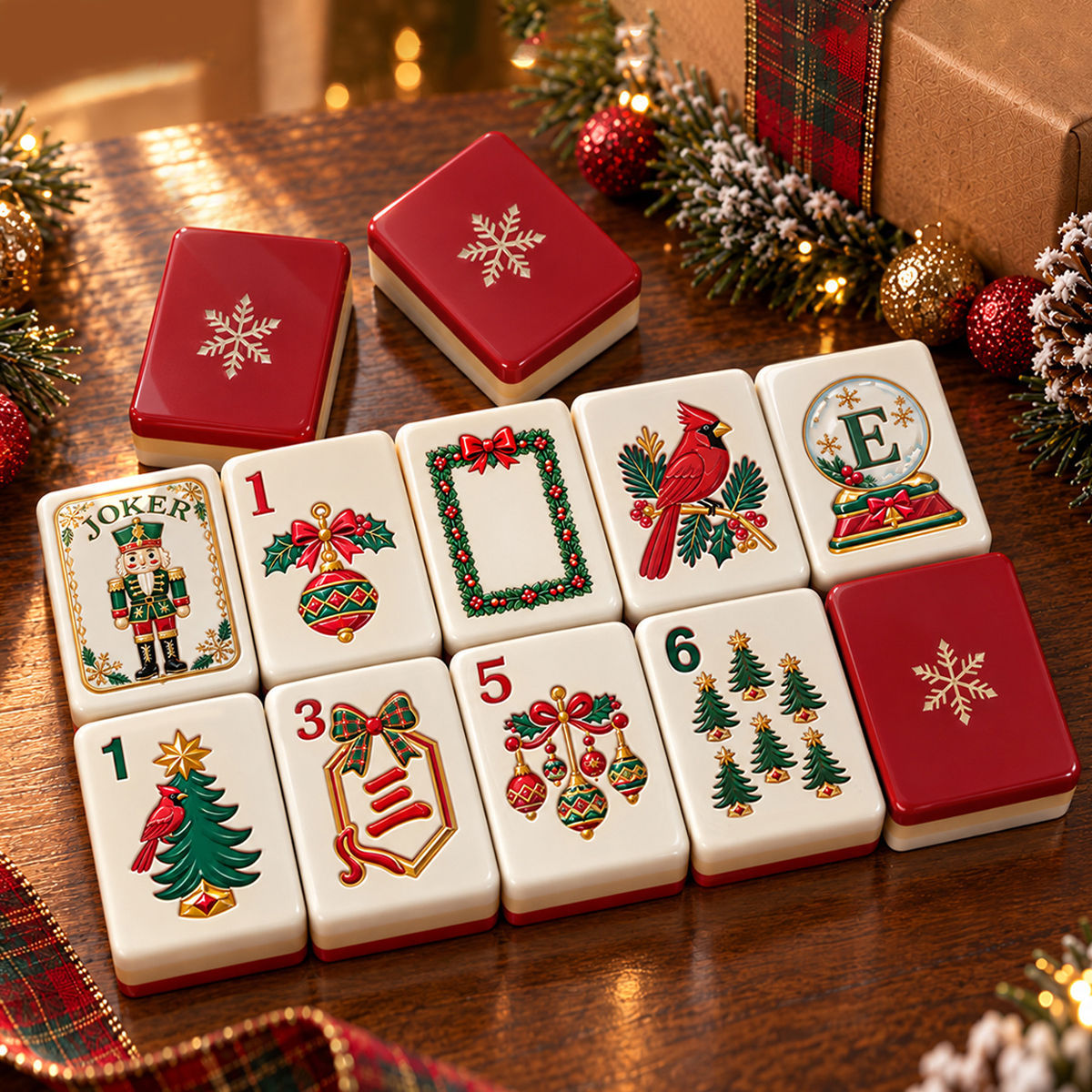
Printed mahjong tiles use ink or enamel applied to the surface—usually plastic or bone—and offer vivid color at lower upfront cost. The catch: ink flakes, fades under sunlight, and chips off tile edges within months of weekly play. Engraved acrylic tiles (where the design is routed or laser-cut into the material itself) cost more initially but survive years of shuffling, stacking, and humidity. Most American players hosting regular games move to engraved sets after one printed set wears out. Mahstead designs every set with deep acrylic engraving, so the image never separates from the tile—a choice that adds cost upfront but eliminates replacement costs and frustration mid-game when a critical tile becomes unreadable.
Printed tiles arrive bright and tempting. Engraved tiles arrive harder to read at first glance. Yet after three months of Thursday-night games, the story flips. Let's walk through what actually happens to printed surfaces, why engraving wins for serious players, and which design type matches your needs.
What makes printed tiles fade so fast?
Ink sits on top of the tile material. Every shuffle, stack, and hand pass creates micro-friction between tiles. Humidity in the tile pouch, sweat from palms, and sunlight on the card table all accelerate breakdown. Within four to six weeks of weekly play, players report smudged symbols and missing details on high-traffic tiles (Winds, Dragons, 1 Bams). Printed enamel lasts longer than simple ink—sometimes two to three months—but still chips at the edges and corners where friction is highest. Once the image cracks, it's unreadable mid-game and can't be repaired. You buy a new set or live with ambiguous tiles, which slows play and frustrates newer players.

How does engraving prevent this wear?
Engraved designs are routed or laser-cut into the acrylic body. There's no layer to separate, flake, or fade because the image is the material. When you run your finger over an engraved tile, you feel a groove—that groove holds the filled color (usually paint or resin) in place. Even after five years of weekly play, the design remains crisp and readable because it can't peel away. The color inside the groove may lighten slightly under direct sunlight, but the outline stays sharp. Mahstead's acrylic sets are engraved this way: durable enough for tournament use and tournaments play year-round with the same set.
What's the real cost difference?
Printed tile sets typically cost less at purchase—a difference of fifteen to thirty percent in initial price. But here's the math: if a printed set lasts four months of weekly play and you buy two sets yearly, you're replacing constantly. An engraved set costs more upfront but remains readable for three to five years, amortizing to less per game night. For casual players (once a month), printed tiles may suffice. For hosts and serious players (weekly or twice weekly), engraved acrylic breaks even within a year and saves money long-term. See current price on the product page for exact figures, then calculate how many games you host annually.
Which design type is best for travel?
Printed tiles are lighter and slightly more compact. Engraved acrylic tiles are denser (acrylic weighs more than plastic) and more rigid. If you transport your set weekly to a friend's house, printed might feel easier initially. However, acrylic tiles hold up better in a bag: they don't warp from pressure, and their weight helps them slide cleanly across a mahjong mat without sticking. Many traveling players pair a 160-tile engraved set with a padded bag or case to protect the investment. The set then lasts for years of travel, whereas a printed set deteriorates faster under jostling and pressure.
Can you mix printed and engraved tiles in one game?
Technically yes—the game rules don't forbid it. Practically, no. Engraved and printed tiles have different weights, surface texture, and tile thickness. During the Charleston (the tile-passing ritual before play begins), mixed tiles shuffle unevenly, making it harder to draw fairly. Newer players struggle to read faded printed tiles next to crisp engraved ones, slowing the game. If one tile becomes unreadable mid-hand, you can't substitute a different set's tile without disrupting the count. Most groups enforce "one set per table" to keep play flowing. If a tile cracks, replace the whole set or buy a complete backup.
🀄 Shop best-selling mahjong sets →

Comparison: Printed vs. Engraved at a Glance
Feature | Printed Tiles | Engraved Acrylic |
Initial cost | Lower | Higher |
Readability (week 1) | Excellent | Very good |
Readability (month 4) | Faded/chipped | Excellent |
Readability (year 2) | Unplayable | Excellent |
Weight & slide | Light; may stick | Heavier; smooth play |
Travel durability | Warps in bags | Rigid; protected |
Color retention | Fades in sun | Holds color years |
Repair if damaged | None possible | Replace one tile rarely |
Best for | Casual/occasional play | Weekly hosts & serious players |
What else changes the durability equation?
Storage and environment matter. Printed tiles stored in a sunny closet fade faster than ones kept in a cool, dry drawer. Humidity in coastal areas or humid seasons softens ink adhesion. A tile pouch (cloth or sealed bag) protects printed tiles somewhat, but only delays the inevitable. Engraved tiles tolerate humidity, temperature swings, and sunlight without degradation. If your game room has large windows or you live near the coast, engraved is non-negotiable. If you keep your set in a climate-controlled closet and play indoors year-round, printed tiles might hold up long enough for casual play. But any player hosting weekly games in a humid or sunny space should skip printed entirely.
🎁 See our most-loved mahjong sets & accessories →
Common mistakes to avoid when choosing
Mistake 1: Assuming "acrylic printed" lasts like "acrylic engraved." Acrylic material is durble, but printed ink on acrylic still flakes. Engraving is what protects.
Mistake 2: Buying printed tiles to "try the game" and expecting to keep them long-term. Try mahjong with a borrowed set or rent one first. When you're ready to host, invest in engraved tiles from the start.
Mistake 3: Mixing tile sources at the table. One set per table. Don't patch a worn printed set with tiles from a different brand or design.
Mistake 4: Storing tiles in direct sunlight or a hot car. Printed tiles fade in hours under UV. Even engraved tiles' colors can lighten. Keep your set indoors in a cool, dry space.
Mistake 5: Assuming all "engraved" sets are the same. Depth and clarity of engraving vary. Shallow routing can still chip at edges. Deep acrylic engraving is the standard that lasts.
What to check before you buy
Game frequency: Weekly play? Engraved. Monthly? Printed might work.
Storage: Sunny closet or humid basement? Engraved. Climate-controlled drawer? Either.
Travel: Moving the set weekly? Engraved in a padded case.
Player count: Teaching newcomers? Clarity matters—engraved text and symbols are easier to learn from.
Budget for replacement: Calculate yearly cost over five years. Engraved usually wins.
Set customization: Want a personal design or gift set? Engraved allows logos and custom text; printed has fewer options.
✨ Find your Mahstead set — free US shipping →

FAQ
Do printed tiles ever last as long as engraved ones?
In dry, cool storage with minimal play, printed tiles may remain readable for two years. Weekly play in normal home conditions degrades them to unreadable within four to six months. Engraved tiles remain readable for five-plus years under the same conditions. The difference compounds over time.
Can I repair a printed tile by repainting it?
Yes, but it's imperfect. Touch-up paint won't match the factory finish perfectly, and it'll chip again within weeks. Most players replace the whole set instead of spending time on temporary fixes.
Are printed tiles safe for children?
Printed tiles are non-toxic if ingested in small amounts, but chips pose a choking risk. Engraved tiles have no flaking paint and are slightly safer around young players. Store either set away from toddlers.
Why does humidity matter for printed tiles?
Moisture softens the adhesive between ink and tile. In humid climates, printed tiles fade and peel faster than in dry regions. Engraved tiles ignore humidity entirely.
If I buy a printed set now, can I upgrade to engraved later?
Yes. Printed sets are good entry-level choices. When it wears out, move to an engraved acrylic set. You'll immediately notice the difference in play quality and durability.
Can I tell if tiles are engraved just by looking?
Tilt the tile under light. Engraved designs cast a visible shadow or groove. Printed designs sit flush on the surface. Feel the tile—engraved has a tactile ridge; printed feels smooth.


View More
View More
View More
