
Are Bone and Bamboo Mahjong Tiles Good? Quality Guide
Last updated: Nov 23, 2026
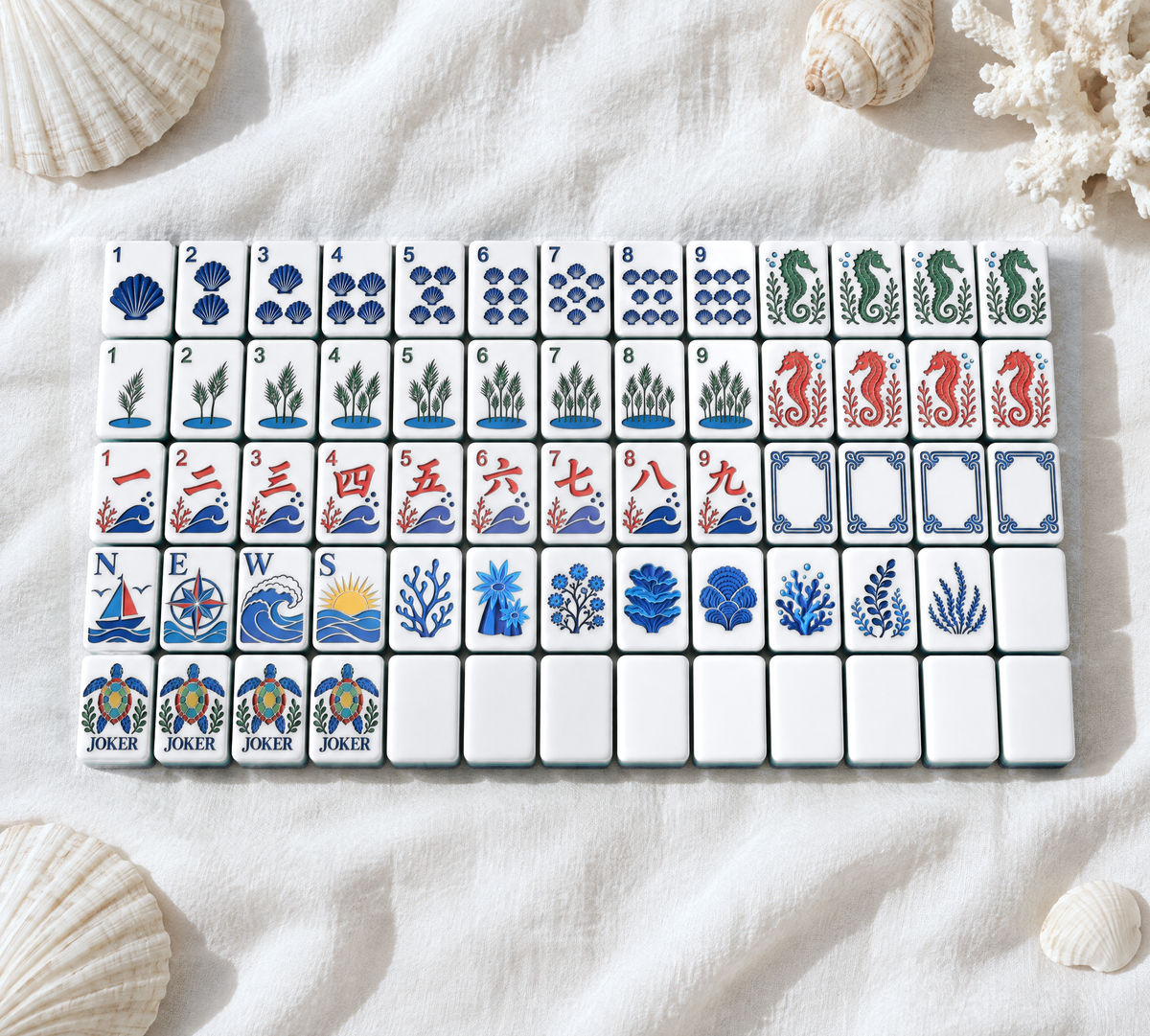
Bone and bamboo tiles are genuinely good if you value authenticity, weight, and hand-feel over speed and ease of care. Bone tiles—carved from animal bone and inlaid with bamboo or wood—offer superior tactile feedback and a heft that serious players love; bamboo tiles (carved from solid bamboo) are lighter and more affordable but less durable. Both require careful storage to prevent cracking in dry climates and demand slower play because they're heavier and more prone to chipping if shuffled aggressively. Acrylic tiles, by contrast, play faster, need no maintenance, cost less, and suit weekly home games perfectly. At Mahstead, we design engraved American mahjong sets in durable acrylic because most players—especially in Texas heat—prioritize reliability and ease over tradition. Bone and bamboo shine for collectors, tournament players seeking heritage, and those with climate-controlled storage.
Bone and bamboo mahjong tiles feel premium but need honest trade-offs. Learn durability, weight, cost, and whether they're right for your game.
What exactly are bone and bamboo tiles made of?
Bone tiles are carved from real animal bone (typically cattle or water buffalo) with inlays of bamboo, rosewood, or other wood for contrast. Bamboo tiles are cut from solid bamboo culm, often stained or carved. Both are hand-finished and feel substantially heavier than acrylic—a bone tile weighs roughly 2–3 times more. That weight creates a satisfying clack when tiles are laid and a solid, traditional sensation in your hand. Acrylic tiles, by comparison, are injection-molded from thermoplastic and weigh about one-third of bone. The feel is crisp and uniform, not organic or warm, but the trade-off is speed and durability in a weekly home game.

Do bone and bamboo tiles last longer than acrylic?
Not necessarily—it depends on use and storage. Bone tiles can crack or split if exposed to humidity swings, direct sunlight, or uneven heat; bamboo tiles are even more susceptible to warping and splitting in dry climates or heated rooms. Both require storage in stable, climate-controlled conditions (ideally 40–60% humidity, 65–75°F). Acrylic tiles, by contrast, are nearly immune to humidity and temperature changes. We've seen acrylic sets played weekly for a decade with zero damage. Bone and bamboo tiles, if properly stored but played regularly, may last 5–10 years before visible stress (micro-cracks, surface dulling) appears. In hot, dry environments like Texas summers—or in homes with forced air heating—bone and bamboo tiles need active climate management that most players skip. The practical lifespan advantage goes to acrylic for homes without dedicated storage.
🀄 Shop best-selling mahjong sets →
What's the real cost difference?
A full bone and bamboo set (160 tiles) typically costs 3–5 times more than an acrylic set. Bone sets start around the high range and scale upward for hand-carved, artisan work. Bamboo sets fall in the mid-to-high range. Acrylic sets—especially our best-selling collection—start lower and remain consistent. A Mahstead acrylic set is designed to be played weekly without anxiety over damage or replacement cost. If you host regular games, the per-play cost of acrylic is dramatically lower. For a collector or a tournament player who wants one heirloom set, bone pays off emotionally and strategically; for a home group that plays 40+ times a year, acrylic is the honest choice. The upfront savings also leave budget for a quality mahjong mat and racks with pushers that improve every game.
How does play speed change with bone vs. bamboo vs. acrylic?
Bone and bamboo tiles are slower to shuffle and deal because their weight demands deliberate movement. A hand-crafted, slightly irregular bone tile may not glide as smoothly on a mat as uniform acrylic. Building and checking your hand takes longer—which some players view as meditative, others as frustrating. Acrylic tiles are uniform, lighter, and designed for fast, smooth shuffles on any mat. A 13-tile draw and hand-build cycle with acrylic is noticeably quicker (typically 5–10 seconds faster per cycle) than with bone. If your group plays for speed or runs multiple rounds in an evening, acrylic's flow matters. If your group values ritual and contemplative pace, bone's weight feels like an asset, not a liability. Neither is objectively superior; the choice reflects your table's culture.
Tile Type | Weight Feel | Durability (weekly play) | Climate Sensitivity | Shuffle Speed | Best For |
Bone | Heavy, satisfying clack | 5–10 years if climate-controlled | Very high | Deliberate, slow | Collectors, tournament players, heritage seekers |
Bamboo | Medium-heavy, warm | 3–7 years, prone to warping | Very high | Medium pace | Budget-conscious traditionalists, stable climates |
Acrylic | Light, crisp | 10+ years, climate-proof | None | Fast, smooth | Weekly home games, hot/dry regions, busy hosts |

What maintenance do bone and bamboo tiles demand?
Bone tiles need wiping with a soft, barely-damp cloth after play—never submerge them. Store them in a cloth bag (not sealed plastic, which traps moisture) in a stable temperature zone. Avoid direct sun and heating vents. Bamboo tiles require even more care: same damp-cloth wiping, plus periodic light oiling with neutral oil to prevent cracking. Both demand checking for mold or discoloration monthly if stored in damp basements or cellars. Acrylic tiles simply need a dry cloth and any storage space; they're immune to mold, rot, and warping. If you travel with your set or play in varying climates, bone and bamboo add a 5-minute post-game ritual. Acrylic sets are grab-and-go—throw them in a travel bag or case and play anywhere without worry. For busy hosts or players who don't want maintenance stress, acrylic's zero-care appeal is genuine.
🎁 See our most-loved mahjong sets & accessories →
When should you choose bone or bamboo over acrylic?
Choose bone or bamboo if:
You play in a climate-controlled space and can commit to storage discipline.
You value authenticity and heritage; you view the set as a heirloom, not a consumable.
Your group plays slowly and values the meditative, tactile ritual.
You attend tournaments or high-level competitive play where tile weight and feel influence strategy (weight affects shuffle patterns and tile reading by touch).
You collect mahjong sets as art or cultural artifacts.
Choose acrylic (like Mahstead's engraved sets) if:
You play weekly or more in a home setting.
You live in a hot, dry climate or a humid region with unstable temperatures.
You want zero maintenance and maximum durability.
You travel with your set or play in multiple locations.
You host games for friends who range from casual to serious; acrylic absorbs the cost and care risk.
You want the freedom to customize or engrave your set without worrying about damaging a high-investment purchase.
What to check before you buy
Climate first: If your home's humidity or temperature fluctuates more than 15% seasonally, bone and bamboo are risky. Acrylic is immune.
Play frequency: More than 20 games per year? Acrylic pays for itself in durability and peace of mind.
Storage space: Do you have a stable, climate-controlled closet or cabinet? Bone and bamboo need it.
Budget for the full setup: A bone set alone is expensive; add a quality mat and racks. Acrylic allows reinvestment in accessories that improve every game.
Resale or gifting: Acrylic custom-engraved sets are easier to personalize for a specific player; bone and bamboo appeal to a narrower audience.
✨ Find your Mahstead set — free US shipping →
Bone and bamboo tiles are genuinely good—if you match them to your situation. Most weekly home players, especially in variable climates, find acrylic's simplicity and reliability a better investment. But if you're a serious tournament player, a collector, or someone with stable storage and time for ritual, bone tiles offer an authenticity and feel that acrylic can't replicate. The honest answer: both are good; the right choice depends on your climate, budget, play style, and commitment to care.

FAQ
Can bone tiles go in a dishwasher or be soaked to clean them?
No. Never submerge bone or bamboo tiles. Use only a soft, barely-damp cloth to wipe them after play, then dry immediately. Moisture seeping into the bone or bamboo will cause cracking and delamination. Acrylic tiles tolerate brief water contact, though gentle dry wiping is still best.
Why do some people say bone tiles feel "faster" to play with than acrylic?
They typically don't. Bone tiles feel heavier and play slower because deliberate movement is needed to shuffle and lay them. The confusion may stem from tournament players' preference: experienced players prefer bone's weight because it allows subtle, tactile reading of tiles by weight and sound during draws. This adds precision, not speed.
Do bone tiles crack if I play once a week?
Possibly, but not from play itself—from storage conditions. If your home has stable humidity and temperature (40–60% humidity, 65–75°F), weekly play won't crack bone tiles. But dry heat, air conditioning swings, or damp basements will. Before buying, check your storage spot's seasonal stability.
Are bamboo tiles easier to repair than bone if they chip?
No. Both are difficult and expensive to repair professionally. Bamboo cracks often splinter beyond repair; bone chips are slightly easier to refinish but still require an artisan. Acrylic tiles are nearly impossible to damage during play, so repair is rarely needed.
Can I engrave or customize bone and bamboo tiles the way I can with acrylic?
Yes, but it's expensive and risky. Engraving bone is possible but reduces its resale value for collectors and risks cracking if the bone is thin. Acrylic engraving is standard, affordable, and won't compromise durability—making custom Mahstead sets a popular choice for gifts and clubs.
If I buy a bone set, what else do I need to store it properly?
A soft cloth drawstring bag (not sealed plastic), a stable closet or cabinet away from sunlight and heating vents, a hygrometer to monitor humidity, and ideally silica packets if your climate is very dry. A travel case designed for mahjong tiles also works. Plan to check the set monthly for mold or warping.


View More
View More
View More
