
Lunar New Year Mahjong Tablescape: Set the Table Right
Last updated: Nov 23, 2026
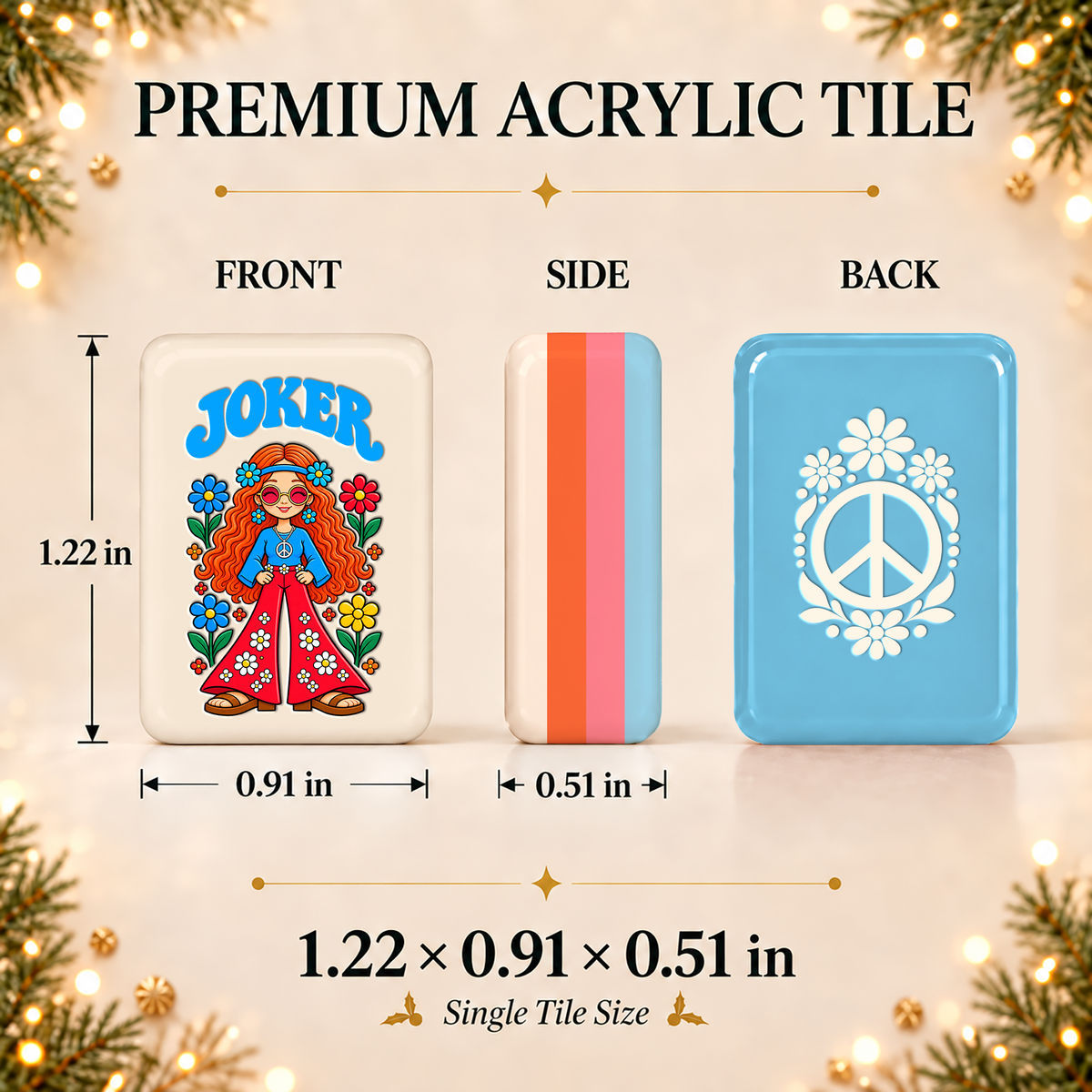
A lunar new year mahjong tablescape is a table dressed with tiles, mats, racks, dice, and decor that honors both the game and the holiday. At minimum, you need one 160-tile American mahjong set, a mat or table cover, four racks with pushers, and a pair of dice—all centered on a protected surface. Many players add seasonal colors (red, gold, jade green), flowers, and engraved pieces that echo family names or auspicious phrases. Setup takes 10–15 minutes; the game itself runs 1–3 hours per session. A quality set from our best-selling mahjong sets lasts decades. The most common mistake is crowding too many decorative items onto the mat—the tiles and racks need clear space to move freely.
What exactly goes on a lunar new year mahjong table?
A lunar new year mahjong tablescape centers on five functional layers: the table surface itself, a protective mat or cover, the tile set, four individual racks with pushers, and dice. Above the mat sits a tile wall (the "wall" of undrawn tiles), a discard area, and each player's rack. Decorative elements—incense holders, small potted plants, red envelopes, or gold coins—frame the working space without blocking sight lines or hand reach. The mat should measure at least 31 inches square for a four-player game; anything smaller creates awkward tile placement. Learn how to choose a mahjong mat for specific dimensions and material trade-offs.

Why do colors and engravings matter for the season?
Red (luck and prosperity), gold (wealth), white (purity), and jade green (health) carry cultural weight during lunar new year. Engraved tiles—with family surnames, congratulatory phrases in English or Chinese, or zodiac symbols—transform a set from generic game pieces into heirlooms. When you order an engraved American mahjong set, you're creating something your family will recognize and treasure across generations. Many households photograph their tablescape to share with relatives; a personalized set becomes part of that visual memory. Avoid overly busy patterns that distract from gameplay; a single solid color or a clean geometric border works better than competing motifs.
🀄 Shop best-selling mahjong sets →
How do you balance decor without sacrificing play?
The working zone—mat area, tile wall, discards, and four racks—must stay functional. Reserve decorative items for the perimeter: corners of the table, the spaces between players' seats, or a small side shelf. Here's a practical checklist:
Tile set: Center or slightly east of the mat.
Racks with pushers: One per player, spaced evenly around the mat for comfortable hand reach.
Dice: Placed in the center of the tile wall during the game, then moved to a holder between rounds.
Centerpiece (optional): A small vase or golden dish at the very middle, above the mat, so long as it doesn't intrude on hand room.
Perimeter items: Place candles, incense, or flowers 12+ inches from the mat edge.
Test the layout with a mock hand before guests arrive; shuffle tiles, place them on racks, and confirm no one has to lean or reach awkwardly. Mahjong racks with pushers come in varying heights and widths; choose ones that work with your table height (usually 28–30 inches).

What's the difference between a mat and a table cover for this aesthetic?
A mat is a dedicated playing surface—typically foldable, portable, neoprene or felt, with markings for the wall and discard areas. A table cover is a cloth that protects your dining table and sets a backdrop for the game but requires you to define play zones by eye. For a formal lunar new year tablescape, a mat signals "this is serious play" and stays in place for the entire evening. A table cover works if you're playing on furniture you need to use later and prefer a temporary setup.
Feature | Mat | Table Cover |
Portability | High (folds into bag) | Low (stays on table) |
Durability | 5–10 years typical | 2–3 years (daily use) |
Visual impact | Intentional, bold | Subtle, decorative |
Setup time | 2–3 minutes | 5 minutes (corners) |
Best for | Dedicated game nights | Occasional play |
For a lunar new year celebration where mahjong is the main event, a mat signals respect for the tradition and makes the night feel special.
🎁 See our most-loved mahjong sets & accessories →
How should you prep and present your tablescape to guests?
Begin setup 20–30 minutes before guests arrive. Lay the mat or cover first, smooth out wrinkles, and check the light (overhead or side lamps reduce tile glare). Open your 160-tile set and verify all tiles are present—this prevents mid-game disappointment. Arrange the four racks at equal distances around the mat, with pushers nested in each rack. Place the dice in a small holder at the tile-wall center. If you're using an engraved set, position the set with engravings facing outward so guests see the personalization immediately.
Add seasonal touches last: a vase of peonies or plum blossoms to one corner, red envelopes fanned near the mat, a small dish of candied fruits or nuts for snacking. Light incense 5 minutes before play; it should not be overwhelming. Print or display the current year's National Mah Jongg League card at each player's seat (or use a large shared card in the center). Walk the room once to ensure no chair or hand position will bump a candle, knock over a vase, or spill drinks near tiles.
Before inviting players to sit, invite them to photograph the table—this honors the occasion and creates memories.
What tiles, racks, and storage make sense for regular play?
If you host weekly or monthly lunar new year games, invest in durable pieces. A 160-tile set with high-quality acrylic or bone tiles will survive hundreds of shuffles without chipping. Four racks with pushers in matching materials (bamboo, acrylic, or wood) coordinate the look and improve handling. Store everything in a dedicated mahjong bag or case—not a generic box—so setup is fast and tiles stay protected.
For a small household group, one set and four racks suffice. For families that play across multiple tables during reunion dinners, consider two sets so no one waits. Keep new mahjong arrivals in mind each year; seasonal or limited-run pieces can refresh the tablescape without replacing your core set.
✨ Find your Mahstead set — free US shipping →
What to check before you buy
Table size: Measure your playing surface; 31×31 inches minimum for a four-player game.
Mat thickness: 1/8 to 1/4 inch absorbs shuffling noise and protects tile edges.
Rack height: 3–4 inches is typical; confirm your table height allows comfortable arm reach.
Tile material: Acrylic is durable and consistent; bone is traditional but more delicate.
Set completeness: Verify 160 tiles (152 playing tiles plus 8 spare jokers) before opening.
Engraving lead time: If ordering personalized pieces, allow 2–3 weeks; coordinate with your party date.
Storage: A padded bag protects tiles during transport and between seasons.

FAQ
Can I mix tiles from different sets on the same mat?
Not recommended. Tiles from different manufacturers vary in thickness, weight, and finish, which disrupts shuffling and feel. Stick to one set per game.
How do I keep engraved tiles legible after years of play?
Acrylic engravings resist fading better than painted tiles. Store the set in a dry place, avoid prolonged sunlight, and wipe tiles dry after play if drinks are nearby.
What's the right lighting for a lunar new year mahjong table?
Use overhead ceiling lights plus a side lamp at 40–60 watts per angle. Avoid direct glare on tile faces; players should see suits and numbers without squinting.
Should I buy extra jokers or blank tiles?
The 160-tile set includes spare jokers and blanks already. Do not add them to play—they remain backups. One set is all you need.
How long does a lunar new year mahjong session typically last?
One game averages 20–40 minutes. Most gatherings run 3–4 consecutive games (1.5–2.5 hours). Schedule 3–4 hours total to account for setup, snacks, and chat.
Can I use a mahjong mat outdoors during lunar new year?
Yes, if you anchor it against wind and keep it shaded. Neoprene mats are weather-resistant; felt mats absorb moisture. Bring the set indoors immediately after play.


View More
View More
View More
