
Blue Mahjong Starter Kit: What to Buy & Why
Last updated: Nov 23, 2026
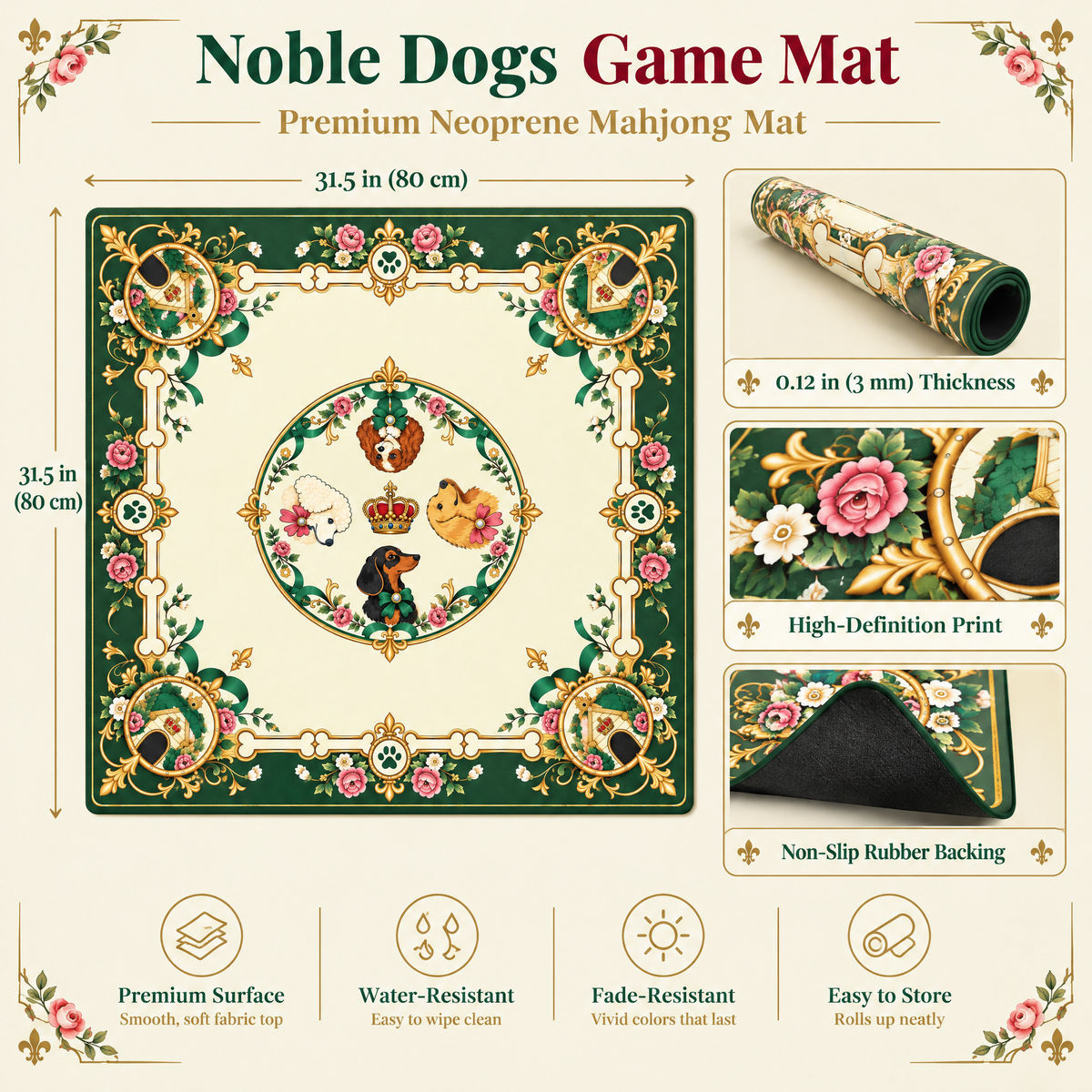
A blue mahjong starter kit bundles an acrylic American mahjong set (160 tiles: 152 playing plus spares), a felt or silicone mat with printed guides, and usually four racks with pushers. Mahstead sells best-selling mahjong sets in blue designs alongside matching mats and racks, so you can buy coordinated or mix. Standard cost spans from budget acrylic to premium engraved sets; a mat adds modest price. Avoid kits mixing variants—American mahjong rules, tiles, and hand patterns differ sharply from Chinese, Riichi, or Hong Kong versions. Choose acrylic sets (durable, loud enough for group play) over plastic, pair them with a mat that prints tile names and suit colors for reference, and ensure racks fit tile depth. Four players each need one rack; pushers help slide tiles smoothly. Kits work best for groups hosting regular games; solo or casual players often buy pieces separately. 🀄 Shop best-selling mahjong sets →
What counts as a "starter kit," and does blue color matter?
A starter kit is any bundled set of tiles, mat, and racks sold as one purchase or selected as a matching ensemble. Blue color itself carries no rule weight—it's pure aesthetics. Some players prefer blue tiles because they read tile numbers easier under certain lighting; others choose blue mats because they contrast with tile markers during rapid play. The real advantage is coordination: buying tiles, mat, and racks in one blue design means everything feels intentional and plays well together. Mahstead's best-selling mahjong sets include blue options in acrylic (the standard for group play), so you won't hunt across multiple suppliers.

How do I know if a set is truly "beginner-friendly"?
Beginner-friendly means three things: acrylic tile construction (loud enough for table play; won't chip easily), clear tile markings (suit colors and numbers readable by eye across the table), and either a printed mat guide or matching racks that hold tiles upright. Avoid resin sets marketed as premium if the lettering is tiny or gilt fades quickly. Check that all 152 tiles are present and the set includes 8 jokers. For mat choices, look for ones printing suit symbols (the bird on 1 Bam, the craks and dots clearly distinguished) so new players reference hands without stopping play. Mahjong racks with pushers matter for beginners because pushers let players expose tiles smoothly without fumbling. If you're hosting your first games, a set without racks will frustrate everyone; add them.
What's the real cost difference: budget vs. premium blue kits?
Kit Type | Who It's For | Typical Cost Basis | Key Trade-off |
Basic acrylic + simple mat | Learning the rules; casual play | Lowest entry | Tiles may be lighter; mat thinner |
Mid-range acrylic + felt mat + racks | Regular weekly players; gifts | Moderate | Standard durability; wider color range |
Engraved acrylic + premium mat + pushers | Dedicated groups; keepsakes | Highest | Personalization; lasting quality; heirloom feel |
Pricing varies widely by tile finish (solid color vs. engraved), mat material (silicone vs. felt), and whether racks are included. A basic blue acrylic set runs the lowest; adding an engraved design, a felt mat, and four racks compounds cost incrementally. Mahstead's product pages show current pricing. For beginner groups, mid-range kits balance durability and cost—acrylic tiles survive years of weekly play, and felt mats age better than cheap silicone. Premium kits make sense if you're giving the set as a gift or committing to hosting games for a decade.
🎁 See our most-loved mahjong sets & accessories →
Should I buy a pre-assembled kit or build one from pieces?
Pre-assembled kits save time: everything arrives color-matched and sized to work together. Building your own lets you prioritize (e.g., spend more on tiles, less on mat) and swap pieces later as your taste or group size changes. Most new hosts choose kits because one order means no shipping delays or mismatched racks. If you already own a mat or racks, buying just the tile set makes sense. Mahstead sells tiles, mats, and mahjong racks with pushers separately, so you can start with tiles and add mats or racks in a second order. For first-timers, a kit eliminates decision fatigue and ships ready to play.
How do I choose between acrylic, resin, and plastic for blue tiles?
Acrylic is the standard for American mahjong groups. Tiles are loud (you hear shuffles and draws), durable, and read clearly even in dim light. They don't absorb moisture and won't warp. Cost is moderate.
Resin tiles are heavier and slower on the mat—some players find them elegant for display but exhausting for a long game. They can stain from spilled drinks and chip if dropped. Premium pricing doesn't guarantee longevity.
Plastic is the cheapest but thins and cracks after a few months of regular play. Avoid unless you're testing whether your group will sustain weekly games.
For a starter kit, acrylic wins every time. It plays well, lasts years, and costs fairly. If you love the set and play weekly for two years, upgrading to engraved acrylic or resin becomes a conscious choice—not a regret.
✨ Find your Mahstead set — free US shipping →
What to check before you buy
Tile count: 152 tiles + 8 jokers is the American mahjong standard. Mahstead sells 160-tile sets (152 playing tiles plus spare tiles). Never buy a 144-tile set if you're learning American rules—hands won't match the yearly National Mah Jongg League card.
Joker count: Your set must include exactly 8 jokers for play. Spare jokers are included but never added to the game.
Mat dimensions: Mats typically measure 27"–36" across. Check your table size; a mat too small crowds four players.
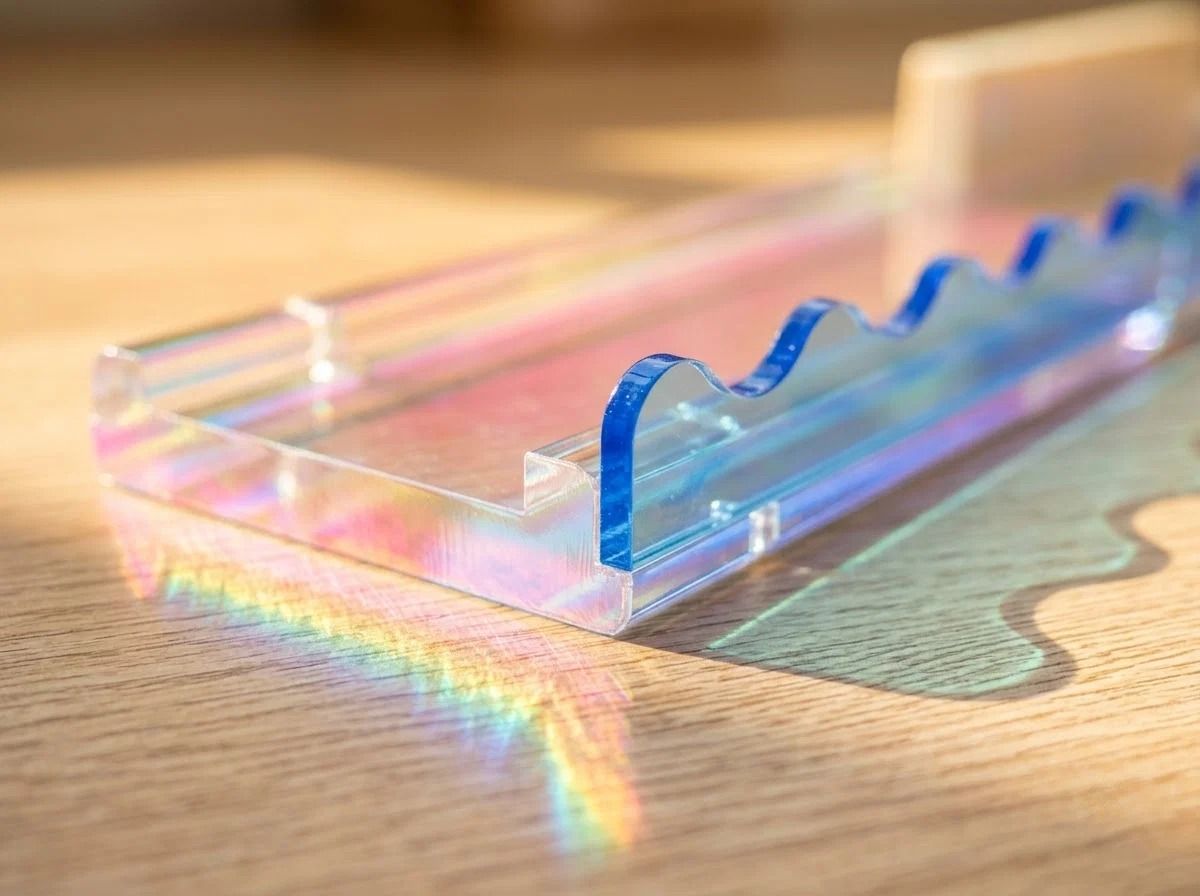
Rack fit: Before ordering, confirm tile depth (acrylic tiles are roughly 0.4" thick). Racks must hold tiles upright without gaps. Mahstead's mahjong racks with pushers are sized for standard American tiles.
Shipping lead time: Mahstead ships free across the US. Check current timelines on the product page.
Spare tiles: Extra jokers or blanks come with 160-tile sets. These are never added to the 152 tiles in play—they're replacements if a tile breaks or gets lost.
Blue tile color: practical vs. cosmetic
Blue is purely cosmetic in American mahjong rules—no hand, no scoring rule cares about tile color. From a practical angle, blue is excellent. Blue tiles often pair with black text and colored suit symbols, making them highly readable for new eyes. Blue mats don't glare under bright overhead lights the way white or cream mats do. If your host space has fluorescent or natural north light, blue tiles and a blue mat reduce eye strain during multi-hour games.
The catch: not every blue is the same. Some are navy (very dark, hard to read numbers in dim rooms), others are turquoise (bright, easy to read but may tire eyes). Before ordering, search product photos for tile close-ups or email Mahstead for a color sample. How to read the mahjong card becomes frustrating if you can't see tile numbers clearly—blue is no excuse for illegible lettering.
What happens after you unbox a blue starter kit?
When your kit arrives, follow this checklist:
Count all tiles. Lay them out by suit and type. You should have 36 of each suit (Bams, Craks, Dots), 16 winds, 12 dragons, 8 flowers, and 8 jokers = 152 tiles plus spares.
Test a rack. Slide four or five tiles into one rack. The pusher should move smoothly without jamming or leaving gaps.
Check the mat. Lay it flat and smooth out wrinkles. Read the printed guides (if any) to confirm suit symbols and wind/dragon labels match American rules.
Shuffle tiles face-down on the mat for 30 seconds. Listen for a clear, loud sound. Quiet shuffles mean tiles are too thin or plastic.
Review what's in an American mahjong set before your first game.
Assign a dealer. The dealer (usually East wind) begins drawing from the wall and sets the pace.
If a tile feels loose or a rack is cracked, contact Mahstead before your first game. They'll help resolve it fast.
Will a blue starter kit work for my specific group size?
Standard American mahjong is four players—one per side of the table. Starter kits are built for four.
Three players: Some groups play three-player mahjong with modified rules (more tiles per hand, different wall structure). A standard four-player set works, but you'll need to reference 2 and 3 player mahjong rules before your first hand and explain the changes. Most three-player groups buy one full set and leave the fourth rack empty.
Two players: Mahjong without a third player is rare and often treated as practice, not a "real" game. A standard kit will sit underused. Wait until your group reaches three or four before buying.
Five or more players: You need two or more full sets. One starter kit won't cover everyone. Consider buying one kit now and adding a second set (tiles only, or tiles + extra mats and racks) when your group expands.
For any group, confirm your player count before ordering. A four-player kit hosting a five-player rotating game is chaos.
Final checklist: is a blue starter kit right for you?
Choose a blue starter kit if:
You're hosting weekly games (not solo learning).
Your group is four players or will grow to four.
You want everything color-coordinated out of the box.
You prefer acrylic tiles over resin or plastic.
You're new to American mahjong and haven't built your own collection yet.
Skip a pre-assembled kit and buy separately if:
You already own a mat or racks.
You want a non-blue color or custom engraving.
You're deciding between American and another variant (Chinese, Riichi, Hong Kong—rules differ sharply).
Mahstead's best-selling mahjong sets let you do either: buy a full kit or pick individual pieces. Free US shipping means reordering is painless.

FAQ
Are there specific blue shades I should avoid?
Avoid navy blues so dark that numbers are hard to read under indoor lighting. Avoid pastels if your table has poor lighting. Mid-blue or turquoise works best. Request a photo or sample before ordering if you're unsure.
Can I mix a blue set with a green mat or red racks?
Yes. American mahjong has no color rules. Mix tiles, mats, and racks by preference. That said, coordinated kits look polished and feel intentional—beginner groups appreciate the aesthetic cue that everything is "official."
How long does a blue starter kit last if we play weekly?
Acrylic tiles last 5–10 years of weekly play before significant wear. Mats last 3–5 years before felt fraying or silicone staining. Racks outlast tiles. A well-kept set often outlives a casual group's commitment.
Is a blue kit a good gift for someone learning mahjong?
Yes, if the recipient has a group to play with. A kit without a game community sits in a closet. Pair the gift with an invitation to join a game. Some recipients may prefer a specific color or design—ask their group first.
What's the difference between a blue starter kit and a blue "deluxe" set?
Starter kits prioritize function and cost. Deluxe sets add engraved tile designs, premium mat materials, or decorative packaging. Both include the same 152 tiles and 8 jokers; deluxe is cosmetic and keepsake appeal.
Will Mahstead customize a blue kit with our group's name?
Mahstead offers engraved American mahjong sets. Check the mahjong titles collection for personalization options. Engraving typically appears on tile backs or mat trim.


View More
View More
View More
