
Play American Mah Jongg Online: Rules, Platforms & Live Tips
Last updated: Nov 23, 2026
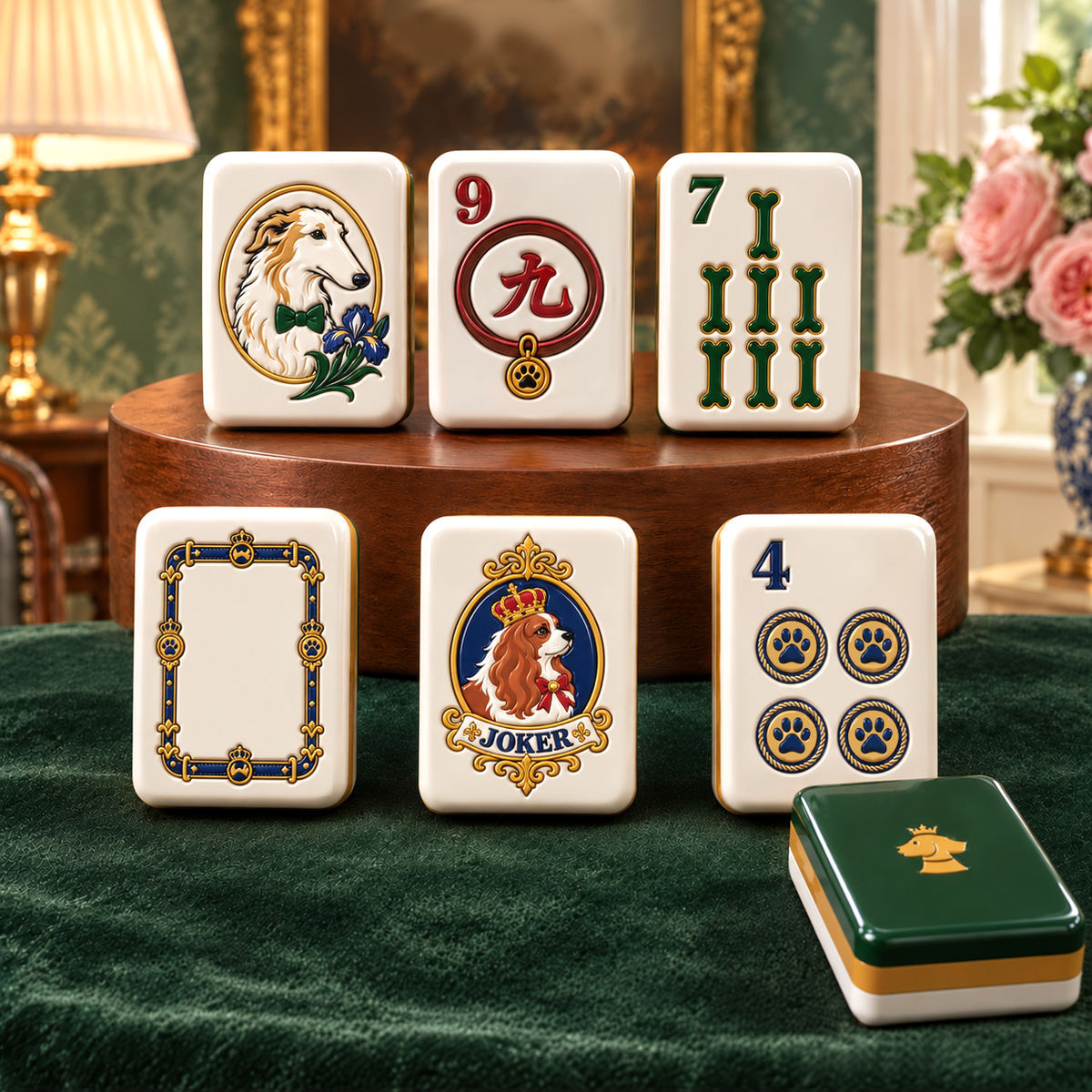
American mahjong online happens on dedicated apps and websites—chiefly Mahjong Time, Pogo, and Mahjong Solitaire platforms—where players draw from a shuffled digital pool, follow the current National Mah Jongg League card, and can chat or play silent. Online games move faster than in-person (no physical Charleston, instant tile reveals), so the core rules stay identical: form pungs, kongs, quints or sextets from one suit or the card's hand patterns, jokers substitute for any tile except pairs, and you win by matching the current year's card exactly. Most platforms charge no fee to play casually, though premium memberships unlock tournament modes. The learning curve is steeper online because you can't feel the tiles or read your opponents' faces—so beginners often struggle with pace and card-reading until they've logged 10–20 casual games. We recommend how to play American mahjong first, then jumping into a beginner-friendly app room.
Playing American mahjong online connects you to players across time zones using the same rules as a home game, but the medium changes everything: speed, strategy, and what you see. Here's what makes online play different, where to start, and how to avoid costly mistakes in your first week.
Where can I actually play American mahjong online?
Three ecosystems dominate: Mahjong Time (dedicated American mahjong, straightforward interface), Pogo (casual, social, ads-heavy), and app stores (iOS/Android titles ranging from authentic to simplified). Mahjong Time is the serious choice—players log in nightly, games follow League rules exactly, and you meet the same regulars. Pogo works if you want low-pressure social play but sometimes bends rules or simplifies tiles. Mobile apps vary wildly: read reviews carefully, check whether they use the current year's card, and test one free game before investing time. None of these charge upfront; monetization comes through optional cosmetics, ad-skipping, or premium memberships that unlock tournament brackets.

How does online play differ from your weekly table game?
The Charleston—that ritual tile-passing before play—is gone; online deals you a random hand from a shuffled pool in seconds. Play happens faster: no one fumbles tiles, no one asks "Wait, what's the next wall?", and discards appear instantly. You cannot read your opponents' faces or their hesitations (a huge tell in live play), so you rely on discard patterns alone. Calling a tile works the same way (you need the pung, kong, quint or sextet), but online systems auto-check: if you try to call a tile you can't use, the app blocks you—no house-rule debates. Most platforms disable the optional "concealed hand" mode (where you win without exposing any sets), so expect more exposed tiles and faster rounds. The game ends in 12–20 minutes instead of 45.
What mistakes do new online players make in their first week?
1. Ignoring the current year's card. Many apps don't auto-update the League card on April 1st. Start every session by checking the card date in the app settings; if it says 2025, you're playing an outdated hand library—switch rooms or platforms.
2. Misreading joker rules. Online interfaces sometimes allow jokers in pairs or single tiles (wrong). A joker must always substitute within a pung, kong, quint or sextet, and never fills a pair. If the app lets you pair-joker, it's not American mahjong.
3. Playing too fast. Your first five games, slow down. Take 10 seconds per discard to ask yourself: "Does this help the person to my left? Does it block my opponent?" Online players who know the card will punish sloppy discards instantly.
4. Not tracking melds. Online, exposed sets stack in rows. After your first few exposures, you won't remember what sets you've already called. Pause every three turns to map your hand: "I have a pung of 4 Dots, quint of 2 Craks, sextet of South—what do I need?" A pen-and-paper scratchpad beside your screen is not cheating; it's clarity.
5. Giving up after one loss. Online ratings reward volume and consistency, not perfection. Play 10 games before you evaluate your skill; one bad round teaches you less than a full session.
Which platform is best for your skill level?
Skill Level | Best Platform | Why It Works | First Step |
Beginner (never played) | Pogo or Mahjong Time beginner rooms | Slower chat, forgiving players, visible hand examples | Read the card rules, play 5 silent games first |
Intermediate (played in-person, new to online) | Mahjong Time standard rooms | Faster, serious players, accurate card, tournament ladder | Create account, join 1-2 casual games same time daily |
Advanced (200+ hands) | Mahjong Time ranked or tournament mode | Tight play, statistics, player profiles, seasonal brackets | Check live tournaments, join a "club" (group play) |
Solo practice (no opponents needed) | Any app's solitaire mode | Learn card patterns, try new hands, zero pressure | Use while watching TV; aim for 50 solitaire wins before live play |
This table assumes you already know the Charleston, joker rules, and how to read the card. If not, spend 30 minutes on how to read the mahjong card first.
🀄 Shop best-selling mahjong sets →

Why do online players call tiles differently than you expect?
Online play reveals strategy in ways your living-room game doesn't. In person, your right-hand neighbor might throw a risky tile because they're distracted or tired. Online, they're typing in chat or have played 50 games today—they're sharp. When an online player calls a tile from your discard within one second, they had the set waiting; when they pause for five seconds, they're deciding whether calling is worth blocking their win. This speed teaches you to think ahead three turns, not one turn. After ten online games, your in-person game will feel slow and your decisions more thoughtful.
What equipment helps you succeed at your online game?
You don't need a physical mahjong set to play online—a computer or phone is enough. But many serious online players keep a best-selling mahjong set nearby for two reasons: (1) they practice hand-reading during breaks, and (2) they use physical tiles to test card patterns while the app loads or during a pause. If you're going to invest in your online game, a mat and racks make solo practice sessions more fun and faster—you can flip through card patterns in two minutes instead of ten, which builds card fluency. You don't ship tiles anywhere; they sit on your desk at home.
🎁 See our most-loved mahjong sets & accessories →
How do you bridge online play back to your weekly live game?
Online teaches you card fluency and discard discipline. Live teaches you read. One complements the other. After playing online for a month, notice which card patterns you now spot in one second—those are the hands your live game was missing. Conversely, bring your in-person confidence online: if you're used to calling quick in your home game, online rooms will respect that decisiveness. Join a club or a recurring online group (many meetup boards list virtual mahjong nights) to play with the same three or four people repeatedly. Consistency matters more than platform; play the same time every Tuesday, and you'll improve faster than bouncing between apps.
✨ Find your Mahstead set — free US shipping →
What to check before you buy a platform membership or download an app
Card date. The app must display the current year's National Mah Jongg League card (2026 this spring). If it shows 2025, don't play—or ask the platform when they update.
Joker rules. Before your first paid game, play one free round and try to pair a joker. The app should block you. If it allows it, that's not American mahjong.
User base. Check peak hours on Mahjong Time (weekday evenings, weekend afternoons US time). If you see fewer than 20 players in beginner rooms, the app is dying; switch.
Refund policy. Read the terms. Most apps refund premium memberships within 48 hours; some don't. Know this before you pay.
Community tone. Play one chat-enabled game and observe how players talk after someone wins. If they're kind, stay. If they're sarcastic or insulting, the culture won't improve—leave.

FAQ
Can I play American mahjong online for free?
Yes. Mahjong Time and Pogo both offer unlimited free casual games with ads or cosmetics. Premium memberships (roughly $5–15 monthly across platforms) unlock tournaments and ad-free play, but they're optional.
Do online games use the same tiles and rules as my home game?
Rules are identical: same 152 tiles, same joker rules, same card. Online gameplay is just faster because the app shuffles and deals instantly. No Charleston, no physical wall.
What happens if I lose my internet during an online game?
Most platforms hold your hand for 2–3 minutes. If you reconnect, you rejoin the same hand. If the timer expires, you're considered passed for the rest of the round and lose points.
How do I know which online platform uses the current year's card?
Log in and check settings or the info page; it should say "2026 National Mah Jongg League card" or similar. If it says 2024 or 2025, that app hasn't updated—ask support when they will.
Is online play easier or harder than in-person mahjong?
Online is harder initially (faster pace, no reading faces) but easier long-term (you see 50 more hands per week, so card fluency builds faster). Most online players play better at-table after three months of online practice.
Can I play 2-player or 3-player American mahjong online?
Yes, but availability varies by platform. Mahjong Time offers 2–4 player rooms. Other apps may only support 4-player. Check the menu before joining; don't assume 3-player exists.


View More
View More
View More
