
Personalized Automatic Mahjong Table: Buy or Skip?
Last updated: Nov 23, 2026
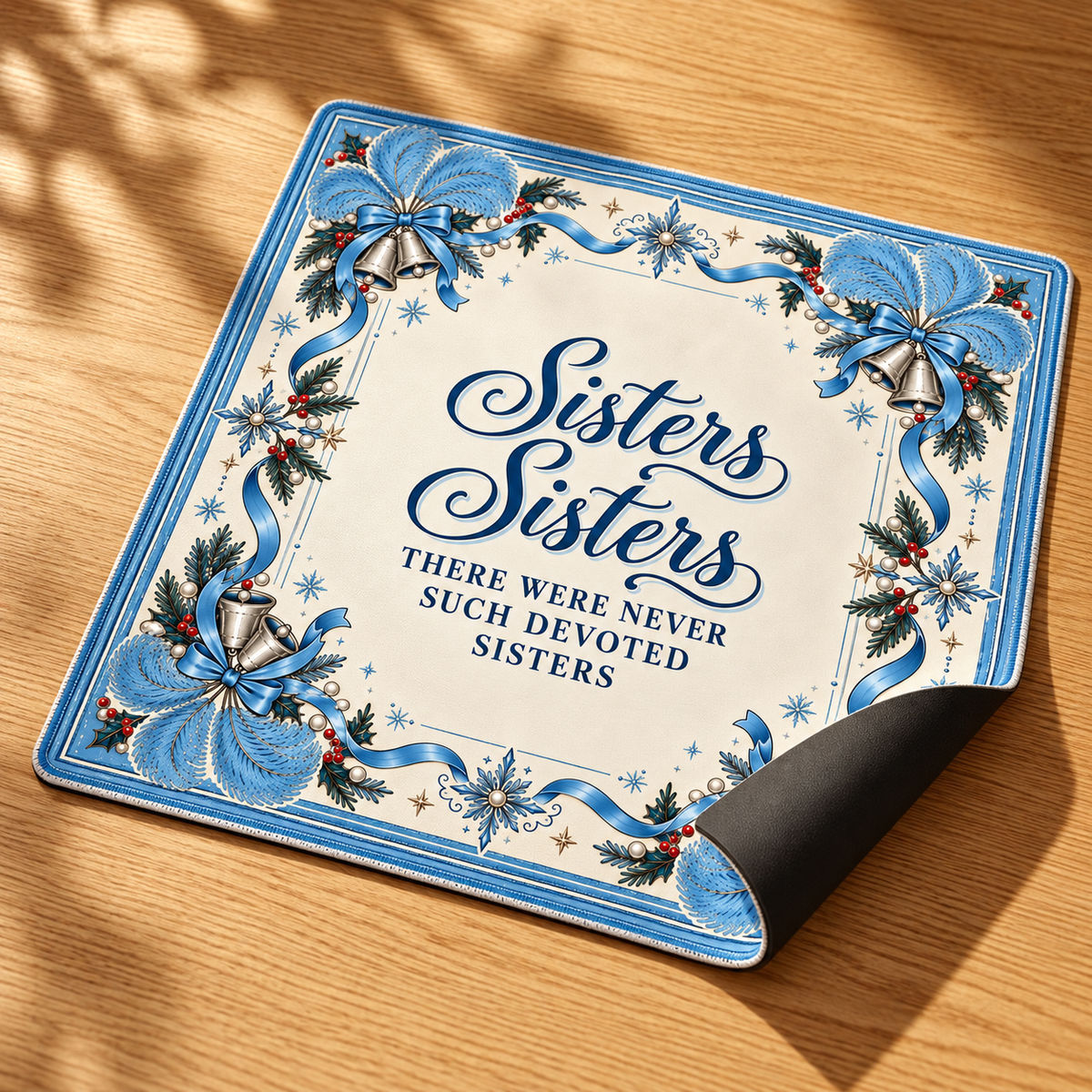
An automatic mahjong table is a motorized shuffler that mixes tiles and deals them into the four hand walls, eliminating manual shuffling. They range from compact single-unit shufflers to full built-in tables. Most home game groups don't own one; we play with hand-shuffled 160-tile sets and focus on the skill and social rhythm of the game itself. Automatic tables suit high-volume venues, tournament play, or hosts with arthritis. Before buying, verify table size fits your space, motor noise won't disturb neighbors, and whether you're solving a real problem (sore hands, slow games) or chasing convenience. A quality mat and engraved American mahjong sets often deliver better value for home play.
Who actually needs an automatic table?
An automatic table makes sense if you play 3+ games weekly, have hand-pain issues, or host tournaments. Casual players shuffling once or twice monthly won't notice the difference. We've hosted hundreds of games using hand shuffling; it takes 60–90 seconds and is part of the ritual. If you're treating carpal tunnel or arthritis, an automatic system removes real pain. If you're seeking speed, remember that hand shuffling is fast enough for social play—the game's real pace is determined by calling times and reading the card, not dealing.
What are the main types available?
Single-tile shufflers: Motor-driven chambers that randomize tiles in bulk, then you deal by hand. Compact, affordable, moderate noise.
Hand-dealt motorized tables: A table surface with built-in motors that shuffle only; you still draw and manage hands.
Full automatic tables with deal arms: Motorized dealing into four hand walls. Quieter top-of-line models, largest space and cost.
Electronic score-tracking tables: Integrate shuffling, dealing, and scoring displays. Rare in home play; common in Asia and high-end clubs.
Each type trades cost, space, noise, and setup time differently.
Automatic vs. hand-shuffled: cost and trade-offs
Feature | Hand-shuffled 160-tile set | Single shuffler | Full auto table |
Setup | ~2 min, no power needed | ~3 min, needs outlet | ~5 min, outlet + space |
Speed per game | 60–90 sec shuffle + deal | 45 sec shuffle, hand deal | 30–45 sec total |
Space required | 4×4 ft mat | 2×3 ft mat + shuffler | 5×5 ft minimum |
Noise | Silent | 20–30 dB whir | 15–25 dB (varies) |
Who it's for | Home groups, casual play | High-volume hosts, wrists | Tournament venues |
Real cost basis | One-time purchase | Modest upfront | Significant investment |
Hand shuffling is meditative. Automatic shuffling is convenient. Neither is objectively "better"—it depends on your pain level, guest count, and how you value 60 seconds of prep time.
🀄 Shop best-selling mahjong sets →
What should you check before ordering?
1. Space constraints: Measure your table depth and width. Full automatic tables often need 5×5 ft minimum; a mat + shuffler fits any 4×4 ft space.
2. Noise tolerance: Listen to videos of the model you're considering. A 25 dB motor in an apartment differs hugely from a 30 dB one; neighbor complaints are real.
3. Tile compatibility: Does the shuffler work with your tile size (standard 1.25" or 1.5" acrylic tiles)? Some shufflers jam on hand-carved jade or oversized tournament sets.
4. Power and outlet access: Automatic tables need a dedicated outlet. Extension cords and power strips under a table are fire hazards—verify placement before buying.
5. Maintenance: Motors collect tile dust and pet hair. Budget 15 minutes monthly to vacuum filters and wipe internal ramps.
6. Whether hand shuffling is actually the problem: Be honest. If your games run fine and hands aren't hurting, an automatic table is a luxury, not a solution. A quality mat with racks and pushers often improves comfort and speed more cheaply.
Better alternatives for most home players
Upgrade your mat and racks: A padded mat reduces wrist strain during shuffling and draws. Mahstead mahjong mats are designed for repeated play; the surface grip means faster, gentler tile handling.
Invest in a second set: Two 160-tile sets let one group shuffle while another group plays—realistic only for very active hosts, but cuts perceived downtime.
Streamline the Charleston: The pre-game tile pass takes 90 seconds. Practice it; it becomes automatic and actually speeds up game start.
Use a digital score app: Scoring takes longer than shuffling in most games. Apps for American mahjong free up brain space for actual play.
Train your group to shuffle efficiently: One dedicated shuffler who's practiced is faster than four amateur hands. Rotation and consistency matter.
For most weekly game nights, a hand-shuffled 160-tile engraved set, a good mat, and racks with pushers will outperform an automatic table in value and enjoyment.
🎁 See our most-loved mahjong sets & accessories →
DIY or buy: what to know about table covers vs. mats
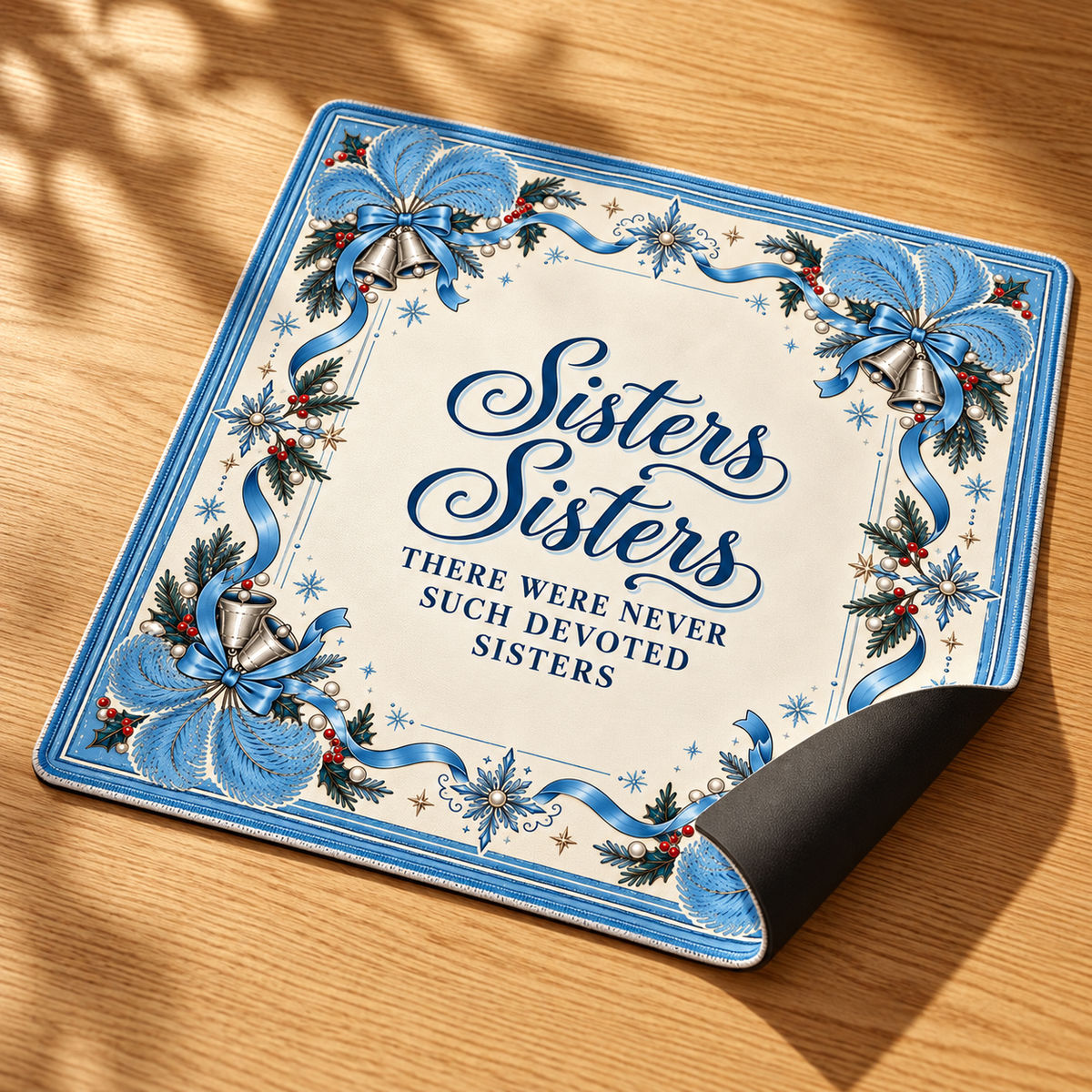
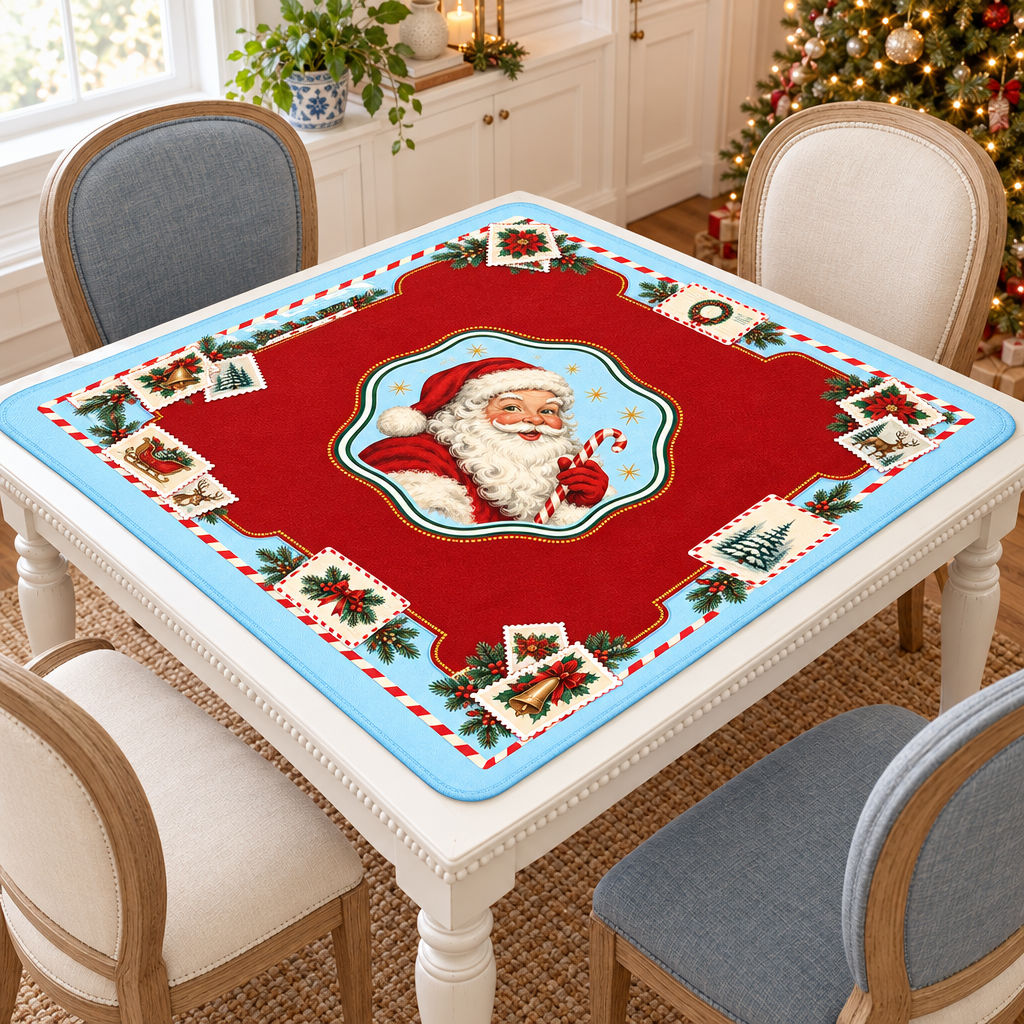
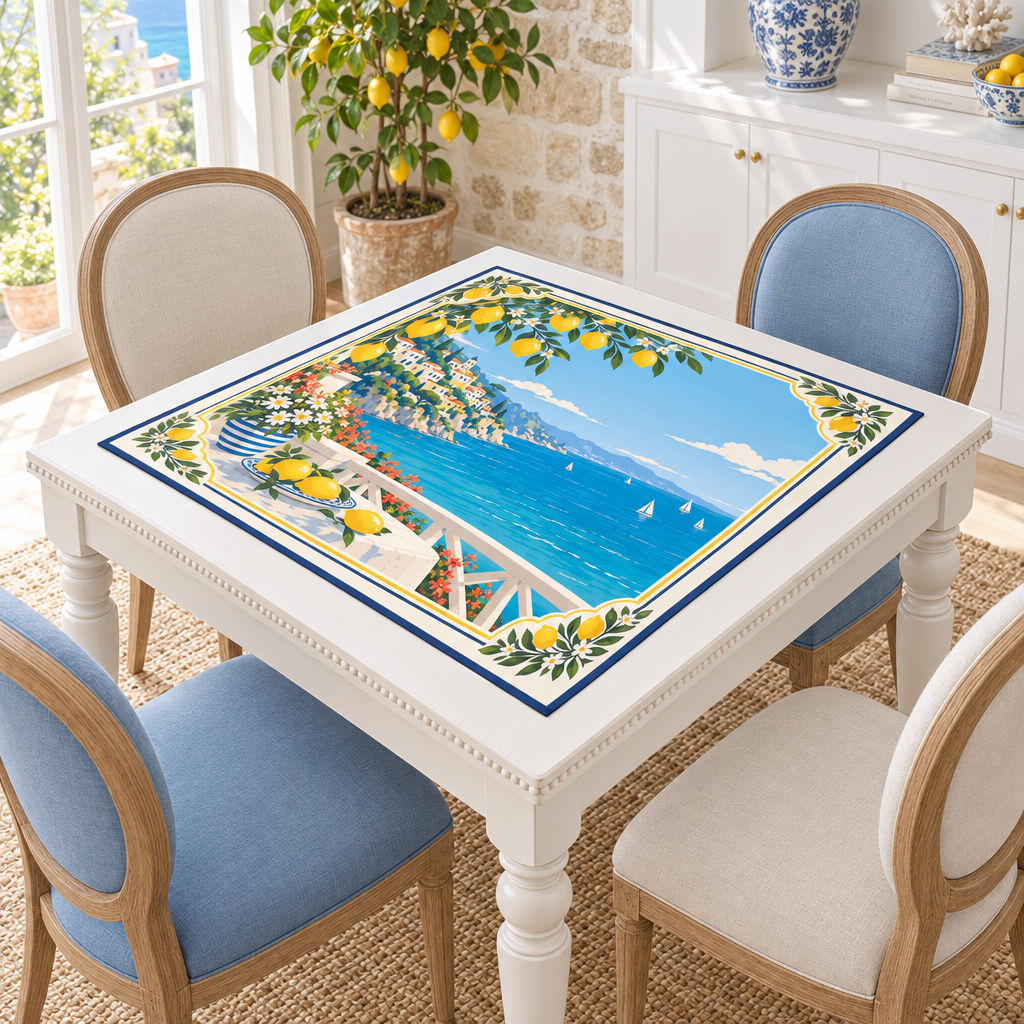
A table cover (fitted fabric) transforms any dining table into a mahjong surface but offers no tile grip or wrist support. A dedicated mat adds surface texture, hand zones, and is easier to store. We prefer mats for serious play because the surface is engineered; covers are fine for casual play or testing before buying a set. Learn the mat vs. cover difference here.
If you're considering automatic shuffling, ask yourself: "Will this solve a real problem, or am I solving the feeling that mahjong should be faster?" Speed kills the game's social rhythm. Comfort and clarity (a readable set, a good mat, organized racks) beat automation for home play almost every time.
✨ Find your Mahstead set — free US shipping →
FAQ
Can I use my current tiles with an automatic table?
Most shufflers work with standard acrylic 1.25"–1.5" American tiles. Verify the shuffler's spec sheet before ordering. Heavy jade or hand-carved sets often jam motors.
How loud is a typical automatic shuffler?
Single-tile shufflers run 20–30 dB (similar to a quiet refrigerator hum). Full auto tables are usually quieter, 15–25 dB. Test videos online before buying if you live in an apartment.
Will an automatic table make my games faster?
Shuffling takes 60–90 seconds per game. An automatic table saves roughly 45 seconds. If you play two games an hour, you gain 90 seconds total—not life-changing. The game's true pace is determined by reading time and calling speed.
Is automatic shuffling better for people with arthritis?
Yes, completely. If hand pain limits your play, a shuffler or automatic table removes a real barrier. Wrist and hand pain is a legitimate reason to invest in automation.
Do I need an automatic table if I host weekly games?
No. Hand shuffling with an organized group takes 90 seconds. If you host 2–3 games weekly, shuffling is a tiny fraction of your evening. Invest in a good mat and racks instead.
What's the real cost difference between automatic and hand play?
A 160-tile set costs a fraction of even a compact shuffler. If you're price-sensitive, hand shuffling with a quality set beats automation. Automatic tables are a convenience layer, not a necessity.


View More
View More
View More
