
Open Play Mahjong in Knoxville: Where to Find Games & Get Started
Last updated: Nov 23, 2026
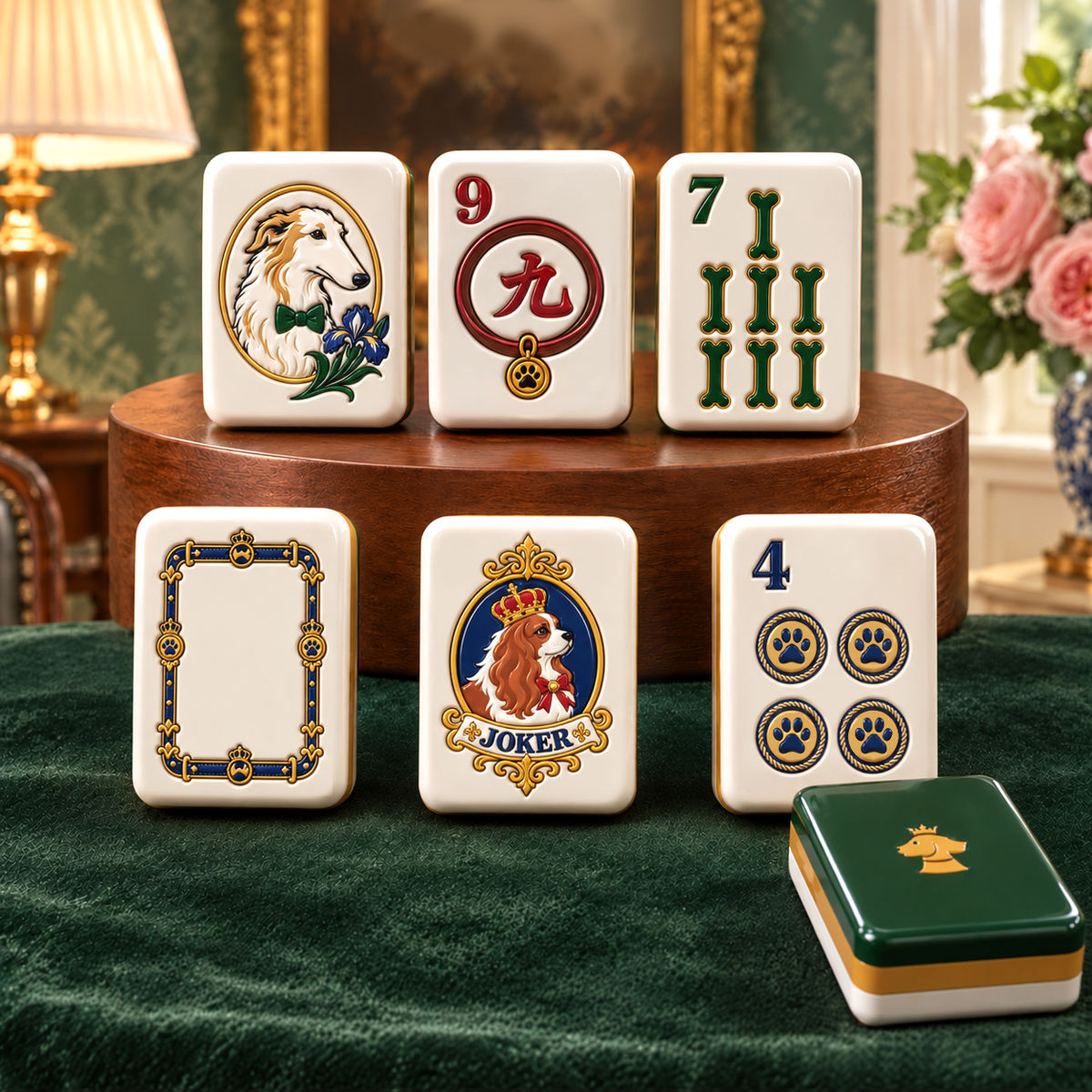
Open-play mahjong in Knoxville is typically found through community centers, public libraries, synagogue social halls, and informal meetup groups rather than dedicated storefronts or franchised clubs. Start by calling your local library or community center and asking whether they host mahjong nights or maintain a player roster; many librarians can connect you with active players. Check Meetup.com for mahjong groups in the Knoxville metro area, or post in local Facebook community groups asking where players gather. Games usually run Monday–Thursday evenings or weekend afternoons, last 2–3 hours per session, and cost nothing or a small coffeehouse cover. Most follow American mahjong rules using the current National Mah Jongg League card. Bring your own best-selling mahjong set (152 tiles plus 8 jokers), or ask the host what equipment they provide. No membership required—open play means drop-in for most groups.
How do I find an existing open-play mahjong game in Knoxville?
Start at your local public library branch or community center's front desk: staff often know which groups meet there and can give you names or phone numbers of organizers. Many Knoxville libraries host weekly mahjong mornings or evenings, sometimes free and sometimes for a small room fee split among players. Check Meetup.com (search "mahjong Knoxville" or "mahjong Tennessee") and set distance filters to 10–20 miles; you'll see whether a group meets regularly, what day and time, and whether beginners are welcome. Ask the group leader whether you need to bring your own set or whether they have spares. Post in hyperlocal Facebook groups like neighborhood or city pages; mahjong players often lurk there and will reply with meetup details. Call country clubs and adult recreation leagues in Knox County—some host evening tournaments or casual drop-in play. Don't assume you need a large, formal organization; Knoxville's best open games often happen in someone's living room or at a coffee shop on an agreed weeknight.

What rules do Knoxville open-play groups use?
Nearly all open-play groups in East Tennessee follow American mahjong rules, which differ sharply from Chinese or Hong Kong variants. American mahjong uses 152 tiles (three suits: Bams, Craks, and Dots numbered 1–9 in four copies each, plus winds, dragons, flowers, and jokers), no chows (sequences) that can be exposed or called, and hands come only from the current year's National Mah Jongg League card issued each spring. Before the first hand of each game, players perform the Charleston—a three-round tile-passing ritual—to randomize starting holdings. Each player draws and discards one tile per turn, exposed melds must be identical copies (a pung is three 5 Dots, never 3-4-5), and jokers can replace any tile in a meld but never sit as a single tile or pair. Most Knoxville groups play with house rule variations: some allow "loose jokers" (jokers discarded and picked from the table) or agree on bonus scoring for limit hands. Ask the host or a veteran player what house rules apply before you sit; American mahjong is standardized enough that you can move between groups once you grasp the core ruleset. If you're new to American mahjong, read how to play American mahjong before your first night so you recognize common melds and know when your turn ends.
🀄 Shop best-selling mahjong sets →
What equipment do I need to bring or host an open-play game?
Bring a 160-tile American mahjong set (the standard: 152 playing tiles plus 8 jokers), a place to sit comfortably around a table, and the current year's National Mah Jongg League card if you don't already know the hands by memory. Most sets include four racks (one per player) with pushers to organize your tiles, but if yours doesn't, a rack set adds organization and speeds play significantly. A mahjong mat protects the table surface and helps the wall stand upright; if the group plays at home regularly, a mat is worth the small investment. Bring dice (almost all sets include two) to determine seating and who starts the hand—this is non-negotiable in American mahjong. For a hosting checklist: one set per four players (or two sets if eight play), a place to write scores, snacks and drinks (never near the tiles), a flat table at least 36 inches square, chairs at equal height, good lighting overhead, and a printed copy of the current League card if players still reference it. If you're starting a new group, post the meeting details (day, time, address, "bring your own set or ask ahead for extras") on Meetup or a Facebook group at least two weeks early; word-of-mouth recruitment takes time, and consistent scheduling builds attendance.
Item | Why You Need It | Host or Player? |
152-tile American mahjong set | Play one hand at a time; standard for Knoxville groups | Player (bring to any game) |
Racks with pushers (4 total) | Organize tiles; speeds play and reduces fumbles | Host (most sets include) |
Mahjong mat | Protects table; helps wall stand; signals serious play | Host (optional but valued) |
Dice (2) | Determines seating rotation and who draws first | Player or host (all sets include) |
Current League card (printed or photo) | Hands change yearly; players must reference it | Host (print one; players can photo-share) |
Scorepad and pen | Track points; settle final payouts cleanly | Host |
Snacks and drinks (away from tiles) | Keeps energy up over 2–3 hours | Host or group pot |

What should a beginner know before joining an open-play group in Knoxville?
Open-play groups are far more forgiving than you might fear, but a few things prevent awkwardness. Arrive early (15 minutes) to meet the organizer, introduce yourself as new, and ask which player near you will help you avoid errors your first hand or two—experienced mahjong players expect this and usually welcome it. Tell the group you're learning; this signals that misunderstandings are honest mistakes, not rudeness. Study the Charleston (the tile-passing ritual before play begins) before you go—if you mess it up, players just redo it quietly. Never announce "mahjong" (win) unless you are certain; incorrect announcements frustrate the table. Keep your tiles neatly ordered by number and suit, and call out melds clearly when you expose them ("pung: three 5 Craks"). Don't pick up discards unless you're certain you'll use them in a meld; hesitation wastes time. Most important: American mahjong is a four-player game, and one missing player ruins the evening—if you commit to a group, show up consistently or give a day's notice. If a group feels cliquey or unwelcoming after one visit, try another; Knoxville has room for many play styles. New players who show respect for the game and punctuality are always invited back.
🎁 See our most-loved mahjong sets & accessories →
How do I start my own open-play mahjong group in Knoxville?
Pick a day and time (Tuesday or Thursday evenings, 6:30–9 p.m., or Saturday morning, 9 a.m.–noon, are easiest to remember) and a fixed location that fits six or eight players comfortably—your dining room, a quiet corner of a coffee shop, or a community room you can book or borrow. Recruit your first four players by word-of-mouth: tell friends, post on Meetup or Facebook, and offer to teach anyone interested in learning. Your first night will be half teaching, half playing; print one copy of the current National Mah Jongg League card and one copy of the Charleston steps for each player to take home. Ensure everyone has a set or agree to rotate ownership (someone brings all equipment each week, or you invest in a shared set stored at the venue). Set a house rule on scoring: casual groups often play for love (no money) or a small entry fee (examples: break-even on coffee or a shared snack fund). Consistency matters more than size; four regular players every Tuesday beats ten irregular players who cancel. Once you've run four weeks without drama, mention the group on Meetup or in community Facebook groups; players will find you. New groups that make beginners feel safe and keep a clean, organized table grow fastest. If you want a mahjong mat to signal permanence and ease table setup, that's a one-time expense that pays dividends in group morale.
What to check before you buy or bring a set:
Tiles are engraved clearly and don't fade after normal handling (avoid cheap plastic).
All 152 tiles present plus 8 jokers; count before your first game.
Racks and pushers fit comfortably in your hands and aren't cracked.
Dice roll smoothly and show all six faces.
Carrying bag fits everything and zips securely; you'll carry this weekly.
You own the current year's National Mah Jongg League card (buy from the League or ask the host for a photo).
✨ Find your Mahstead set — free US shipping →

FAQ
Can I play American mahjong with just three or two players?
Yes, but it requires modified rules. Standard American mahjong is designed for four players, but two- and three-player variants exist with different hand lists and wall construction. Ask your group organizer whether they rotate players or run shortened games; most Knoxville open-play groups stick to four-player games and wait for a fourth if someone is late.
Do I have to pay to join a Knoxville open-play group?
Most open-play groups are free or charge a tiny amount (under a few dollars) to cover coffee, snacks, or room rental. Never pay a membership fee to an informal group; if someone demands monthly dues, it's not open play. Libraries and community centers typically don't charge beyond their general use fee, which you may already pay as a resident.
What if I don't own a mahjong set yet?
Ask the host whether they have a spare set you can use your first visit. If you play regularly, invest in your own 160-tile set so you're never dependent on borrowed equipment and you can practice at home. Most players own one set and bring it to group every week.
How long does a mahjong game take?
One hand takes 10–15 minutes once everyone is experienced; a typical evening of four to six hands lasts 2–3 hours. Beginner hands take longer because players reference the card more often. Most Knoxville groups play for a fixed duration (e.g., 6:30–9 p.m.) rather than a set number of hands.
What's the easiest way to learn the National Mah Jongg League card?
Don't try to memorize it. Print a copy and keep it face-up during your first 5–10 games. After you've seen the most common hands (pairs, pungs, Kong patterns), recognition becomes automatic. Every player references the card sometimes; it's not cheating.
Should I join a group that plays for money, or is "for love" better for beginners?
Casual groups that play for love (no payouts) are lower-pressure and better for learning, but money games can be friendly too. The deciding factor is respect and pace: if everyone plays fairly, settles scores quietly, and doesn't rush you, either works. Avoid groups where players drink heavily or argue about payouts.


View More
View More
View More
