
Blue Mahjong Accessories: Sets, Mats & Racks Compared
Last updated: Nov 23, 2026
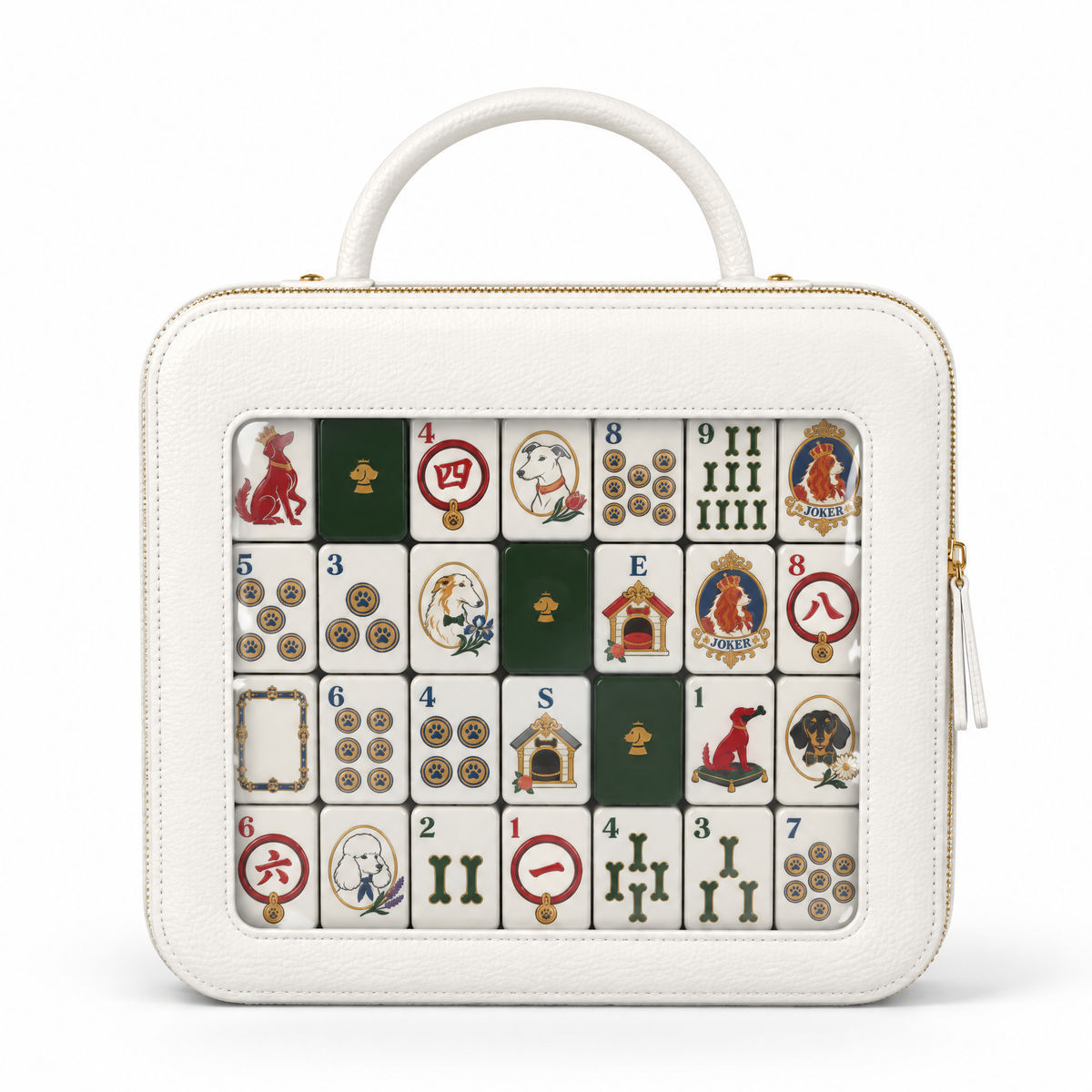
Blue mahjong accessories—from acrylic tile sets to matching mats, racks, and bags—are chosen for aesthetics, durability, and play comfort. American mahjong sets require exactly 152 playing tiles plus 8 jokers, so when buying a blue set, confirm it's built to that standard; many blue options come in 160-tile configurations with spare jokers and blanks for backup. Accessories like mats protect your table and organize your tiles during the Charleston and mid-game passes; racks with pushers let you manage tiles one-handed and work with any color scheme. Blue is popular for modern aesthetics and table visibility. Prices vary by material (acrylic vs. jade-effect plastic), engravings (titles, names, art), and bundling; our best-selling collection includes blue options at multiple price points, all with free US shipping. 🀄 Shop best-selling mahjong sets →
Why choose blue for your mahjong game?
Blue tiles stand out under overhead lighting and reduce eye strain during long sessions—a real advantage if your game runs four hours or more. The color doesn't interfere with suit recognition (Bams, Craks, Dots) because the pips are printed in black or red, so tile identity stays clear. Blue also pairs well with neutral décor and photographs better than pale or muddy tones for tournament or casual snapshots. Choose blue if visibility and modern aesthetics matter more than traditional colors like ivory or classic jade.

Acrylic vs. plastic blue tile sets: What's the difference?
Acrylic sets are heavier, denser, and produce a sharper tile-on-tile click during draws and discards—most serious weekly players prefer this feedback. Plastic sets are lighter, quieter, and less prone to scratching if tiles brush against each other frequently. Acrylic holds engravings (names, titles, art) with crisp detail because the material is harder; plastic engravings may look softer or fill in over time with play. For a first-time buyer, acrylic blue sets feel more "official," but plastic works fine if you play casually or travel monthly. Both meet American mahjong standards when properly manufactured with 152 tiles + 8 jokers.
How to match a blue mat to your set and play style
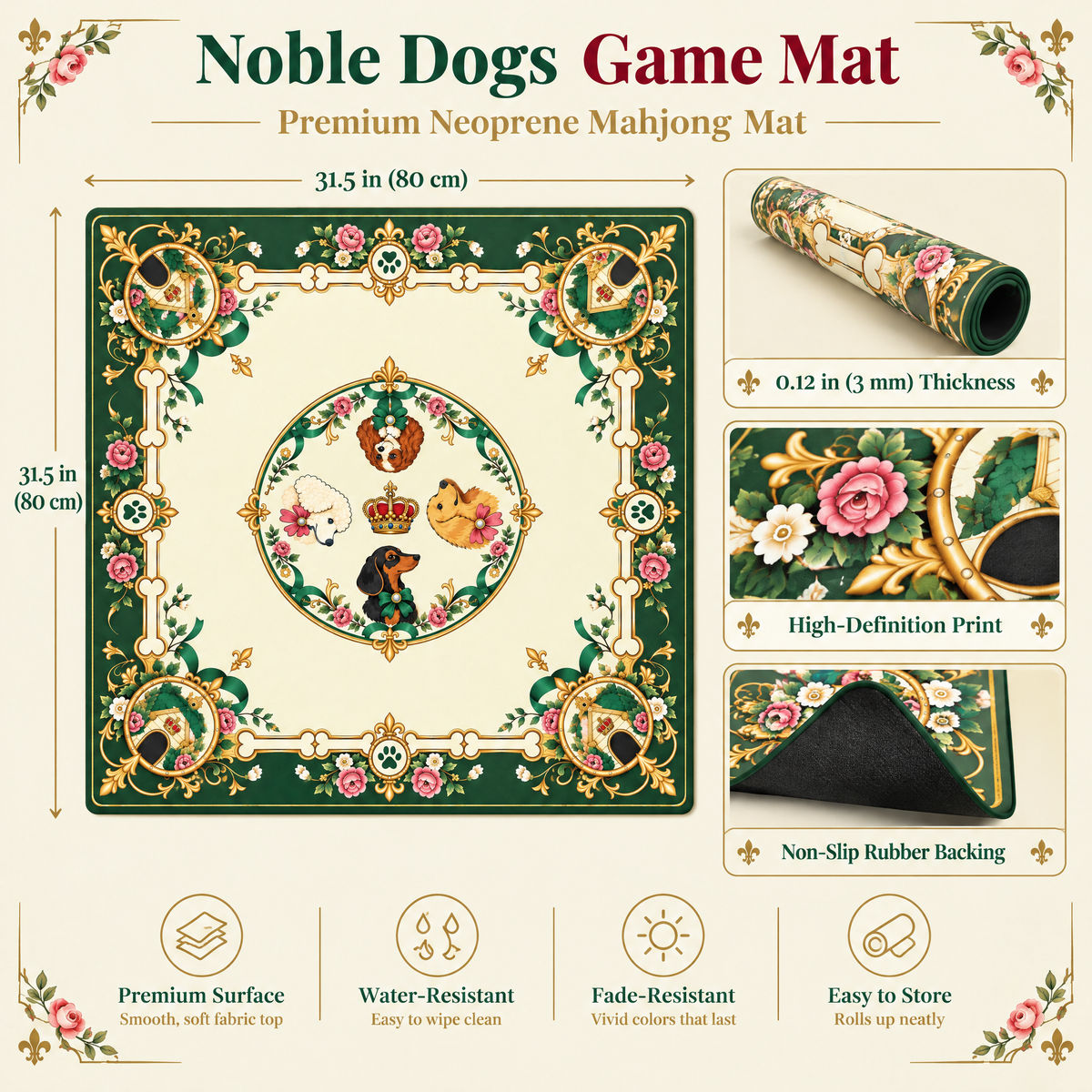
A blue mat serves three functions: it protects your table from tile wear, muffles tile noise for neighbors, and creates a uniform play surface so tiles slide smoothly. Mats range from fabric-topped (soft, absorbent) to neoprene-backed (durable, washable). Measure your play table first—most mats come in standard sizes (roughly 2' × 2' to 4' × 4') and won't fit smaller card tables. If your blue set has solid-colored tiles with simple engravings, a plain blue mat stays quiet; if your tiles have bold multi-color artwork, a contrasting mat (cream, gray, or black) makes the tiles stand out. Explore mahjong mats to see current sizes and fabric options.
🎁 See our most-loved mahjong sets & accessories →
Blue racks and pushers: Do you need them?
Racks are slotted stands that hold your 13 tiles upright so you can see all your hand at once; pushers are thin sticks that slide tiles into the rack without fumbling. Blue racks in wood, acrylic, or bamboo coordinate with your tile set. Pushers reduce mis-melds because you confirm your hand before drawing; they also speed up plays with arthritic hands or if you're managing 13 tiles one-handed. If you play weekly, a rack-and-pusher pair is worth the investment; casual players or those with excellent hand strength can skip them. Learn about racks with pushers for setup and best practices.
Travel bags and cases: Protect your blue set on the go
A reinforced bag with shoulder strap or handle keeps your blue set, mat, and accessories in one place for games at friends' homes or clubs. Bags vary: soft canvas for light protection, hard cases for frequent transit. Check the bag's inner dimensions before buying—if your set box is 10″ × 4″ × 3″, the bag must have at least that space plus wiggle room. A blue bag or case that matches your tile set looks polished and makes setup quick at a new venue. Compare bags and cases to see which fits your travel frequency and budget.
✨ Find your Mahstead set — free US shipping →
Comparison table: Blue set & accessory bundles
Bundle type | Who it's for | Includes | What to know |
Set only | Solo buyers, players with existing mats/racks | 152 tiles + 8 jokers in set box | Verify 160-tile configuration; check tile weight and engrave design before ordering |
Set + mat | Weekly hosts or outdoor players | Tiles, carry box, play mat | Confirm mat size fits your table; mats need occasional washing |
Set + mat + rack | Serious players, larger hands | Tiles, mat, 1 or 2 racks + pushers | Rack fits all players if adjustable; store pushers in box to prevent loss |
Set + mat + rack + bag | Tournament players, frequent travelers | Full bundle | Check bag weight capacity; test zip closures on first use |
What to check before ordering blue accessories
Tile count: Confirm the set includes 152 playing tiles + 8 jokers (standard American). Sets marked "160-tile" have spare tiles; that's normal and beneficial.
Material feel: Read descriptions carefully—acrylic sounds different from plastic, and that matters if you're used to a specific click or play pace.
Mat dimensions: Measure your table's width and depth; many mats fit 3-player setups poorly if your table is narrow.
Engravings: If you want names or titles on tiles, verify the engraver's font and character limits before checkout.
Bag interior space: Take a photo of your set's box and compare its dimensions to the bag's listed capacity.
Racks and pushers compatibility: If ordering a rack separately from a set, confirm both are acrylic or both are wood for visual cohesion.
Real-world example: Building a blue set-and-mat combo
You host every Thursday and want a cohesive blue look. Buy an engraved American mahjong set in blue acrylic with your group's name on the box or a few high tiles. Pair it with a blue fabric-topped mat in a size that fits your dining table (most hosts use 3' × 3' or 4' × 4'). Add a mahjong rack in matching blue acrylic for each player (cost varies, but ordering multiples often reduces per-unit expense). Store everything in a blue canvas bag. When friends arrive, setup takes 10 minutes: mat down, racks out, shuffle tiles, pass the bag to the side table. The uniform blue aesthetic signals a serious, well-organized game, and your table photographs beautifully for group texts or holiday cards.
Mistakes to avoid when buying blue mahjong accessories
Forgetting spare jokers. If you lose a joker mid-season, a 160-tile set with spare jokers keeps you in play. Buying a 152-tile set leaves you short if damage happens.
Underestimating mat wear. Blue fabric mats fade and stain faster than dark or patterned ones under coffee, wine, or direct sunlight. Budget for replacement every 2–3 years if you play outdoors or in bright rooms.
Mixing material styles. A blue acrylic set with wooden racks and a neoprene mat looks chaotic on camera and feels mismatched during play. Stick to one material family (all acrylic, all wood) for polish.
Oversizing or undersizing a bag. A bag that's too small forces you to leave racks or tiles at home; one that's too large becomes bulky to carry. Measure twice before ordering.
Buying before you play. If you're new to American mahjong, rent or borrow a set from a club or friend first. Blue is lovely, but if you later realize you prefer a different color, tiles, or style, you've locked in a choice. Learn how to play American mahjong to confirm the game fits your group before investing in custom accessories.
All our blue sets include free shipping across the US. Because tile and mat choices are personal, we recommend checking the detailed photos and material descriptions on each collection page—what looks right to one player may not suit another's table or hand feel. Order early if you need engravings; turnaround varies by design complexity.

FAQ
Can I use a blue mat with a non-blue tile set?
Yes—mats are purely functional and aesthetic. A blue mat works with any tile color; many players mix because their mat comes from a previous set or a gift. Choose based on your table and color preference, not tile coordination.
What size mat do I need?
Most dining tables fit a 3' × 3' or 4' × 4' mat. Measure your table's usable play surface first—if seating four people with elbows out, you'll need a mat that covers the center 2–3 feet on each side. Odd-shaped or small tables may need custom sizing or layering.
Do blue acrylic tiles stain or discolor over time?
Acrylic is resistant to staining if wiped clean after play. Avoid leaving tiles in direct sunlight for months, as UV exposure can fade the top layer slightly. Blue pigment holds better than lighter shades like ivory or pale jade.
Is a 160-tile set better than 152-tile?
A 160-tile set includes extra jokers and blanks for backups—useful if a tile cracks or you lose a joker. Both play identically; the spares stay in the box and never enter the game.
Can I mix blue racks from different makers?
Yes, if they're the same material and approximate size. American mahjong racks are fairly standard, but confirm dimensions and slot width before combining; a wobbly or mismatched rack slows down tile management.
What's the easiest way to store a blue mat?
Roll it loosely (don't crease) and store upright in a closet or under a bed. Folding it long-term can cause creases that catch tiles during play. If you store flat, use a plastic storage bag to keep dust off.
Do I need a pusher if I have a rack?
Pushers speed up tile placement and reduce mis-melds, but they're not essential—many experienced players hand-place tiles into racks smoothly. If you or a player has dexterity concerns, a pusher is a cheap, worthwhile investment.
How do I clean a blue fabric mat?
Vacuum gently or brush with a soft brush to remove dust. For stains, spot-clean with a damp cloth and mild soap; air-dry completely before rolling. Avoid machine-washing unless the tag specifies it, as neoprene backing can delaminate.


View More
View More
View More
