
Modern Mahjong Tiles: What to Choose for Your Game
Last updated: Nov 23, 2026
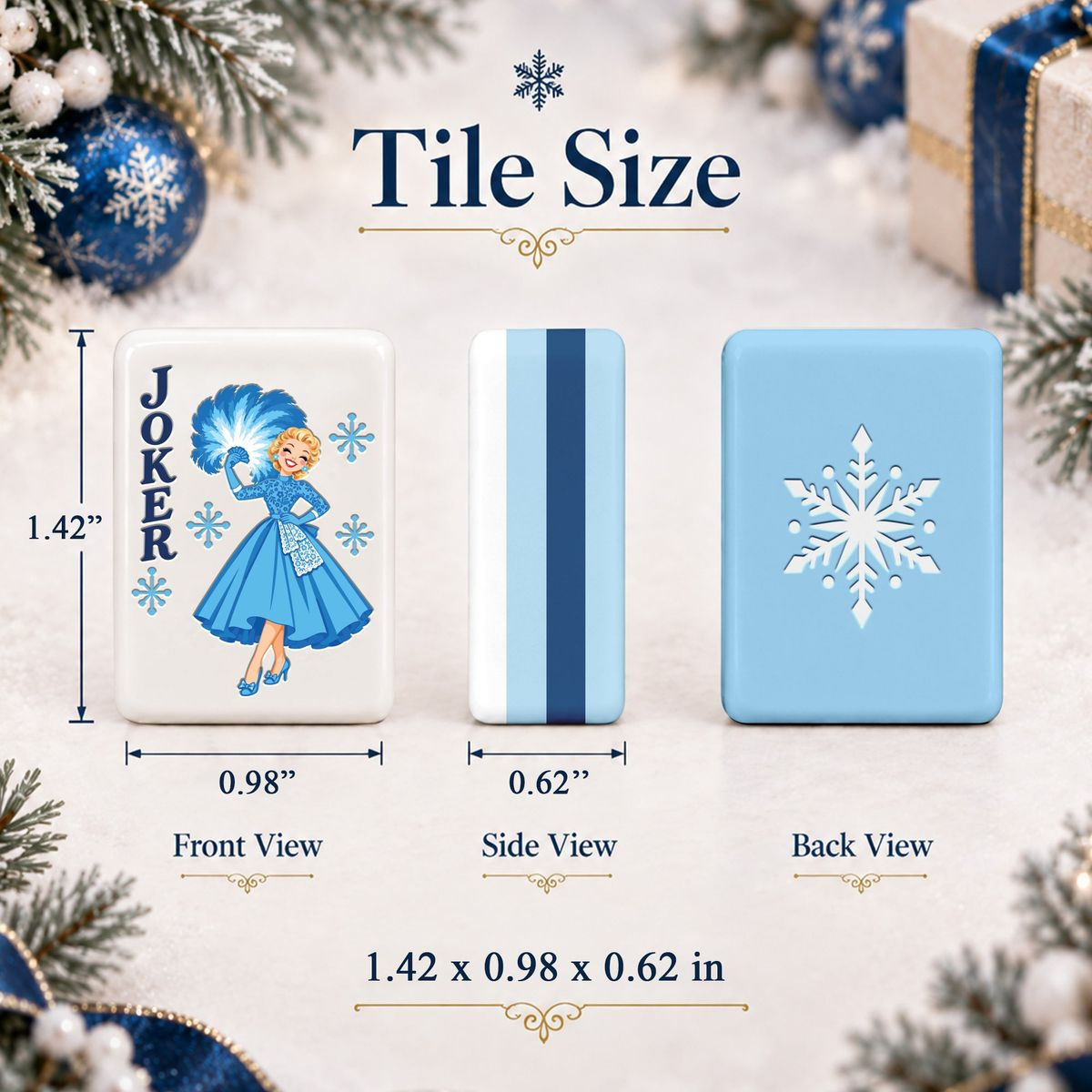
Modern mahjong tiles today are almost always acrylic—durable, loud enough to hear shuffles across the room, and available in custom designs. We play with 160-tile sets (152 playing tiles plus spares) made from cast acrylic or molded acrylic, each with trade-offs: cast acrylic tiles are heavier and hold engraving crisply, while molded versions are lighter and faster to produce. Tile size matters: standard tiles are roughly ¾ inch square; jumbo tiles run ⅞ inch or larger, better for aging eyes or hands. Engraved sets—with your initials, a monogram, or decorative patterns—cost more upfront but become treasured gifts and table staples. Mahstead offers custom-engraved American mahjong sets in acrylic, shipped free across the US, with racks, mats, and cases to match. Avoid sets lighter than 3 oz per tile or tiles without clear suit symbols; they won't last a season.
🀄 Shop best-selling mahjong sets →
What makes acrylic tiles better than plastic or bone?
Acrylic tiles outlast plastic by years and cost far less than genuine bone or bamboo. Plastic warps, fades, and loses its weight after heavy shuffling; acrylic stays true. Bone is beautiful but fragile, yellows over time, and demands hand-washing. Cast acrylic—solid from edge to core—absorbs neither stains nor humidity shifts, so tiles stay calibrated for fair draws. We've played weekly for years on the same acrylic set without a cracked tile or faded symbol. Acrylic also lets you customize: we engrave initials, dates, logos, or decorative borders into the tile face or back. This is why acrylic dominates modern American mahjong tables.

Should you choose standard or jumbo tile size?
Standard tiles (¾ inch) fit most racks and hands comfortably; jumbo (⅞ inch or larger) ease reading for players over 65 or those with vision or fine-motor limits. Jumbo tiles don't fit older wooden racks designed for standard; they're heavier, louder, and take up more table space. If your group includes players squinting at symbols or fumbling shuffles, jumbo is worth the upgrade and the cost. Standard works for younger groups or players with no vision concerns. Most best-selling sets come in standard; check the product listing to confirm size before ordering.
What's the difference between cast and molded acrylic?
Cast acrylic is poured into molds and cured slowly, producing denser, heavier tiles that feel substantial in hand and hold engraving detail sharply. Molded (injection-molded) acrylic is compressed into shape under heat and pressure, yielding lighter tiles that shuffle faster and cost less to produce. Cast tiles weigh 3.2–3.8 oz each; molded run 2.8–3.4 oz. Cast acrylic feels premium and sounds richer when shuffled. Molded acrylic is practical, affordable, and still outlasts plastic by a mile. If you're gifting or keeping tiles for decades, cast acrylic justifies the price. For casual weekly play, molded works perfectly fine.
How does engraving affect tile durability and appearance?
Engraved tiles—etched with initials, dates, or patterns on the back or top—wear no faster than plain tiles. The engraving sits in the surface and doesn't weaken acrylic's core. Over years, deep engravings may accumulate dust or slight shine loss in the groove, but the tile plays identically. Engraving makes tiles unmistakably yours and adds a personal touch that increases the set's shelf life: people keep engraved gifts much longer than anonymous ones. We've seen engraved sets stay in family rotations for 15+ years. The trade-off is a longer lead time for custom orders and a higher unit cost. If you want a set that reflects your table's personality or marks a milestone (anniversary, family name, winning hand), engraving is worth it.
What design styles work best for your table?
Design choices fall into three camps: classic (solid colors, minimal symbols), decorative (floral, geometric, or themed borders), and text-heavy (names, dates, logos). Classic sets suit tournaments and formal groups; they distract no one and match any décor. Decorative designs appeal to gift-givers and players who treasure aesthetics—they're memorable and spark conversation before play begins. Text-heavy sets (like monograms or team names) work brilliantly for corporate groups, clubs, or family commemorations. Our pick: start with a classic or lightly decorative design if you're new to engraving; they age gracefully and resell or gift easily. Extremely niche designs (inside jokes, tiny fonts) limit the set's appeal beyond your current circle.
Tile Design | Best For | Lead Time | Aesthetic Vibe |
Solid color, no engraving | Weekly casual play, fast reorders | 1–2 weeks | Clean, timeless |
Monogram or initials | Personal gift, family set | 2–4 weeks | Elegant, distinctive |
Decorative border (floral, geometric) | Special occasion, long-term keeper | 2–4 weeks | Warm, celebratory |
Logo or text (team, club name) | Corporate, club, or group identity | 2–4 weeks | Professional, commemorative |
Custom multi-color design | High-budget gifts, show pieces | 4–6 weeks | Artistic, unique |
🎁 See our most-loved mahjong sets & accessories →

What to check before you order modern mahjong tiles
Material: Confirm it's cast or molded acrylic, not plastic or resin. Acrylic will outlast and hold engravings.
Tile count: 160-tile sets (152 playing + spares) are American mahjong standard. Never buy a set with fewer tiles unless you're playing a non-American variant.
Size: Confirm standard (¾") or jumbo (⅞"+). Check your existing racks; jumbo won't fit older wooden racks.
Weight per tile: Should be 3.0–3.8 oz. Lighter tiles shuffle faster but may feel cheap; heavier feel premium but can tire hands on long nights.
Suit symbols: Bams (sticks), Craks (circles), Dots (dots) must be clear and distinct. Test under table lights if you can; dim lighting reveals poor symbol design.
Engraving quality: If custom-engraving, request a digital proof or sample before final order. Tiny fonts and fine lines may blur or fill in during production.
Shipping & packaging:Mahstead ships free across the US and packs sets in padded boxes; confirm this before buying elsewhere.
Warranty or return policy: Ask if tiles are guaranteed against defects or if you can return for wrong size/design within 30 days.
How to pair modern tiles with racks, mats, and cases
Your tiles are only part of the table. We keep our modern acrylic sets protected with coordinated mats, racks with pushers, and travel bags. Mats—felt or fabric, usually 26×26 inches—muffle tile noise, grip shuffles, and define play space. Racks (bamboo or plastic, 8–10 inches long) hold 13 tiles per player and must accommodate your tile size; jumbo tiles need wider racks. Pushers—small sticks—help position tiles neatly and save hand strain. A padded bag or case protects engraved tiles during transport and storage; we recommend reinforced canvas or nylon over thin fabric. If you're buying your first modern set, start with a basic mat and racks; add a case when you play outside home.
✨ Find your Mahstead set — free US shipping →
Why modern tiles feel different from vintage bone sets
Modern acrylic tiles are louder, slide faster on mats, and feel cooler to the touch than bone or bamboo. Bone develops a warm patina over decades; acrylic stays uniform. Acrylic never cracks like old bone, never warps like wood, and never stains like unfinished material. Many of us miss the heft of old bone sets, but we gain consistency, durability, and affordability. If you've only played on vintage sets, your first night on modern acrylic tiles may feel jarring—expect a louder shuffle and faster draws. By game two, most players prefer the reliability.
What makes a modern mahjong tile worth the cost?
Price varies widely: basic molded acrylic sets cost less than premium cast sets with engraving. You're paying for material density (cast > molded), customization (engraving adds 15–40% to base price), and tile size (jumbo costs 5–10% more). Shipping, packaging, and design labor also factor in. A solid, plain cast acrylic American set runs roughly 1.5–2× the price of molded, and engraving adds another 25–50% on top. Is it worth it? If you play weekly, yes—your tiles will outlast a cheap set by 5–10 years, and you'll enjoy the feel every time you shuffle. If you play once a month, a basic molded set makes sense and frees budget for a nicer mat or racks. Compare tile weight, reviews, and what comes in the box (does it include a mat? racks? case?). Mahstead's custom sets include engraving and free shipping; check the product page for exact configuration and current pricing.
Common mistakes when buying modern mahjong tiles
Mistake 1: Buying a 144-tile or 166-tile set for American mahjong. American games require exactly 152 playing tiles (160-tile sets have 8 spares). Deviating breaks the game's math. Always confirm 160-tile count and American configuration.
Mistake 2: Choosing jumbo tiles without confirming rack fit. Older wooden racks are sized for standard tiles. Jumbo tiles wedge, crack, or won't fit. Measure your racks or buy new ones before ordering jumbo.
Mistake 3: Ordering custom engraving without a proof. Tiny fonts, intricate logos, or misspelled names often ship before you catch them. Request a digital preview or sample tile.
Mistake 4: Ignoring tile weight and assuming heavier = better. Very heavy tiles (4.0+ oz) tire hands on 5-hour nights. Standard weight (3.2–3.6 oz) balances feel and playability. Handle a sample if possible.
Mistake 5: Buying tiles without a mat or protective case. Acrylic is tough, but tiles roll off tables, and shuffle noise annoys neighbors. Budget for a mat and case alongside your tiles.

FAQ
Can I use modern acrylic tiles for non-American mahjong variants?
Yes, acrylic tiles work for Chinese, Hong Kong, Riichi, and Taiwanese games—but those variants use different tile counts and configurations (e.g., 136 or 144 tiles, different symbols). Buy a set designed for your specific variant; don't force American tiles into a different game.
How do I clean and store modern acrylic tiles?
Wipe with a soft, dry cloth or slightly damp microfiber cloth. Avoid harsh chemicals, extreme heat, or sunlight for long periods (fading and warping). Store in a cool, dry place in a padded bag or case. Never leave tiles in a hot car.
Do engraved tiles cost more to replace if one cracks?
Yes. Individual replacement tiles from Mahstead include re-engraving to match your set. Buying single replacements is more expensive per tile than ordering a full set; it's why protective cases and careful handling matter.
What's the difference between a mahjong mat and a tablecloth?
A mat is thick, felt-lined, and usually 26×26 inches with raised edges or corners—designed to grip tiles and muffle noise. A tablecloth covers a table for aesthetics. Mats improve gameplay; tablecloths don't. For serious play, choose a mat.
Can I mix tile styles (e.g., cast tiles with molded tiles) in one game?
Technically yes, but no—mixed tiles shuffle unfairly because they weigh differently. Draws become predictable. Always use a single, uniform set.
Are acrylic tiles suitable for outdoor play?
Acrylic handles outdoor light and shade, but direct sunlight over hours can slightly fade colors. Humidity won't harm tiles like it harms wood or bone. Avoid wet conditions (rain splashing tiles); acrylic is waterproof, but your mat and racks aren't.


View More
View More
View More
