
Mahjong Mat Under $100: Best Options for Home Games
Last updated: Nov 23, 2026
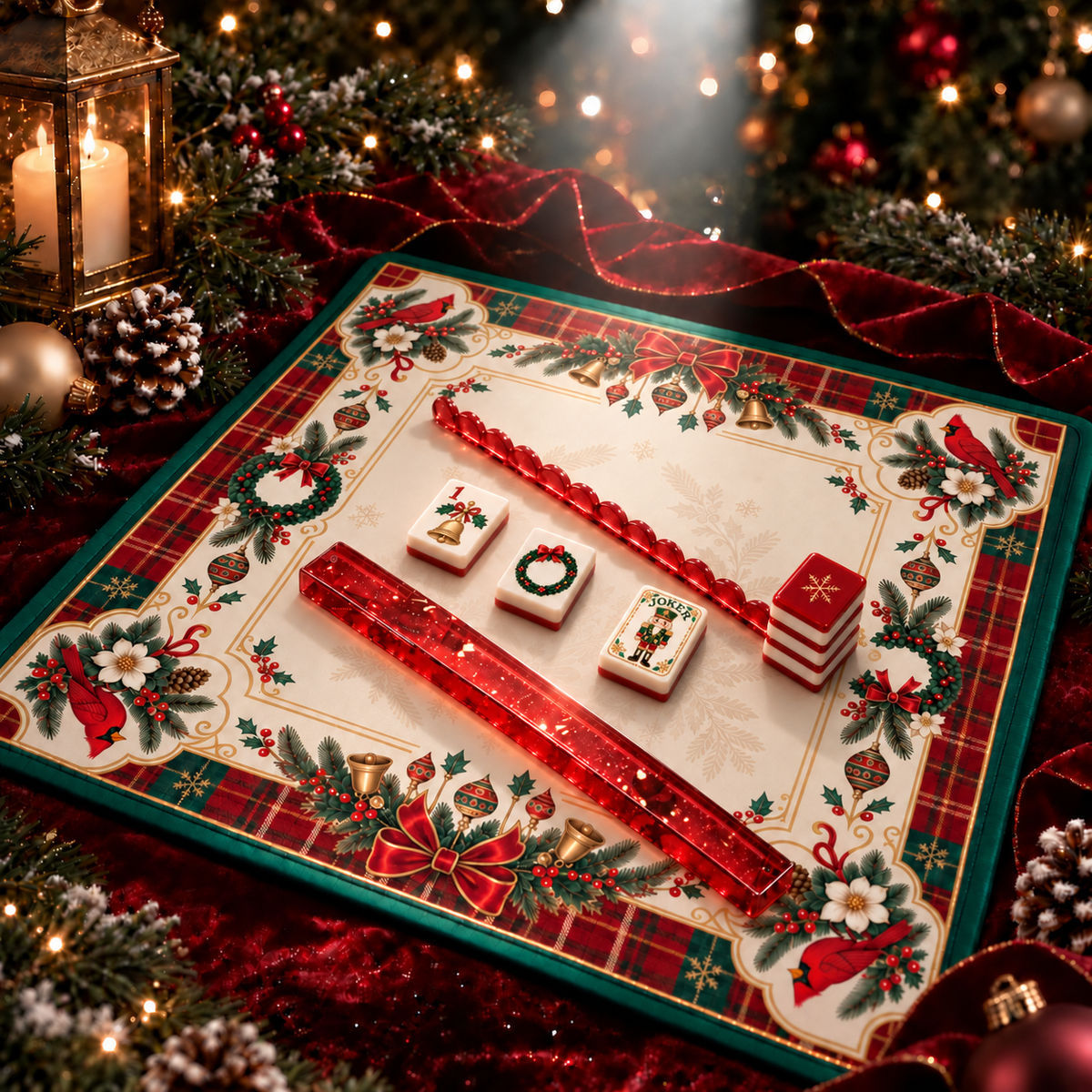
A mahjong mat under a mid-range budget is a cloth playing surface, usually cotton or felt-backed, sized 24–36 inches square, designed to hold 152 tiles, racks, dice, and the card during an American game. These mats come with or without printed sections for your hand, discard row, and the wall. Mahstead's collection of mahjong mats ranges from minimal rolled designs to fully customizable engraved options—all shipped free across the US. The key trade-off is durability versus upfront cost: a thinner mat costs less but wears faster; a thicker, felt-backed version lasts longer. Before ordering, check the backing material, confirm the size fits your table, and decide whether you want printed scoring zones or prefer a blank surface for your own layout. Avoid mats with cheap velcro or unraveling edges; those signal they won't survive a season of weekly games.
A good mat transforms your game night from stressful tile-sliding chaos into smooth, satisfying play. We've hosted hundreds of games at our Dallas store and noticed that most budget-conscious players make the same mistake: they buy the thinnest, cheapest option and regret it within months. A mahjong mat isn't just decoration—it's infrastructure. It holds the tile wall steady, keeps your hand from shifting, and signals where discard piles go. That said, you don't need a luxury mat to play well. The trick is knowing what features actually matter and which ones are marketing fluff.
What size mat do you really need?
American mahjong games need enough flat space for the wall (usually 14 tiles wide), your hand (18+ tiles), racks, the card, dice, and a small discard zone for all four players. Most mats range from 24 to 36 inches square; a few go larger. If your table is smaller than 36 inches, a 24-inch mat keeps things tight but playable. If you have a dedicated table or can clear a large surface, go to 30 or 36 inches—you'll have breathing room and fewer tiles will fall on the floor. Measure your table depth and width first; the mat should fit with 2–3 inches of table edge showing on all sides so you can rest your arms comfortably. A mat that covers your entire table looks impressive but blocks sightlines and makes it hard for players across from you to see their own hands.
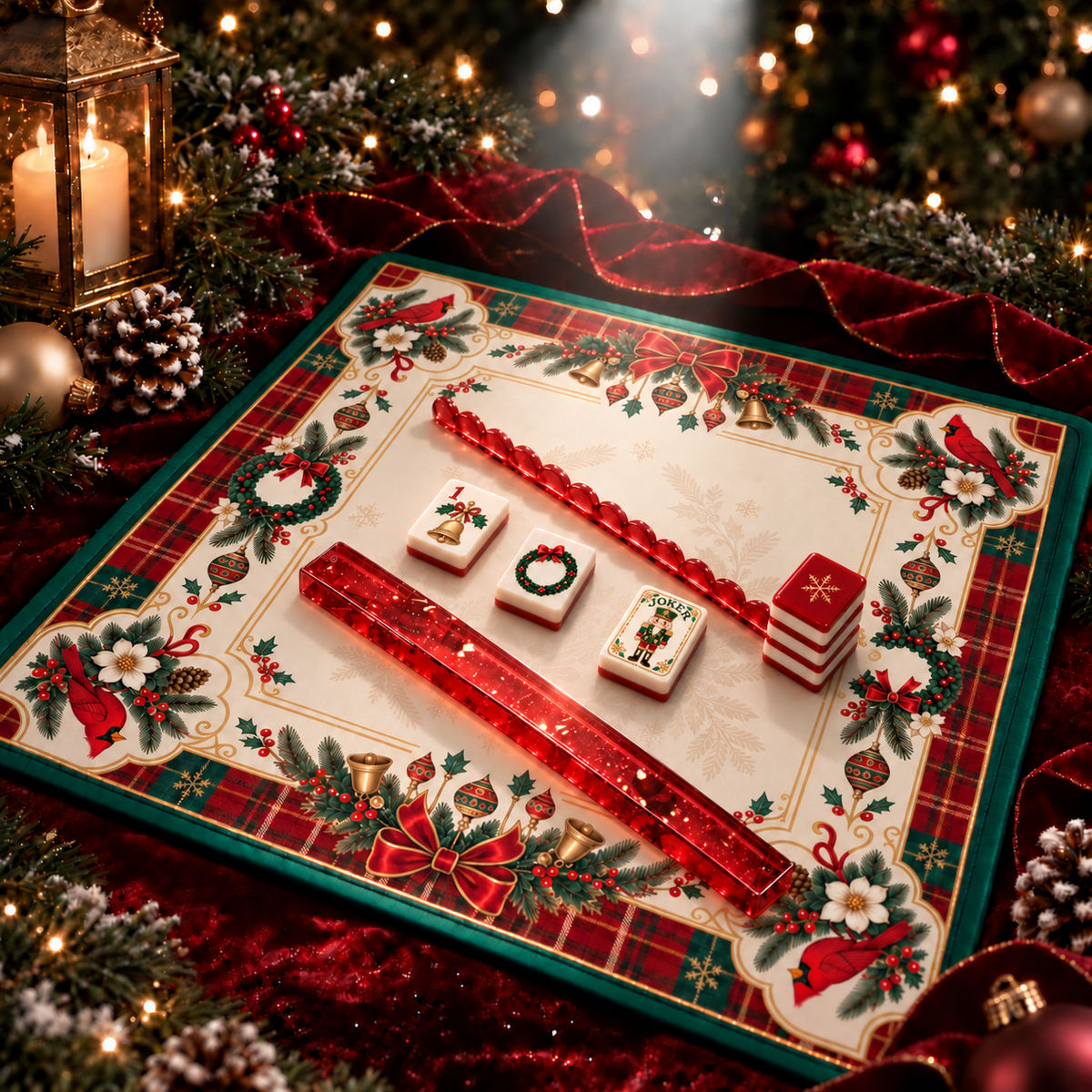
Backing material: felt, rubber, or mixed?
The backing is where durability lives. Felt-backed mats grip the table and grip your tiles so they don't slip when you're pushing them or standing them up in your rack. Rubber or neoprene backing offers similar grip but tends to dry out and crack after a few years of heat and sun. Cotton or linen-only backing (no pad underneath) is cheap and folds small for travel but offers no grip—tiles slide, the mat bunches, and players get frustrated fast. If you play weekly, a felt-backed mat will outlast two or three budget mats without backing. Check the product photos or description closely; if the maker doesn't mention what's on the back, ask before you buy.
Printed sections vs. blank: which serves your group?
Some mats come with printed zones showing where the wall, hand, discard pile, and player positions go. Others are blank so you can arrange tiles however your group prefers. Printed sections help beginners learn the layout faster and reduce arguments about where discards belong. Blank mats let experienced players adapt to different group styles and take up less visual "noise" if you like a clean look. If you're hosting new players often, a printed mat is friendlier. If your group has been playing for years and has a set ritual, a blank mat is more flexible. Neither choice is wrong; it depends on who sits at your table.
🀄 Shop best-selling mahjong sets →
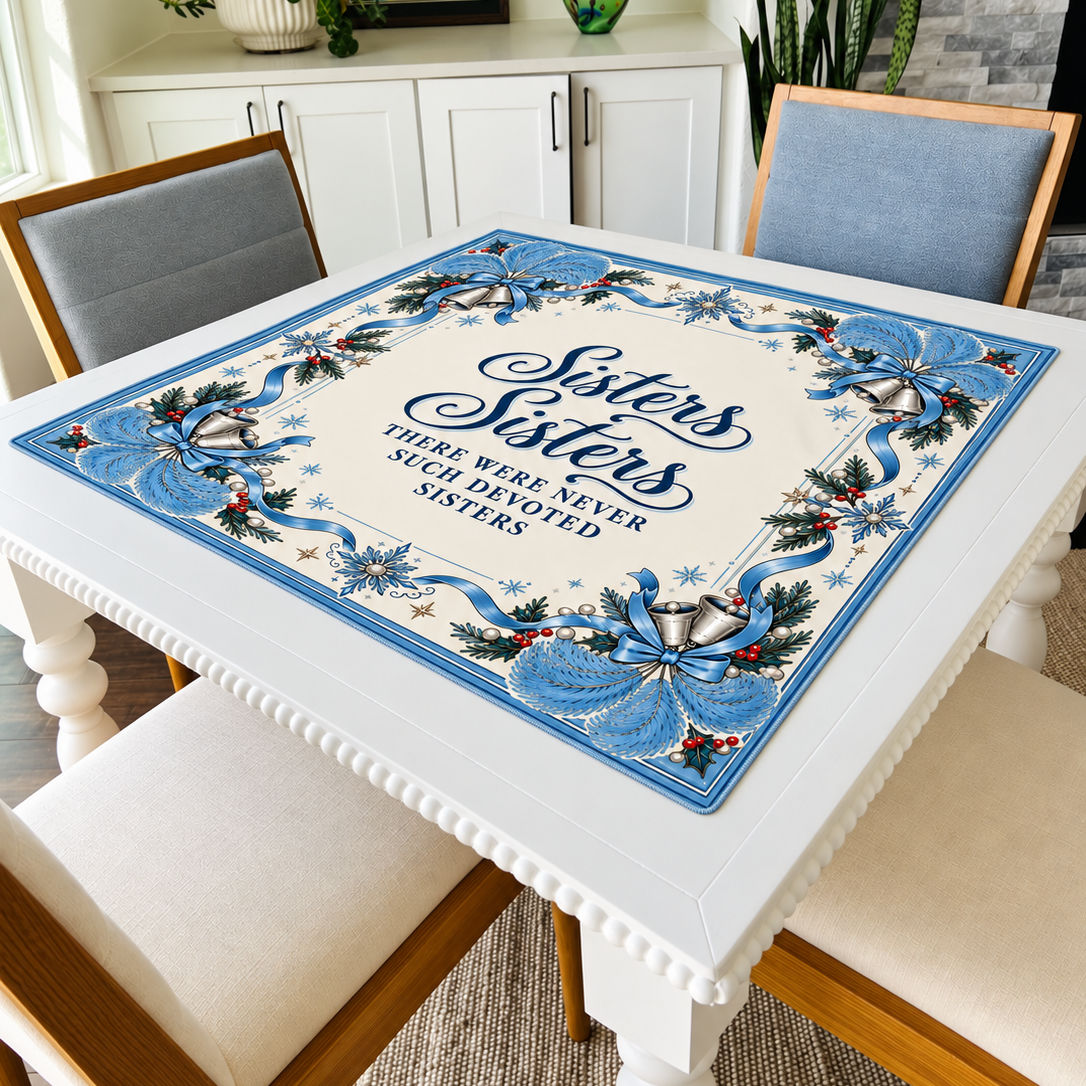
Rolled vs. flat: storage and travel trade-offs
Rolled mats are tighter to store and fit easily in a mahjong bag or case for transport to a friend's house or a club meeting. Flat mats take up more shelf space but don't develop creases or curl at the edges after months of storage. If you play at home and rarely move your mat, flat storage isn't a pain. If you rotate hosting duties or travel to weekend tournaments, a rolled mat saves you bag space and packing stress. Either way, unroll your mat an hour before game time to let creases relax.
Customization options: engraved vs. standard designs
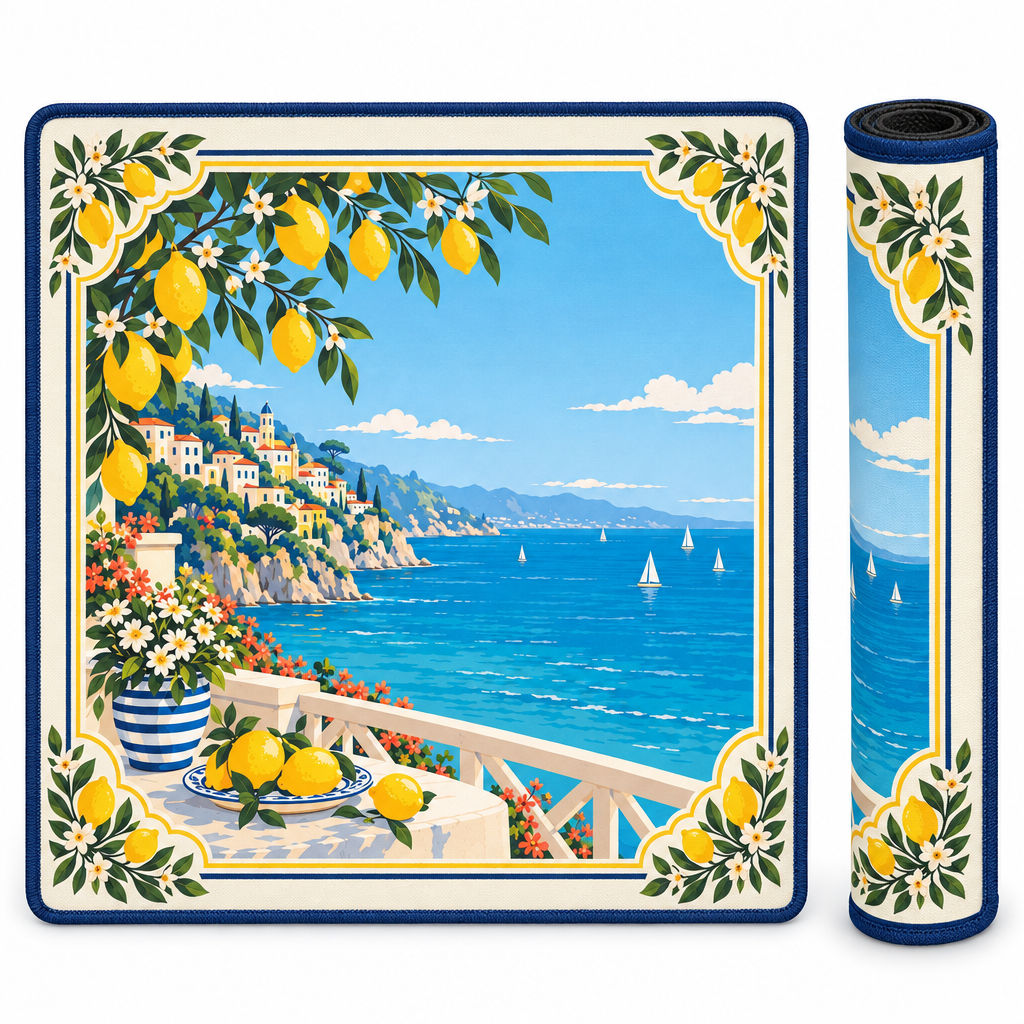
Mahstead offers engraved American mahjong sets that pair beautifully with custom mats—personalized with your group's name, year, or inside joke. Custom engraving costs more upfront but adds durability (ink is protected into the fabric) and turns your mat into a conversation piece that lasts decades. If your group plays together year after year, an engraved mat becomes a keepsake. If you're just getting started or prefer keeping things simple, a standard printed or blank mat in a classic color (navy, green, burgundy) works just as well and requires no lead time.
Quick comparison: mat types and who they suit
Mat Type | Best For | Durability | Customization | Storage |
Thin cotton, no backing | Casual once-a-month players, tight budgets | 1–2 years | Standard print only | Rolls flat |
Cotton with felt backing | Weekly home games, balance of cost and durability | 3–4 years | Standard or custom print | Rolls or folds |
Custom engraved felt-backed | Dedicated groups, tournaments, keepsake value | 5+ years | Full personalization | Rolls or flat frame |
Blank high-grip backing | Experienced players, club games, flexibility | 3–4 years | None (you design placement) | Rolls compact |
What to check before you buy
Before clicking "add to cart," answer these five questions:
Will it fit your table? Measure the usable surface (excluding chairs or edges). A mat should leave 2–3 inches of table visible on all sides.
How often do you play? Weekly games justify a felt-backed mat. Monthly or seasonal play can work with a thinner option.
Who sets up the game? If someone hosts for the first time, a printed mat cuts confusion. If your group is experienced, a blank mat gives more freedom.
Do you travel with it? Rolled mats fit bags better. Flat mats work better for a dedicated home table.
Does your group want personalization? Engraved mats take 1–2 weeks but become part of your group's story. Standard mats ship faster.
Once you've decided on mat size and backing, make sure you also have quality mahjong racks with pushers—they work together to speed up play and keep tiles organized. A good mat and good racks are the two pieces of equipment that separate a smooth game from constant frustration.
🎁 See our most-loved mahjong sets & accessories →
The mat you choose should match your group's style and budget without forcing you to replace it every season. Felt backing and cotton face materials, from makers who understand that weekly players need durability, typically represent the best value below a mid-range price point. Browse the complete mahjong mat collection to see sizes, colors, and customization options in one place—all with free shipping across the US. Read product descriptions carefully for backing material and dimensions; if a detail is missing, reach out and ask. You're not just buying a mat; you're buying consistency for your game nights.
✨ Find your Mahstead set — free US shipping →
FAQ
What is the standard size for a mahjong mat?
American mahjong mats typically range from 24 to 36 inches square. Most players use 28–30 inches for home games because it fits standard dining tables and leaves room for hands, racks, and tile wall without waste. Measure your table first to avoid ordering one that overhangs or cramps play.
Do I need a mat with a printed layout?
No. Printed zones help beginners learn where the wall and discards go, but experienced players often prefer blank mats for flexibility. If your group mixes skill levels, a printed mat reduces confusion. If everyone knows the layout by heart, a blank mat looks cleaner and costs less.
What's the difference between felt-backed and rubber-backed mats?
Felt backing grips tiles and the table surface, preventing slides during play. Rubber backing offers similar grip initially but can crack or dry out over 2–3 years of use. Felt-backed mats last longer and suit weekly players; rubber works fine for casual, seasonal groups.
Can I customize a mahjong mat with my group's name?
Yes. Mahstead offers custom engraved mats personalized with names, dates, or inside jokes. Engraving adds cost and requires lead time (typically 1–2 weeks), but the result is durable and becomes a keepsake for long-running groups.
How do I care for a mahjong mat to make it last?
Store it rolled or flat in a cool, dry place away from direct sunlight, which fades colors. Wipe away spilled food or drinks promptly with a damp cloth. Avoid dragging heavy tiles across the surface with force; let tiles rest naturally in their sections. A well-made felt-backed mat should last 3–5 years of regular weekly play if cared for this way.
Does Mahstead offer mats that work with travel bags?
Yes. Rolled mats fit into Mahstead mahjong bags and cases, making transport easy for rotating hosts or club meetings. Check the mat's rolled dimensions against your bag's internal measurements before ordering both together.
Should I buy a mat before or after I buy a mahjong set?
Either order works, but choosing your mat size first helps you pick a matching mahjong set—some sets are better suited for smaller or larger playing spaces. If you already own a set, measure how many tiles your mat needs to accommodate comfortably, then choose your mat size based on that.


View More
View More
View More
