
Modern mahjong accessories: what to buy and why
Last updated: Nov 23, 2026
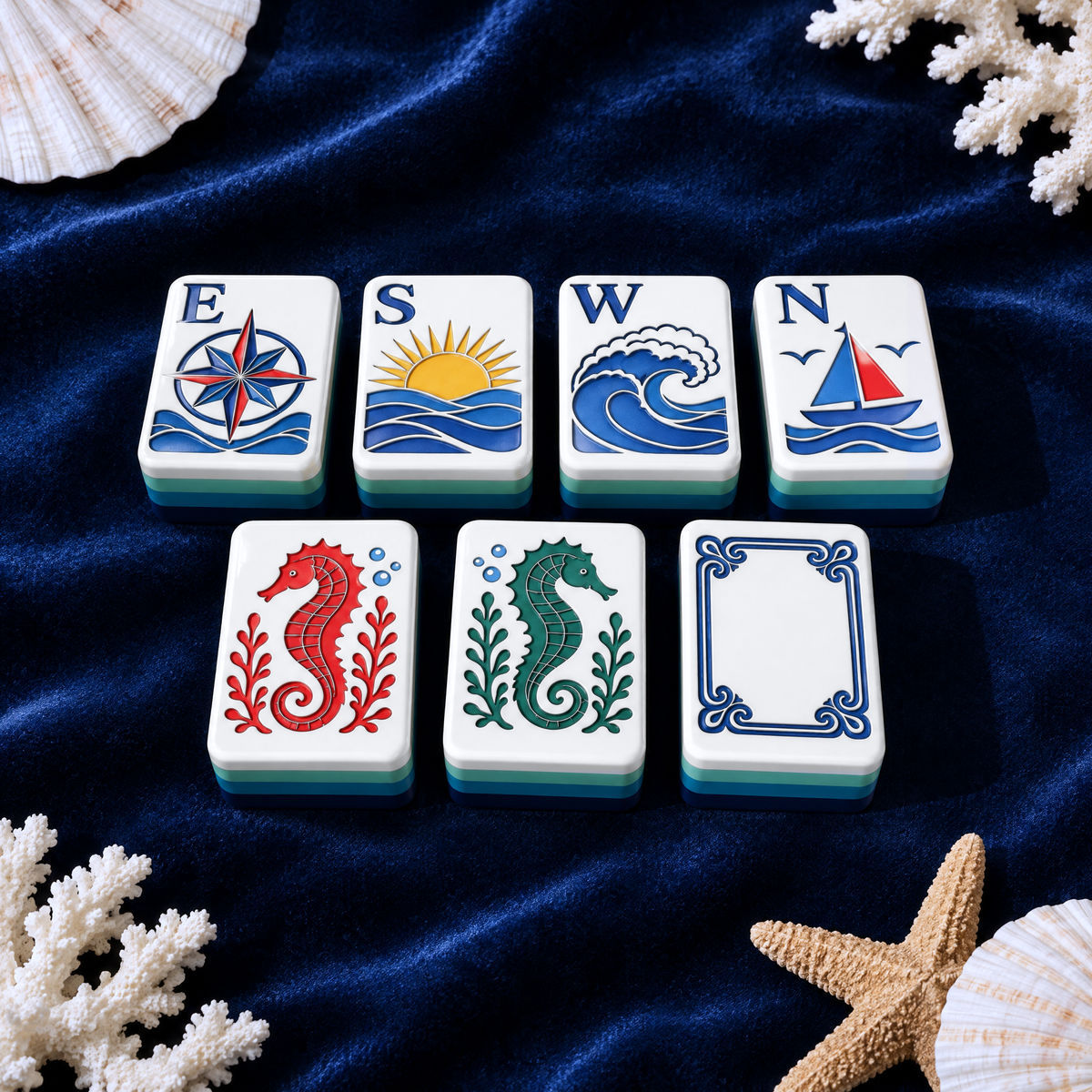
Modern mahjong accessories mean everything beyond the 152 tiles themselves: mats that protect surfaces and speed tile movement, racks with pushers that reduce hand strain during long games, bags and cases for safe transport, dice for determining seating, and increasingly, engraved or specialty sets that turn equipment into conversation pieces. Quality accessories solve real problems—a mat prevents tiles sliding off your lap, pushers let you nudge tiles without touching them, a good case keeps your set pristine between plays. Mahstead's best-selling collection spans all these categories in acrylic tile sets, mats, racks, and travel gear. Costs vary by material and customization; most players find that one complete kit takes them through years of weekly games without upgrades.
Why do modern players buy racks with pushers?
Pushers solve the most common complaint we hear: hand fatigue and accidental tile shifts. A rack holds your 13 or 14 tiles upright; pushers are small sticks that let you move individual tiles without fingertip contact, keeping your hand relaxed for three-hour sessions. They also eliminate the tiny shuffles that broadcast which tiles you're reconsidering—a silent advantage. Not every player uses them (some prefer the tactile connection), but once you try pushers, going back feels awkward. Racks with pushers come in bamboo or acrylic; acrylic ones integrate with modern sets and don't absorb moisture. Most serious weekly players own one set of racks that stays in their game bag permanently.
🀄 Shop best-selling mahjong sets →

What does a proper mahjong mat actually do?
A mat serves three jobs: it protects your furniture or rental table, it slows tiles slightly so they don't scatter during a throw, and it creates a defined play zone so all four players share the same visual frame. Mats range from 27" to 35" depending on how much wall space you want versus central play area. Non-slip backing prevents the mat from creeping during an evening. Many players use mats at home but not when traveling to a host's house—so a foldable mat that packs into a bag is practical. Acrylic tile sets pair well with mats because the tiles move cleanly across the smooth surface; rougher materials can catch. If you're hosting weekly games and rotating venues, a mat becomes essential for consistency and to protect furniture you don't own.
How do you choose between bag types for transport?
Travel bags come in two categories: soft cases that prioritize portability and hard cases that maximize protection. A soft bag (usually canvas or nylon) weighs less, fits into a car's cupholder pocket, and holds a set plus two racks comfortably—perfect for weekly games where you rotate houses. A hard case (padded or rigid plastic) protects tiles from being crushed in a crowded car and keeps sets intact through years of weekly plays. The trade-off is weight and size: hard cases don't fit as easily into smaller vehicles. If you're driving across town once a week and parking in a home driveway, soft works fine. If you're flying to a tournament or storing the set long-term in a garage, hard is worth the space. Mahstead's bags and cases are designed to hold a full 160-tile set, two racks, and a mat without any pieces shifting.
🎁 See our most-loved mahjong sets & accessories →
Should your set be personalized, and why does it matter?
Engraved or custom sets have become increasingly popular at weekly games because they create a sense of ownership and identity. An engraved American mahjong set with your name, a funny title, a year, or a player group's inside joke transforms a tool into a keepsake. We've seen groups buy group sets with rotating names or a single master set that travels between hosts. Personalization also prevents confusion in mixed games where multiple sets are in play. The practical benefit: you remember which set is yours in a crowded bag, and guests know it's been cared for. Customization takes 1–2 weeks, so plan ahead if you're buying for a season-opener or gift. Standard (non-engraved) acrylic sets in the best-selling collection ship faster and cost less if you want to start playing immediately.

What's the difference between a "set" and a "complete accessories kit"?
A set = 152 playing tiles plus 8 jokers (the tiles only). A complete kit = set + mat + 2 racks + 1 or 2 bags + dice.
Most new players buy a set alone and add accessories over time as they discover what they need. Experienced players who host weekly games typically own at least one full kit at home and a portable bag kit for traveling. Buying separately lets you choose brands and materials that match your style (bamboo racks but acrylic tiles, for example). Buying bundled kits (if offered) saves money upfront but locks you into one aesthetic.
Comparison: what to buy based on your role
You are | Best buy | Why | See |
Starting this week | Set + mat + pushers | Everything you need to play; no overwhelm | |
Weekly host | Set + 2 mats + 2 rack pairs + case | Backup mat if one wears; guests bring racks home | |
Traveling player | Set + soft bag + compact mat + pushers | Lightweight; fits car; easy to carry upstairs | |
Giving a gift | Engraved set + mat + bag | Personal; complete out of the box | |
Collector/enthusiast | Specialty set + hard case + full accessories | Investment piece; maximum protection |
What to check before you order
Tile material: Acrylic is lighter, modern, and integrates with contemporary decor; it also cleans easily and doesn't absorb moisture. If you're switching from bamboo sets, expect tiles to move faster on a mat—not a problem, just different.
Rack compatibility: All standard racks fit standard 160-tile sets, but measure the set's tile width (usually printed on the product page or box) if you're mixing old and new. Pushers should slide smoothly; if they catch, the rack or pusher wood may have expanded from humidity.
Mat size: Measure your table diagonally. A 27" mat works for tables up to 36"–42"; a 35" mat suits larger or irregular tables. If you're hosting at venues you don't control, take photos of the tables ahead of time.
Case weight: Lift a demo case in person (or estimate: most hard cases weigh 5–8 pounds empty). If you're carrying it upstairs weekly, soft is worth considering even if hard protects better.
Jokers and spares: A 160-tile set includes 152 playing tiles plus spare jokers and blanks. Never add extras to play—always use exactly 152 tiles and 8 jokers per game, or hands won't match the current year's National Mah Jongg League card.
✨ Find your Mahstead set — free US shipping →
Why acrylic sets have become standard for serious players
Acrylic tiles are virtually indestructible (no chipping from drops), easy to clean (soap and water), and don't swell or warp in humidity—a huge advantage if you're storing sets between seasons or moving between climates. They also feel modern and come in more color palettes than traditional materials. The tiles move smoothly on mats and are audibly satisfying when shuffled. For weekly games played year-round, acrylic eliminates the maintenance headaches that come with bamboo or bone. First-time buyers often worry acrylic looks "cheap," but after one game, the durability and ease win over skeptics. We've had players switch from inherited bamboo sets specifically for the reliability acrylic offers during long tournament weekends.

FAQ
Do I need a mat if I'm playing at someone else's table?
Only if you want to protect their furniture or slow tiles for consistency. Many players bring mats to weekly games as a courtesy; hosts appreciate it. Soft mats pack into a bag's side pocket, so there's minimal downside to carrying one.
Can I use pushers with any rack?
Yes. Pushers are universal; they slide into any standard rack groove. If they catch or bind, the wood may have warped—soak it lightly or store it flat. Replace worn pushers occasionally; they're inexpensive and wear-prone.
What's the difference between a bag and a case?
Bags are soft-sided (canvas, nylon) and prioritize lightweight carry; cases are rigid or padded and maximize protection. Bags cost less and pack flatter; cases prevent crushing if your set is under heavy luggage in a car trunk.
Should I buy an engraved set or a standard one?
Engraved is worth it if you're hosting weekly games (creates identity and prevents mix-ups) or giving a meaningful gift. Standard sets are best if you want to play this week—they ship faster and cost less.
How many sets should a weekly host own?
One full set plus a backup is ideal. If players rotate hosting, one shared set works; if you host consistently, two sets let one be in a bag en route while the other sits at home. Most groups don't need more than two unless running simultaneous games.
Do acrylic tiles really last longer than bamboo?
Yes. Acrylic doesn't chip, crack, swell, or fade with age or humidity. Bamboo requires climate control and careful storage. For weekly play over decades, acrylic is lower-maintenance and still feels premium when well-finished.


View More
View More
View More
