
Mahjong Accessories Care Guide: Keep Your Set Game-Ready
Last updated: Nov 23, 2026
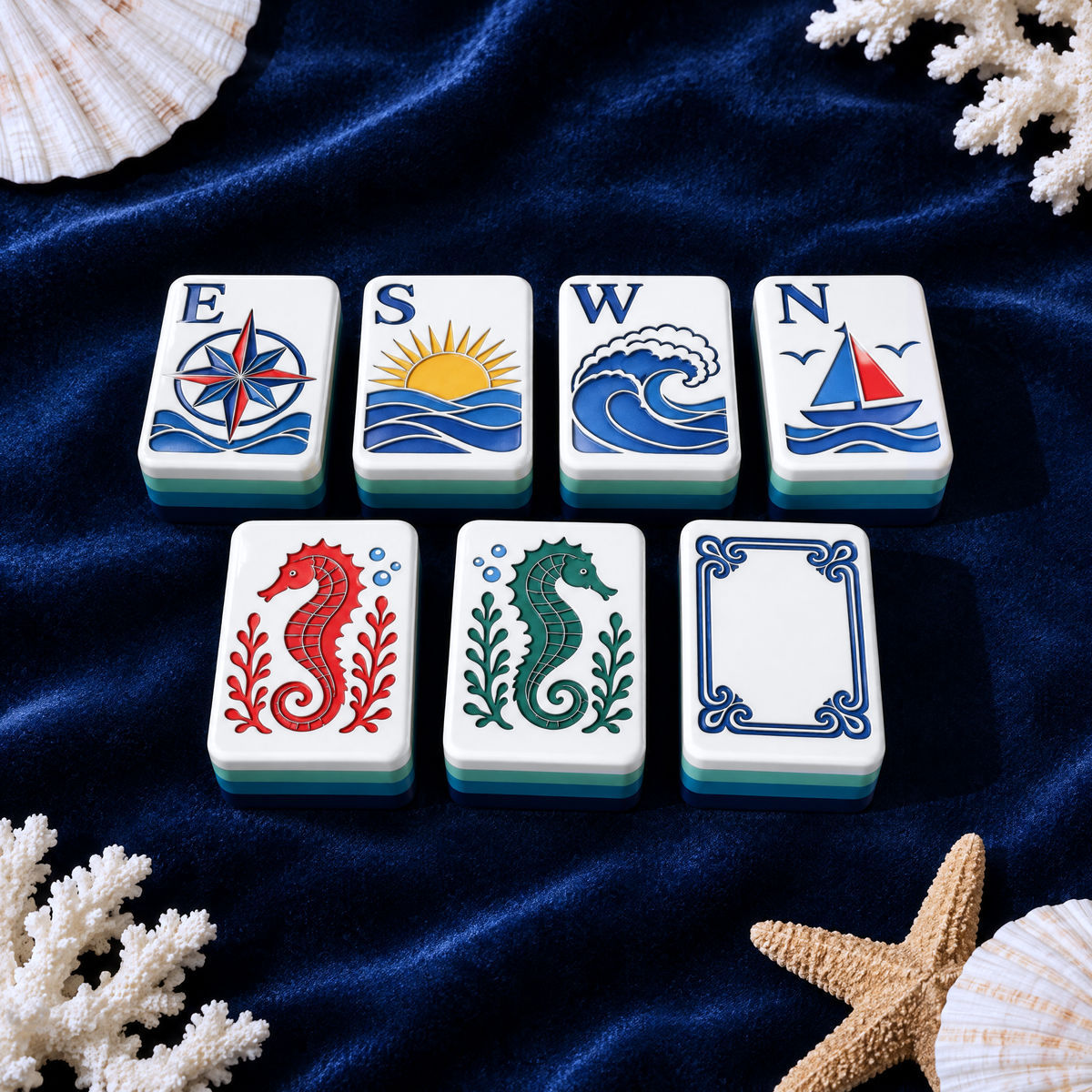
Mahjong accessories—tiles, mats, racks, bags—need different care strategies depending on material and how often you play. Acrylic tiles tolerate gentle soap and warm water; never use abrasive scrubbers or bleach. Mats benefit from a damp microfiber cloth and air-dry storage rolled (not folded) to prevent creases. Wooden racks and pushers stay clean with a dry cloth and live best in a humidity-controlled space; leather bags need occasional conditioning. Store everything in a dedicated case or bag to shield from dust, sunlight, and temperature swings. Most damage occurs from humidity extremes and careless stacking. Mahstead's engraved acrylic sets come with spare tiles and durable storage options, so inspect your pieces monthly for chips or discoloration and replace spares before they're needed mid-game.
How do acrylic tiles actually get dirty during play?
Every shuffle introduces dust, hand oils, and fabric lint into the tile surface. Over weeks, this layer dulls engraving and makes numbers harder to read under lamp light. Acrylic absorbs fingerprints more than bone, and spills—coffee, wine, condensation—leave rings if not dried immediately. Unlike ceramic tiles, acrylic can warp if exposed to sustained heat near a sunny window or heating vent.
Wipe tiles with a soft, barely damp microfiber cloth after each game. For stubborn residue, use mild dish soap and lukewarm water; pat dry with a second microfiber cloth within seconds. Never soak tiles or spray them in a dishwasher. Store them in their original rack or in a padded bag inside a case to minimize dust accumulation between sessions.

What causes mat creases and how do you prevent them?
Mats folded in thirds for storage develop permanent creases that catch tile edges during play and slow draws. Heat, humidity, and sunlight also fade printed surfaces and weaken binding along the edges. A mat stored folded in a warm closet can develop a wavy texture that throws off tile alignment.
Roll your mat—don't fold it—and store it flat or standing upright in a tube-like bag. Our mahjong mats collection includes mats with durable edge binding that resists fraying when rolled. Wipe the surface with a dry or barely damp cloth before rolling; moisture trapped inside the roll breeds mold. Keep mats away from direct sunlight and heat sources. If a crease does form, lay the mat flat under a light weight for 48 hours in a cool room to relax the fibers.
Why do wooden racks and pushers crack or warp?
Wood is hygroscopic—it absorbs and releases moisture based on room humidity. A rack stored near a radiator, dehumidifier, or window experiences rapid swings that cause the grain to expand and contract unevenly, leading to splits and warping. Pushers rubbed against tiles in dry conditions can absorb microscopic scratches that compound over time.
Keep racks with pushers in a humidity-stable room (ideally 40–60% relative humidity). Wipe wood with a dry cloth only; never use water or oil unless the manufacturer specifies it. Store racks upright or laying flat—never leaning at an angle—in a closed bag or case. If a rack warps slightly, place it under moderate weight (not crushing) on a flat surface for a week; most minor warping reverses if humidity stabilizes.
🀄 Shop best-selling mahjong sets →
How should you pack and carry a set without damaging it?
Loose tiles rattling in a cloth bag collide during transport and develop edge chips within months. Cases without internal padding force you to restack tiles by hand, risking drops. Over-packed bags compress mats and bend racks, speeding wood fatigue.
Use a hard-shell travel bag or case with internal compartments for tiles, mats, and racks. Tiles should stay in their original storage tray or in a padded divider. Mats roll loosely without compression. Racks rest flat in their own slot. Never stack a full set on top of another in a car; place cases side by side or use separate trips. After transport, unpack immediately so any moisture trapped during travel can escape before next use.

What's the best storage hierarchy to prevent damage?
Storage Level | Protection | Best For | Drawback |
Original case/bag | Medium–high (depends on padding) | Regular weekly players | May feel bulky for home storage |
Dedicated box + desiccant | Medium (no physical bumpers) | Seasonal players or storage > 1 month | Requires opening before each game |
Shelf in closed cabinet | Low (dust, light, humidity drift) | Casual players with climate control | Exposed to room air fluctuations |
Open bookshelf | Very low | Display only | Tiles fade, collect dust, warp over time |
Basement or attic | Very low (extreme humidity swings) | Emergency backup set only | Condensation, mold, warping, discoloration |
The original packaging Mahstead ships with most sets includes protective layers and breathable materials designed for both short-term transit and long-term storage. Upgrade to a hard-shell case only if you carry your set more than twice monthly or store it in a non-climate-controlled space.
When should you replace spare tiles instead of playing damaged ones?
A chip smaller than 1 mm on a tile's edge poses no real risk—gameplay continues normally. Cracks larger than 2 mm that expose the core, discolored tiles that make it hard to distinguish symbols, or jokers with broken corners should be swapped out before they jam the rack or cause a mis-read during scoring.
American mahjong sets sold as 160 tiles include spares specifically for this reason. Keep spares in a small labeled envelope inside your case. After each month of play, inspect all 160 tiles under good light and rotate damaged ones into storage; never leave a cracked tile in active rotation where it might break mid-game and scatter pieces.
🎁 See our most-loved mahjong sets & accessories →
Before you buy: What to check on accessories and storage
Material: Verify whether tiles are acrylic (easiest to clean, most durable) or another material, as cleaning methods differ.
Mat edge binding: Mats sold by our mats collection have reinforced stitching to resist fraying after 100+ rolls.
Rack construction: Solid wood racks last longer than veneered particleboard; check the product description before ordering.
Case lining: Padded cases cost more but reduce tile-to-tile wear during transport; non-padded cases work for home storage only.
Humidity control: If you live in a region with swings above 70% or below 30% humidity, budget for a small desiccant pack or humidifier in your storage space.
Spare inventory: Count your spare jokers and blank tiles; if your set includes fewer than 4 spares total, order replacements so you're never caught short mid-season.
✨ Find your Mahstead set — free US shipping →

FAQ
Can I wash acrylic mahjong tiles in a dishwasher?
No. Dishwashers use high heat and harsh detergent that crack acrylic and fade engraving. Hand-wash in lukewarm water with mild soap and dry immediately with a microfiber cloth.
How often should I clean my mats?
Wipe mats with a dry microfiber cloth before storage after each game. Use a barely damp cloth monthly if they see heavy play (4+ sessions per week). Air-dry flat before rolling.
What humidity level is best for storing wooden racks?
Keep racks in 40–60% relative humidity. Below 30% causes cracking; above 70% promotes warping. A small hygrometer costs under $15 and helps you monitor your storage space.
My rack has a minor warp. Can I fix it at home?
Yes. Lay it flat on a stable surface under moderate weight (a stack of books, not crushing pressure) for 3–7 days in a stable-humidity room. Most minor warps reverse if humidity stabilizes.
Should I store my bag or case in a closet or open room?
Closets with stable temperature and low light are ideal. Avoid basements (humidity swings) and rooms near heating vents or sunny windows. If your closet feels very dry or damp, add a small desiccant pack or humidity monitor.


View More
View More
View More
