
Melamine vs Wooden Mahjong Tiles: Which Should You Buy?
Last updated: Nov 23, 2026
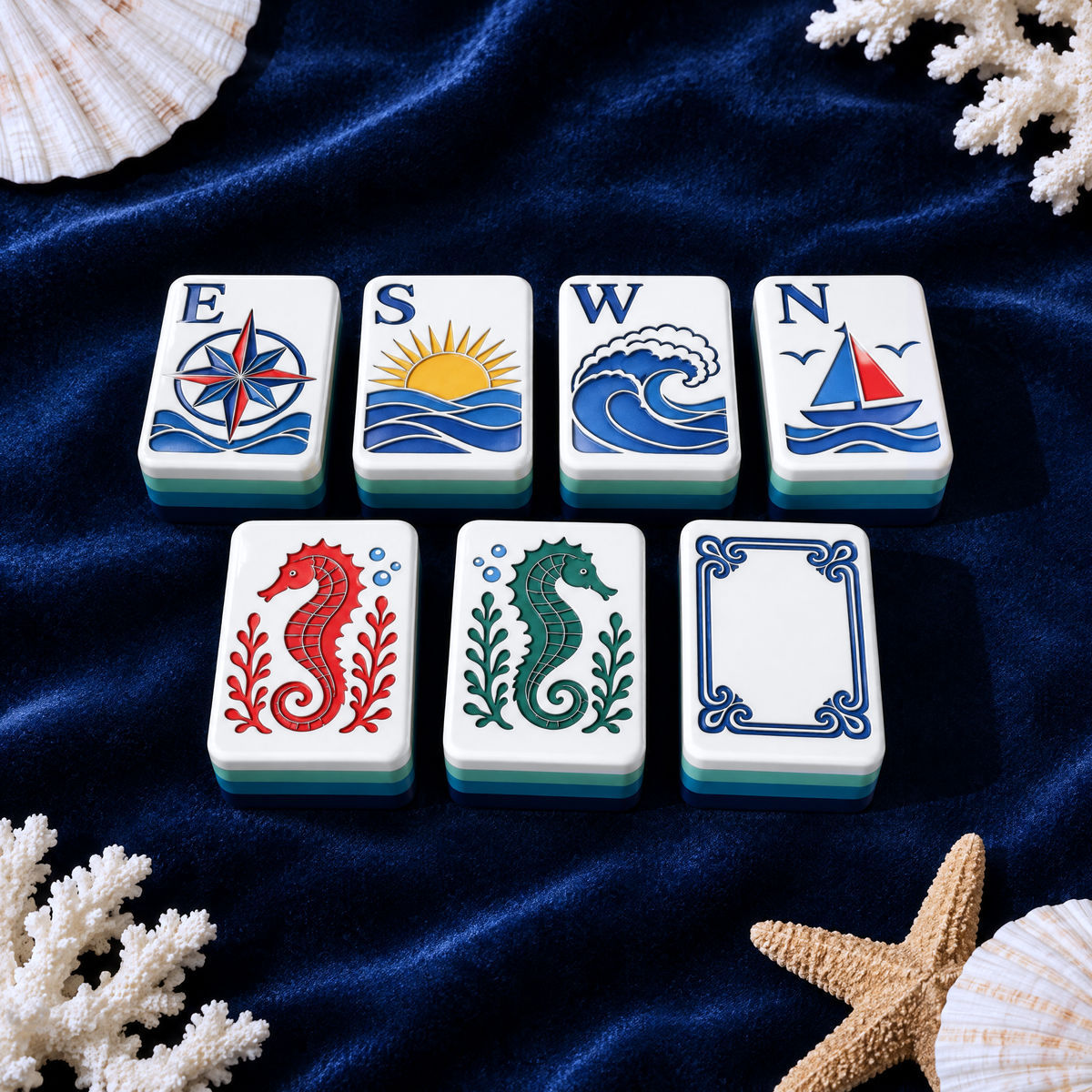
Melamine tiles are acrylic polymer—lightweight, bright, durable, louder, require little care, suit frequent players and travel. Wooden tiles are heavier, quieter, slower to learn on, need sealing or finish care, feel premium, suit collectors and serious groups. American mahjong sets contain 152 playing tiles plus 8 jokers, and sets are available in both materials from manufacturers including Mahstead. Melamine costs less upfront and handles daily wear; wood costs more but ages beautifully. New players often prefer melamine's visual clarity and forgiving surface. Seasoned players split: some love wood's whisper and heft, others choose melamine for speed and reliability. Neither is objectively better—it depends on how you play, where you play, and what matters most to your group.
What makes melamine tiles different from wood?
Melamine tiles are cast acrylic polymer: durable plastic, not glass or resin. Each tile is molded with engraved or painted symbols, then tumbled or finished smooth. They're lightweight, bright under any light, stack cleanly, and carry weight well without flexing. Wood tiles are traditionally cut and laminated from hardwoods like bamboo or mahogany, then hand-painted or screen-printed. Wood tiles are heavier, slower to move on a table, and whisper rather than click. Melamine is industrial; wood feels artisanal. Both work for American mahjong, but they play differently.

How do melamine and wood tiles sound and feel during play?
Melamine tiles are loud—a satisfying click or crack when you draw, discard, or build a wall. That sound carries across a room and signals play rhythm clearly. Wooden tiles almost hush: a gentle thud or whisper. Some players love melamine's auditory feedback, especially in fast games or large groups. Others find it harsh and prefer wood's acoustic subtlety. Melamine feels slick; wood feels warm and slightly grippy. If you host weekly games with four players trading tiles rapidly, melamine's snap keeps energy high. If your group values calm and conversation, wood's quiet suits the mood better.
Which tiles are easier to care for and move around?
Melamine requires almost no maintenance: wipe with a dry or barely damp cloth, store in a bag or box, done. Acrylic resists moisture, doesn't warp, and tolerates temperature swings. Wooden tiles need regular care—many players seal or oil them annually to prevent drying, cracking, or finish damage. Transport matters too: melamine tiles are half the weight of wood, so travel bags are easier to carry and pack tighter. If you travel to other players' homes or take your set on vacation, melamine from our best-selling collection shines. If your set lives on a shelf or dedicated table, wood's care ritual becomes part of the hobby.
What's the real difference in cost and longevity?
Melamine sets typically cost less upfront—see current price on the product page for exact amounts. Wood sets cost more initially but often outlast melamine if maintained well. Melamine can chip, scratch, or yellow over decades of heavy play; wood can last generations if sealed and stored dry. Neither is cheap—quality American mahjong tiles represent an investment. If you're buying your first set and unsure about long-term commitment, melamine is lower-risk financially. If you're a longtime player restocking or upgrading, wood's premium price reflects durability and resale value. Very active groups that play three or four times a week might wear melamine faster, so wood becomes cost-effective over five years.

Who should buy melamine, and who should buy wood?
Player type | Tile material | Why it works | Setup notes |
Beginner or casual group | Melamine | Clear visuals, low care, affordable start | Learn on our best-selling sets first |
Weekly host with fixed table | Melamine or wood | Either works; melamine for speed, wood for ambiance | Pair with matching mat and racks |
Serious 4-player club | Wood | Slower play pace, quiet, professional feel | Invest in care supplies and storage |
Frequent traveler | Melamine | Light, durable, no weather worry | Use a travel bag or case for protection |
Collector or multi-set household | Wood or specialty melamine | Build heirloom quality or varied aesthetics | Store in individual cases away from heat |
Gifter (holiday or milestone) | Melamine if new player; wood if seasoned | Match recipient's experience and style | Melamine: add a mat and rack set; wood: pair with care kit |
🀄 Shop best-selling mahjong sets →
What to check before you buy
Material and finish: Ask the seller if tiles are melamine (acrylic), bamboo, mahogany, or laminate. Confirm the surface is smooth and the symbols (Bams, Craks, Dots, winds, dragons, flowers) are clearly marked. Check that jokers are included and distinct from playing tiles.
Weight and balance: Lift a sample tile if possible. Melamine should feel light but solid; wood should have substantial heft. Uneven weight suggests poor casting or drying.
Set completeness: Verify the set includes 152 playing tiles plus 8 jokers (or spare tiles if it's a 160-tile set). Count the suits: three suits (Bams, Craks, Dots) with numbers 1–9, four copies each; 16 winds; 12 dragons; 8 flowers.
Seal and engraving: For melamine, check that symbols won't fade or chip with regular washing. For wood, ask if the tiles are sealed and whether the finish is glossy or matte—this affects both play speed and maintenance.
Extras and value: Does the set come with a mat, racks and pushers, dice, or case? Complete sets often offer better value than tiles alone.
Return policy: Confirm you can return or exchange if tiles arrive damaged or feel wrong during your first game.
🎁 See our most-loved mahjong sets & accessories →View engraved American mahjong tiles
How to decide: a simple framework
Play frequency. Weekly or more? Both work, but melamine is lower-maintenance. Several times a year? Wood's premium feel justifies the occasional care.
Storage and travel. If tiles move between homes or countries, melamine's light weight and moisture resistance win. If tiles stay on one table, wood's presence matters more.
Group size and pace. Four fast players with chatter? Melamine's snap cuts through noise. Three contemplative players or a quiet living room? Wood's whisper suits the mood.
Budget and commitment. First set or gifting to someone uncertain? Melamine. Long-term collection or upgrade from plastic travel tiles? Wood.
Aesthetic priority. Do you want the set visible on a shelf or in a decorative case? Wood looks like art. Will it live in a bag or drawer? Melamine's durability matters more than finish.
Once you've decided on material, choose whether you want best-selling standard designs or custom engraved tiles. Personalization takes time but makes the set truly yours.
✨ Find your Mahstead set — free US shipping →Browse all mahjong tile options

FAQ
Do melamine tiles ever wear out or stop being playable?
Melamine is durable and can last decades with normal play. Chips, scratches, or symbol fading are rare if tiles are handled gently and stored dry. Unlike wood, melamine doesn't warp or require refinishing, so decay is mainly cosmetic rather than functional.
Will wooden tiles crack if I leave them near a heater or in a cold garage?
Yes. Wood expands and contracts with humidity and temperature. Extreme or rapid changes can cause warping, cracking, or symbol paint to peel. Keep wood tiles in a climate-controlled room (60–75°F, 40–55% humidity) and store in a sealed bag or case away from direct sunlight.
Which tiles let me see the symbols more clearly as a new player?
Melamine, typically. Symbols are engraved or painted on a bright, uniform base, so contrast is high even in dim light. Wooden tiles can have subtle finishes or shadows that make small symbols harder to spot quickly. If you're learning how to play American mahjong, melamine speeds recognition.
Can I mix melamine and wooden tiles from different sets?
Technically yes, but it's not ideal. Mixed materials look inconsistent, stack unevenly, and feel chaotic during play. Stick to one set per game. If you own both, use them for different groups or occasions.
Are hand-painted wooden tiles worth the extra cost?
If you value aesthetics and play infrequently, yes—hand-painted tiles are functional art and improve with age. If you play multiple times weekly, mass-produced melamine tiles are more practical. Consider your lifestyle and how much the set will be handled and stored.
What's included in a standard American mahjong set with either material?
All sets contain 152 playing tiles (three suits with numbers 1–9, winds, dragons, flowers) plus 8 jokers. Some sets add spare tiles or extra jokers. Learn what's in a complete set to confirm your purchase matches that standard.


View More
View More
View More
