
Charity Mahjong Party Ideas: Fundraiser Planning Guide
Last updated: Nov 23, 2026
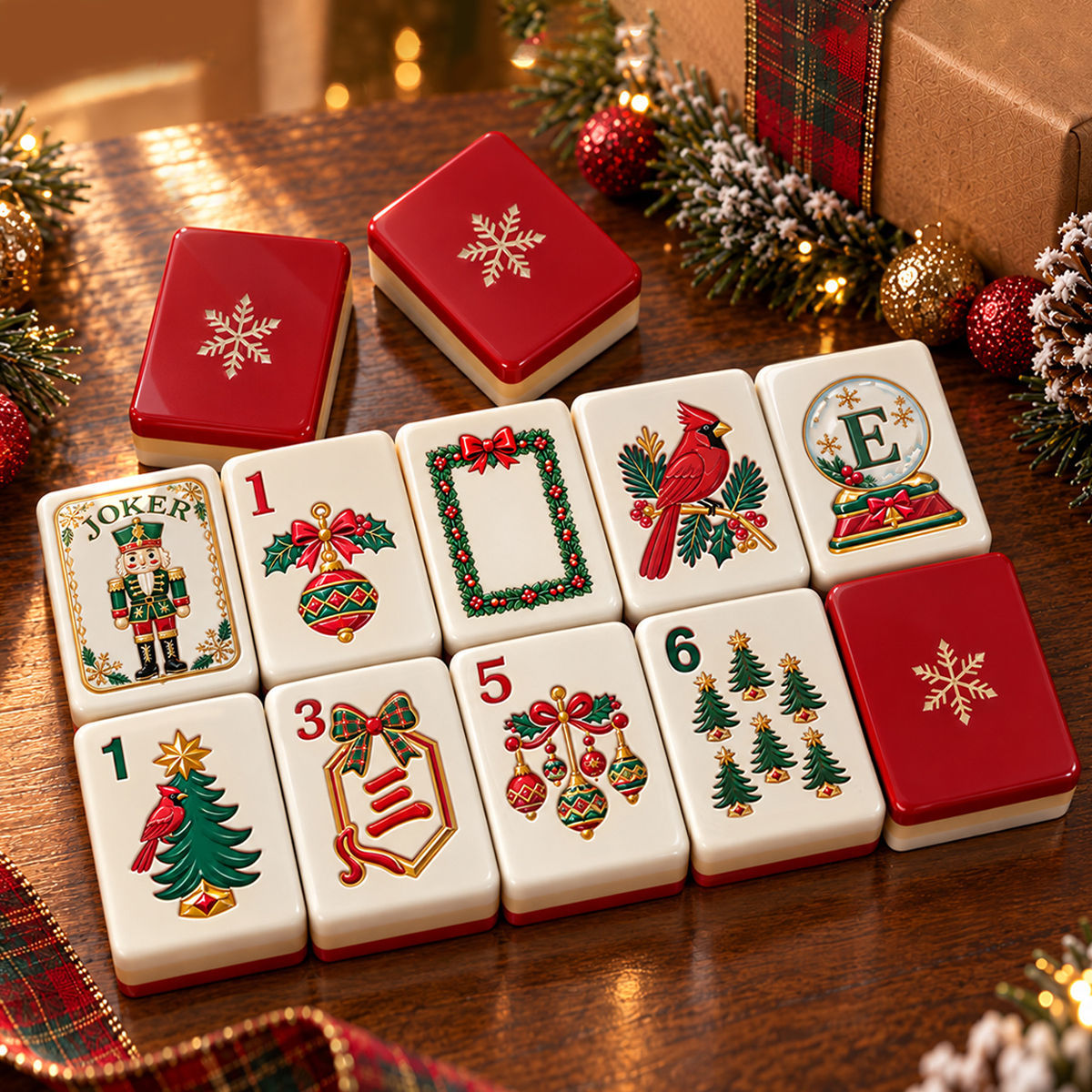
A charity mahjong party is a ticketed or donation-based social gathering where players compete in American mahjong while proceeds benefit your nonprofit, school, or cause. Most run 3–4 hours, seat four players per table, and include light refreshments; expect 20–60 guests. Ticket prices vary by location and cause (typically ask us for a quote on sponsorship or bulk equipment needs). The key to success: clear rules, fair play, welcoming energy for mixed skill levels, and quality tiles that don't jam or slip during long sessions. Mahstead best-selling acrylic sets are durable, bright, and designed to handle rapid play without wear.
A charity mahjong party combines fun, community, and fundraising. Most run 3–4 hours, seat four players per table, and include light refreshments; expect 20–60 guests. The key to success: clear rules, fair play, welcoming energy for mixed skill levels, and quality tiles that don't jam or slip during long sessions.
How do I decide between round-robin and tournament formats?
Round-robin lets every player compete against changing opponents in timed rounds (20–30 minutes each), ensuring no one is eliminated and all guests stay engaged. Tournaments use brackets: winners advance, losers play a consolation bracket, and you crown champions at the end. Round-robin feels social and inclusive; tournaments feel competitive and dramatic. For a charity event, round-robin often raises more because more games = more table fees or entry fees from every participant. If your donor base loves head-to-head drama, tournaments work well with a smaller, skilled crowd. One honest note: rounds require more table space and referees; tournaments need fewer tables but lose shy players early.

What's the easiest game format for mixed skill levels?
Play by the current year's National Mah Jongg League card, seat one experienced player at each table to answer rules questions, and set a strict 25-minute time limit per hand so slow players don't bottleneck. Beginner-friendly hands cluster on the card in clearer zones; print a one-page cheat sheet highlighting them and place it face-up on every table. Hands involving simple pungs (three identical tiles) and single pairs outnumber complex quints or sextets, so beginners land playable hands naturally. Announce before play that jokers substitute for any tile (never used alone or in pairs), and the first player to call "mahjong" wins immediately—no scoring math needed for a casual event. This setup keeps the evening fast, fun, and free of rule arguments.
What equipment setup prevents delays and frustration?
Use one complete American mahjong set per table (152 tiles, 8 jokers, fresh from the box). Acrylic tiles are quieter, brighter under event lighting, and resist spills better than bamboo. Pair each set with a mat that keeps tiles visible and contained—a 30–36 inch mat gives four players enough zone without crowding. Racks with pushers matter: they organize each player's hand legibly and speed tile selection, cutting hand time by 5–10 minutes. Print one card per table and laminate it; worn or torn cards cause disputes. Seat a volunteer at each table 10 minutes before play starts to shuffle and set up, so guests arrive to a ready game.
Setup Element | Why It Matters | Event Size (4 tables) | Event Size (8 tables) |
Acrylic tile sets | Durability, visibility, spill-proof | 4 sets | 8 sets |
Mats (30–36 inches) | Tile containment, player zones | 4 mats | 8 mats |
Racks with pushers | Speed, legibility, hand organization | 4 sets | 8 sets |
Laminated cards (current year) | Accuracy, no disputes, durability | 2–3 copies | 4–5 copies |
Volunteer table leads | Setup, rule clarity, flow | 4 people | 8 people |
An under-equipped event—mismatched sets, no mats, no racks—signals carelessness to donors and slows play by 20+ minutes per table.
How do I price tickets or donations to maximize revenue?
Base your ticket price on three factors: (1) your area's typical event pricing, (2) the cost of tile rentals or equipment (ask your equipment vendor for bulk loan or sale pricing on quality sets), and (3) perceived value—a mahjong event with refreshments, a table prize, and a skilled instructor justifies higher entry than a casual drop-in. Offer tiered giving: a standard player ticket, a sponsor tier that covers a table or provides printed materials, and a "table captain" tier for someone who brings three friends and sits as the beginner guide. Many successful charity events charge a base entry (ask a local nonprofit coordinator for precedent in your region) plus optional table sponsorships or raffle tickets. Never hide costs; publish a simple breakdown so donors feel their money goes to the cause, not overhead.
What's the best way to handle prize awards and recognition?
Avoid cash prizes—they shift focus from fundraising to gambling, creating tax and legal headaches. Instead, award small, thoughtful gifts: a monogrammed microfiber cloth, a tile-themed scarf, a gift card to a local restaurant, or a display case for mahjong collectibles. The real prize is public recognition: announce winners by name, take a photo, post it to your nonprofit's social media, and thank donors who sponsored each table. First-place winners feel celebrated; your organization's support network gains visibility. If your crowd loves dramatics, present a "traveling trophy"—a framed tile or a mahjong-themed award—that winners sign and display until next year's event. This approach keeps energy high without muddying your nonprofit's finances.

How do I recruit and train volunteers to run smooth play?
You need one experienced mahjong player (ideally an instructor or club regular) and one logistics volunteer per four tables. The mahjong lead answers rules questions, verifies hands, and keeps the tone friendly; the logistics lead tracks time, signals round changes, collects scorecards, and manages tile distribution. Send both volunteers a one-page guide two weeks before the event: (1) which hands are beginner-friendly, (2) the three most common rule questions and their answers, (3) how to resolve a disputed hand (hint: accept the majority table vote if no card clause is clear), and (4) when to escalate to you. Run a 45-minute walk-through the day before, or send a recorded video. Most volunteers are thrilled to help a cause; a handwritten thank-you note afterward costs nothing and builds loyalty for next year.
🀄 Shop best-selling mahjong sets →
What's in an American mahjong set, and why does this matter for events?
An American mahjong set contains exactly 152 playing tiles plus 8 jokers: three suits (Bams, Craks, Dots) numbered 1–9, each with four copies; 16 winds (four of each direction); 12 dragons (four each); and 8 flowers. Jokers substitute for any missing tile—critical for flexibility during long events when tiles get lost or damage. Never add extra jokers to the game (many mistakes come from this). The suit distribution and joker count are mathematically set so the National Mah Jongg League card hands are solvable fairly. At an event, confirm every set has all 152 tiles before doors open. Many organizers miss this and discover mid-party that a set is short, killing table rhythm. Check: unpack each set, count each suit's numbers, count winds and dragons, count flowers, count jokers. If one set is short, use a spare set or combine spares from two sets to build a fresh one.
How do I source or borrow equipment without breaking the event budget?
For a small, annual event, buy two or three complete sets that will last a decade and use them every year—the cost per event drops dramatically after year one. For a large one-time event, email local mahjong clubs and ask if members will lend personal sets in exchange for a sponsor mention in your program. Many players own multiple sets and love supporting nonprofits. As backup, contact schools with mahjong clubs; some loan to community events. If you must buy, acrylic sets are cheaper than bamboo and survive rough handling better. Always ask the vendor whether spare jokers or replacement tiles are included—events are high-wear environments. Document what you borrow, return items promptly, and send a photo or thank-you email to lenders; goodwill opens doors for next year's event.
🎁 See our most-loved mahjong sets & accessories →
How do I handle beginner anxiety and keep energy high?
Announce at the start: "Everyone here is learning; rules questions are welcome; no one is eliminated." Pair each table with one confident, kind player (not a competitor—a mentor). Celebrate early wins ("First mahjong of the night!") and near-misses ("One tile away!") loudly so others hear the fun. Play upbeat background music at low volume; it masks awkward silence and adds energy. Keep the bar open and snacks flowing; fed, calm people play better and donate more. If someone seems frustrated, pull them aside and ask: "Want to sit out a round and watch?" or "Would a quick rule refresher help?" Many anxiety spirals dissolve with permission to step back. The goal is inclusion, not perfection. An event where 60% of guests play their second-ever game and feel welcome raises more money and goodwill than one where only experts compete.

FAQ
Can we play a different mahjong variant (Chinese, Hong Kong, Riichi) at a charity event instead of American mahjong?
You can, but American mahjong is easiest for mixed groups because it uses a printed card (one game, one reference sheet) rather than memory-based hand types. Chinese, Hong Kong, and Riichi players often require years of study; at a charity event, you'd exclude casual donors and slow play to a crawl. Stick with American mahjong unless your entire guest list already plays a different variant.
What if a player accuses another of cheating—hiding a tile or miscalling a hand?
Stop play immediately. Ask the accused player and two neutral witnesses to recount the hand. If no card clause matches, take a majority table vote on the outcome. If genuine fraud is suspected, politely end that player's session (say, "We need to pause while we review") and refund their entry fee. Document the incident for your records; call your nonprofit's counsel if it escalates. In 20 years of events, this happens rarely—good volunteers and clear upfront rules prevent 99% of disputes.
How long should each mahjong hand take?
In friendly play, 20–30 minutes per hand is normal; at a charity event with mixed skill, set a 25-minute ceiling. Use a visible timer (phone, kitchen timer projected on a wall). When time's up, whoever has the best hand wins. This prevents one slow table from holding up the whole event and keeps energy high.
Do I need to hire a professional mahjong instructor for the event?
No, but if your guest list is more than 50% total beginners, a 15-minute intro talk (by a club regular, not a paid professional) at the event start works well—cover tile names, how jokers work, and the three easiest hand patterns. Volunteers at tables handle the rest. If you want teaching as a value-add (to justify higher ticket prices), ask a local instructor for a custom quote, but it's optional.
What time of day and day of week works best for a charity mahjong event?
Friday or Saturday evening, 6–10 p.m., works well for working adults and retirees alike. Daytime weekend events draw older players; evening attracts younger supporters. Avoid Thanksgiving, major holidays, and summer when many travel. Tuesday–Thursday evenings risk low turnout unless your audience is retired or the cause is very local.
Should we live-stream or record the event for social media or fundraising?
Yes, if you have a volunteer to handle it. A 30-second video of players laughing, tiles clicking, winners cheering, or a local celebrity playing mahjong is great for promotion. Get written permission from guests beforehand (add it to registration). Don't record close-ups of individual hands (players feel exposed); shoot wide angles, crowds, and celebration moments instead.


View More
View More
View More
