
Modern Mahjong Pushers: Choose the Right Rack & Pusher Combo
Last updated: Nov 23, 2026
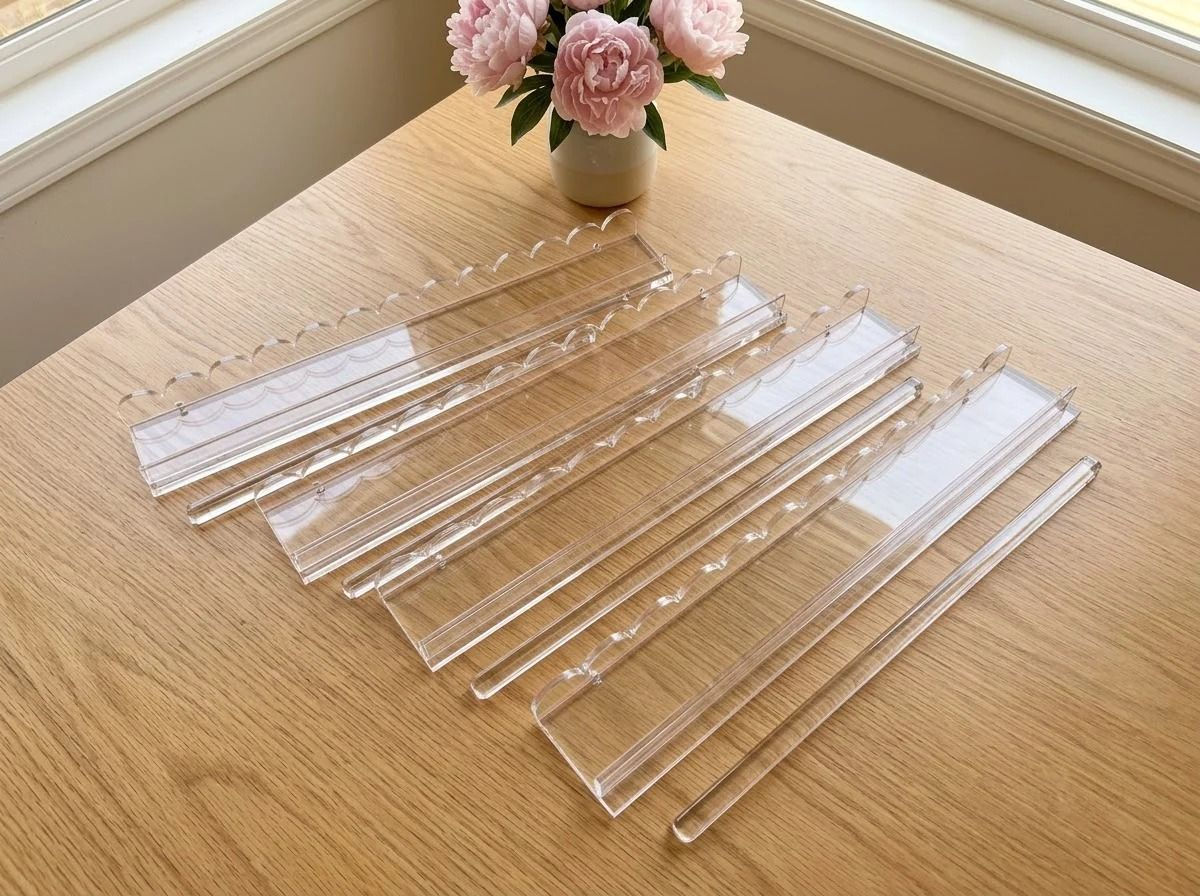
A mahjong pusher is a small tool—typically 3–5 inches long—that sits in your rack to organize and nudge tiles forward as you draw or discard. Modern pushers come in acrylic, bamboo, and plastic; some racks include a pusher, others sell it separately. Acrylic pushers work best with acrylic or bone tiles and slide smoothly; bamboo suits traditional tile sets but can snag slightly. Choose based on your tile material, hand span (narrow vs. wide), and whether you prefer a pusher that stays in the rack or detaches. From our experience hosting weekly games, the wrong pusher causes fumbling and tile jams; the right one vanishes into your routine. Mahstead racks with pushers include designs suited to different tile weights and hand sizes, so you can order a set confident the pusher and rack fit your needs.
A good pusher makes tile management effortless, but choosing between acrylic, bamboo, and compact designs depends on your hand size, tile type, and play style.
What exactly does a mahjong pusher do?
A pusher is the lever that lets you advance tiles from the back of your rack to the front as you draw or discard. It sits perpendicular to your tiles and slides along the base of the rack. Without one, you push tiles by hand—which crowds the rack, risks knocking them over, and slows the game. A pusher handles the job cleanly, lets you keep your hand clear, and makes tile draws look composed rather than frantic. Most pushers are 3–5 inches long and weigh less than an ounce, so they're never in the way.
How do acrylic and bamboo pushers differ in real play?
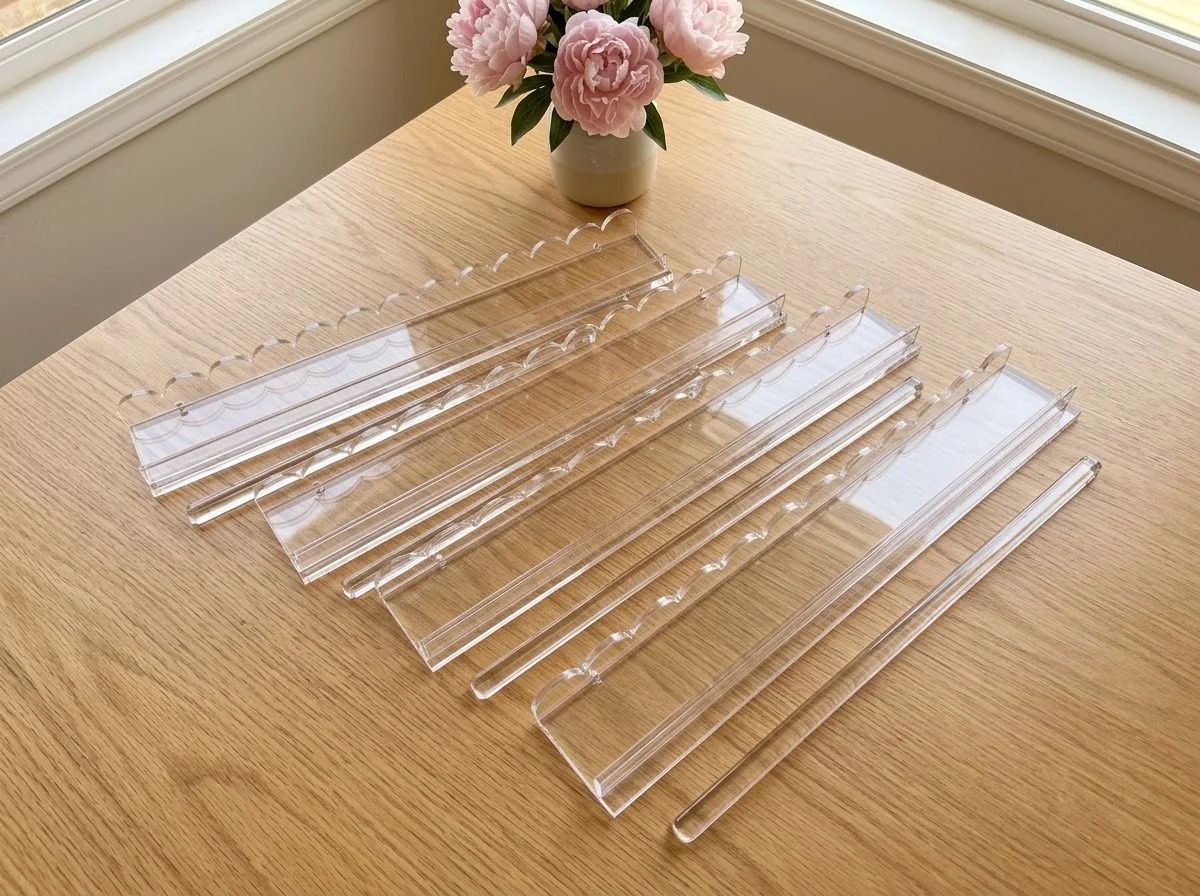
Acrylic pushers glide across acrylic rack surfaces with minimal friction; bamboo pushers have a slightly grainier texture that works well with traditional bone or bamboo tile sets but can catch on very smooth acrylic racks. Acrylic is easier to keep clean (a quick wipe with a damp cloth) and doesn't absorb odors or moisture. Bamboo ages beautifully and feels more traditional—some players prefer the slight resistance because it gives them tactile feedback and prevents accidental tile spillage. Cost-wise, acrylic tends to be slightly less expensive. If you own best-selling mahjong sets with acrylic tiles, pair them with an acrylic pusher; if you have bone or ivory tiles, either works, though bamboo feels more authentic. Test a pusher on your rack before committing—some players find bamboo too sticky with acrylic tiles, others swear by it.
Built-in vs. detachable pushers: which matters?
Some mahjong racks with pushers have the pusher permanently attached; others let you remove it. Built-in pushers save space and won't get lost, but you can't replace them if they wear or break. Detachable pushers give you flexibility—swap in a different style, use the rack without a pusher if someone prefers hand-only play, or replace a worn pusher without buying a new rack. From our weekly games, we've found that a detachable pusher works better for travel because you can pack the pusher separately in a mahjong bag or case and reduce the rack's footprint. If you're building a permanent home setup, a built-in pusher is fine; if you host games or travel, detachable is worth it.
Which pusher width and angle work for different hand sizes?
Pusher width ranges from roughly 1.5 to 2.5 inches. Narrow pushers suit players with smaller hands or those who prefer a lighter touch; wider pushers give you more contact area and are easier for players with larger hands or arthritis. Angle matters too—most pushers sit at 90 degrees to the tile rows, but some racks feature a slight slope that makes the pusher feel more natural. Test before you buy: hold a pusher mockup in your hand and slide it along your rack. If your fingers overshoot or cramped, the pusher is too narrow; if you're pushing multiple tiles unintentionally, it's too wide. Mahstead's racks with pushers collection includes multiple widths, so check the product photos to estimate which will fit your grip.
What's the real difference between economy and premium pusher materials?
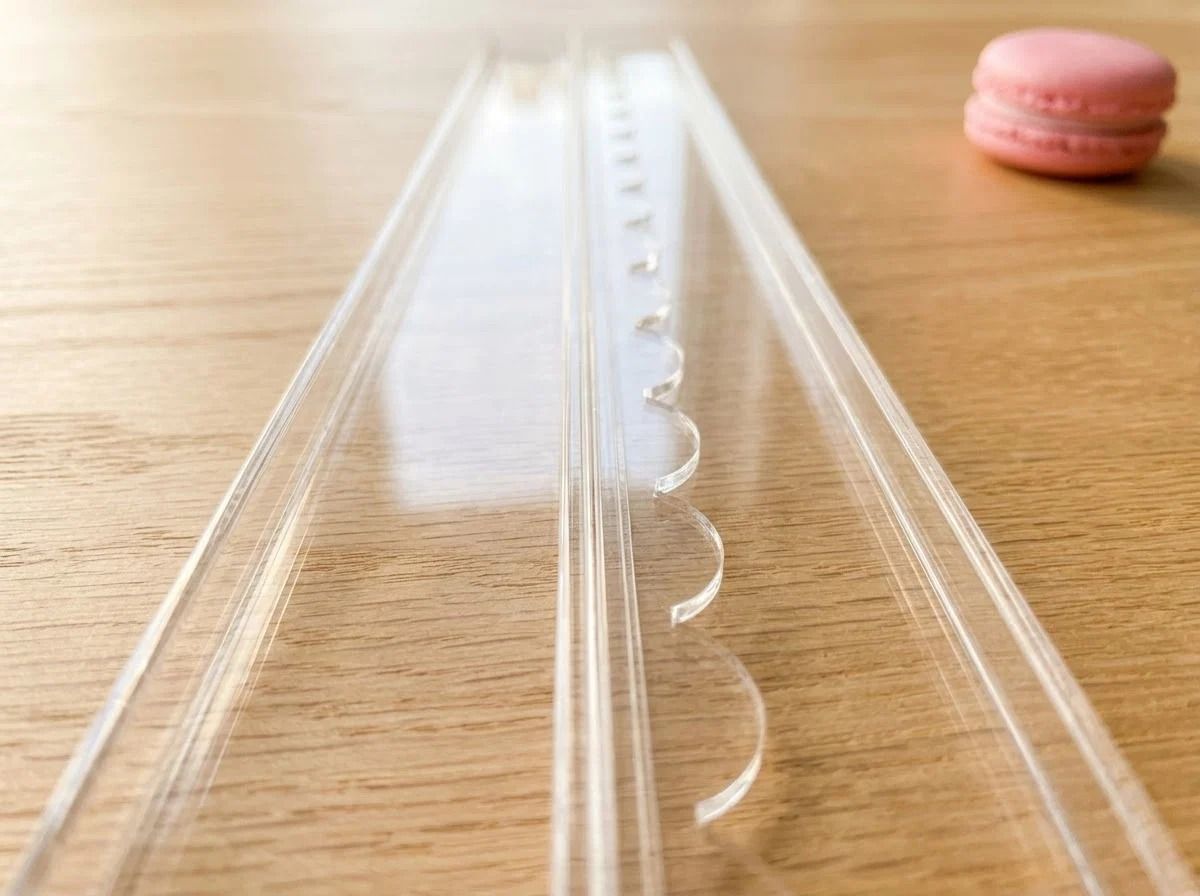
Economy pushers are usually molded plastic—cheap, light, and prone to cracking after a year or two of weekly play. Premium pushers are acrylic, bamboo, or polished bone; they resist cracking, feel better in hand, and often have weighted bases that keep them from sliding out of the rack. A premium pusher costs modestly more but lasts through hundreds of games. Consider your play frequency: casual monthly games = economy is fine; weekly games or more = premium pays for itself within a year. Material quality also affects glide: cheap plastic can leave tiny scratches on acrylic tiles and racks over time, while a smooth acrylic or bone pusher won't.
Pusher Type | Best For | Glide Feel | Durability | Cleaning |
Acrylic | Acrylic tiles, modern sets | Smooth, minimal friction | 3–5+ years | Easy (wipe cloth) |
Bamboo | Bone/ivory tiles, traditional play | Slightly grippy | 2–4 years | More care needed (moisture-sensitive) |
Plastic (economy) | Casual play, low budget | Variable, can snag | 6–12 months | Easy but scratches racks |
Bone (premium) | All tile types, collectors | Very smooth | 5+ years | Easy, develops patina |
How to match your pusher to your tile set and rack.
First, identify your tiles: acrylic, bone, or bamboo. Check your rack material too—acrylic racks pair best with acrylic pushers; wooden racks work with bamboo or bone. Second, measure your hand span (thumb to pinky stretched) and the inside width of your rack—you want 0.5 inches of clearance on either side of the pusher. Third, test glide by running a pusher sample (or your finger, simulating the motion) along the rack base at a game—a smooth, steady motion with no stuttering is ideal. Fourth, consider your game frequency: weekly players invest in a premium pusher; casual players start with economy and upgrade if needed.
If you're new to the game or buying your first mahjong racks with pushers, ask the seller which pusher width matches your hand size or request a recommendation based on your tile type. Mahstead's product descriptions include material and width specs; use those to narrow your choice, then order one set and test it before buying multiples.
🀄 Shop best-selling mahjong sets →
What to check before you buy a pusher or rack combo.
Material match: Confirm your tile type. If unsure, check your what's in an American mahjong set guide—it explains tile materials.
Pusher width: Measure your hand span or test a sample at a friend's game. Narrow (1.5–1.75") suits small hands; standard (1.75–2") works for most; wide (2–2.5") suits larger hands or players with mobility issues.
Attachment style: Built-in = permanent, less flexible. Detachable = better for travel or swaps. Decide based on your play setup.
Glide smoothness: Request a product photo showing the pusher in the rack, or ask the seller to confirm it slides without sticking on your tile type.
Spare parts: Can you buy a replacement pusher if yours wears out? Some racks sell pushers separately; others don't.
Compatibility with your mahjong bag or case: If you travel, ensure the rack + pusher fit in your bag without jamming.
🎁 See our most-loved mahjong sets & accessories →
Many new players skip the pusher and use their hand, then wonder why the tile wall feels chaotic by game five. A good pusher costs very little and transforms your comfort at the table. We've hosted games where one player's hand-only style made others fumble sympathetically; once everyone had a pusher, the table moved faster and felt calmer. It's one of those small upgrades that doesn't sound important until you try it.
✨ Find your Mahstead set — free US shipping →

FAQ
Can I use a pusher with any mahjong tile type?
Yes, but acrylic pushers glide smoothest on acrylic tiles and racks; bamboo and bone pushers work on all types but may stick slightly on very smooth acrylic surfaces. Test compatibility with your specific tiles before a game.
Do I need a pusher, or is hand-pushing fine?
Hand-pushing works, but a pusher keeps your hand free, prevents accidental tile tipping, and speeds up the draw-and-discard cycle. Weekly players find pushers essential; casual players may not notice a difference.
How wide should my pusher be?
Measure your hand span and the inside width of your rack. Aim for 0.5 inches of clearance on each side of the pusher. Narrow pushers (1.5–1.75") suit small hands; standard (1.75–2") works for most; wide (2–2.5") suits larger hands.
Can I replace the pusher if it cracks or wears out?
Detachable pushers can be replaced individually; built-in pushers require buying a new rack. Check the product description to see whether the pusher is attached or removable.
Is a bamboo pusher better than acrylic?
Neither is universally "better"—bamboo offers traditional feel and suits bone tiles; acrylic is easier to clean and glides more smoothly on acrylic racks and tiles. Your tile type and play frequency should guide your choice.
How long does a pusher typically last?
A quality acrylic or bamboo pusher lasts 3–5+ years with weekly play. Economy plastic pushers wear out within 6–12 months. Premium materials pay for themselves if you play regularly.


View More
View More
View More
