
Melamine Mahjong Tiles: Weight, Feel & Why It Matters
Last updated: Nov 23, 2026
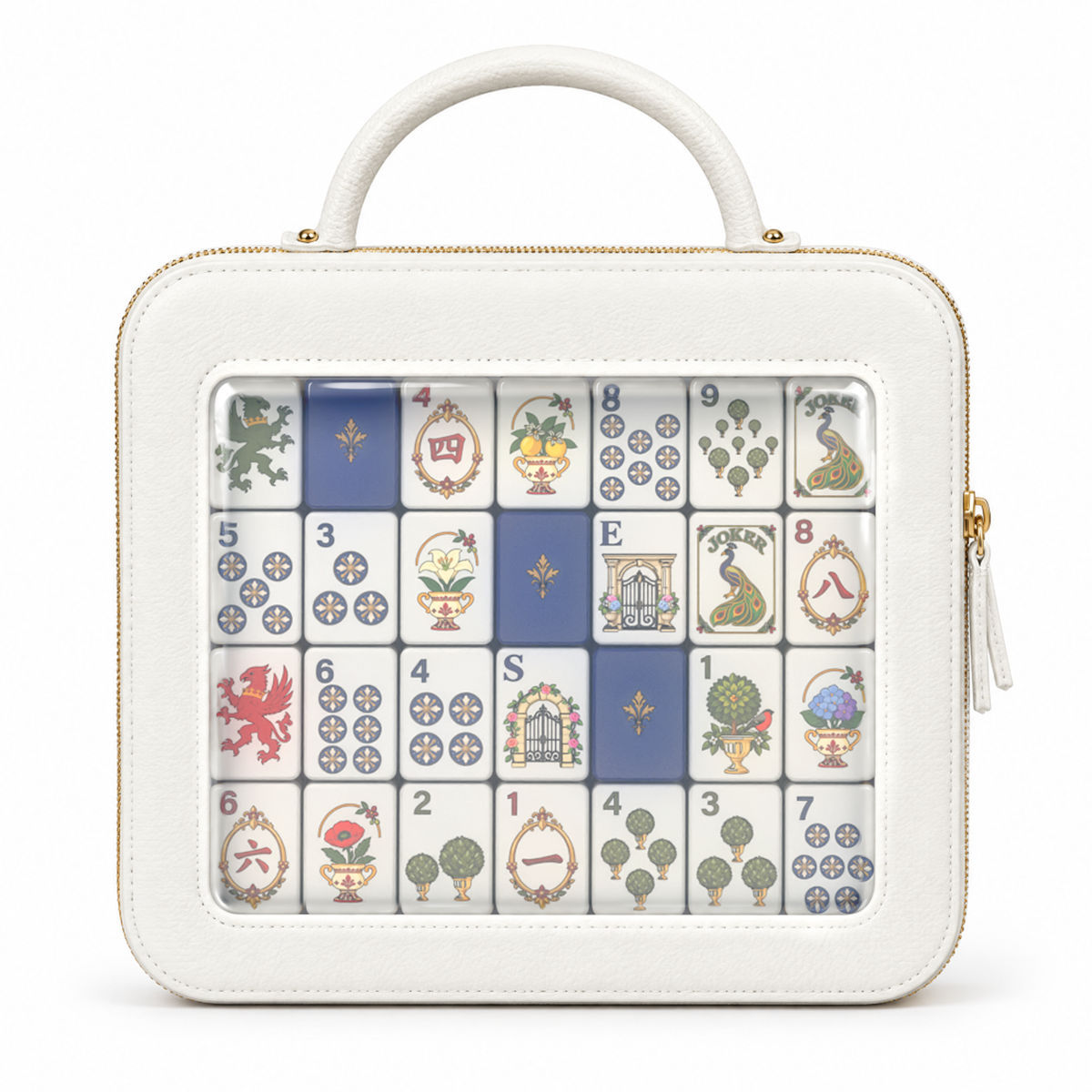
Melamine mahjong tiles weigh significantly less than bone or bamboo alternatives—typically 2–3 grams per tile versus 4–6 grams for premium materials. Melamine is a plastic composite that resists staining and cracking, making it ideal for frequent use and players on a budget. A full 160-tile set in melamine weighs roughly 600–700 grams total, compared to 1.2+ kilograms for bone sets. The lighter weight means less hand fatigue during long games, but tiles feel less substantial when shuffling or discarding. Melamine tiles slide smoothly on mats and produce a duller sound than bone—some players prefer this quieter play, others miss the sharp click of traditional materials. Durability is melamine's strength: it resists moisture, won't yellow, and tolerates drops better than bamboo. At Mahstead, engraved American mahjong sets in melamine start at the most accessible price point, making them perfect for growing your player pool or replacing worn tiles. 🀄 Shop best-selling mahjong sets →
What weight range feels comfortable during a four-hour game?
Most players feel fatigue around 3–4 hours when handling tiles heavier than 5 grams each. Melamine's 2–3 gram weight spreads play comfort across longer sessions; bone tiles demand more grip strength and wrist support, especially if you're picking up and discarding 80+ times per game. Lighter tiles also reduce strain for players with arthritis or hand weakness. Test by holding a single tile pinched between thumb and two fingers—if it requires constant pressure to stay stable, you'll feel it by hour three. Melamine tiles rarely cause this problem because they're effortless to manipulate.

How does melamine thickness affect shuffling and tile stacking?
Melamine tiles typically measure 28–32 millimeters long and 2–2.5 millimeters thick—thinner than bone (often 3+ millimeters). Thinner tiles stack lower, so your discard piles sit closer to the mat, reducing reach distance and arm strain. During the Charleston (the pre-game tile-passing ritual), lighter, thinner melamine tiles shuffle faster and more quietly than bone. The trade-off: bone tiles feel more "locked" in your hand during rapid passing, whereas melamine can slip if your grip loosens. Our mahjong racks with pushers grip melamine just as securely as bone, so rack stability is not an issue.
Do melamine tiles sound different, and does that matter?
Bone tiles produce a sharp, crisp click when placed or shuffled; melamine emits a softer tap. The quieter sound appeals to players who prefer focus over noise or live in apartments where sound carries. Some weekly game groups actually prefer the muted acoustics—it feels less confrontational during competitive rounds. However, veteran players sometimes report that the duller sound makes it harder to track pace (the rhythm of discards and plays). This is mostly habit; your ear adapts within 2–3 games. If you're joining an existing group that plays bone, switching to melamine mid-session may feel jarring, but switching to melamine from another material is seamless.
What's the real durability advantage of melamine over bone?
Bone tiles crack or split if dropped on hard floors, especially at the corners. Melamine flexes slightly on impact and rarely cracks—we've seen sets survive hundreds of games and occasional kitchen-table drops. Bone also yellows or stains if exposed to moisture or coffee spills; melamine shrugs both off. Bamboo (used in some tile sets) warps if humidity fluctuates. For a set you'll play with weekly and throw into a travel bag or case between games, melamine outlasts bone dollar-for-dollar over five years. If you're a casual player or borrowing a shared set, durability difference is moot—but if you host weekly games and own your tiles outright, melamine's resistance to cracking and staining saves hundreds in replacement costs.
Should you choose melamine if you're learning to play American mahjong?
Absolutely—and here's why. New players focus on tile recognition, hand patterns, and the National Mah Jongg League card; they don't yet develop preferences for tile feel. Starting with melamine removes cost anxiety (you can replace tiles guilt-free if someone damages them) and lets you build habit before upgrading to bone later, if you choose. Beginners also move tiles more clumsily—bone tips chip; melamine laughs it off. Once you're confident and have played 50+ games, your hands develop muscle memory and you'll know whether you prefer light-and-quiet or heavy-and-clicky. Mahjong for beginners often involves multiple players handling unfamiliar tiles; melamine's forgiveness is a feature, not a compromise.
🎁 See our most-loved mahjong sets & accessories →

How do tile weight and feel affect the Charleston?
The Charleston—where players pass tiles across the table in rapid three-step rounds—puts the most stress on tile handling. Heavier bone tiles require a deliberate flick; lighter melamine tiles zip across faster, sometimes sliding past the intended receiver. This isn't bad; it just changes rhythm. Melamine tiles also scatter less when stacked sideways during the pass because they're thinner and more uniform. If your group includes older players or those with limited hand dexterity, melamine's lighter weight and quicker glide reduce fumbles. Conversely, if your group likes a slow, deliberate Charleston (common in competitive play), bone's weight naturally paces the ritual. Read more on the Charleston explained for details on timing and technique.
What should you check before buying a melamine set?
Factor | What to verify | Red flag |
Tile smoothness | Surface is even, no rough edges | Visible seams or bumps on tile faces |
Engraving clarity | Symbols are crisp and legible (if engraved) | Blurry or faded symbols, especially on back |
Joker count | Set includes 8 jokers (standard for 160-tile play) | Fewer than 8, or extras not listed |
Mat compatibility | Tiles slide smoothly on your mat | Tiles catch or stick during shuffle |
Pushers & racks | If included, pushers slide under tiles without resistance | Pushers too thin or too thick to grip |
Color consistency | All Bams, Craks, Dots, winds are uniform hue within suit | Tiles vary shade (sign of inconsistent manufacturing) |
Engraving design | Matches your preference (traditional, modern, joke-text) | Design is faint or inconsistent across the set |
Before opening a new set, verify the tile count: you should have 152 playing tiles plus spares. Melamine tiles are packed tightly to prevent rattling; expect them to feel slightly sticky from compression—this disappears after one shuffle session. Check that engraved tiles (if chosen) are readable under your table's lighting; some dining lights flatten contrast on matte melamine surfaces.
✨ Find your Mahstead set — free US shipping →
Does melamine hold up better in humid climates?
Yes. Bone warps slightly; bamboo absorbs moisture and can swell or rot at edges. Melamine is inert—humidity has zero effect. If you live in a humid region (Southeast US, Gulf Coast, Pacific Northwest) or near coastal areas, melamine is the practical choice. Bone sets in high-humidity homes require active storage management (sealed bags, desiccant packs). Melamine sits in any closet, any season, worry-free. This advantage alone justifies melamine for casual players in wet climates.
What's the best melamine set for hosting weekly games?
Look for engraved American mahjong sets with traditional or custom engraving—readability is critical during fast play. Pair your set with a mahjong mat to reduce noise and tile slipping, racks with pushers to organize hands, and a travel bag or case if you rotate hosting between homes. This bundle is durable, affordable, and scalable—add a second set if you ever host eight-player tournaments. New arrivals are added seasonally; check what's fresh if you like custom engravings or special finishes.

FAQ
Can I mix melamine and bone tiles in the same game?
No. Mixing materials changes weight balance, shuffling speed, and tile recognition under table lighting. Always use a single material per 160-tile set. If your group splits between two sets (one melamine, one bone), assign one set per table.
How long does a melamine set last if played weekly?
5–10 years with normal care. Melamine doesn't wear through; eventual replacement is cosmetic (faded engraving) or accidental damage. Bone sets last similarly in ideal conditions but require more storage care.
Are melamine tiles slippery on a bare table without a mat?
Slightly—they slide faster than bone on wood or Formica. A mat improves grip and protects your table surface. Melamine + mat combination is standard at weekly game tables.
Can I engrave melamine tiles myself or have them custom-engraved?
Mahstead offers engraved sets with various custom designs. Custom-engraving melamine at home is possible with a laser engraver, but we don't recommend DIY unless you have equipment experience—errors are permanent.
Does lighter weight mean melamine tiles are lower quality?
No. Weight and quality are unrelated. Lighter weight is by design for comfort and speed. Quality depends on manufacturing precision (even thickness, consistent color, crisp engraving, proper joker count). Melamine can be excellent quality at a lower price point than bone.
What's the typical price difference between melamine and bone sets?
Melamine sets are 40–60% less expensive than bone, based on material cost. See current pricing on the Mahstead product pages for exact figures.
If I buy melamine now, can I upgrade to bone later and use both?
Yes, but keep them separate—don't mix in one game. Some groups rotate sets each week for novelty; others keep one backup set in reserve for when the primary set needs cleaning or inspection.


View More
View More
View More
