
Mardi Gras Mahjong Party Invitations: Wording & Ideas
Last updated: Nov 23, 2026
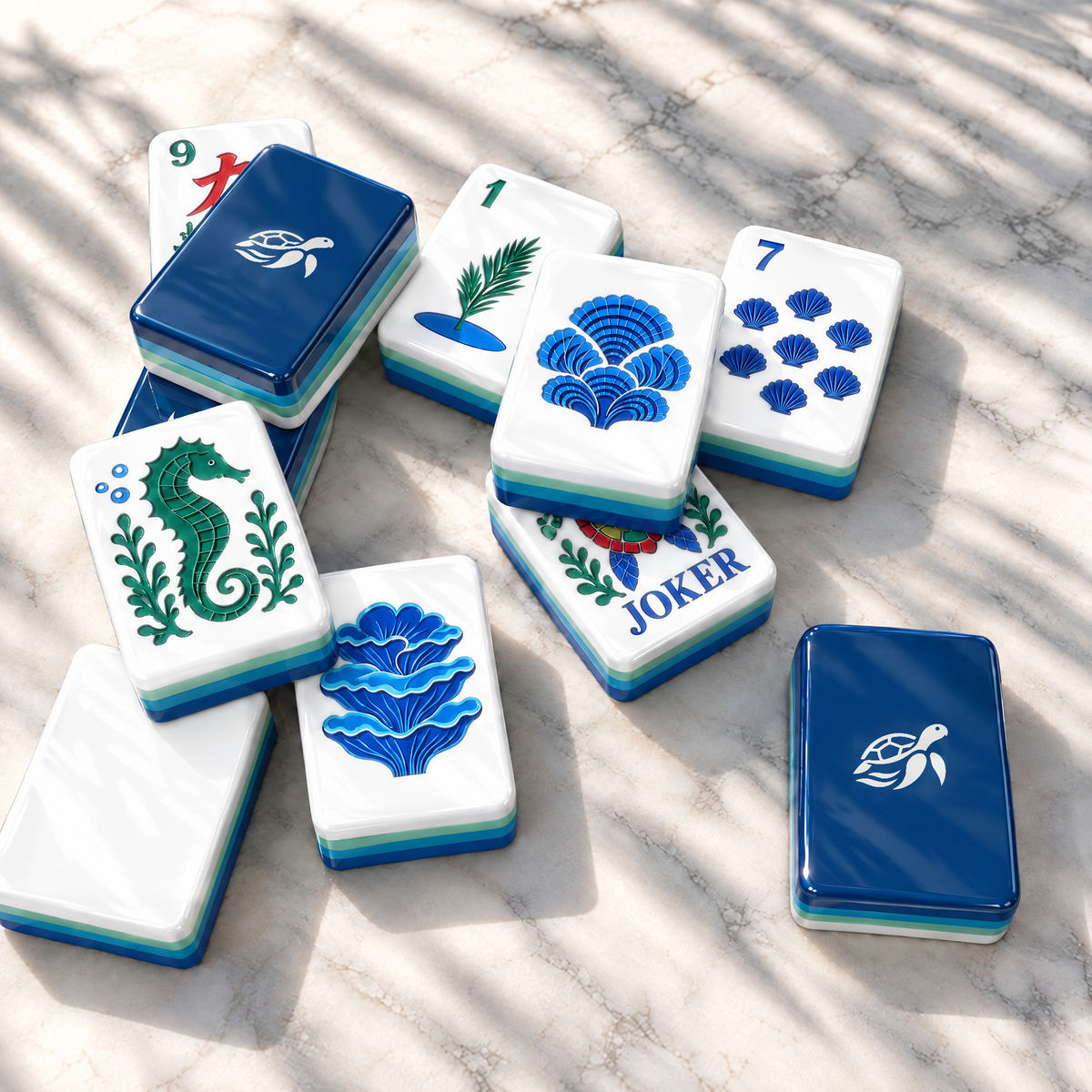
A Mardi Gras mahjong party invitation should combine carnival energy with game-night logistics. Include the date, start time, player count (ideally four), an RSVP deadline (at least two weeks out), and a playful tone—something like "Masked tiles and high hands await" or "Bam, Crak, Dot … and beads?" Mention whether you're supplying tiles or asking players to bring sets; most hosts of weekly games own one acrylic American mahjong set per two players so everyone can host without burden. Don't promise prizes unless you plan them; do confirm that all four seats are filled (mahjong requires exactly four). Keep invitations under 100 words—texts or email work best—and send paper cards only if you're leaning into the "throwback New Orleans salon" theme. Theme it with jazz references or colors (purple, green, gold) but stick to accurate mahjong rules; confused guests will slow the night.
What tone works best for a Mardi Gras mahjong invite?
Warm, specific, and playful beats generic. Name the year's National Mah Jongg League card or say "2026 hands" so players know what to expect. Include a joke that signals fun without pretending to be comedy—"Tiles not throws" or "Kong the night away" work; avoid forced puns. Hosts of weekly games know that enthusiasm from the invitation sets the table energy. Mention the decade or era you're channeling if it's a costume theme (1920s salon vs. modern Carnival). Finish with a sentence that confirms readiness: "We'll handle setup and snacks—just bring your mask and your A-game."

How do you explain mahjong rules in an invitation?
Skip the rules in the invitation itself. Assume invitees either know American mahjong or are willing to learn; detailed rules bore readers. Instead, add one line: "Beginner-friendly—or bring your strategy if you play." If you're hosting first-timers, send a separate email or text one week before with a link to how to play American mahjong or offer a 15-minute pre-game primer. Mention that you'll use the current-year League card (the only legal reference), that tiles stay in hand face-down until play starts, and that the Charleston (the pre-game tile-passing ritual) takes five minutes. Frame it as "simple once you see it live," not as a barrier.
What logistics should you include?
State arrival time (15 minutes before play), table address with parking details, bring-your-own beverage policy, and how long a session runs—typically three to four games, plus setup, takes two to three hours. Confirm the player count: mahjong is always four players, no substitutions mid-game, so lock the list at four or five max (the fifth watches or joins a second table). Mention whether you're supplying sets, mats, and racks or asking guests to bring their own. If it's your first Mardi Gras mahjong night, offering to host with a quality mahjong mat and racks with pushers removes friction for beginners. Include your phone number and an RSVP deadline—seven to ten days is fair.
How do you theme the invitation without muddying the message?
Use Mardi Gras colors and a one-line reference, not a costume manifesto. Something like "Join us for a Mardi Gras night of mahjong, beads, and friendly competition—purple, green, and gold encouraged." Add a detail about the venue (a home salon, a patio with string lights, a friend's condo) that matches the vibe. If you're asking guests to wear masks or dress up, be explicit: "Masked optional; masked encouraged; masked required"—ambiguity kills turnout. Skip novelty mahjong jokes unless you've tested them with your player circle first; what reads clever in draft often feels forced aloud. Keep the tone consistent: if you open formal ("You are cordially invited"), close formal; if you open casual, stay casual. Mardi Gras is celebration, but the invitation's job is clarity.

What wording brings in both mahjong regulars and new players?
Target both crowds with a single phrase: "Join us for Mardi Gras mahjong—seasoned players welcome, curious beginners encouraged." This signals safety (no gatekeeping) and skill-level mix (the way most weekly games work). If you're hosting mostly regulars, say "Bring your mask and your 2026 card" (assumes they have both). If it's mixed, mention "We'll have extra League cards on hand for reference." Avoid language that sounds pretentious ("elevated game night," "exclusive tiles") or overly casual ("just hanging with tiles") unless that's your real crowd. Use "Join us" rather than "You're invited" or "Come play"—it feels collaborative. End with a personal touch: "Can't wait to see you under the chandeliers" or "Hope you're ready to honor the Dots."
Invitation Type | Best For | Key Wording | Why It Works |
Text/email (short) | Regulars + casual guests | "Mardi Gras mahjong night, Feb 22, 6–9 PM. Four players. RSVP by Feb 15." | Fast, clear, no overthinking. |
Evite or email (medium) | Mixed skill + themed | "Join us for a Mardi Gras mahjong evening—2026 card provided, all levels welcome. Masked encouraged." | Professional, inclusive, playful. |
Paper card (formal) | Longstanding player circle | "You are invited to an evening of mahjong and Mardi Gras. Details and tile reference inside." | Shows effort, memorable, matches tradition. |
Group chat (casual) | Close-knit weekly game | "Mardi Gras edition ready? Feb 22, 6 PM, my place. Bring the energy." | Intimate, assumes trust. |
🀄 Shop best-selling mahjong sets →
What should a host checklist include before sending invites?
Confirm you have tiles, a mat, and racks with pushers for at least one table. Check the current-year National Mah Jongg League card (issued in spring 2026) is in hand or downloadable. Decide whether snacks, drinks, or décor are your responsibility or shared; state this clearly. Pick an exact start time (not a range like "around 6 PM"; say "6 PM sharp"). Lock the player count at four (or plan a second table if five or more want in). Set an RSVP deadline so you know numbers and can follow up. Test your internet if you're emailing the League card or linking a rules guide. Confirm parking and entry details if guests haven't been to your space. Have a backup date in case a player cancels late.
🎁 See our most-loved mahjong sets & accessories →
What tone is a red flag for invitees?
Vague ("sometime soon"), pressuring ("you must come"), or misleading wording ("prize money—exact amount TBA") kills RSVPs and trust. Don't overpromise entertainment ("professional-level game"; most weekly games are fun and competitive, not Vegas). Avoid language that excludes: "only serious players" or "no beginners" shrinks your pool and signals anxiety. Don't mention Mardi Gras without also saying mahjong clearly in the first line; you'll get fashion-party RSVPs. Never assume prior knowledge ("bring your tiles" if you haven't told them you're playing American mahjong or where to buy a set). Steer clear of novelty or offensive stereotypes; a Mardi Gras mahjong night is celebration of both traditions, not caricature.
✨ Find your Mahstead set — free US shipping →
What you'll need to host a Mardi Gras mahjong night
Tiles & Equipment: A 160-tile acrylic American mahjong set (supplies one four-player table); a matching mahjong mat for the playing surface; racks with pushers to hold tiles upright and hidden. If you're hosting regularly, a travel bag or case protects your set between parties.
References & Decor: The current-year National Mah Jongg League card (downloadable free from the League or printed). Purple, green, and gold accents (table runner, flowers, napkins). A notebook to track hands/scores if your group keeps them.
Pre-Party Checklist:
[ ] Confirm four players, RSVP deadline seven days prior.
[ ] Check League card is accessible (printed or linked).
[ ] Test racks and pushers; make sure tiles shuffle smoothly.
[ ] Clear table space (at least 36" × 36" for four-player play).
[ ] Set start time to the minute.
[ ] Write invitation with tone, date, address, parking, RSVP method, and one Mardi Gras detail.
FAQ
Can I send a Mardi Gras mahjong invite via text?
Yes. Include date, start time, address, player count (four), RSVP deadline, and one playful line. Texts work best for regulars who already know the game and venue.
Should I explain American mahjong rules in the invitation?
No. Assume invitees either know it or are willing to learn. Offer a separate rules link or a 15-minute primer one week before if guests are beginners. Keep the invitation focused on logistics and tone.
What's the ideal number of days before the party to send invites?
Send seven to ten days ahead. This gives guests time to RSVP while keeping the event fresh. For formal events or paper cards, mail two to three weeks prior.
Can I mention a prize or money game in the invitation?
Only if the exact terms are settled in advance (entry fee, hand payouts, payout rules). Vague references ("possible prizes," "TBA") erode trust. Most weekly mahjong games are played for fun, not money.
What's the best way to phrase "bring your own set"?
"We have one set; please bring your own if you have one" or "Tile sets provided—or bring yours if you prefer." This removes pressure and signals generosity.
Should I mention the Mardi Gras theme if it's subtle?
Yes, in one sentence: "Come for mahjong, stay for Mardi Gras vibes" or "Purple, green, and gold encouraged." This sets expectations and invites guests to dress the part without obligation.


View More
View More
View More
