
Malaysian Mahjong vs Filipino Mahjong: Rules and Key Differences
Last updated: Nov 23, 2026
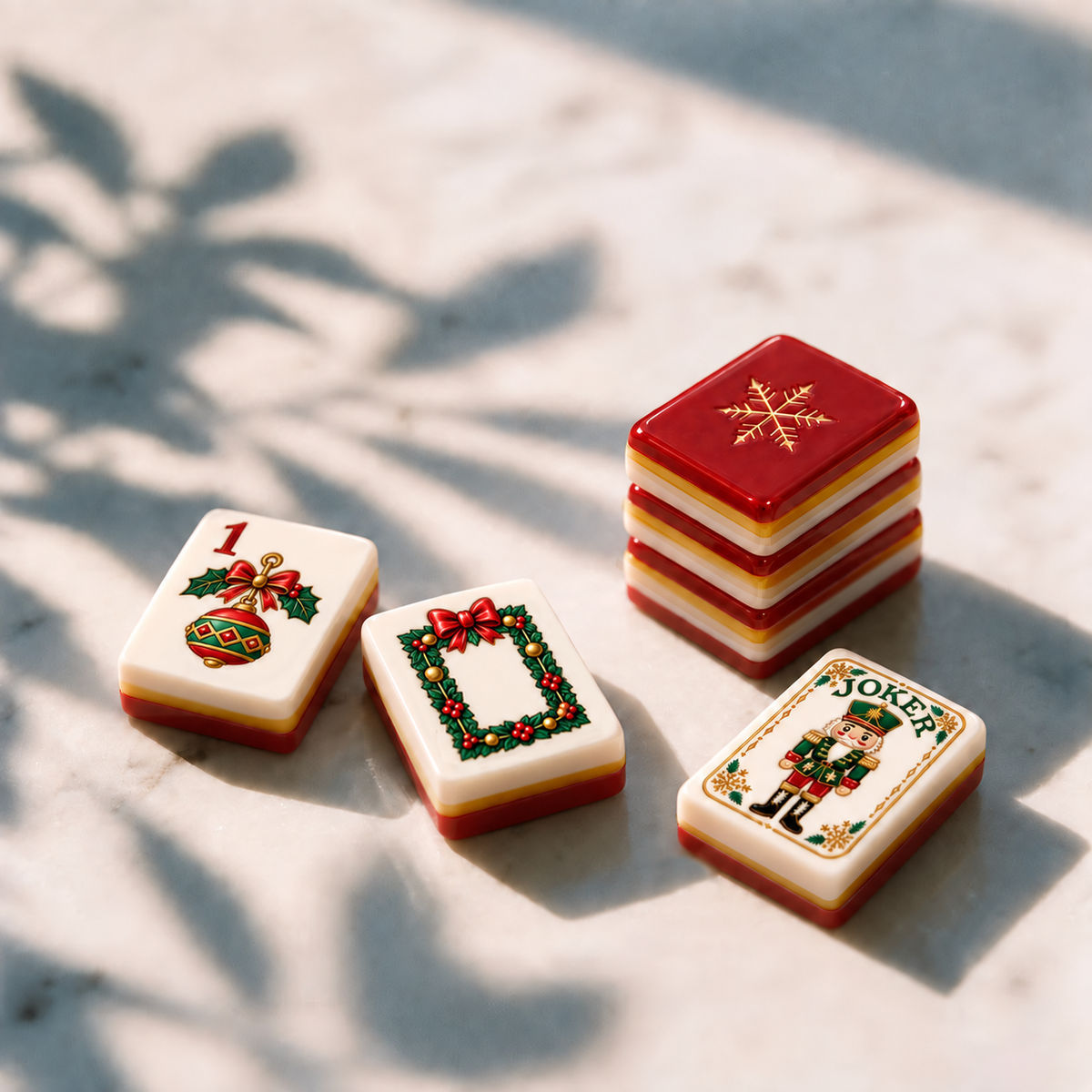
Malaysian mahjong (also called Mahjong Scorreano in some regions) and Filipino mahjong (Mah-Jongg Pilipino) are separate Southeast Asian variants with their own tile inventories, hand structures, and melds. Malaysian mahjong typically uses a 144-tile set with specific suit distributions and allows consecutive number sequences (chows); Filipino mahjong similarly incorporates sequence calls and unique hand patterns tied to local scoring systems. Both differ fundamentally from American mahjong, which uses 152 tiles, forbids sequences in exposed melds, and requires hands from the annual National Mah Jongg League card. Regional play in Malaysia and the Philippines follows local rule books and scoring tables published by national associations, played four-handed with ritual passing and wind rotations similar to other variants. Learning either variant requires a dedicated rule guide and practice with local players, as tiles, terminology, and valid hands are region-specific.
How does Malaysian mahjong differ from American mahjong?
Malaysian mahjong plays on a 144-tile set (not 152), includes honor tiles and a wind cycle similar to American play, but crucially permits chows—consecutive numbered sequences like 4-5-6 Bam—that can be called and exposed by other players. American mahjong forbids chows entirely; valid melds are only identical pungs, kongs, quints, and sextets. Malaysian hands come from region-specific scoring tables rather than a single annual card, and the game allows a wider variety of winning patterns. Players in Malaysia typically follow rulebooks from the Malaysian Mahjong Association, making regional consistency stronger than innovation-based play. If you've learned American mahjong, transitioning to Malaysian play requires relearning meld types and hand validation.

What are the core rules of Filipino mahjong?
Filipino mahjong (Mah-Jongg Pilipino) operates on similar structural principles to Malaysian play—using a 144-tile base set and permitting chows—but adds distinctly Filipino hand patterns and a unique scoring framework tied to local culture and gambling history. The game is typically four-handed with a dealer rotation, and hands are often tracked in a rule book rather than a card like American mahjong. Filipino play emphasizes certain traditional winning patterns, some dating back to Chinese mahjong roots, others adapted over decades of regional refinement. Players learn hand names in Filipino and English, and the calling protocol (who can claim a discard, how many tiles deep a player can reach) differs subtly from Malaysian or American variants. A Filipino mahjong set is nearly identical to a Malaysian set at first glance, but players use region-specific terminology and winning combinations.
🀄 Shop best-selling mahjong sets →
Why can't you play American hands in Malaysian or Filipino games?
American mahjong hands are explicitly limited to patterns on the current year's National Mah Jongg League card—released each spring—which reflect American-specific meld rules (no chows, heavy use of pairs and quints, strict joker placement). Malaysian and Filipino hands ignore this card entirely; instead, players reference region-published rule tables or memorized traditional patterns. A hand valid in Dallas on Tuesday (e.g., a pung of 7 Craks plus specific melds on the American card) may not exist as a winning pattern under Malaysian rules. Conversely, a 4-5-6 Bam chow—perfectly legal in Manila or Kuala Lumpur—is invalid under American play. The three systems reflect different historical paths: American mahjong codified in the 1920s–1930s by Western players, Malaysian and Filipino variants evolved from Chinese roots with local adaptations. Mixing rule systems mid-game creates disputes; always agree on your variant and rule source before tiles are shuffled.
What tiles and honor system do Malaysian and Filipino sets use?
Both Malaysian and Filipino standard sets contain 144 tiles: three number suits (Bam, Crak, Dot), numbered 1–9, with four copies each (36 per suit, 108 total); 16 honor tiles split into winds (4 each: North, East, South, West) and dragons (typically 4 Red, 4 Green, 4 White); plus 8 flower tiles and 4–8 jokers or blank tiles depending on the set purchased. A 144-tile inventory differs from the American standard of 152 (which includes extra jokers and dragons configured differently). Suit and honor distribution is nearly identical across Malaysian and Filipino sets; the practical difference lies in how players deploy these tiles—chow calls in Malaysian/Filipino play create a flow of exposed melds alien to American games. When shopping for a set to explore these variants, a standard 144-tile import set works for both; if you're a American player curious about variants, you'll find the tile names and suit symbols (bamboo for Bam, coins for Crak, dots for Dot) consistent across all mahjong traditions.
Variant | Tile Count | Permits Chows? | Hand Source | Scoring System | Best For |
American | 152 | No | Annual League card | League-published tables | Weekly home games, tournaments |
Malaysian | 144 | Yes | Regional rule book | Malaysian Assoc. standards | Regional play, SE Asia travel |
Filipino | 144 | Yes | Rule book + tradition | Local patterns, cultural hands | Philippine play, cultural groups |
Chinese (classical) | 136–144 | Yes | Traditional patterns | Seasonal/regional variants | Heritage learning, Hong Kong games |
🎁 See our most-loved mahjong sets & accessories →

How does the ritual and flow differ between variants?
All mahjong variants share a four-handed setup with a dealer, a wind cycle (North, East, South, West determining seating and turn order), and a tile draw-and-discard rhythm. However, Malaysian and Filipino play permit calling on any player's discard to complete a chow, pung, or kong—meaning the game flow reverses mid-turn. In American mahjong, only the player to the discarder's right can claim a tile (and only to complete a pung, kong, quint, or sextet—never a chow). This changes strategy: Malaysian/Filipino players must watch four directions for viable discards, competitive energy peaks around each tile played, and the game moves faster with more interruptions. American players enjoy longer individual turns and fewer contested claims. The Charleston (the tile-passing ritual before American play begins) has no direct equivalent in Malaysian or Filipino games, though some regional variants include preliminary hand-building phases. If you play weekly American games and encounter Malaysian or Filipino players, expect a more interrupt-driven rhythm and faster decision-making pressure.
Where can you learn and practice these variants?
Malaysian and Filipino mahjong communities thrive in their home regions, particularly in urban centers with Southeast Asian diaspora populations. In Malaysia, the Malaysian Mahjong Association publishes rule guides and organizes sanctioned play; in the Philippines, local mahjong clubs and cultural organizations teach regional patterns. Outside these regions, learning requires one of three paths: (1) travel to Malaysia or the Philippines and join a local club or lesson group; (2) purchase a region-specific rule book online and practice with a small group willing to study together; or (3) connect with diaspora communities in your city—check community centers, cultural associations, or meetup boards for Southeast Asian mahjong nights. Online video tutorials exist but vary in quality and often gloss over subtle rules; a written rule book and a patient local mentor are more reliable. American players interested in comparative study often learn American mahjong first (using our guide to how to play American mahjong), then gradually explore variants through travel or cultural connections. Many players find that learning one variant deeply—rather than hopping between all three—builds confidence and enjoyment faster.
✨ Find your Mahstead set — free US shipping →
What to check before you buy a Malaysian or Filipino set
If you're ordering a set to explore Malaysian or Filipino mahjong:
Confirm the tile count: A 144-tile set is standard for both variants. Sets labeled "full" or "complete" should include the standard suits, winds, dragons, flowers, and a small joker/blank reserve.
Verify suit markings: Bam (bamboo stalk), Crak (circle or coin), Dot (dot or orb) should be clearly printed or engraved; ambiguous symbols create confusion mid-game.
Check tile material and size: Imported sets may use smaller tiles (smaller than American standard); handle them before committing if possible, or buy from a vendor with a clear return policy.
Know the rule book source: The set alone is silent; you must own or have access to a Malaysian Mahjong Association rule guide or a Filipino mahjong rule book. Without it, gameplay disputes are inevitable.
Start with one variant: Don't buy two sets at once expecting easy switching; master one variant's rules first, then explore a second.
Our best-selling mahjong sets collection includes acrylic and engraved designs built to American 152-tile standards, but if you're curious about how tile construction and quality affect any mahjong variant, those pieces showcase durable engraving and clear markings across all three suits.

FAQ
Can I use an American mahjong set to play Malaysian or Filipino games?
Technically yes—both use the same three suits, winds, and dragons—but American sets typically contain 152 tiles (8 extra jokers or blanks) rather than the standard 144. You'll need to set aside 8 tiles before play. More importantly, American sets assume you'll be reading from an annual card; Malaysian and Filipino play requires a separate rule book. Tile markings and size are usually compatible.
What's the main advantage of learning a variant outside American mahjong?
Chow calls (sequences like 4-5-6 Bam) create a faster, more competitive flow and open strategic doors American play blocks. If you travel to Malaysia or the Philippines, or want to join diaspora community games, learning the local variant is essential for acceptance and enjoyment. American mahjong is more structured and card-dependent; variants offer spontaneous, tradition-rooted play.
How long does it take to learn Malaysian or Filipino rules compared to American?
American mahjong typically takes 4–8 weeks of weekly play to internalize (hand patterns, the annual card, joker rules). Malaysian or Filipino variants, without a single reference card, require 8–12 weeks and access to a native speaker or experienced local player. The learning curve is longer because you're also absorbing cultural context and regional terminology.
Are Malaysian and Filipino mahjong the same game with different names?
No. While both use 144 tiles, permit chows, and share Chinese roots, they have distinct hand patterns, scoring systems, and terminology. A hand valid in Kuala Lumpur may not win in Manila. Think of them as cousins rather than twins. Regional rule books are separate and not interchangeable.
Can I play Malaysian or Filipino mahjong with an all-joker hand like in American games?
Generally no. American mahjong allows hands composed entirely of jokers (e.g., all jokers in place of a pattern). Malaysian and Filipino variants treat jokers more conservatively—typically as wild tiles filling specific slots within a traditional hand pattern, not as standalone meld substitutes. Check your rule book; practices vary by region and house rules.
Where do I find the rule book for Malaysian or Filipino mahjong if I don't live there?
The Malaysian Mahjong Association and Filipino mahjong clubs publish guides; search online for "Malaysian Mahjong rules English" or "Mah-Jongg Pilipino rules book" and look for PDFs or printed editions from official sources. Facebook groups and diaspora communities often share scanned copies. Expect to pay a modest price for a printed booklet; digital versions are sometimes free or low-cost. Avoid YouTube tutorials alone—they lack the precision of a written rule set.


View More
View More
View More
