
Mahjong YouTube Lessons for Beginners: Learn to Play Fast
Last updated: Nov 23, 2026
YouTube mahjong lessons for beginners exist in abundance, but quality varies widely because the game itself splits into American, Chinese, Hong Kong, Riichi, and other regional variants, each with different tile counts, hand patterns, and rules. American mahjong—the most common version in the US—uses 152 tiles, requires hands from the current year's official card, and forbids sequences (chows). Start by searching for "American mahjong tutorial" or "NMJL mahjong lessons" to find channels that teach the right ruleset; avoid generic "mahjong" results that may cover Chinese or Hong Kong play instead. Most accurate beginner videos run 15–45 minutes and cover tile recognition, the Charleston passing ritual, hand-reading basics, and scoring. Before buying a set, watch 2–3 intro videos to confirm you're learning American rules, then invest in a full 160-tile acrylic set with a mat and rack so you can follow along with actual tiles—practice with real equipment cuts confusion in half.
Which YouTube channels teach American mahjong accurately?
The best channels teach only American mahjong or clearly label variant content. Look for channels with titles like "American Mah Jongg," "NMJL," or "National Mah Jongg League"; creators who teach one variant deeply earn more subscriber trust than those mixing styles without warnings. Accurate channels explain that American mahjong uses a card—a laminated sheet updated yearly—and that hands must match the card exactly; Chinese channels often skip this detail entirely. Subscribe to 2–3 channels, then drop the rest after your first video from each. Beginners often confuse themselves by switching channels mid-lesson; one consistent voice builds faster fluency than hopping between instructors.

What should your first YouTube lesson cover?
Your first video must cover four essentials: tile names and suits, hand structure basics, the Charleston (tile exchange before play), and one worked hand example. Any video skipping the Charleston wastes your time—it's the ritual you'll do at every game start, so learning it first prevents awkward table moments. The best first lessons show tiles on-screen close-up so you can name them aloud; static slides confuse beginners more than live tile handling. Watch once without pausing, then rewatch with pen and paper, sketching each tile category (Bams, Craks, Dots, Winds, Dragons, Flowers) and drawing three dots or four lines to count how many of each you're learning. After one video, stop and quiz yourself: can you name a 5 Crak and a West Wind? If not, rewatch the tile-naming segment.
How do you practice what you learn without playing with others?
Solo practice on YouTube requires three tools: a mahjong set, a mat to organize your tiles, and the printed current-year official hand card. After your first lesson, pause your YouTube video at each hand example and arrange those tiles yourself on your mat using real tiles from your set. This tactile repetition—seeing a 1 Bam bird on your screen and placing the matching tile—locks tile recognition into muscle memory far faster than watching alone. Shuffle your tiles and try to rebuild hands from the card while the video pauses; this mimics real table speed. Set a timer for 5 minutes and see how many valid hands you can spot from your shuffled rack. You cannot learn American mahjong by watching alone; the physical act of holding tiles and sliding them into your rack with pushers teaches your hands and eyes what your brain cannot absorb from a screen.
🀄 Shop best-selling mahjong sets →
What mistakes do YouTube beginners make—and how to avoid them?
The three most common stumbles are: (1) learning chows (sequences) when they don't exist in American play; (2) confusing joker rules by watching videos that don't specify how they work in your variant; and (3) skipping the Charleston explained video and arriving at a real game unprepared. To dodge these, before watching any hand-strategy content, watch a 10-minute video on "American mahjong jokers" and one on the Charleston passing ritual. Pausing to check: American mahjong has no exposed chows—you can only expose pungs (3 identical tiles), kongs (4 identical), and longer runs of identical tiles. If a YouTube creator shows you a 1-2-3 sequence called as a "chow," you're watching Chinese mahjong; close that tab and return to your American channel. Many beginners waste two months learning the wrong rules before realizing their YouTube source was teaching Cantonese play. Ask your YouTube channel creator in the comments: "Is this American NMJL mahjong?" and wait for a yes before investing three hours.

How do you move from YouTube lessons to your first real game?
After 3–5 YouTube lessons plus solo practice sessions, play your first game in a low-pressure setting—a friend's house or a community beginner meetup rather than a competitive club. Bring your set and mat so others can practice on the same equipment you learned with; this consistency prevents the disorientation many beginners feel at a stranger's table where tiles are unfamiliar or the mat layout differs. Review how to read the mahjong card one more time before you arrive; the card is the core reference, not memory, so it's always okay to ask "what does this row mean?" Play money or points is fine for your first outing. Ask the host to go slow and narrate what's happening—most experienced players enjoy teaching. After your first real game, return to YouTube only for specific confusion points (e.g., "what did that scoring mean?") rather than re-watching full tutorials; real play teaches faster than videos once your foundation is solid.
🎁 See our most-loved mahjong sets & accessories →
YouTube lessons: American vs. Chinese vs. other variants—how to choose
Variant | Tile count | Key difference | Best for | YouTube label to seek |
American | 152 | No chows; must use card | US home games | "NMJL," "American," "152-tile" |
Chinese | 144 | Chows allowed; no card | Asia, casual | "Chinese," "Hong Kong," "Cantonese" |
Riichi | 136 | Melding rules differ | Japan, online | "Riichi," "Japanese" |
Taiwanese | 144 | Hybrid chow/pung system | Taiwan, diaspora | "Taiwanese" |
Beginner confusion peaks when a YouTube video teaches the wrong variant. Before watching, check the channel description or first 30 seconds for a variant label. American players learn only from sources that say "American," "NMJL," or "152-tile set"—anything else introduces rules that won't transfer to your first game at a friend's house or local club. If you live in a major US city, your earliest games will almost certainly follow American NMJL rules, so start there; you can explore other variants later once you're fluent. Many excellent YouTube creators teach Chinese or Riichi beautifully but mislead beginners who think one variant applies everywhere.
✨ Find your Mahstead set — free US shipping →
What equipment do you need to practice YouTube lessons at home?
Item | Why it matters | What to look for |
160-tile set | Matches real play; 152 tiles + spares | Engraved tiles (beginners read them faster) |
Mat | Organizes tiles; prevents rolling | Sized for 4 players; non-slip base |
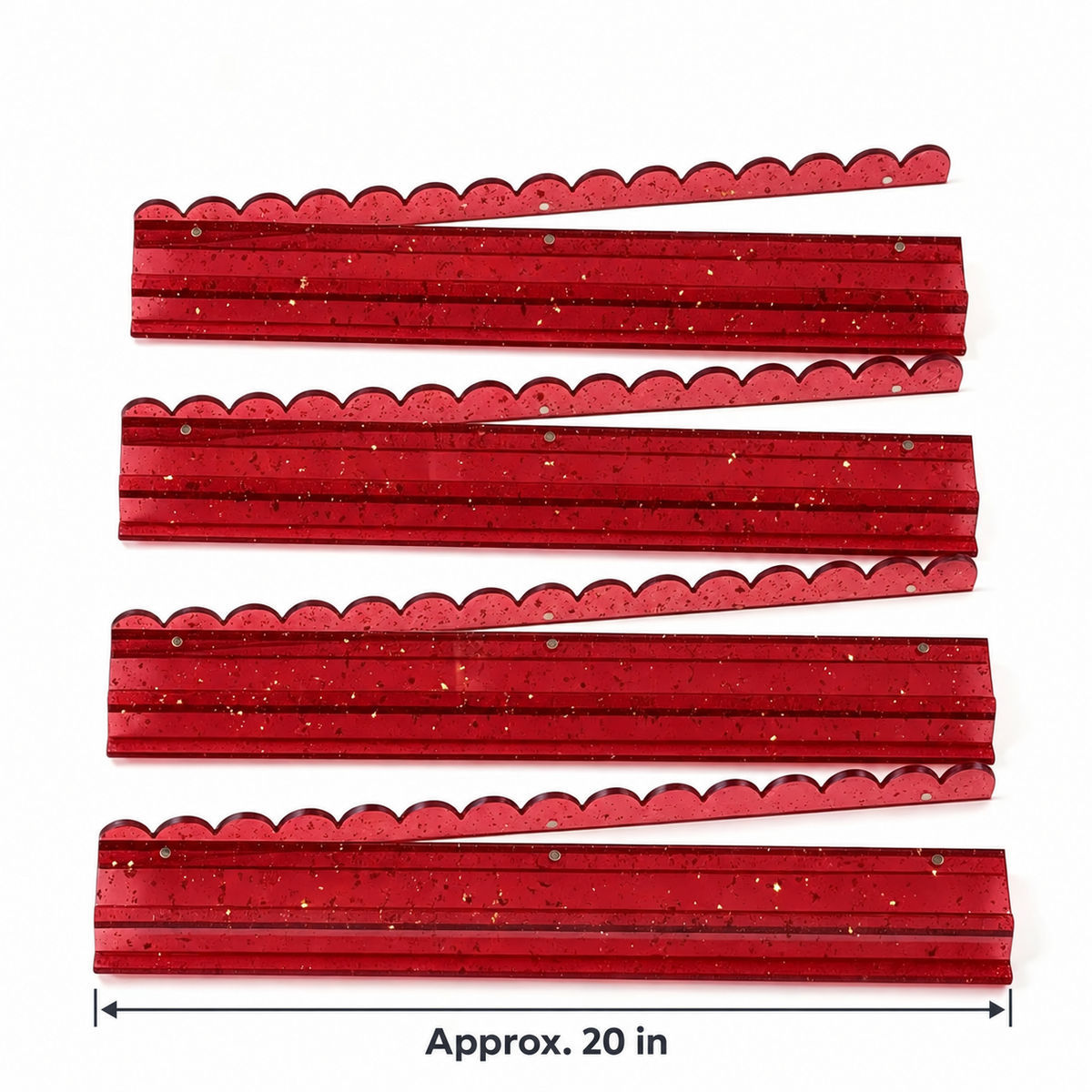
Rack with pushers | Simulates table play; protects tiles | Holds 19 tiles; smooth slider arms |
Official card | Only reference needed; printed yearly | Current year's National Mah Jongg League card |
A complete beginner setup costs less than a dinner for two and lasts decades. Many YouTube lessons show tiles in hand or standing on a cloth; you can learn that way, but adding a mat and rack with pushers shaves weeks off your learning curve because you'll practice exactly as you'll play at a real table. Engraved sets help beginners because tile names are printed directly on the acrylic; you're not squinting at tile symbols until they click. After six months you'll know tiles by sight and the engraving becomes a bonus, not a necessity, but during your first two months it's a game-changer. A travel bag lets you take your set to lessons or friends' houses; many YouTube learners benefit from a portable setup so they can practice anywhere.
Before you buy: a checklist for first-time mahjong learners
[ ] Watch one American mahjong intro video (15–30 min); confirm it says "American NMJL" or "152-tile."
[ ] Search "American mahjong tiles explained" and watch a tile-naming video; pause and name 5 tiles aloud to test yourself.
[ ] Watch one Charleston video and the joker-rules video for American play.
[ ] Buy or borrow a 160-tile acrylic set with engraved tiles; confirm it says "American" on the box or description.
[ ] Get a printed current-year official hand card from the National Mah Jongg League or a local club.
[ ] Practice solo for 2–3 sessions: shuffle, pause your YouTube video, rebuild hands, timer drills.
[ ] Ask a friend or find a local beginner meetup; arrive with your own set and mat.
[ ] Play your first game with someone calling the pace slow; keep the official card in front of you.
[ ] Return to YouTube only for specific rule questions after your first real game.

FAQ
Can I learn American mahjong from a Chinese or Hong Kong YouTube channel?
No. Chinese and Hong Kong mahjong use different tile counts, allow chows (sequences), and skip the hand card entirely. Starting with the wrong variant teaches you rules you'll have to unlearn. Always confirm the channel teaches American NMJL play before investing time.
How long does it take to go from YouTube lessons to playing a real game?
Most learners are table-ready after 3–5 videos (roughly 1–2 hours of viewing) plus 3–4 solo practice sessions with real tiles at home. Real play teaches faster than any video, so aim to play your first game within 1–2 weeks of starting YouTube.
Should I buy a mahjong set before watching YouTube lessons?
Watch 1–2 intro videos first to confirm you want to learn American mahjong. Then buy a set so you can practice with real tiles while watching lesson three onward. Practicing without physical tiles adds 3–4 weeks to your learning curve.
What if my YouTube channel doesn't explain something clearly?
Read the official channel description to confirm it teaches American NMJL play, then check the pinned comment or FAQ. If unclear, search "American mahjong [specific topic]" on YouTube or consult the pillar guide to mahjong for beginners. Many beginner communities answer questions free via comment or chat.
Is it okay to skip learning the Charleston and go straight to hands?
No. The Charleston is the tile-passing ritual before every game; arriving unprepared leads to awkward table moments. Watch a dedicated Charleston video before your first real game, even if it feels slow.
Can I use a YouTube video from five years ago, or do I need current lessons?
The core rules haven't changed, but the official hand card updates every spring. Old videos teach the game accurately but won't show this year's valid hands. Use old videos for tile names and basic rules; buy or print the current-year official card before playing.
Do I need expensive equipment to start, or can I use tiles from another game?
Use what you have to watch and learn, but do not play a real game without an American 160-tile set and the official hand card. Tiles from other games have wrong counts or symbols and will frustrate you and other players.


View More
View More
View More
