
Do You Need a Mahjong Dice? Rules, Alternatives & When to Buy
Last updated: Nov 23, 2026
In American mahjong, dice determine where the wall breaks—a key step before each hand begins. Two six-sided dice are traditional, though you can count on your fingers or use an app instead; neither costs money, but dice are faster and settle disputes instantly. The ritual of rolling dice (or shaking and tossing them) also adds ceremony to the game. Most serious players own a pair, and if you're hosting weekly games or playing in public rooms, having dedicated dice keeps the table flowing. Mahstead offers quality engraved pairs that match your set's design, so rolling becomes part of the experience rather than an afterthought.
In American mahjong, dice randomize wall breaks and tile picks in American mahjong. Two six-sided dice are traditional, though you can count on your fingers or use an app instead; neither costs money, but dice are faster and settle disputes instantly. The ritual of rolling dice (or shaking and tossing them) also adds ceremony to the game. Most serious players own a pair, and if you're hosting weekly games or playing in public rooms, having dedicated dice keeps the table flowing. Mahstead offers quality engraved pairs that match your set's design, so rolling becomes part of the experience rather than an afterthought.
🀄 Shop best-selling mahjong sets →
How do dice work in American mahjong?
After the Charleston (tile pass) and you've drawn your starting hand, one player—usually East, the dealer—rolls two dice. Add the numbers; count that many seats around the table clockwise starting from East to determine who receives the wall. Count that many tiles from the right end of that player's wall; that's where the discard pool begins. Without dice, someone has to remember who sits where, count accurately, and argue if they miscounted. Dice eliminate that friction in under ten seconds.
The roll happens before every hand, so you'll do it dozens of times in a four-hour session. Many players develop a superstitious flick or throw—evidence of how central the ritual feels at the table.

What if you don't own dice?
You can play without them. Count on your fingers around the table (East counts "one, two, three…" and lands on a seat). Ask the player whose wall was broken in the last hand to mentally pick a number between 1 and 12; the others guess, and whoever called it right chooses the break point. Use a simple phone calculator or number generator app—quiet, functional, zero charm. In casual home games, these work fine. But they add 30–90 seconds per hand and are error-prone; if two players are color-blind or distracted, you'll restart. In a tournament or club setting, dice are standard because they're neutral and honest.
What are the alternatives to physical dice?
Counting method: East counts aloud around the table by seat number or compass direction. Fastest for daily players, requires focus. Prone to off-by-one mistakes.
Mental pick: One player thinks of a number (1–12), others call it. Cumbersome and can feel stalled.
Phone app: Tap to roll; results appear on screen. Fair, but feels cold and removes the tactile pleasure of play.
Randomizing tiles: Draw a tile from a face-down pile and read its pip count. Works, but you're using tiles you might need later in the game.
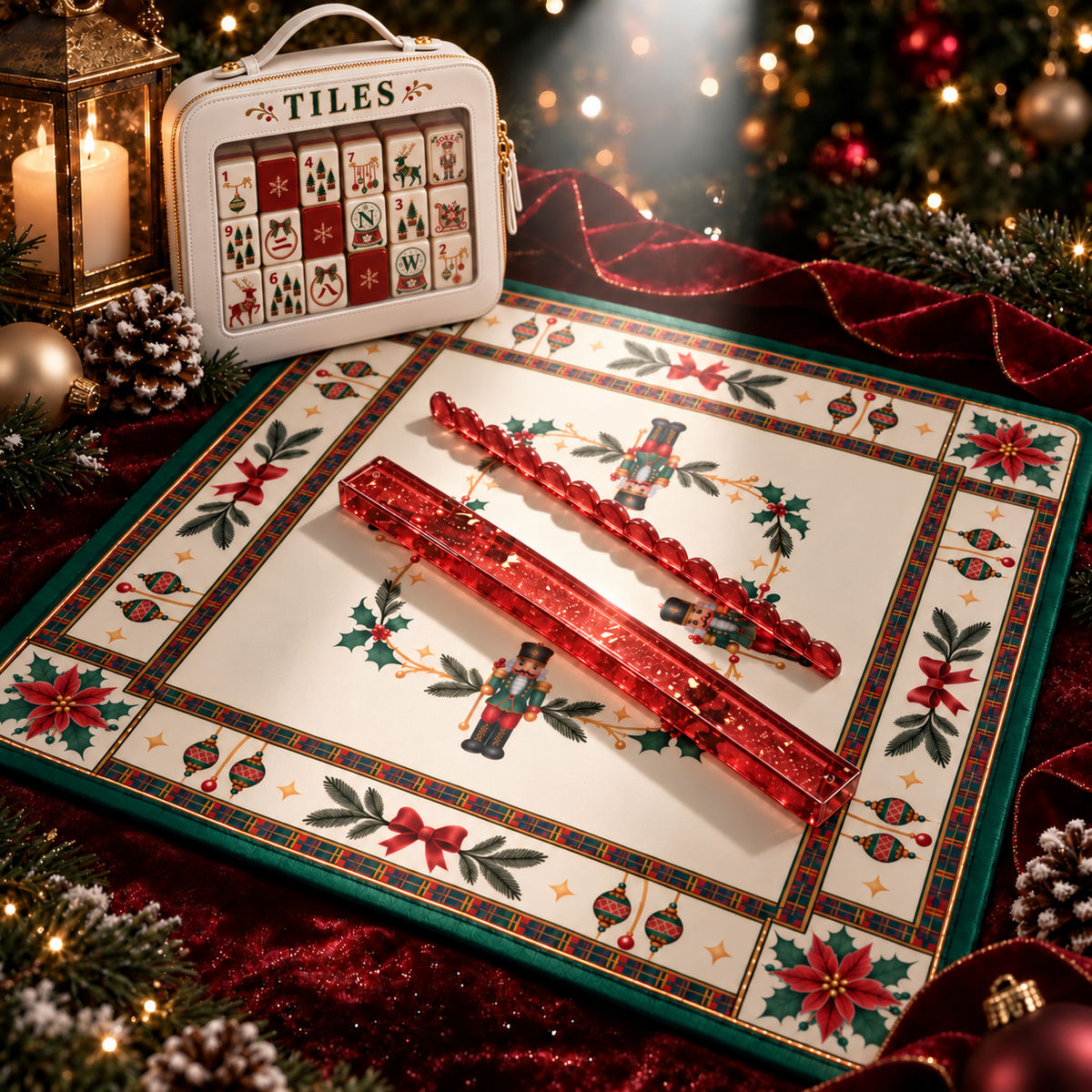
Dice on the mat: Physical dice stay on your mahjong mat, visible and ready. This is the standard in most US clubs and home games. Because dice are cheap and durable (typically plastic or acrylic), buying a dedicated pair means they won't get lost in the tile bag or mixed up with scoring chips.
Do all mahjong variants use dice the same way?
American mahjong: Roll two six-sided dice; count the sum clockwise around the table to find the wall break. Wall break determines where the discard pool begins (right side of that player's wall).
Chinese (Cantonese/Mandarin): Roll two dice or three dice; the sum (mod 4, in some variants) picks who discards first. Wall break mechanics differ slightly by region.
Hong Kong mahjong: Typically two dice; count to find the wall break for tile drawing, not discard pool.
Riichi (Japanese): Two dice; determines the starting position of drawing tiles. Simpler application than American.
Taiwanese: Varies; often two dice for wall break, similar to American.
The core idea is the same—randomness, fairness, speed—but the exact rule tied to the roll shifts by variant. If you're playing American on Wednesday and Cantonese on Friday, you'll need to remember which rule applies each night. Most best-selling sets are designed for American, so clarify with your group if you're hosting mixed-variant nights.
When should you buy dice vs. skip them?
Scenario | Need Dice? | Why | Alternative |
Weekly home game, 4 regular players | Yes | Same group, same night, predictable. Dice avoid disputes. | Counting is fine if group agrees. |
Hosting strangers or public play | Yes | Perceived fairness matters; dice settle fast. | App works but feels impersonal. |
Casual one-off game | No | Low stakes, small group. Counting works. | Dice is nice-to-have. |
Tournament or club | Yes | House standard; expected. Brings consistency. | N/A; required. |
Travel game (small space) | Maybe | Dice take 1 cm²; saving space is low priority. | Phone app takes no space. |
If you host more than twice a month, buy dice. If you're a guest, ask the host whether they use them; most do.
🎁 See our most-loved mahjong sets & accessories →
What to check before you buy mahjong dice
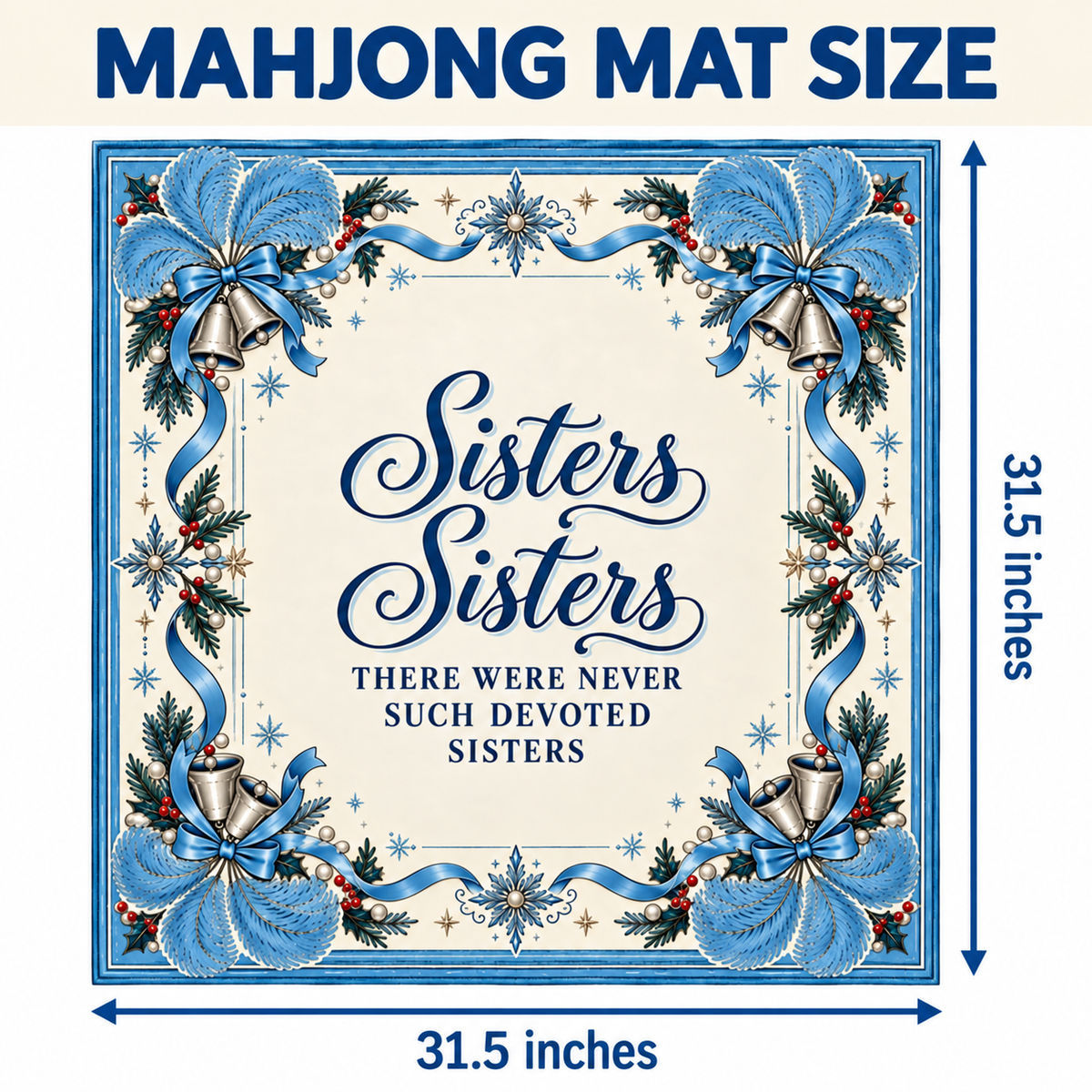
Size: Standard dice are 16 mm or 19 mm (about ⅝ to ¾ inch). Larger (25 mm) are easier to read but take up more space on a mat. Smaller ones can roll off the edge of the play area. Check the mahjong mat dimensions to ensure they're proportional.
Material: Plastic dice are cheap and light (roll easily). Acrylic dice feel heavier, match tile aesthetics, and last longer. Engraved dice (with custom initials or designs) make a set feel cohesive but cost more than plain.
Pips vs. numerals: Traditional dice have pips (dots). Some sets offer numerals (1–6 printed) for clarity. Pips are classic; numerals are faster to read if you have vision challenges.
Color and design: Match dice to your set's aesthetic. If your tiles are jade green, matching green dice unify the table. Mahstead offers engraved pairs that complement mahjong titles and custom designs for a complete, personalized look.
Storage: Dice should live in the tile bag or a small pouch. Loose dice roll under furniture. Check whether your mahjong bag has a dedicated dice pocket.
Longevity: Roll them 100+ times in a session. Low-quality plastic chips after repeated throws. Acrylic and resin dice hold their edges and texture for years.
Most players buy one pair and keep it in the bag for the life of the set. Dice are a one-time buy; replacing them is rare.
✨ Find your Mahstead set — free US shipping →
Real-world setup: a worked example
You host a Thursday night game. Four players, 1.5-hour session. You own best-selling acrylic tiles and a matching mat.
Minute 0: Everyone arrives. You place the mat on the table, set out a tile rack for each player, and position your dice near East's seat (or the center of the mat).
Minute 2: First hand. The tiles are shuffled and piled. The Charleston passes. East rolls the two dice: 7 and 4, total 11. You count 11 seats clockwise starting from East (or around the table). That player's wall is now the "break point." You count right-to-left along that wall for the tile draw position. Discard pool begins to the right of that.
Without dice: "OK, who sits where? Is that East or South? Did I count right?" Delay, recount, small argument. 2–3 minutes wasted.
With dice: Roll, call the sum, count once, move on. 15 seconds, zero dispute.
Minute 80: Six hands in. Dice have been rolled six times. Each roll added certainty and rhythm. The table feels organized and fair.
Dice aren't a luxury—they're a time-saver and a morale booster. If you play weekly, they're worth owning.
FAQ
Can you use one die instead of two?
Technically yes, but it only gives 1–6. Two dice give 2–12, spreading wall breaks more evenly around the table and reducing repeats. Most players use two for fairness and variety.
Are dice required by National Mah Jongg League rules?
No official rule mandates them, but the League assumes players use dice for wall breaks. Club play standardizes on dice for consistency.
Can you use dice from a board game instead of mahjong dice?
Yes. Any two standard six-sided dice work. Custom mahjong dice just match your set's theme and feel better in hand; they're not functionally different.
What if the dice roll off the table?
Re-roll. This is why many players roll dice over the mat or within a designated area. Some mats have a shallow lip to catch dice; check mahjong mat options for this feature.
Do you need dice for 2- or 3-player mahjong?
The wall-break mechanic differs in shortened games. Check 2 and 3 player rules for your variant; some use dice, others skip them entirely.
How do you store dice so they don't get lost?
Keep them in a small pouch or a dedicated pocket in your mahjong bag. Loose dice roll under sofas and vanish; a bag prevents this.
Can you roll dice on a digital app instead?
Yes, but only if all four players agree. Apps are fair but remove the physical ritual and feel clinical at a casual table. Best for travel or remote play only.


View More
View More
View More
