
Mahjong vs. Hanafuda: Two Asian Games Explained
Last updated: Nov 23, 2026
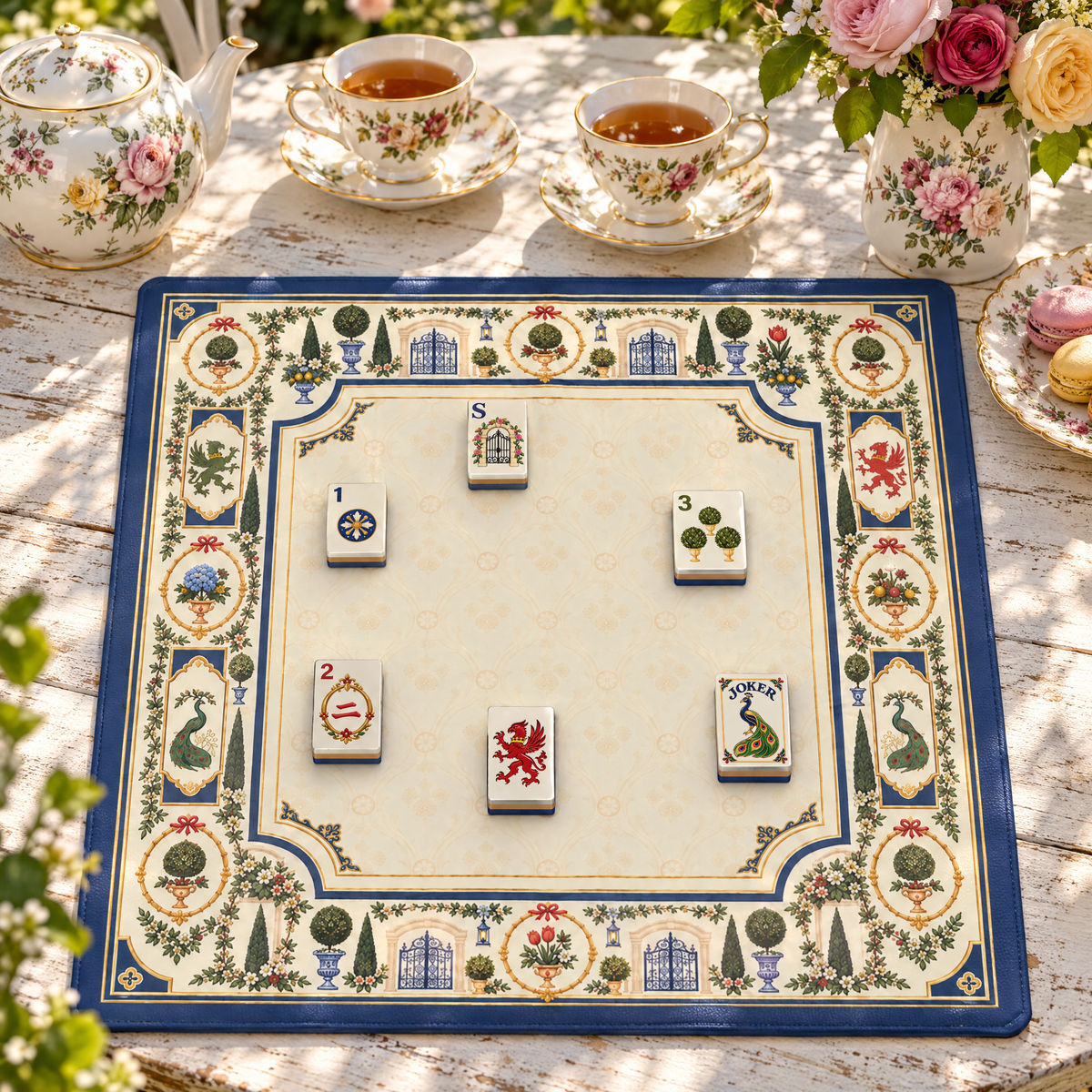
Mahjong is a 152-tile game (Bams, Craks, Dots, Winds, Dragons, Flowers, Jokers) where four players draw and discard to complete hand patterns from the annual National Mah Jongg League card. Hanafuda is a 48-card Japanese game with no standardized hand chart—players and regions set their own winning combinations based on suit and rank pairings. Mahjong sessions last 1–3 hours per game; hanafuda rounds run 15–45 minutes. Mahjong requires memorizing the current year's hand card and understanding the Charleston passing ritual; hanafuda relies on quick recognition of card families and the luck of the draw. Both are social, luck-and-skill games suited to four players, though mahjong dominates in Chinese and American communities while hanafuda thrives in Japan and among enthusiasts worldwide. If you want structured, year-to-year consistency, mahjong is your game; if you prefer regional variation and faster rounds, hanafuda wins.
Mahjong and hanafuda look similar at first glance—both are played seated around a table, both involve drawing and discarding, and both carry deep cultural weight. But they are entirely different games. Understanding the distinction helps you choose the right one for your group and buy the right equipment.
What tiles or cards does each game use?
Mahjong uses 152 tiles: three numbered suits (Bams 1–9, Craks 1–9, Dots 1–9), four each; Winds (N, E, W, S) and Dragons (Red, Green, White) in sets of four; eight Flowers; and eight Jokers. Hanafuda uses 48 cards divided into 12 months, four cards per month, each with a rank (pine, plum, cherry, iris, peony, etc.). The physical difference matters: mahjong tiles are thick, durable acrylic or bone; hanafuda cards are thin, glossy, and printed on paper or plastic. When you host weekly mahjong games, your best-selling mahjong sets ship complete and ready to play—nothing extra to purchase. Hanafuda decks are sold individually and rarely come bundled with racks, mats, or pushers.

How do winning hands differ between the two?
American mahjong uses the annual National Mah Jongg League card—every spring, the League publishes one official card listing 88 hand patterns. Players must memorize or refer to this card; a hand is legal only if it appears on that year's card. Hanafuda has no single governing card. Winning combinations are defined by local custom, regional rulebooks, or house rules set before the game begins. This means mahjong players worldwide follow the same hands each year, while hanafuda players may play completely different games in Tokyo versus Kyoto versus a hanafuda club in Los Angeles. For consistency and ease of hosting, mahjong is less ambiguous.
🀄 Shop best-selling mahjong sets →
How long does each game take, and how much skill is involved?
A typical mahjong session—one complete game played to a winner—runs 45 minutes to 1.5 hours. A hanafuda round often takes 15–45 minutes. Mahjong demands higher cognitive load: you must track the 152 tiles in play, remember which hands are legal, anticipate opponents' discards, and manage the Charleston and hand-passing protocol. Hanafuda is faster-paced and more card-recognition and luck-driven; strategy is lighter. If your group wants a deep, engaging evening with four players, mahjong fills the time richly. If you want quick, casual fun or have time constraints, hanafuda suits you better. Neither game is "better"—they serve different moods.
What equipment and space do you need for each?
Mahjong requires:
One 160-tile set (152 playing tiles + spares).
A mat (to protect the table and define the play area).
Racks with pushers (to organize and display your hand).
Optional: a dedicated bag or case for storage.
Table space of roughly 3 × 3 feet minimum.
Hanafuda requires:
One or more hanafuda decks.
Optional: a small mat or cloth (much smaller than a mahjong mat).
Minimal table space.
Mahjong is a place-based game; you set up a station. Hanafuda is portable and intimate. For a formal weekly mahjong group, you'll invest in mahjong mats and racks with pushers to keep games smooth and tiles organized. For hanafuda, you need almost nothing beyond the cards themselves.

Which game is easier to learn?
Hanafuda has a lower barrier to entry. The card suits are visual and intuitive (cherry blossoms, chrysanthemums, etc.); you learn the 12 months once and recognize them instantly. Most rounds teach you the winning combos by example within one or two hands.
Mahjong demands more upfront study. The tile suits are abstract (Bams, Craks, Dots); joker rules are strict; the Charleston is a ritual unto itself; and you must refer to the hand card for the first 5–10 games. But once you've played 5–10 times, mahjong becomes automatic and deeply rewarding.
If you're hosting new players, hanafuda lets them start playing in 10 minutes. If you're committing a group to weekly mahjong, allow 2–3 learning sessions before everyone feels confident.
Comparison table: at a glance
Aspect | Mahjong | Hanafuda |
Tile/card count | 152 tiles | 48 cards |
Suits | 3 (Bams, Craks, Dots) + Honors | 12 months |
Hand chart | Annual official card required | Local/house rules |
Game duration | 45 min – 1.5 hrs | 15–45 min |
Setup complexity | Medium (mat, racks, pusher) | Low (cards only) |
Learning curve | 2–3 sessions | 10 minutes |
Cultural tradition | Chinese, American | Japanese |
Equipment investment | Moderate | Minimal |
Cognitive demand | High | Medium |
What should you check before you buy?
If you're leaning toward mahjong:
Confirm your group is ready to commit to 2–3 learning sessions and will refer to the hand card during early games—this is normal and expected.
Measure your table: ensure it's at least 3 × 3 feet for comfortable play.
Order a 160-tile acrylic set (which ships with 152 playing tiles plus spares) alongside a mat and racks if you're hosting regularly.
Download or print the current year's National Mah Jongg League card; many groups keep a laminated copy on the table.
If you're leaning toward hanafuda:
Clarify house rules before the first game with your group.
Check whether your players already know the 12 Japanese months and card families—if not, allow 15 minutes for visual introduction.
Hanafuda decks wear faster than mahjong tiles; budget for replacements if you play weekly.
🎁 See our most-loved mahjong sets & accessories →
Which game should you host?
Choose mahjong if:
Your group meets weekly or bi-weekly and wants depth.
You value consistency across games and seasons.
You enjoy learning and teaching structured rules.
You want a social evening that lasts 1+ hours.
You're willing to invest in proper tiles, mats, and racks.
Choose hanafuda if:
Players are casual or drop in unpredictably.
You want rounds under an hour.
Your group enjoys rule variation and local flavor.
Table space or storage is limited.
You prefer minimal setup and setup costs.
Many players actually play both—mahjong for Thursday night league, hanafuda as a backup when the group is tired or new guests arrive. They are complementary, not competing games. If you're starting a mahjong group from scratch, explore how to play American mahjong for the full rules, then equip yourself with a quality engraved set that lasts and travels well.
✨ Find your Mahstead set — free US shipping →

FAQ
Can I play American mahjong and hanafuda with the same group at the same table?
Yes. Many groups keep both on hand. Mahjong uses the table and mats; hanafuda uses minimal space. Rotate between them based on mood or time available. No conflict.
Do I need to learn Japanese to play hanafuda?
No. The 12 months and card families are visual. Knowing month names (January = pine, February = plum, etc.) helps, but English-speaking players recognize cards by symbol and color alone.
Is mahjong "harder" than hanafuda?
Mahjong has a steeper learning curve upfront due to the abstract tile suits and hand chart. Hanafuda is easier to start but offers less strategic depth long-term. Neither is objectively "harder"—it depends on your learning style.
Can I play mahjong or hanafuda with fewer than four players?
American mahjong is designed for exactly four players. Hanafuda adapts to 2–4 players with rule adjustments. For mahjong with 2 or 3 players, consult 2 and 3 player mahjong rules.
How much do mahjong sets cost compared to hanafuda decks?
Mahjong sets vary based on tile material and design; see current prices on the best-selling collection. Hanafuda decks typically cost less per unit but wear out faster with weekly play.
Which game is more popular in the United States?
Mahjong dominates in Chinese American, Jewish American, and enthusiast communities nationwide. Hanafuda remains niche, popular mainly in Japan and among card game hobbyists.


View More
View More
View More
