
Mahjong Trends 2027: What Players Are Playing Now
Last updated: Nov 23, 2026
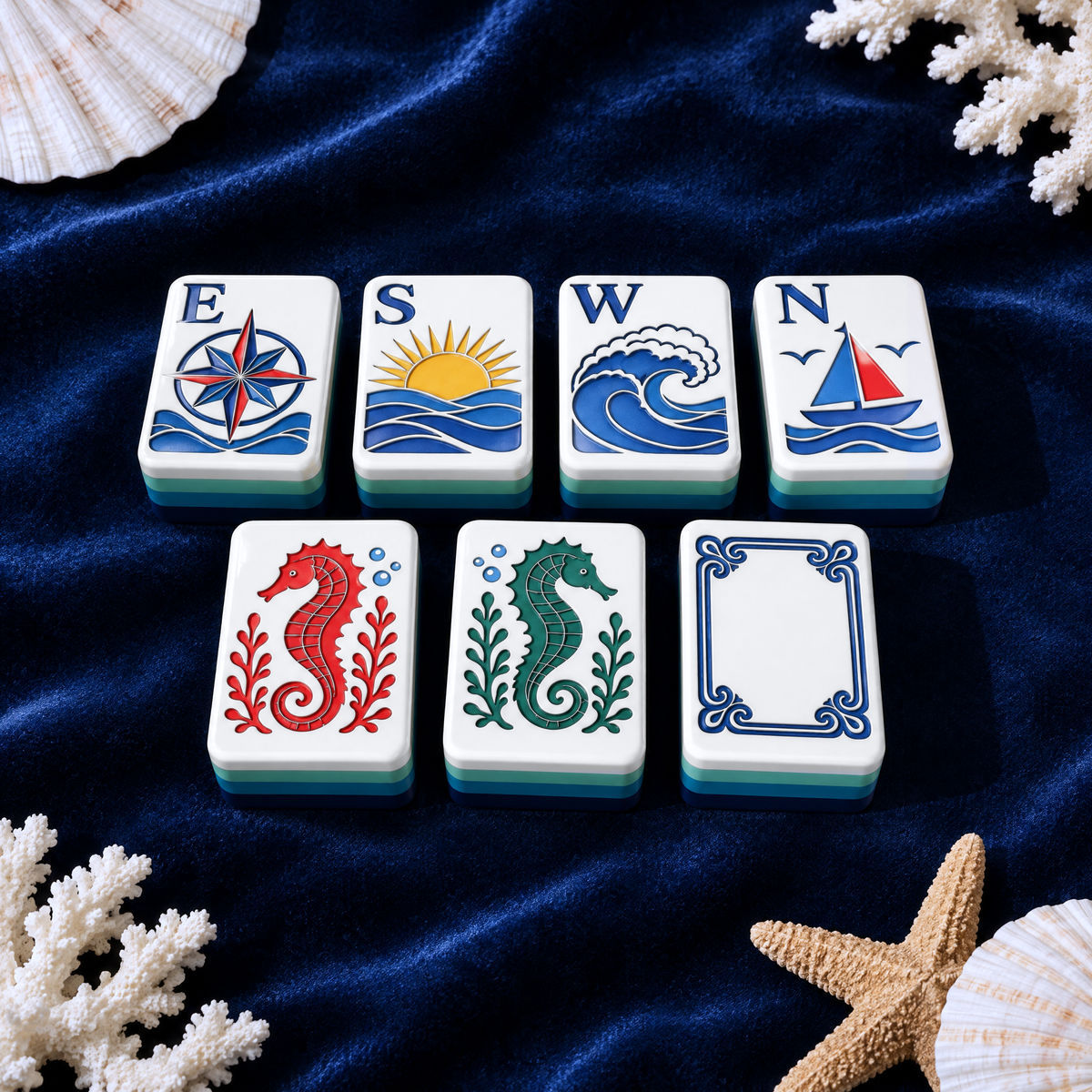
American mahjong in 2027 is defined by three trends: players increasingly demand custom-engraved sets that reflect identity and humor, travel-friendly gear has become essential as weekly games happen anywhere (not just living rooms), and beginner resources online have exploded, lowering the barrier to entry. The National Mah Jongg League card still drives hand validity, but players are now mixing in house rules for 2- and 3-player variants to accommodate smaller groups. Equipment preferences have shifted toward acrylic tiles over bamboo for durability and clarity, and sets with matching mats and racks are bundled purchases. Mahstead and similar makers have responded by offering fully customizable 160-tile sets with engraved tiles, mats in multiple sizes, and travel cases—a shift from generic mass-produced sets. The core game rules haven't changed, but how and where players gather has.
What's driving American mahjong's resurgence in 2027? Three forces: nostalgia among older players, Gen-X and millennial adoption driven by TikTok and Instagram visibility, and the post-pandemic appetite for in-person games. This year, the trend is authenticity—players want sets that feel personal, not like they came off a generic shelf.
Why are custom-engraved tiles becoming standard?
Players used to buy mass-produced sets and accept generic bamboo tiles. In 2027, custom engraving is now the norm for serious weekly hosts. You're adding your family name, a clever phrase, or an inside joke directly to the tile backs—it's become a mark of ownership and table identity. Groups that meet weekly now treat their sets as heirlooms, not disposables. This shift reflects deeper investment in the game: if you're hosting every Tuesday, your tiles should say something about you. Engraved American mahjong sets with personalized backs have become standard gifts for milestone games (50th win, first year hosting, retirement). The cost is nearly identical to blank sets, but the retention and emotional attachment are measurable—players keep customized sets for years, not seasons.
🀄 Shop best-selling mahjong sets →

How has the gear-bundling trend changed what players buy?
Five years ago, players bought tiles, then separately hunted for a mat and racks. Today's trend is bundled solutions: a set, mat, racks with pushers, and a travel case all matching in style or material. Beginners especially want this one-stop approach—it reduces decision fatigue and ensures gear actually fits together. Weekly players now treat the mat and racks as non-negotiable; loose tiles on a bare table feel unprofessional. The bundling trend also reflects logistics: players are transporting their games more (to friends' homes, vacation rentals, lake houses), so a coordinated bag with mats and racks inside is more practical than five separate bags. Shops that offer modular collections—where you can swap mats and add racks à la carte—are seeing higher basket sizes because players feel they're customizing, not just buying a kit.
Why are 2- and 3-player variants gaining traction in 2027?
For 20 years, American mahjong was locked to four-player games with fixed hands from the League card. In 2027, two major shifts are happening: first, smaller households (singles, couples, or trios) can't wait for a fourth; second, 2- and 3-player mahjong rules are now documented and standardized enough that casual players can reference them without reinventing on the fly. This doesn't replace four-player mahjong—it expands the when and who of play. Younger players especially are embracing variants because they remove the gatekeeping feeling of "you need exactly four committed people." The trend is creating demand for shorter games, open-ended hand cards for non-League play, and more experimental table rules. Traditional players still anchor the game at four, but the edges are softening.

What's the impact of online tutorials and beginner resources?
YouTube channels, TikTok creators, and blog guides have made learning American mahjong frictionless. In 2027, the barrier to entry is no longer "find someone to teach you"—it's just "spend 20 minutes learning tile names and the Charleston." This democratization means sets are selling to first-time players who would never have picked up the game five years ago. The result: more casual groups, higher turnover in who hosts, and increased demand for beginner-friendly equipment (larger tiles, clearer markings, mats with printed racks). How to read a mahjong card and how to play American mahjong posts are now first-stop references, making the learning path visible. This is good for the game's health—it's also reshaping what new players expect from their first set (they want clarity and durability, not prestige).
🎁 See our most-loved mahjong sets & accessories →
How are hosting preferences reshaping equipment choices?
In 2027, "hosting mahjong" no longer means a dedicated game room. Players host in apartments, on patios, at cottages, and even on boats. This mobility has driven demand for lightweight, compact equipment: travel bags with padded interiors, mats that roll without creasing, and racks that stack flat. The trend also means hosts care more about setup speed—a 5-minute mat deployment beats a 20-minute tile arrangement. This has pushed design innovation: mats with printed tile racks, built-in pushers, and color-coded sorting zones are now preferred. Acrylic tile material has also benefited because it's lighter and more visible than ivory or bamboo, reducing setup errors and fatigue. For the weekly host, a mahjong mat and matching travel bag with cases are now as essential as the tiles themselves.
Trend Comparison: What 2027 Players Are Actually Buying
Trend | Who It Serves | Why It Matters | Gear Priority |
Custom Engraving | Weekly hosts, legacy groups | Personal identity + retention | Tiles + mats |
Travel-Friendly Kits | Casual players, nomadic groups | Portability + setup speed | Bag + racks + mat |
Beginner Bundles | First-time players, younger groups | Low friction to entry | Full set + mat + guide |
Variant-Ready Sets | 2/3-player groups, experimental hosts | Flexibility beyond four | Open-ended tiles or blanks |
Durable Acrylics | All groups | Longevity + clarity | Tiles + racks (plastic ideal) |
What to Check Before You Buy in 2027
Before committing to a set, ask yourself:
Am I hosting weekly? If yes, invest in custom engraving and a dedicated mat. If casual, a standard best-selling set works fine.
Will I travel with this? Pick a set with a matching travel bag and cases. Loose tiles in a suitcase = broken tiles.
Are my players beginners? Larger, clearer tiles (acrylic) and a mat with grid lines reduce confusion and speed learning.
Do I want to experiment with 2/3-player? You'll need blanks or a flexible hand reference beyond the League card.
What's my tile material preference? Acrylic is durable and lightweight (modern trend); bamboo/bone feels traditional but is heavier and fragile.
Does the mat size fit my table? Check the table dimensions—a mat should extend 2–3 inches beyond the tile play area.
✨ Find your Mahstead set — free US shipping →
How does the 2027 trend affect your next purchase?
If you're hosting weekly, the trend is clear: bundle a custom-engraved set with a mat and travel case—it's the new table standard. If you're learning, lean into beginner-friendly acrylic sets with clear markings and printed mat guides. The good news: these aren't premium luxuries anymore—they're the baseline. The best-selling collections now reflect these priorities because that's what players are actually ordering.

FAQ
What's the most popular tile material in 2027?
Acrylic dominates among weekly players for durability, clarity, and weight. Bamboo and bone remain traditional choices but are less common for travel-heavy groups. Acrylic tiles are also easier to customize with engraving.
Do I need a mat to play American mahjong?
No, but almost all weekly hosts now use one. A mat protects tiles, speeds setup, and provides a clear play boundary. It's become an expectation, not an option.
Can I still use the National Mah Jongg League card in 2027?
Yes. The card is issued every spring and remains the standard for hand validity in American mahjong. All trends respect this—it hasn't changed.
Are 2- and 3-player games official?
Not in League play, but they're standardized enough for casual games. Rules are documented online and vary by group preference. They're expanding the game, not replacing four-player mahjong.
What's a reasonable budget for a beginner set in 2027?
Entry-level acrylic sets start affordable; see current prices on the best-selling page. A full bundle with mat and bag costs more but offers better value if you'll host regularly.
Why is custom engraving so popular now?
It marks ownership, reflects group identity, and increases emotional investment. Hosts treat customized sets as heirlooms, not consumables—they keep them for years.


View More
View More
View More
