
Mahjong Travel Set Under 300: Our Buying Guide
Last updated: Nov 23, 2026
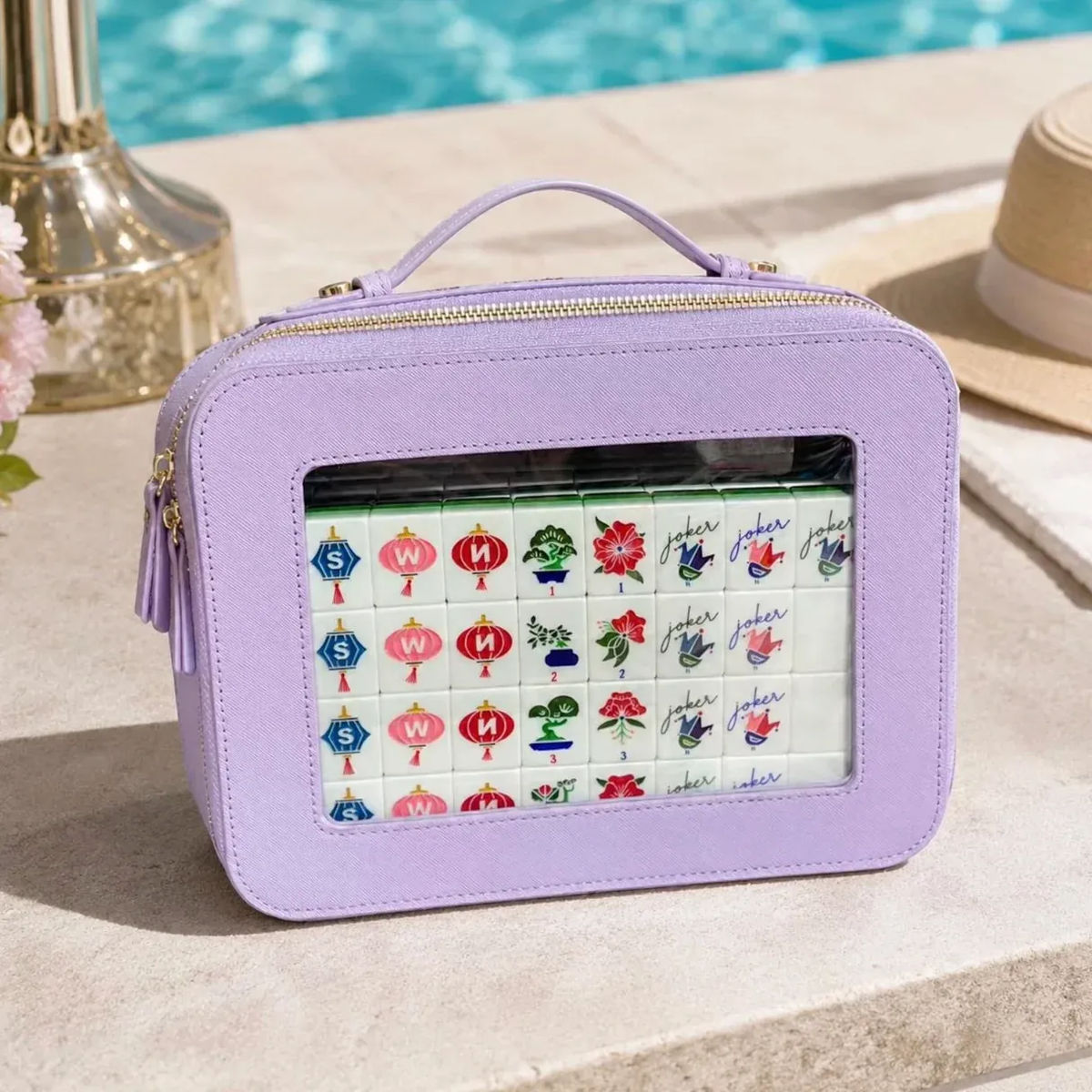
A mahjong travel set under a certain budget is a complete 160-tile American set (152 playing tiles plus 8 jokers and spares) packed in a structured carrying case designed for portability. You'll find sets ranging from lightweight acrylic in slim soft cases to full mid-weight sets with racks and mats in hard cases; most ship free across the US. The sweet spot balances tile quality (acrylic tiles last decades if not dropped), case durability (hard cases protect corners; soft cases save weight), and total weight. Common mistakes: buying a cheap case that tears after two trips, skipping the rack-and-pusher set (tile management makes travel faster), or choosing a mat so heavy the whole bag becomes a burden. Mahstead's travel collection includes engraved acrylic sets with padded cases sized for car trunks and airline overhead bins. Check tile material (acrylic vs. resin), case closure (zippers vs. snaps), interior organization (removable dividers), and whether racks ship separate before ordering. 🀄 Shop best-selling mahjong sets →
What exactly fits in a travel mahjong case?
A standard travel case holds 152 playing tiles, 8 jokers, score pad, a set of dice, and often a compass or wind indicator. Most cases have removable plastic dividers—four or eight compartments to keep tile suits separated during transit. Some include a thin mat or mousepad to lay tiles on; others leave room for you to pack your own mat. The key: does the case lock or just zip? Hard cases with latches protect corners during baggage handling; soft zippered cases weigh less but won't survive repeated airport tosses. Measure your case interior before packing so you know what else fits (score sheet, marker, spare jokers).

How much does weight matter for portability?
Acrylic tiles weigh roughly one pound for the full 160-tile set; resin tiles run slightly heavier. A soft case adds 8–12 ounces; a hard case adds 1–2 pounds. If you're carrying the set plus a mat, light racks, and a dice cup, total weight can reach 8–10 pounds—manageable for a car trip, tiring on public transit or a plane. For frequent flyers or long-distance hikers, every ounce counts; for casual car players, durability matters more than featherweight specs. Soft-case sets are easiest to store in apartment closets; hard cases double as protection but hog shelf space. Think about your actual use: weekend cabin trips favor lightweight; game clubs that meet in one room favor durability and ease of tile handling.
Should you buy a case separately or get a set with one included?
Most travel sets ship case and tiles together at one price. Buying a bare tile set plus an aftermarket case often costs more and leaves gaps in fit (tiles rattle, corners crack). A matched set case is designed for that exact tile count and footprint. However, if you already own a quality case from a previous set, bare tiles or a smaller starter set might work. Check the case dimensions (width × depth × height in inches) against your carry-on limits or car storage. If the case lid doesn't close flush, tiles will shift during travel and edges chip. Mahstead's travel bag collection pairs sets with cases engineered for that tile size, eliminating guesswork.
🎁 See our most-loved mahjong sets & accessories →
What's the difference between soft cases, hard cases, and rolling luggage?
Case type | Best for | Weight | Protection | Durability |
Soft zippered bag | Car trips, local players | Light (12–16 oz) | Good for jostling | 2–3 years if zippers hold |
Hard shell (latched) | Air travel, rough handling | Medium (1–2 lb) | Excellent; protects corners | 5+ years; latch failure rare |
Padded drawstring | Beach/outdoor play | Light (8–12 oz) | Minimal; relies on fabric | 2–4 years; seams tear first |
Rolling suitcase | Long trips, frequent players | Heavy (3–5 lb) | Excellent | 5+ years; wheels need maintenance |
Shoulder bag (padded) | Walking, hand carry | Light (10–14 oz) | Good; soft shock absorption | 3–5 years; straps fray |
For most travel mahjong, a soft zippered case with interior dividers is the sweet spot—it fits in a car door pocket, weighs little, and survives dozens of trips if zippers don't jam. Hard cases suit players who fly often or move sets between homes. Rolling luggage is overkill unless you're bringing extra mats or hosting a tournament. The best investment is a case with replaceable dividers; when one splits, you don't discard the whole bag.
How do you pack tiles to prevent damage during travel?
Packing checklist:
Sort by suit. Group all Bams together, all Craks, all Dots, winds in one compartment, dragons in another. Keeps tiles from tumbling loose if a divider shifts.
Fill compartments snug. Overstuffed is better than loose; tiles rattle and chip edges. If a section has space, add spare jokers or a small score pad.
Protect corners. Place jokers or spare tiles at case corners—they absorb shock better than expensive number tiles.
Secure the case. If the case has straps or a handle loop, use it. Zip/latch halfway before the trip to confirm closure is smooth; a stuck zipper mid-trip ruins a game day.
Test the seal. Gently shake the closed case. Silence is ideal; rustling means tiles are loose. Adjust dividers and repack.
Label it. Use a luggage tag or permanent marker: your name, phone, and "MAHJONG—FRAGILE." Airport handlers treat labeled cases more carefully.
Store separately from heat. Don't leave the case in a hot car trunk for hours; acrylic can warp if it hits 150°F.
Once you arrive, unpack before setup—tiles expand or compress based on humidity, and loose packing prevents them from settling correctly into racks.
What tile material travels best—acrylic or resin?
Acrylic tiles are standard in American mahjong and lighter than alternatives; they travel well if not dropped hard. Resin tiles (often bamboo-textured) weigh more but feel premium—some players swear they're less likely to crack, though that's partly because resin is denser. Both outlast cloth tape or plastic. The real factor: how the case protects the tiles. A solid case with good padding matters far more than the tile substance itself. Acrylic is the practical choice for frequent travel—less weight, faster to pack, and replacement tiles are easier to source if one does chip. Resin is for players who want a set that feels heirloom-quality and don't mind the extra pound or two.
✨ Find your Mahstead set — free US shipping →
Do you need racks and pushers in a travel set?
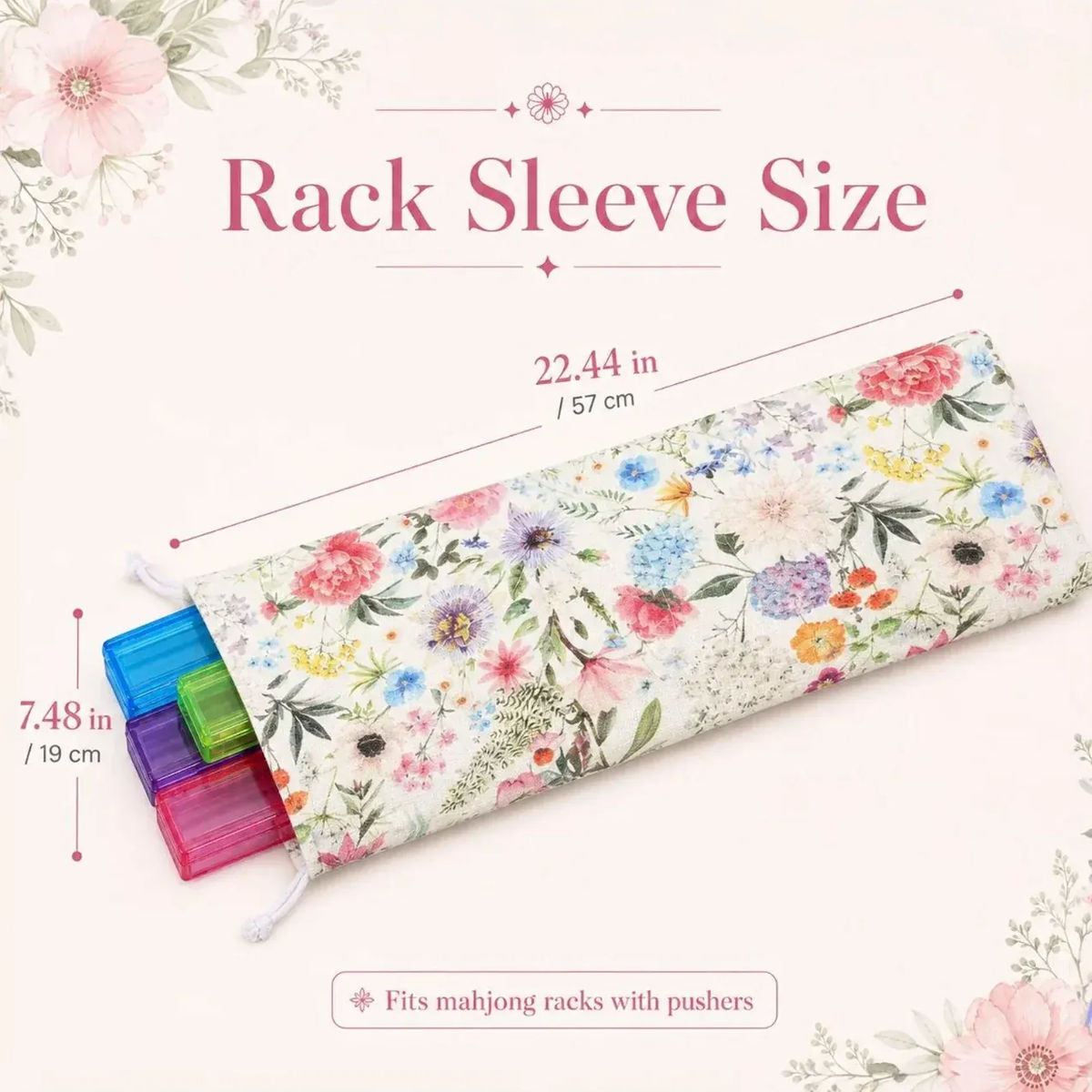
Racks and pushers are not essential but are game-changers for travel play. Pushers (small wooden sticks) help you extract tiles from your hand stack cleanly—crucial if the table surface is uneven or crowded. Racks (the standing holder for your 13 tiles) keep hands organized and prevent accidental tile reveals. On a car-trunk game, loose tiles often slide off a wobbly seat; racks prevent chaos. However, racks add weight and bulk. If you're packing light, skip them on trips shorter than a weekend; for a week-long game club visit or regular cabin trips, racks with pushers save space and time. Some travel cases include slimline racks; others require you to add them separately. Check the set listing before buying.
How to choose a travel mat or skip it entirely?
A thin mouse-pad-style mat (6–8 ounces) is ideal for travel. It protects tile backs from spills and defines play space on any surface—kitchen table, picnic bench, car hood. Larger vinyl mats (16–24 inches square) are heavier and harder to pack but provide better organization and a surface that dampens noise. For truly minimal travel, skip the mat—bring a clean towel instead. If your game is casual and infrequent, a towel works; if you host weekly games in different locations, invest in a compact travel mat. Mahstead's mahjong mats collection includes portable options sized specifically for travel cases.
What to check before you buy a travel set
Case dimensions: Will it fit your car, backpack, or overhead bin? Measure your storage space now.
Case closure: Do zippers jam easily? Can you test it in-store or see close-up photos online?
Tile count: Confirm it's a full 160-tile set (152 playing + 8 jokers and spares), not a partial set.
Interior dividers: Are they removable? Can you access tiles quickly without dumping the case?
Tile material: Acrylic for light travel, resin if heirloom durability appeals to you.
Included accessories: Does it ship with dice, compass, score pad, racks? Do you need to buy those separately?
Shipping and returns: Is free US shipping included? Can you return if the case arrives damaged?
Engraving options: If you want custom text (names, date, a joke), confirm lead time and placement before ordering.
Start with our best-selling mahjong sets to compare popular options side by side, then refine by budget and case type.

FAQ
Can I bring a mahjong travel set on an airplane?
Yes. A 160-tile set, case, racks, and mat fit within TSA carry-on size limits. Hard cases may trigger extra screening; soft cases sail through. Pack tiles in original case to prove contents. No restrictions on acrylic or resin.
How often do case zippers fail on travel sets?
Quality zippers last 50+ trips if you don't force them. Cheap zippers jam within 10 uses. Inspect the zipper before buying; test it gently before each trip. A stuck zipper mid-trip is the most common travel-set complaint we hear.
Should I buy a travel set or a home set and a separate case?
If you play at home most of the time, buy a home set (heavier, larger case) and a second lighter travel set. One set split between two cases is cheaper than buying two full sets. Travel sets are built for portability; home sets prioritize durability.
What's the best way to prevent tiles from chipping during car trips?
Pack tiles snug in dividers, place jokers at case corners to absorb shock, and secure the case so it doesn't slide during sharp turns. Never leave the case loose on a car seat. Acrylic tiles chip only if struck hard; good packing prevents that.
Can I mix tile sets during travel (e.g., tiles from two different sets)?
Not for real play—American mahjong requires exactly 152 tiles of precise counts. However, carrying a few spare tiles from your home set as backups is smart. If a tile cracks during travel, you have a replacement rather than sitting out a game.
How do I store a travel set at home between trips?
Keep it in a cool, dry place away from direct sun (acrylic warps above 150°F). A bedroom closet is ideal. Don't stack heavy items on top. Once a year, open the case and air-dry the interior to prevent mold if humidity is high.


View More
View More
View More
