
How Long Does a Game of Taiwanese Mahjong Take
Last updated: Nov 23, 2026
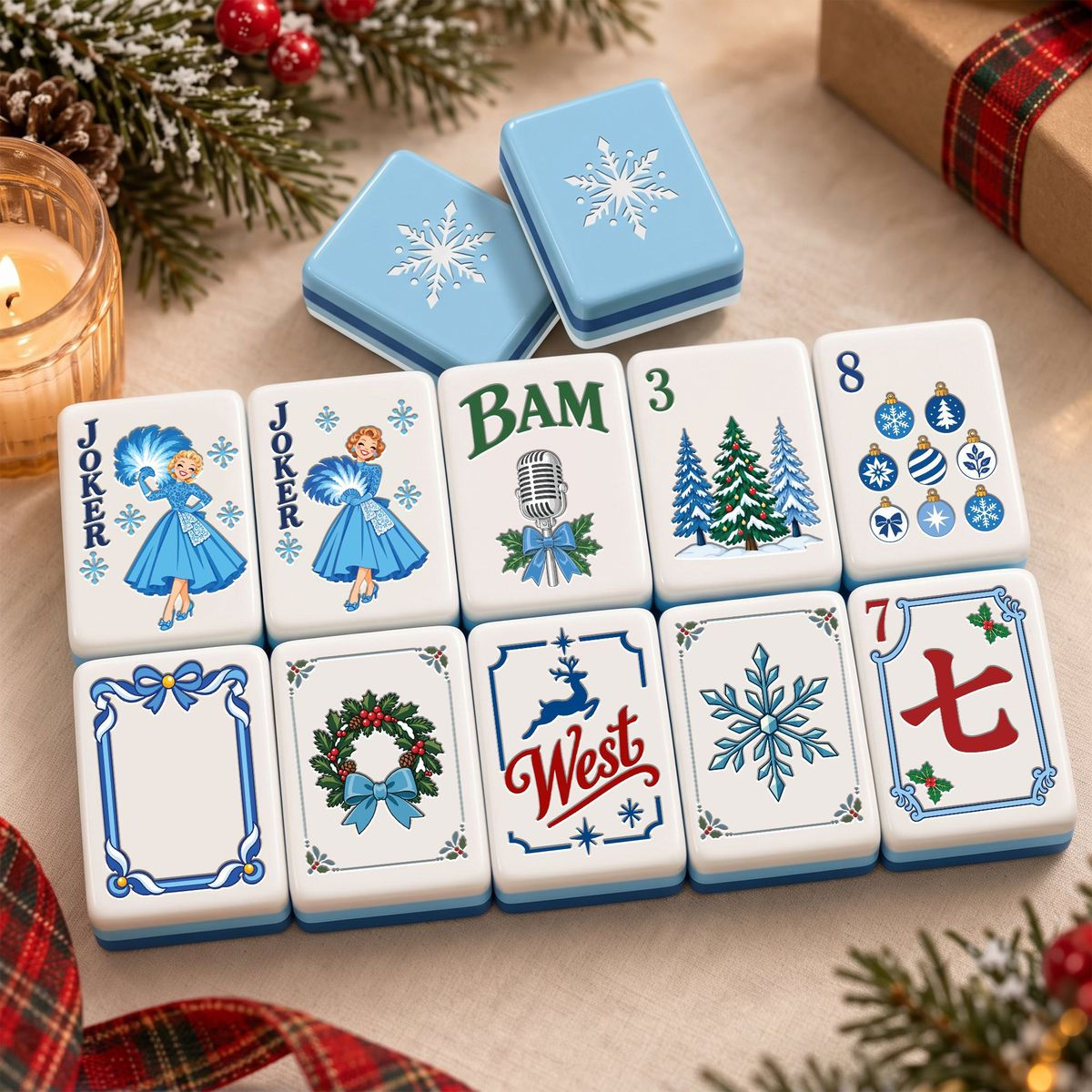
Taiwanese mahjong plays faster than American mahjong because players draw and discard every turn without passing tiles through a Charleston ritual. A single hand (one player's turn as dealer) averages 30–60 minutes for experienced players, 60–90 for newer ones. A full round—typically 16 hands (four players × four turns each as East)—takes 2–4 hours. Speed depends on how quickly players recognize melds, declare ready (ting), and decide discards. Taiwanese sets follow Hong Kong rules with minor regional variations: sequences (chows) are allowed, melds stack differently, and scoring is simpler than American mahjong. We find that hosting Taiwanese games requires less setup time than American games because no annual card or Charleston ritual is needed, but tile recognition and decision-making still demand focus. Most players prefer breaking into shorter sessions (two or three hands) rather than pushing through a full round without a pause.
A Taiwanese hand typically lasts 30–90 minutes. Speed depends on player experience, tile distribution, and how quickly the game reaches a winning condition. Beginners often take the longer end; skilled players familiar with common patterns and discard rhythms finish faster. Unlike American mahjong, Taiwanese games have no ritual passing phase, so play begins immediately after the deal.
How does Taiwanese mahjong structure differ from American?
Taiwanese mahjong (also called Hong Kong mahjong with regional adjustments) allows chows—sequences like 4-5-6 of one suit—which American mahjong forbids entirely. Players draw one tile and discard one tile every turn, creating a continuous flow rather than the pause-and-expose rhythm of American play. There's no Charleston (tile pass) before the game starts. A player wins by forming a complete hand of four melds (pung, kong, or chow) plus a pair, or by a limited set of special hands. This removes the American constraint of finding hands only on the current year's National Mah Jongg League card, making the game feel less rule-bound and more fluid—which speeds up early play but can extend endgame waiting if players are fishing for specific tiles.

What happens during a typical Taiwanese hand timeline?
From deal to win or exhaustion, a Taiwanese hand moves through three phases: setup (30 seconds), active play (25–80 minutes), and settlement (1–2 minutes). Setup is fast—dealer draws 14 tiles, other players draw 13. Active play unfolds as each player takes a turn: draw, meld if ready, then discard. No exposing melds until a player declares ready (ting), which signals they're one tile away from winning. Once someone wins or the tile wall runs out, players reveal hands, check for scoring disputes, and the next hand begins. Experienced players settle a hand in under 45 minutes; tables with newer players, lots of discussion, or slow discards stretch to 90 minutes. The longest delays usually happen in endgame—when three or four players are ready and waiting for a specific discard.
How many hands make up a full Taiwanese game session?
A complete round is typically 16 hands: four wind positions (East, South, West, North) × four turns. East dealer plays first; after all players take a turn as East, the position rotates to South, and so on. Many casual groups play fewer rounds—8 or 12 hands—to fit a two- or three-hour game night. Each completed round (16 hands) takes 2–4 hours depending on table pace. Some groups agree upfront to play "until someone wins twice" or "best of three hands as East dealer" to stay within a fixed time window. Setting a round length before dealing avoids the awkward "one more hand?" negotiation at 11 p.m.
What slows down Taiwanese mahjong play?
Slow discards, rule disputes, and unfamiliar tile combinations extend hands unnecessarily. Newer players hesitate before discarding because they're unsure which tiles are safe or which melds are possible. Players unfamiliar with the specific rule set (Hong Kong versus Guangzhou versus regional variants) pause to clarify scoring or ready conditions. Tiles that look similar under poor light—or tiles that are worn or faded—cause read delays. Groups with no timer sometimes drift: one player takes two minutes to decide a discard while others chat, and momentum vanishes. We find that a clear house rule, good lighting, and legible tiles from a quality set cut dead time by 15–20 minutes per hand. Keeping a timer visible—even just a phone clock—nudges players toward faster decisions without feeling rushed.

How can you speed up or stretch a Taiwanese game?
Speed it up: Use tiles with large, clear characters; play with only four ready players (no spectators); agree on one scoring reference before the game; set a discard time limit (e.g., 30 seconds per turn for endgame). Experienced tables hit 30–40 minutes per hand by moving fast once ready is declared.
Stretch it: Play fewer hands per round (six to eight instead of 16); take dinner or drink breaks between rounds; add conversation time by playing casually with friends rather than for money; use a slower variant like Taiwan's extra-points ruleset that encourages longer play.
Most social groups naturally find their rhythm: a table of friends settling in for an evening often plays 3–4 hands per hour and calls it a night after 2–3 rounds.
Taiwanese vs. other variants: speed comparison
Variant | Avg. Hand Time | Why | Best for |
Taiwanese | 30–90 min | Continuous draw/discard, chows allowed, fewer card constraints | Speed, social flow, regional play |
American | 45–120 min | Charleston ritual, card-based hands, no chows | Rules clarity, competitive league play |
Hong Kong | 25–60 min | Faster discards, simpler melds, no Charleston | Experienced players, quick sessions |
Chinese Classical | 40–100 min | Longer special hands, more melds, slower recognition | Depth-focused groups, learning |
Taiwanese games are typically faster than American because there's no pre-game tile-passing phase and rule interpretation is more flexible. Hong Kong mahjong (the parent variant) is sometimes quicker still because players are usually more familiar with the tile patterns. American mahjong requires cross-referencing the current year's card during play, which creates small delays; Taiwanese play is card-free.
🀄 Shop best-selling mahjong sets →
What to check before you buy a Taiwanese mahjong set
Taiwanese players often inherit or purchase standard mahjong sets designed for Hong Kong or Chinese classical play, then learn the Taiwanese ruleset on top. Before buying, confirm: (1) the set has Arabic numerals or clear dot/bam/crak symbols so all players recognize tiles fast; (2) tiles are actual size (typically 1.25 inches × 1 inch) so aging eyes don't strain; (3) the case closes cleanly and is lightweight enough for regular transport if you host rotating game nights. Worn or faded tiles are the silent hand-stretcher—players squint, hesitate, and the rhythm dies.
If you're hosting Taiwanese regularly, a mat with grid lines organizes the discard pile visually and speeds up discards (players see at a glance what's already out). Racks with pushers are less critical for Taiwanese than American play—because there are no extended melds to expose—but they keep hand organization tidy, which helps faster players confirm they're ready without fumbling tiles. A good travel bag or case matters if your group rotates houses; sets bounce around in car trunks and get damaged, adding silent delays when tiles are spotted or crooked.
🎁 See our most-loved mahjong sets & accessories →
Real timing: what we see at the table
Our weekly Taiwanese group averages 45 minutes per hand: 3 minutes dealing and organizing, 40 minutes of active play, 2 minutes settling and scoring. The same group, playing American mahjong, averages 75 minutes per hand because of the Charleston ritual (3 minutes), the need to cross-reference hands on the card (scattered adds throughout), and slightly more cautious play (the card is external law; Taiwanese rules are more intuitive after play begins). A pure beginner Taiwanese table—players learning the ruleset for the first time—can stretch to 100+ minutes per hand because every winning condition and scoring rule triggers a pause. After three or four game nights, that same table drops to 50–60 minutes as pattern recognition kicks in.
✨ Find your Mahstead set — free US shipping →
The honest takeaway: plan for 2–3 hours for a casual evening of Taiwanese mahjong (4–6 hands), 3–5 hours for a full round (16 hands) with mixed experience. Experienced players can compress this; adding rule clarification or slower players stretches it. The best games aren't the fastest—they're the ones where everyone leaves unhurried, understanding what happened, and wanting to play again next week.

FAQ
Is Taiwanese mahjong faster than American mahjong?
Usually yes. Taiwanese hands average 30–90 minutes; American hands average 45–120 minutes. Taiwanese skips the Charleston ritual and allows sequences, so play flows continuously. American mahjong requires consulting the year's card for legal hands, which adds small delays.
How many hands should we plan for a three-hour game night?
Expect 4–6 hands for casual play, 3–4 hands if players are slower or rules are new. A full 16-hand round typically takes 2–4 hours depending on table pace and experience level.
What slows down Taiwanese mahjong the most?
Unclear or worn tiles (players squint and hesitate), rule disputes over ready conditions or scoring, and slow decision-making in endgame when multiple players are waiting for specific discards. Fast, legible tiles and clear house rules cut 15–20 minutes per hand.
Do we need a timer to play Taiwanese mahjong?
Not required, but helpful. A visible timer (phone clock, kitchen timer) nudges players toward faster discards without creating tension, especially in endgame when someone is waiting for one specific tile.
Can we play fewer than 16 hands in a round?
Yes. Most social groups play 6–8 or 12 hands per round to fit their evening schedule. Agree on the round length before dealing so no one feels rushed or cheated at the end.
What's the difference between Taiwanese, Hong Kong, and Chinese classical mahjong?
Hong Kong mahjong is the parent variant and often plays fastest (25–60 minutes per hand). Taiwanese uses Hong Kong's base rules with regional scoring tweaks, averaging 30–90 minutes. Chinese classical has longer special hands and deeper rule complexity, extending to 40–100 minutes per hand.


View More
View More
View More
