
Mahjong Travel Bag: How to Choose the Right Carrier
Last updated: Nov 23, 2026
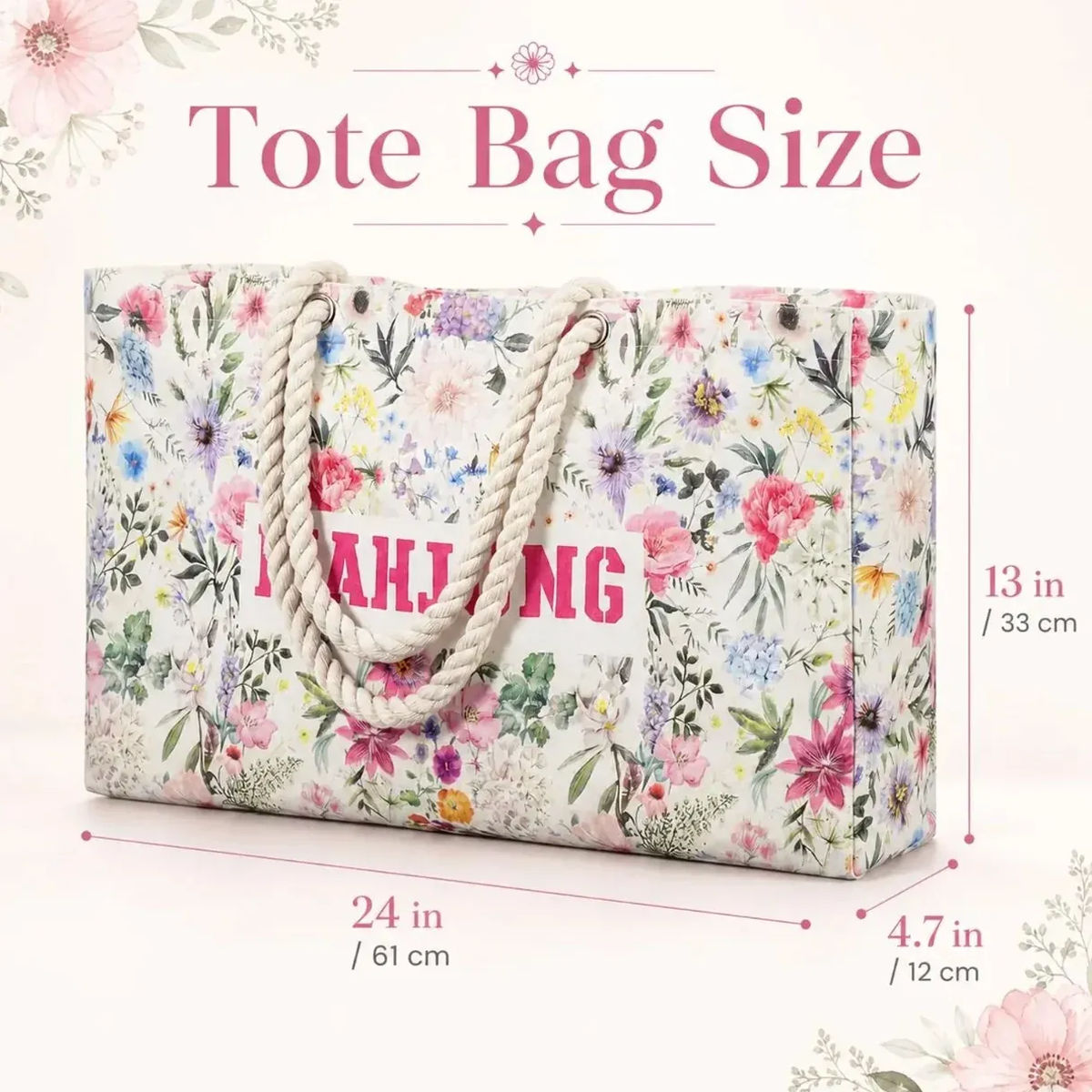
A mahjong travel bag is a padded or reinforced carrier designed to hold a 160-tile acrylic set, mat, racks, and accessories safely during transport. Most are cylindrical pouches, zippered cases, or structured totes; sizes range from compact (fits set + racks only) to spacious (set + full mat + racks + dice). Durability matters: we recommend bags with inner foam dividers or hard-shell protection if you travel by car or air regularly. Cost varies widely based on material and size; check the mahjong bags and cases collection for current pricing. Avoid bags without padding if your tiles are acrylic; skip soft cases if you'll stack other items on top. A good bag lasts years and makes hosting or traveling effortless—worth the investment if you play weekly.
What goes in a mahjong travel bag?
Your 160-tile set is the priority, but serious players carry more. Most bags fit a set, a padded mat (rolled or folded), two or four racks with pushers, a pair of dice, and the current year's card. Some also hold a spare rack or backup jokers. Before you buy, list what you actually transport every game—many players find they only need set + racks + dice, not the full mat, and a smaller bag works fine.

How much space do you really need?
A mahjong set itself (160 tiles in a box) occupies roughly 12×6×4 inches. A rolled mat adds 3–4 inches in diameter. Two racks lay flat and add minimal depth. If you're carrying set + mat + racks + dice + card, a bag with at least 15 liters internal volume works; compact bags (8–12 liters) suit set + racks + dice only. Measure your mat when rolled: if it's wider than 6 inches, you need a bag with flexible sides. Travel often? A hard-shell case offers more protection but weighs more; a padded cylindrical pouch balances portability and safety.
Soft case, hard case, or structured tote—which is for you?
Bag type | Best for | Durability | Portability | Why it matters |
Soft padded pouch | Weeknight games, car travel | Good (3–5 years) | Excellent (lightweight, flexible) | Fits in a car seat; easy to toss in a closet |
Hard-shell cylinder | Air travel, rough handling | Excellent (5+ years) | Moderate (heavier, rigid) | Protects against impacts; TSA-friendly if <22″ |
Zippered structured tote | Home hosting, mat transport | Good (3–4 years) | Very good (structured top, handles) | Holds full setup; looks intentional on a table |
Drawstring bag | Minimal carry, racks only | Fair (1–2 years) | Best (ultra-light) | Starter option; upgrade once you commit |
We see players switch from drawstring to padded pouches within a year because tiles shift and racks rattle. If you're serious about weekly games, start with a soft padded pouch and upgrade to hard-shell only if you fly with your set.
🀄 Shop best-selling mahjong sets →
Does the bag material matter for acrylic tiles?
Yes. Acrylic tiles are durable but prone to surface scratches if they rub against hard plastic or metal. A padded interior—ideally foam, neoprene, or felt—keeps tiles quiet and scratch-free. Avoid bags with bare plastic walls or thin cotton lining. If the bag has internal compartments or dividers, that's a plus: it prevents your mat from pressing on tiles during transport. We've seen players store entire bags in a closet for months; soft cases compress slightly, so check the bag's weight capacity before stuffing it beyond its design limit.
What size mat fits, and does it have to roll?
Most standard American mahjong mats are 28×28 inches folded or roughly 30×30 inches when laid flat. When rolled, they're typically 3–4 inches in diameter and 30–32 inches long. Some bags have a dedicated mat sleeve on the exterior or a compartment sized for a rolled mat; others ask you to compress it into the main chamber. If your bag is only 12 inches deep, a rolled mat won't fit unless the bag's sides flex outward. Mats can also be folded into thirds (roughly 10×28 inches), which fits many compact bags. Measure your rolled mat's diameter and the bag's internal width before ordering; a mat that barely squeezes in leaves no room for tiles.

Hard-shell vs. soft case: airline and TSA rules
If you fly with your set, a hard-shell cylindrical bag under 22 inches in length is ideal: it qualifies as a carry-on accessory (musical instrument or sporting equipment cases) on most US carriers and passes TSA screening without opening. Soft cases are also legal but offer less proof of contents if TSA wants to inspect; a hard-shell deters searches. Never pack a mahjong set in checked luggage unless it's in a case that protects it from being crushed. Acrylic tiles don't shatter like ceramic, but racks and pushing sticks can break if luggage is dropped. A padded travel bag adds peace of mind; we recommend one if you fly more than once a year.
🎁 See our most-loved mahjong sets & accessories →
What's the difference between carrying a mat and using a table cover?
A travel bag holds a rolled or compressed mat for transport; you unroll it at the table. A table cover or tablecloth stays on your playing surface. If you host at home weekly, you might use a cover that stays in place year-round and keep your travel mat separate for outings. The mat vs. table cover guide explains this trade-off in detail. For travel, a lightweight mat in a bag is more practical than hauling a full cover; table hosts usually provide one, or you bring a compact mat and leave it there. Many players carry both: a thin travel mat in the bag and a permanent cover at home.
Should you buy a bag with your set or separately?
Many best-selling American mahjong sets come with minimal packaging; some include a drawstring pouch. If your set came with a bag, test it on one trip: does it fit your racks? Does the mat fit rolled? If no, upgrade to a real travel case. Buying a bag separately lets you choose size and durability to match your actual needs—solo player or tournament host, car commute or flying quarterly. We see players buy a set online, then realize they need racks, dice, and a proper bag; bundling at purchase is cheaper than sourcing each item later. Look for bundles on the travel bag collection page.
What to check before you buy
Measure your mat rolled and folded. Don't assume; a mat that's 30 inches rolled needs a bag at least 32 inches long (plus 1–2 inches for compression).
Count what you carry. Set, mat, racks, dice, card—that's five items. Does the bag have compartments or will items rattle together?
Check the bag's weight. A full set + mat + racks weighs 5–8 pounds; add that to the bag's own weight. Can you comfortably carry it for 10 minutes?
Read the lining description. Foam, neoprene, or felt = good. Bare plastic or thin cotton = risky for acrylic tiles.
If you fly, verify TSA dimensions. Hard-shell cases <22″ are safest; soft cases work if you trust airline baggage handling.
Look for external pockets or name tags. You'll want to identify your bag at a mahjong tournament or group meetup.
✨ Find your Mahstead set — free US shipping →
Many of us started with a borrowed bag or a cardboard box. Within a season, we realized a good travel bag saved time, protected our tiles, and made hosting feel more professional. Whether you play weekly or travel for tournaments, the right bag pays for itself in peace of mind. Explore the full mahjong travel bag selection to find one that matches your lifestyle. Free US shipping makes it easy to try one risk-free.
FAQ
Can a mahjong travel bag fit in an airline overhead bin?
Most soft pouches fit easily; hard-shell cases under 22 inches also qualify as carry-on. Measure your bag's length, width, and depth; airlines typically allow 22×14×9 inches for carry-on. A rolled mat bag is usually well under that limit.
Do I need a separate bag for my mahjong mat?
Not always. If your travel bag has a mat compartment or enough space to roll the mat separately from tiles, one bag works. If space is tight, a thin cylindrical mat sleeve ($10–30 range) can store the mat while you keep tiles in the main bag, but most players use one versatile case.
What's the best bag material to protect acrylic tiles?
Padded foam or neoprene lining is ideal because it prevents scratches and absorbs impact. Felt also works well. Avoid bare plastic, leather, or thin cotton, which can scratch tile surfaces over time or offer minimal cushioning.
How do I pack a mat into a small travel bag?
Fold the mat into thirds lengthwise (roughly 10×28 inches) instead of rolling it. This fits most compact bags. Test-fit it before committing; some mats are too stiff to fold, and rolling remains the only option.
Can I use a regular duffel bag or sports gear bag instead?
Yes, if it has padded interior pockets or dividers. However, tiles can shift and racks can poke through thin fabric. A bag specifically designed for mahjong usually has better compartmentalization and weight distribution, making it safer and easier to organize over time.
Is a hard-shell case worth the extra cost?
If you fly more than twice a year or play at tournaments, yes. Hard-shell protects against rough baggage handling and passes TSA inspection without opening. For weekly car games, a soft padded pouch is fine and much lighter.


View More
View More
View More
