
How to Clean Mahjong Dice: Step-by-Step Guide
Last updated: Nov 23, 2026
Mahjong dice are typically acrylic or resin and need gentle care to preserve engraved numbers and color. Clean them with a soft microfiber cloth lightly dampened with distilled water—never submerge or use harsh chemicals. For stubborn residue, dampen the cloth with equal parts distilled water and white vinegar, wipe gently, then dry immediately with a dry microfiber cloth. Store dice in a breathable bag away from direct heat and humidity to prevent clouding. If engraved designs show wear, avoid abrasive scrubbing. Most players at Mahstead-equipped tables clean dice monthly during seasonal tile care; the entire process takes about 15 minutes. Never use alcohol, bleach, or acetone, which crack acrylic and fade engravings.
Why do mahjong dice get dirty in the first place?
Dice sit in your hand throughout every hand you play, absorbing skin oils, sweat in summer heat, and dust from the air or table. Humidity warps storage bags and causes light clouding on the surface. Players who shuffle tiles frequently in humid climates often notice dice turning milky by mid-season. The engraved numbers collect fine grit that catches light and makes the set look aged. This isn't a sign of damage—it's normal wear—but it's also entirely preventable with simple storage and a quick monthly wipe.
What's the safest cleaning method for acrylic dice?
Start with a microfiber cloth—the same type used for eyeglasses or camera lenses—because it lifts oils without scratching. Dampen the cloth (not the dice) with distilled water only. Wipe each die gently in circular motions, paying extra attention to engraved numbers where dust hides. Flip the die and wipe the opposite face. For dice that haven't been cleaned in months, use a 1:1 mix of distilled water and white vinegar on the damp cloth; the mild acidity breaks down mineral deposits from hard tap water. Wipe immediately with a dry microfiber cloth—never let liquid sit on acrylic. The entire set of dice typically takes 10–15 minutes. Skip this step: never soak dice, never use paper towels (they're abrasive), and never apply liquid directly to dice (it pools in corners and causes clouding).
🀄 Shop best-selling mahjong sets →
How do you remove stubborn stains or cloudiness?
Light cloudiness from hard water or humidity often lifts with the vinegar-and-water method above. For sticky residue—sap, candle wax, or old adhesive—let the vinegar solution sit on the cloth (not the die) for 10 seconds, then wipe gently. If the cloudiness persists after drying, it's likely internal (water trapped during manufacture), not a cleaning problem, and further rubbing won't help. Never use baking soda, toothpaste, or polishing compounds; these are abrasive and will dull the engraved numbers over time. If a die shows deep cracks or the engravings are chipped, the die is not salvageable and should be set aside—most best-selling mahjong sets include spare dice for this reason. The rule: if it doesn't wipe off in 30 seconds, it's not a stain that cleaning will fix.
How often should you clean mahjong dice, and when?
Most players clean dice once a month during seasonal tile maintenance—typically in May when the new League card arrives and again in September for fall reshuffling. After a particularly humid month or a tournament with heavy play, an extra wipe takes 5 minutes and prevents buildup. Store dice in a breathable mesh or cloth bag, never in a sealed plastic container or the acrylic case with the tile rack, where moisture gets trapped. If you notice a dice face feels sticky or sticky, clean that set immediately before the stickiness transfers to other tiles. Pro tip from our weekly games: wipe your personal dice before each game season starts—it's part of setup ritual and takes less time than shuffling tiles.
What storage practices prevent dice from getting dirty in the first place?
Keep dice separate from the tile set when not in play. Store them in a small travel-friendly mahjong bag or a breathable cloth pouch, never sealed plastic. Avoid storing near windows where temperature swings and UV light cause cloudiness. Keep dice away from steam, direct sunlight, and heat sources—acrylic warps at around 70–80°C, so never leave them in a hot car. If your game room runs humid (above 60% humidity), consider a small silica gel packet in the storage pouch, but don't let it touch the dice directly. At the end of each season, wipe dice and store them in a cool, dry closet—not a damp garage or attic where temperature swings cause condensation inside the acrylic. Players who do this report their dice remain clear and sharp for 10+ years; those who store carelessly see cloudiness within two seasons.
Storage Condition | Risk to Dice | Prevention | Time to Damage |
Sealed plastic bag in humid room | Condensation; internal clouding | Use breathable cloth bag; 60% humidity max | 2–3 months |
Hot car or windowsill | Warping; color fading on engravings | Cool, dark closet only | 1 month |
Mixed with tile rack in case | Moisture trapped; oil transfer from tiles | Store dice separately | 1 season |
Open air on table | Dust, pet hair, spills | Keep in bag except during play | 2 weeks |
Cool, dry closet in cloth bag | None | Recommended practice | 10+ years |
What materials do you actually need to clean dice properly?
You need: one microfiber cloth (cost negligible; many players have extras from glasses or phones), distilled water (a small bottle lasts months), white vinegar (already in most kitchens), and a dry towel. Optional: a second microfiber cloth reserved for dice only. That's it. Never use paper towels, tissues, newspaper, or old t-shirts—these are rough and scratch acrylic. A microfiber cloth costs a few dollars and will outlast decades of weekly games. If you're buying a new engraved American mahjong set, consider ordering a small cloth pouch or bag at the same time to establish a proper storage habit from the start.
🎁 See our most-loved mahjong sets & accessories →
Can you clean dice the same way you clean tiles?
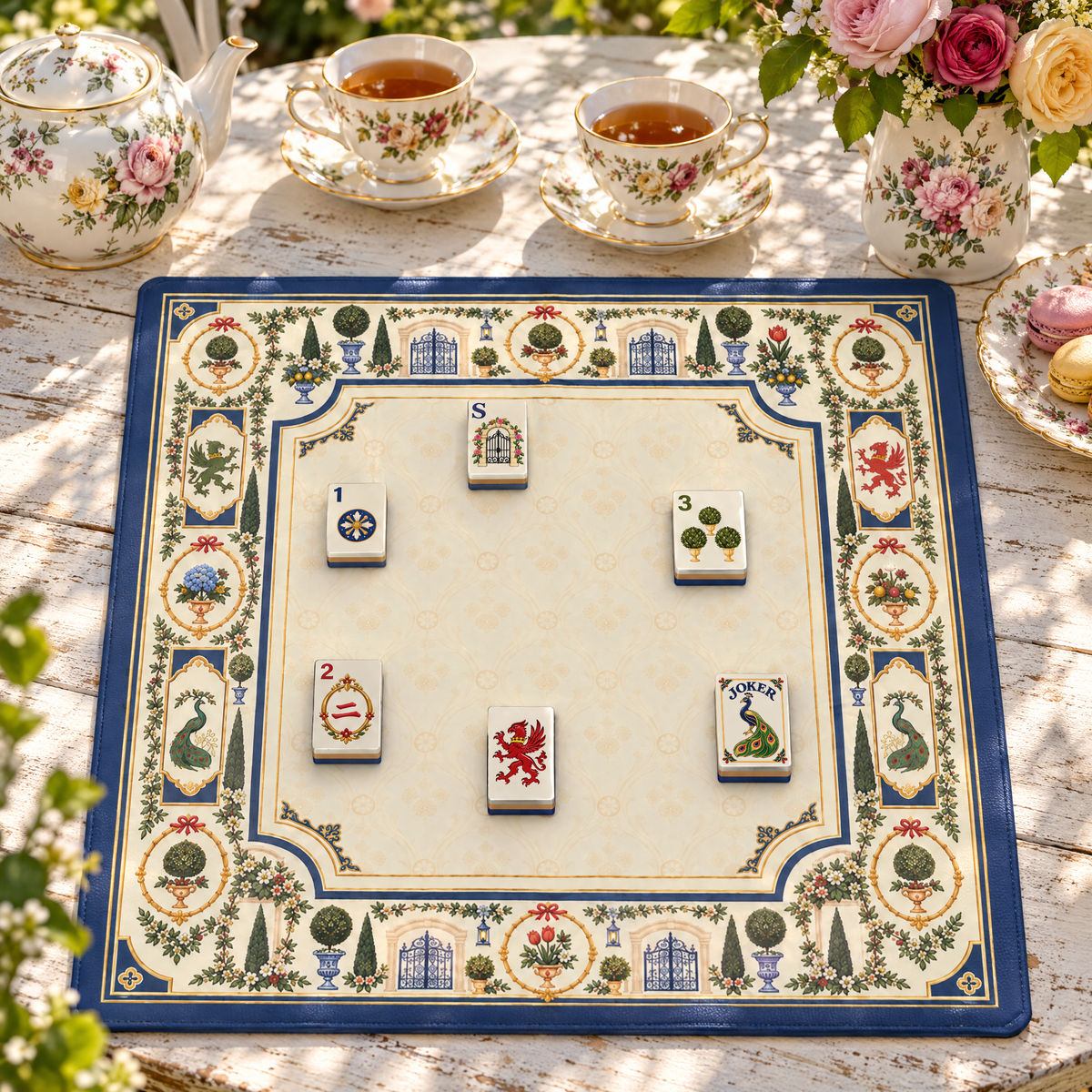
No—tiles and dice have different needs. Tiles are played on a mahjong mat and handled constantly, so they accumulate more dust and need gentler treatment overall. Tiles should be wiped individually with a damp cloth at the start of the season, then stored flat. Dice sit mostly in your closed hand, so they collect oils and humidity marks but less environmental dust. Both require distilled water and microfiber cloths, but tiles benefit from a light dry-cloth pass before damp cleaning to remove loose dust. Dice go straight to damp-cloth cleaning. Never soak either. Both should be air-dried naturally (never by heat) and stored separately from metal components like racks with pushers, which can rust if stored in high humidity.
What to check before you buy replacement dice
If your dice are genuinely damaged (cracks, deep chips in numbers, or warping that makes them sit unevenly), you'll need a replacement pair. Check whether your set came with spare dice—most best-selling mahjong sets include them. If not, verify your set design before ordering new dice; engraved patterns, fonts, and colors must match perfectly. Measure your current dice to confirm size (standard is 1/2 inch). Order from a seller who supplies American mahjong sets to ensure the dice conform to League standards (weight, size, number placement). If you're upgrading to a new set, take the cleaning habits outlined above as a chance to start fresh—new dice stored correctly look perfect for a decade.
✨ Find your Mahstead set — free US shipping →

FAQ
Can I use rubbing alcohol to clean acrylic mahjong dice?
No. Alcohol cracks acrylic and fades engravings. Stick to distilled water and white vinegar only. Alcohol is a common mistake that damages dice permanently in seconds.
My dice have a sticky film that won't wipe off. What is it?
Likely old residue from storage bags or hand lotion. Try the vinegar-and-water method for a full minute of gentle wiping. If it persists, the stickiness is internal (manufacturing defect) and can't be cleaned off. Contact your seller about a replacement.
How do I know if cloudiness is damage or just dirt?
Wipe with a damp microfiber cloth first. If the cloudiness disappears, it was surface residue. If it remains after drying completely, the cloudiness is internal (water in the acrylic) and won't improve with cleaning. Internal cloudiness doesn't affect play but signals the dice should be replaced soon.
Should I clean dice before or after every game?
Clean monthly or seasonally, not after every game—that's overkill. A quick wipe at the start of play season takes 10 minutes and keeps dice fresh. After heavy play in humid conditions, an extra wipe prevents buildup but isn't necessary every time.
Can I use a UV light or air purifier to keep dice clean?
No. UV light fades the engravings, and air purifiers don't clean acrylic. Proper storage (cool, dry, breathable bag) and a monthly microfiber wipe are the only reliable methods.


View More
View More
View More
