
Mahjong Tournaments in Pennsylvania: How to Find & Join Them
Last updated: Nov 23, 2026
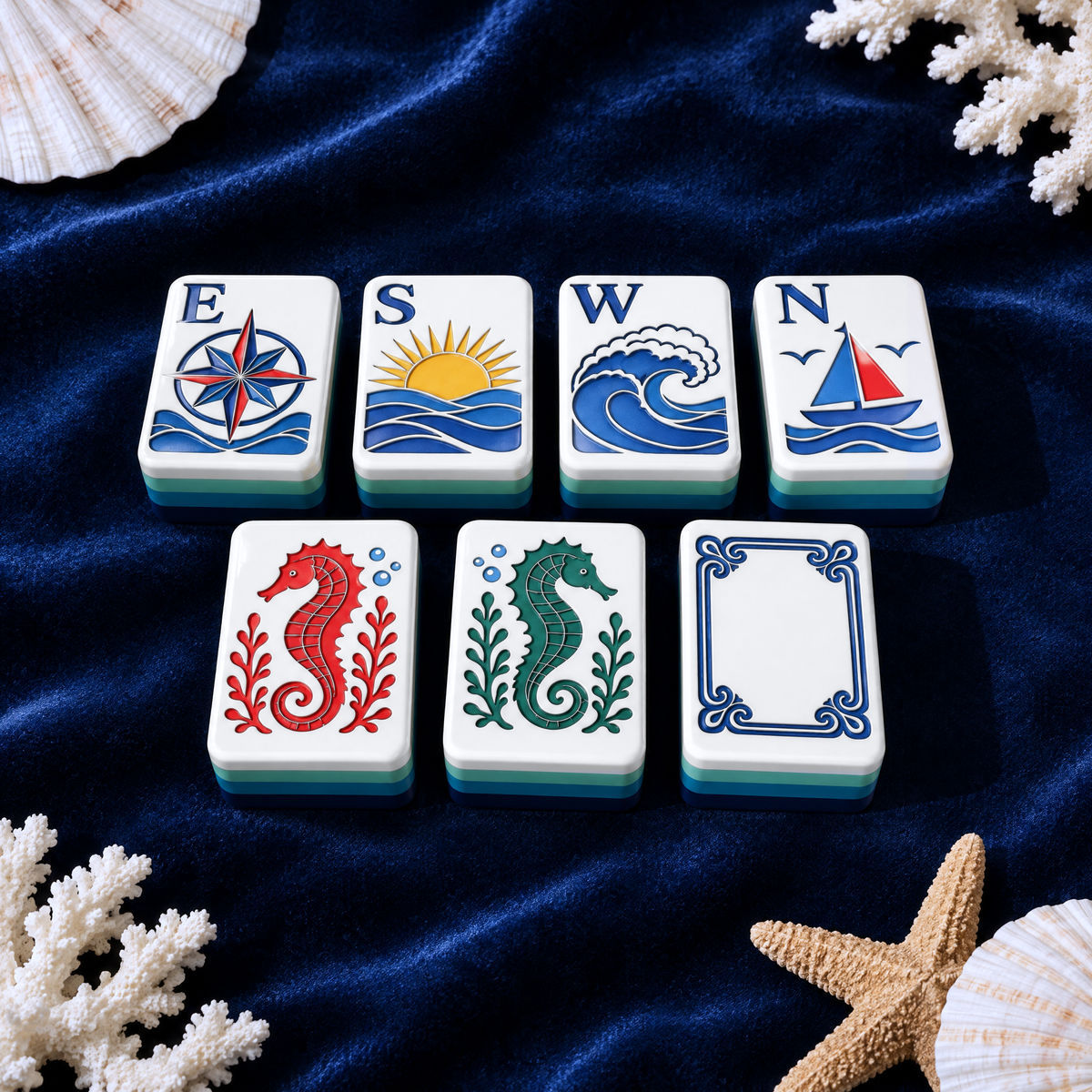
Pennsylvania mahjong tournaments are held year-round at senior centers, Jewish community centers, libraries, and country clubs, primarily in Philadelphia and Pittsburgh metropolitan areas. Most follow American mahjong rules under the National Mah Jongg League (NMJL) card system, with four-player competition structured in rounds. Tournaments range from casual neighborhood events (often free or small entry donations) to sanctioned league competitions with modest entry fees. Eligibility varies—some welcome beginners, others require NMJL membership or prior experience. To find them, contact local Ys, senior centers, and synagogues directly; check community bulletin boards and Meetup; ask at fabric and game shops. Preparation includes understanding the current year's NMJL card, practicing hand recognition, and bringing a quality set and mat if the host doesn't supply them.
🀄 Shop best-selling mahjong sets →
Where do Pennsylvania mahjong tournaments actually happen?
Most tournaments run through established community infrastructure rather than dedicated mahjong venues. Senior centers in Philadelphia, Pittsburgh, and suburbs host weekly or monthly competitions; many are free or charge a nominal fee for regular members. Jewish community centers (YM/YWHAs) in major metros offer league play during fall and winter. Public libraries sometimes host casual tournaments or connect players to organizers. Country clubs with active bridge or card-game programs often include mahjong events. The best way to locate them is direct contact: call your local Y, senior center, or library and ask the activities coordinator about mahjong; most will either run a tournament or know who does in your area.

What's the difference between casual and sanctioned tournaments?
Casual tournaments operate flexibly—entry is usually free or under ten dollars, rounds last as long as players prefer, and scoring follows agreed-upon local rules. Sanctioned tournaments are run under strict NMJL standards: each round is timed (typically 20 minutes per hand), scoring follows the official card rigorously, and winners advance to bracketed playoffs. Sanctioned events require players to own a current NMJL card or pay a day-pass fee. Casual play welcomes beginners and suits players who want social competition; sanctioned play demands faster card recognition and rule precision. Most Pennsylvania clubs mix both formats seasonally—casual play mid-week, sanctioned tournaments quarterly or seasonally.
How do I know if I'm ready to enter a tournament?
Readiness Signal | What It Means | Next Step |
You can spot pungs, kongs, quints on the card within 10 seconds | Card reading is automatic, not labored | Enter a casual tournament first |
You've played 20+ hands with the current year's card | Rule patterns are muscle memory | Sanctioned tournament is appropriate |
You know when to hold vs. discard | Strategic sense is developing | Try a competitive bracket |
You still count jokers or ask about hand structure mid-hand | Fundamentals need more practice | Play weekly games before entering |
You've attended a tournament as spectator | You understand pace and pressure | You're ready to register |
Start with a casual neighborhood tournament to experience table pressure, time constraints, and live scoring. Attend one as a spectator first if possible—watch how experienced players read the card, time their decisions, and handle scoring disputes. If you're placing hands quickly at home, you're likely ready. If you're still asking rules or second-guessing tile values, play another month of weekly games. Most tournament organizers are welcoming and will tell you honestly whether a sanctioned vs. casual event suits your level.
What equipment should you bring or know about?
Tournament hosts typically supply tiles, racks, and sometimes mats, but this varies. Call ahead to confirm. If you're required to bring your own set, a quality American mahjong set with clear tile markings and sturdy racks is essential—worn tiles or misaligned numbers slow play and frustrate opponents. Many players bring a personal mat for comfort and noise reduction; a durable mahjong mat protects tiles and makes shuffling quieter. Bring a pen and paper for scoring verification (hosts provide score sheets but backup notes prevent disputes). Some tournaments require a current NMJL card—purchase one online from the League before the event. Ask the organizer what you should prepare; most will email a checklist.
✨ Find your Mahstead set — free US shipping →

What are the unwritten tournament etiquette rules?
Speed matters: if you're the slowest player, you'll be noted and may not be invited to faster tiers. Accuracy matters more—a correct slow hand beats a fast wrong one. Announce your hand clearly when you win ("Hand, 2 Dragons"); don't assume the table heard you. Don't touch tiles once they're stacked in front of you unless the hand is disputed. If a tile flips or falls, call it immediately; don't try to hide it. Pay attention when others are playing—slow, disengaged play is seen as disrespect. Settle scoring before the next hand begins; don't let disputes linger. If you disagree on a hand's validity, ask to see the card together; don't accuse someone of cheating. Most importantly, thank the organizer and thank your opponents at the end of the session. Pennsylvania players are generally generous with newcomers; reciprocate that generosity by showing up on time, knowing the rules, and keeping the game moving.
How do you prepare your skills the week before a tournament?
Play at least two full games (eight hands minimum) on the current year's NMJL card—speed-test yourself. Ask a regular opponent to time you: can you spot a valid hand and declare it within 20 seconds? If not, drill card sections you struggle with. Practice reading suits and numbers from across a table (tiles at a distance are harder to read). Shuffle and reset quickly—smooth tile movement saves seconds per hand. Review how jokers work one more time; joker misuse is a common tournament error that costs points. Sleep well the night before; mahjong tournaments are mentally taxing over four hours. Eat a light breakfast and bring water. Don't skip warm-up play immediately before the tournament—arrive 20 minutes early to play a casual hand with other arrivals. This settles nerves and resets your card-reading rhythm.
🎁 See our most-loved mahjong sets & accessories →
What to check before you buy or bring a tournament set
If you're buying a set specifically for tournament use, ensure the tiles are uniform in thickness and color—inconsistent tiles slow play and invite challenges. Check that the racks are stable (tiles shouldn't slide out if bumped) and that numbers are printed clearly on white tile faces. Test the mat on the table surface you'll use; some mats slip on varnished wood. If bringing your own set, inspect it two weeks before the event: look for chipped corners, faded numbers, or warped racks. Confirm the tile count (152 playing tiles, 8 jokers for American play). If you're new to tournaments and not sure whether to invest in premium equipment, borrowing or renting from a local club is cheaper and smarter. Most clubs offer loaner sets to registered members. Visit the tournament venue a day or two beforehand if you can—walking the room reduces anxiety.

FAQ
How do I find a mahjong tournament in Pennsylvania if there's no local club listed online?
Contact your nearest Jewish community center, senior center, or Y directly by phone and ask the activities coordinator about mahjong. Libraries and community centers maintain bulletin boards with local game groups. Meetup and Facebook community groups often post tournament dates. Word-of-mouth from fabric and game shops also leads to organizers who run casual tournaments.
Do I need to be a member of the National Mah Jongg League to compete?
Casual tournaments don't require membership. Sanctioned tournaments usually do, or offer a day-pass fee instead. Check with the specific tournament organizer before registering; they'll specify requirements in the event description.
What happens if I spot an error in scoring during a tournament?
Stop play immediately and call the scorekeeper or tournament director. Explain the error calmly—point to the card together and verify the hand structure. Don't challenge a player personally; treat scoring disputes as factual questions about the card. Directors settle disputes impartially and correct scores before continuing.
Can I bring my own set and mat if the tournament doesn't provide them?
Yes, and many experienced players do. Confirm with the organizer that outside sets are allowed (most are). Ensure your tiles are clearly marked, racks are stable, and your mat doesn't slide on the table—loose equipment frustrates opponents and slows play.
How much does it typically cost to enter a Pennsylvania mahjong tournament?
Casual tournaments are usually free or ask for a small donation (organizers appreciate support for venue rental and supplies). Sanctioned tournaments may have a modest entry fee; ask the organizer before registering. NMJL day passes carry a fee; check the League's website for current rates.
What's the best way to prepare if I've never played in a tournament before?
Play two games on the current year's card before the event. Attend one tournament as a spectator to understand the pace and format. Arrive 20 minutes early to play a casual warm-up hand. Confirm whether you should bring your own set, and if so, test it at home for speed and accuracy.


View More
View More
View More
