
Mahjong Tournaments in Knoxville: How to Find & Join Them
Last updated: Nov 23, 2026
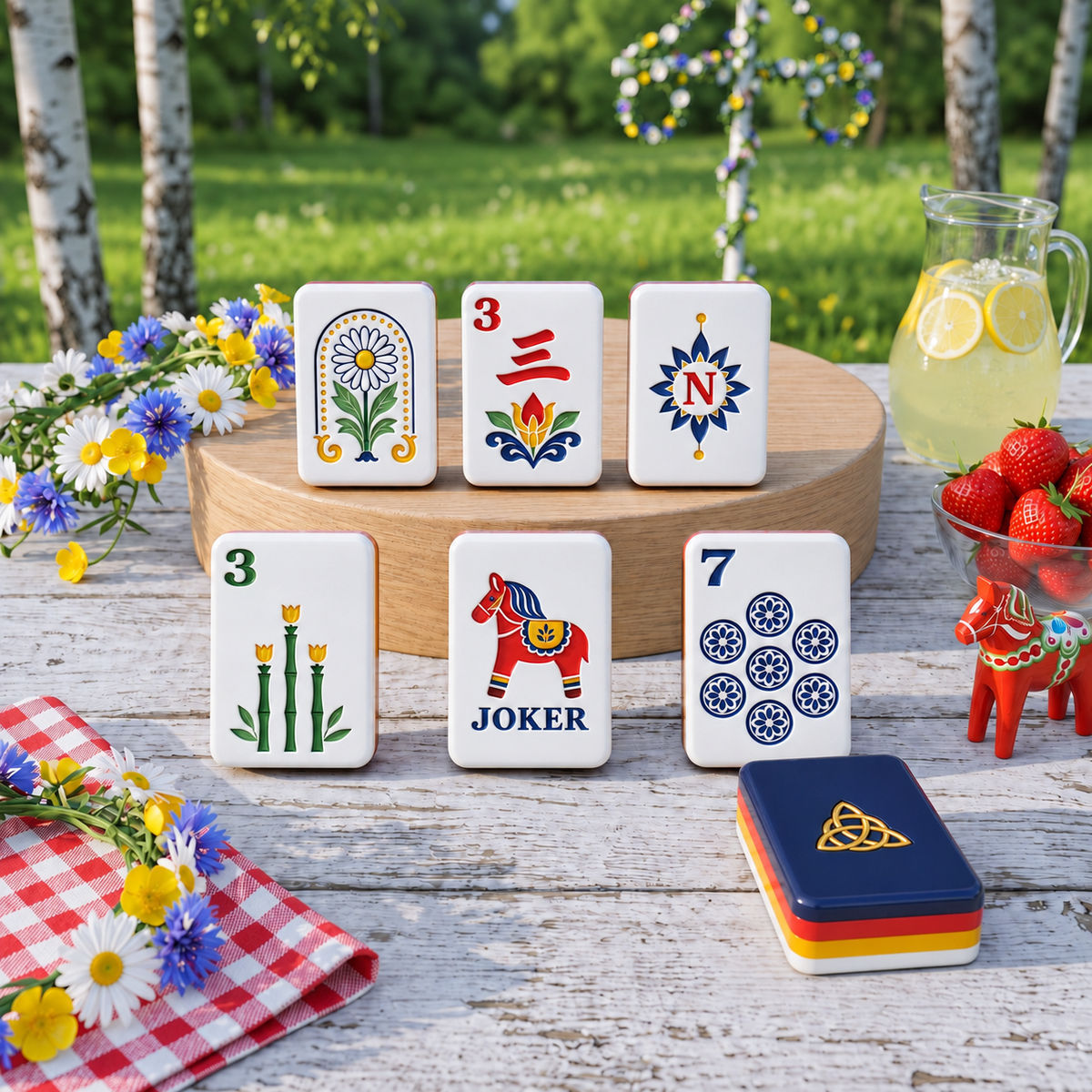
Mahjong tournaments in Knoxville typically run year-round at community recreation centers, country clubs, local synagogues, and public library meeting rooms—spaces that host regular game groups and seasonal competitions. Most tournaments welcome both American (152-tile) and occasionally Chinese variants; American mahjong is the most common in East Tennessee. Look for tournaments via community-center activity calendars, local meetup boards, the American Mahjong Association directory, and word-of-mouth at game shops and fabric stores where players gather. Tournament structures vary: some are single-session ladder play, others run round-robin over weeks. Entry fees and prize formats differ by venue. Beginners should learn the basics of American mahjong before entering, practice tile recognition and hand reading with a quality best-selling acrylic set, and attend casual play sessions first to build speed and confidence. Most venues welcome newcomers and pair you with experienced players.
Most Knoxville tournaments advertise through community-center websites, library event pages, and neighborhood meetup platforms. Start by calling your nearest parks-and-recreation department and asking whether they host regular mahjong games or tournaments; many do weekly or monthly play. Local synagogues and Jewish community centers often run daytime and evening sessions and welcome all faiths. Country clubs in the greater Knoxville area frequently host members' tournaments in spring and fall. Check bulletin boards at fabric shops, craft studios, and senior centers—these are natural gathering spots for mahjong communities. Online, search Meetup, Facebook groups for "Knoxville mahjong," and the American Mah Jongg League website for affiliated clubs. Ask at any game you attend: players know the seasonal schedule and can point you to the next tournament.
Where do most Knoxville tournaments happen?
Community centers and recreation departments host the majority of events, often offering open play twice weekly and a formal tournament quarterly. Country clubs run members-only tournaments, typically spring through fall. Synagogues and Jewish community centers hold year-round games, from casual noon sessions to evening ladders. Libraries with meeting rooms occasionally partner with local clubs. The advantage of each venue: community centers are low-cost and welcoming to all skill levels; country clubs offer serious competition and consistent scheduling; synagogues provide a cultural anchor and long-standing player networks. Check each venue's calendar at least three months ahead, as tournament dates fill early.

What skill level do I need to enter a Knoxville tournament?
Most tournaments separate entrants into beginner, intermediate, and advanced brackets, so you don't need to be expert-level to compete. Beginner brackets are designed for players who know hand patterns, can recognize tiles quickly, and understand how the Charleston tile-passing ritual works. If you've played 10–15 casual games, you're ready for a beginner division. Intermediate requires speed (finishing a hand within 2–3 minutes), solid strategy, and familiarity with the National Mah Jongg League card. Advanced tournaments assume you've competed before and know scoring nuances. Honest self-assessment matters: entering above your level wastes everyone's time. Attend a casual drop-in game first (most venues allow it), play 3–4 rounds, and ask the organizer which bracket fits. The best preparation: practice with a quality set weekly for a month before your tournament.
🀄 Shop best-selling mahjong sets →
How do tournament rules differ from casual play?
Competitive tournaments follow the National Mah Jongg League card (issued each spring), strict timing, and standardized scoring. Casual games often ignore the card, allow house rules, and move at a relaxed pace. In tournaments, a timer usually governs each hand—often 8–10 minutes for intermediate and 6 minutes for advanced. Once you declare a tile discard, you cannot take it back; in casual play, many groups allow do-overs. Joker rules are absolute: jokers can never form a single tile or a pair, and this is strictly enforced in tournament play. Scoring is calculated precisely per the card; ties and disputes are resolved by a tournament director or house rules document provided at registration. Hand validation is stricter: if your hand doesn't match the card exactly, it's void. Most organizers distribute a rule sheet at check-in and run a 30-minute practice round before the tournament proper. Read it carefully and ask questions beforehand.
What equipment should I bring or expect?
Tournament venues typically supply tiles, racks, mats, and dice. You are not expected to bring your own set. However, many experienced players bring a personal acrylic set for practice beforehand or to get comfortable with their tile tactile feel. If you do bring a set, ensure it has all 152 playing tiles plus 8 jokers—no substitutes. Wear comfortable clothing (you'll sit for 2–3 hours per session) and bring a notepad to track scores. Some players bring reading glasses for tile recognition under varying lighting. Venues provide water; bring your own snacks if the space doesn't. A few high-level tournaments ask players to supply their own mats if they prefer a specific design—ask the organizer a week before. Most beginners don't need anything beyond comfortable shoes and an open mind.

How do I prepare my game before entering a tournament?
Build speed and accuracy over 4–6 weeks by playing casual games twice weekly with the current year's mahjong card. Memorize the hand patterns on the card so tile recognition becomes automatic; don't rely on flipping back constantly during play. Practice the Charleston—the four-direction tile-passing sequence before each hand—until your hands move without thought. Learn how to read the card quickly: know which section holds your hand pattern, whether it's a pung (three identical tiles), a quint (five), or a sextet (six). Study American mahjong scoring so you understand point values and bonus combinations. Play with a consistent group; repetition with the same people builds confidence. The night before, get eight hours of sleep and avoid learning new patterns—stick to review. Arrive 15 minutes early to settle in, ask where the restroom is, and introduce yourself to the director. Calm nerves with a short walk or breathing exercise before your first hand. Most tournaments begin with an easygoing first round to help players acclimate.
🎁 See our most-loved mahjong sets & accessories →
Preparation Step | When to Do It | What It Does | Red Flag to Avoid |
Play casual games 2× weekly | 4–6 weeks before | Builds tile speed and pattern memory | Entering tournament cold after months away from play |
Memorize the current card | Weeks 3–2 before | Eliminates pause time during hands | Using last year's card; card changes every spring |
Practice the Charleston | 1–2 weeks before | Automatic tile-passing under pressure | Hesitating during the ritual; it must feel natural |
Study scoring | 2 weeks before | Prevents disputes and builds confidence | Guessing at bonus values during tournament |
Join a drop-in game | 1 week before | Test your readiness in a live setting | Skipping this; tournament pace is faster than home games |
Sleep and arrive early | Day of tournament | Sharpens focus and calms anxiety | Rushing in 5 minutes late, stressed |
What should I check before I buy or bring a set?
If you're purchasing a set to practice at home before a tournament, confirm it contains exactly 152 playing tiles plus 8 jokers—this is the American standard. Acrylic tiles are durable and tournament-approved; bamboo and bone are beautiful but slower in competitive play due to weight. Check that all four copies of each tile are present (four 1 Bams, four 2 Craks, etc.); a missing tile ruins practice. The 1 Bam should show a bird; the White Dragon serves as zero and pairs with Dots. Ensure your racks have pushers—these small rods help speed up tile displays during turns. A padded mat protects tiles during storage and travel. If you're borrowing a set from a friend, inspect it the day before your tournament: flip through all tiles, count the jokers, test the racks, and confirm the mat isn't torn. A broken tile during tournament play stops the game and may disqualify your hand. For serious preparation, our best-selling mahjong sets come complete and ready to play; they ship free across the US and include everything needed for practice.
✨ Find your Mahstead set — free US shipping →
How do I find casual games to practice before entering a tournament?
Most Knoxville venues that host tournaments also run drop-in play sessions at lower cost. Call ahead to confirm the day, time, and entry fee. Many groups meet Tuesday and Thursday afternoons, Saturday mornings, and Wednesday evenings—schedules vary. Expect to pay a small table fee (usually shared among players); no prize money is involved in casual play. Bring cash or ask if the organizer accepts payment on-site. Arrive early the first time so you can watch a hand, meet the group, and ask questions. The same people often show up repeatedly, so you'll build a network fast. Ask where the tournament games are held and whether any players compete; they'll likely invite you to your first event. Casual groups are where most Knoxville tournament players start—it's the best and friendliest entry point.
FAQ
Do I need to be a member of a club to enter a Knoxville tournament?
Most tournaments accept non-members, though some country-club events are members-only. Always ask the organizer at registration or in advance. Public community-center and library tournaments welcome anyone. Membership may offer discounts on repeated tournaments, but it's not required for your first entry.
What's the difference between American and Chinese mahjong tournaments?
Knoxville tournaments are predominantly American mahjong, which uses 152 tiles and follows the National Mah Jongg League card (different each year). Chinese mahjong uses 144 tiles, different hand patterns, and allows sequences (chows). If you see "Chinese" advertised, confirm with the organizer before attending; rules and tile recognition are completely different.
How much does a typical tournament cost to enter?
Entry fees vary by venue and tournament size. Community-center beginner tournaments range from low cost to moderate, while larger or advanced tournaments may charge more. Contact the organizer directly for current fees. Many venues also offer drop-in play at a lower table fee if you want to practice before committing to a full tournament.
Can I bring my own mahjong set to a tournament?
Tournament venues supply tiles, racks, and mats, so you're not required to bring your own. However, some experienced players bring a personal set for practice beforehand. If you do, ensure it's a complete 152-tile American set with 8 jokers. Verify with the organizer if they have any policy on personal equipment.
What if I'm a complete beginner—should I watch a tournament first instead of entering?
Yes—watching is an excellent option if you're brand-new to mahjong. Most tournaments allow spectators to sit behind players or observe from the sideline. Watching teaches you tournament pace, hand patterns in real play, and whether you're ready to compete. Then attend 3–4 casual drop-in games before you enter a beginner bracket. This builds confidence and prevents overwhelm on your first competitive day.
How do I know if my mahjong set is legal for tournament play?
American tournament sets must have exactly 152 playing tiles (three suits × 9 numbers × 4 copies each = 108; 16 winds; 12 dragons; 8 flowers) plus 8 jokers. Count all tile types and ensure no duplicates are missing or broken. Tiles should be acrylic or bamboo/bone; novelty or damaged sets are not allowed. Ask the tournament director to inspect your set before play if you're uncertain.


View More
View More
View More
