
Mahjong Tournaments in Kansas City: Where to Play & How to Compete
Last updated: Nov 23, 2026
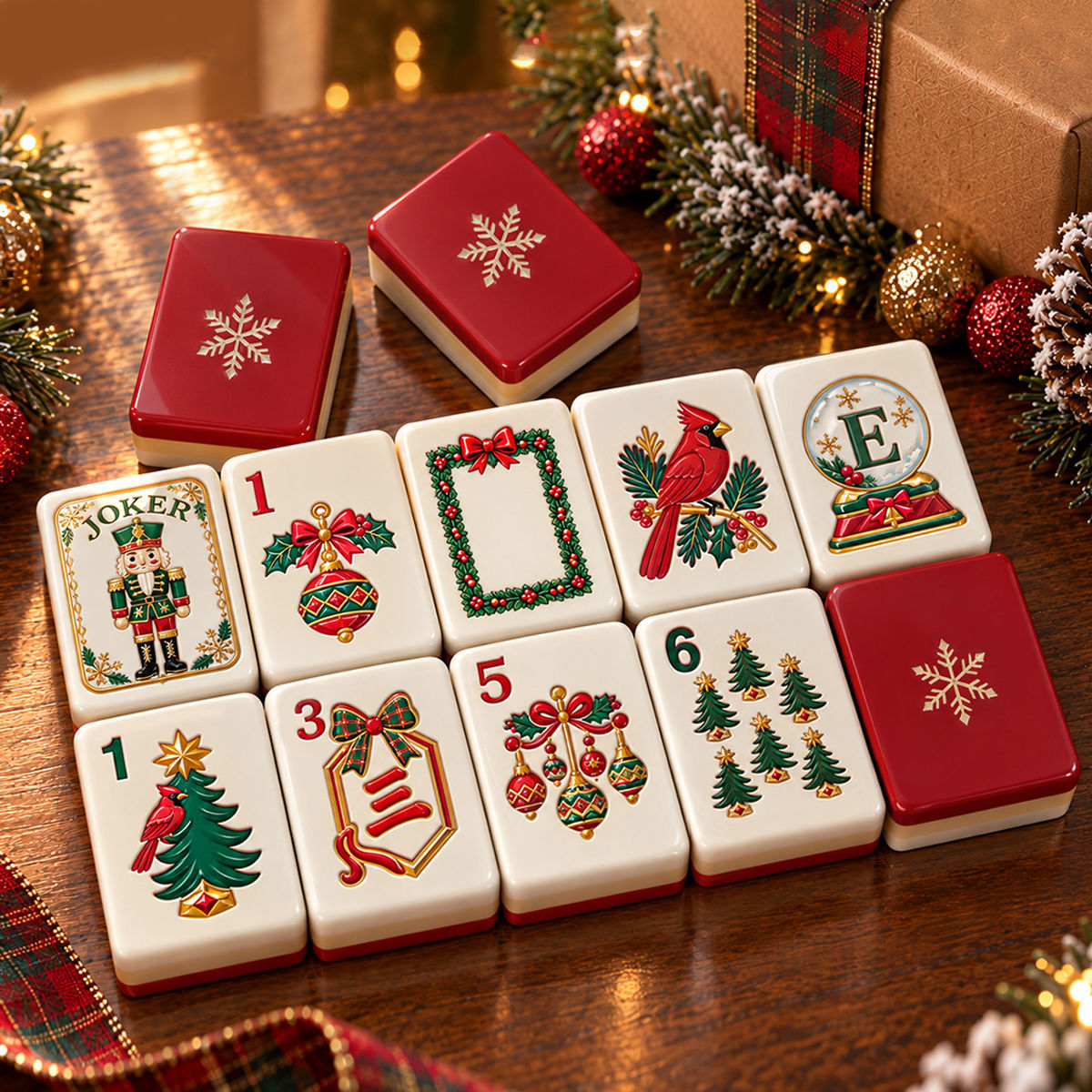
Kansas City's mahjong scene includes weekly social games, seasonal tournaments, and occasional sanctioned events. Most play happens at community centers (check Parks & Recreation listings), synagogues with game rooms, and country clubs with bridge or game sections. The National Mah Jongg League sanctions official tournaments several times yearly; to find them, visit the NMJL website and search by state and date range. Entry typically requires joining a club or a one-time guest fee. Skill levels range from beginner to advanced, and most events use the current year's NMJL card. Bring your own best-selling mahjong sets (many players prefer acrylic for durability) or use house sets. Local clubs often advertise on Meetup, Facebook, and community bulletin boards; ask at your library's bulletin board or call the Parks department for referrals to active groups.
Where do Kansas City players gather for tournaments?
Social games anchor the KC mahjong world. Parks & Recreation departments often host beginner and intermediate sessions in community centers—call ahead to confirm current schedules and room availability. Synagogues with active game committees frequently run weekly or monthly tournaments; these are open to all players regardless of religion. Country clubs and private game clubs sometimes host tournaments for members and guests. Start by searching your neighborhood community center online, then ask the staff if mahjong is offered; many clubs are word-of-mouth and advertised only via email or internal bulletin boards.

What's the difference between sanctioned and casual tournaments?
Sanctioned tournaments follow National Mah Jongg League rules and the current year's card. Players earn ranking points, and records go into an official database. Casual tournaments are hosted by local groups—often fewer rules, house variations allowed, and no official record. Sanctioned events require NMJL membership (you can join as an individual); casual games rarely do. Both formats teach you how to play American mahjong in a competitive but social setting. Choose sanctioned if you want formal recognition and consistency; casual if you want flexibility and a lower entry barrier.
🎁 See our most-loved mahjong sets & accessories →
How do you prepare your tiles and equipment for tournament play?
Tournament sets must include exactly 152 playing tiles plus 8 jokers—our 160-tile acrylic sets ship with spares, so you're tournament-ready immediately. Check your tiles before every match: count to 152, verify all four copies of each tile are present, and confirm jokers are clearly marked and unused. Bring a mahjong mat for consistent table play and protection (many tournament tables are hard surfaces). Many players use racks with pushers to keep tiles orderly and speed up hand-building—allowed in most tournaments. Pack a travel bag or case so your set survives the journey. Arrive 15 minutes early to test your setup on the actual table.
Setup Element | Why It Matters | Best Practice |
Tile count | Missed tiles void hands; spares ensure 152 always available | Count before every tournament |
Joker clarity | Disputed jokers halt play; acrylic sets use visible markings | Verify all 8 jokers are readable |
Rack or mat | Speed and consistency in hand display | Bring both if possible |
Travel case | Prevents tile loss or damage en route | Use padded bag with compartments |
Card reference | Outdoor tournaments require your own card | Laminated current-year card in a sleeve |
What rules do Kansas City tournaments typically use?
Nearly all Kansas City tournaments use the current-year National Mah Jongg League card and standard American mahjong rules. This means hands come only from the published card (no Chinese sequences), the Charleston tile-pass happens before each round, and jokers cannot be used in singles or pairs. Exposed melds (pungs, kongs, quints, sextets) follow NMJL rules—three or more identical tiles only, never mixed numbers like 1-2-3. Ask the tournament host in advance whether they allow house variations (some clubs modify scoring or joker use for fun). Read the Charleston explained to ensure you know the tile-passing ritual cold; tournament play moves fast, and hesitation costs you. Arrive knowing how to read the mahjong card so you can spot hands quickly when tiles land.

How do you find announcements and schedules for Kansas City events?
Most KC tournaments are announced via Facebook groups (search "Kansas City Mahjong," "KC Mahjong Players," etc.), Meetup.com, and local library bulletin boards. The National Mah Jongg League website lists sanctioned tournaments by state and date, though Kansas City events may be sparse in certain months. Call community centers directly—staff often know which days mahjong meets. Synagogue game committees send email rosters to members; ask a player you know for a referral. Join a local group's email list or WhatsApp once you attend one event; word-of-mouth is how most tournament information spreads. Check back quarterly, as schedules change seasonally.
🀄 Shop best-selling mahjong sets →
What should you check before registering for a tournament?
Entry requirements: Some tournaments require NMJL membership; others allow guests. Ask if you need to pre-register or if walk-ins are welcome. Skill level: Confirm whether the tournament is beginner, intermediate, or advanced. Playing above or below your level is frustrating and unfair. Your equipment: Bring your own tiles (unless the host provides them). Verify your set is complete and your mat fits the table. The card: Ask which year's National Mah Jongg League card is in use—always the current spring release. Bring a laminated copy or a high-resolution photo on your phone. House rules: Some clubs modify scoring or joker rules. Ask the host about any local variations before you play. Cost and payment: Ask whether entry is free, a flat fee, or a tournament fee split among winners. Know the payment method (cash, Venmo, check).
How do beginners break into the Kansas City tournament scene?
Start with a casual weekly game at a community center, library, or friend's group. Play 4–6 times in a social setting so you're comfortable with the tile flow, the card, and basic strategy. Once you've learned what's in an American mahjong set and feel confident reading hands, attend a beginner tournament. These are low-pressure, forgiving, and full of players who welcome new competitors. Ask more experienced players for advice on strategy and etiquette—the KC community is generally warm and patient. Invest in a quality acrylic mahjong set so your tiles feel the same every time you play; consistency builds confidence. After a few beginner tournaments, you'll know whether you want to climb to intermediate or stay social.
✨ Find your Mahstead set — free US shipping →

FAQ
Do I need to be a member of a club to play in Kansas City tournaments?
Not always. Casual tournaments and many community center games welcome walk-ins. Sanctioned NMJL tournaments require membership (you can join as an individual through the league). Ask the tournament host before you arrive—most will tell you upfront whether membership is required.
What's the cost to enter a Kansas City mahjong tournament?
Casual weekly games are often free or ask for a donation ($2–10). Formal NMJL tournaments typically charge a per-game fee; ask the host for exact details when you register. Some clubs waive fees for guests the first time.
Can I use a different mahjong set than the house provides?
Yes, and most tournaments welcome it. Many players bring their own sets because they're familiar with the tile feel and markings. Just confirm the tiles are standard American (152 tiles, 8 jokers) and clearly marked. Our acrylic sets are durable and visible under tournament lights.
How often do sanctioned NMJL tournaments happen in Kansas City?
The National Mah Jongg League holds tournaments several times per year in different regions. Kansas City may host one or two per year, or none—it depends on local club organization and demand. Check the NMJL website directly for the most current schedule, or join a local email list so you're notified when tournaments are announced.
What should I bring to my first tournament besides my tiles?
Bring the current year's National Mah Jongg League card (laminated or in a protective sleeve), your mahjong mat or rack if you prefer one, a pen for scoring, and water. Arrive 10–15 minutes early to set up and introduce yourself to the other players.
Are there beginner-only tournaments in Kansas City, or do I have to play with advanced players?
Many Kansas City clubs run beginner or intermediate tournaments, especially at community centers. A few also run open divisions where all levels mix. When you find an event, ask the host what skill level it's designed for, and be honest about your own level—they'll place you in a fair bracket.


View More
View More
View More
