
Mahjong Tournaments in Illinois: Where to Play and How to Prepare
Last updated: Nov 23, 2026
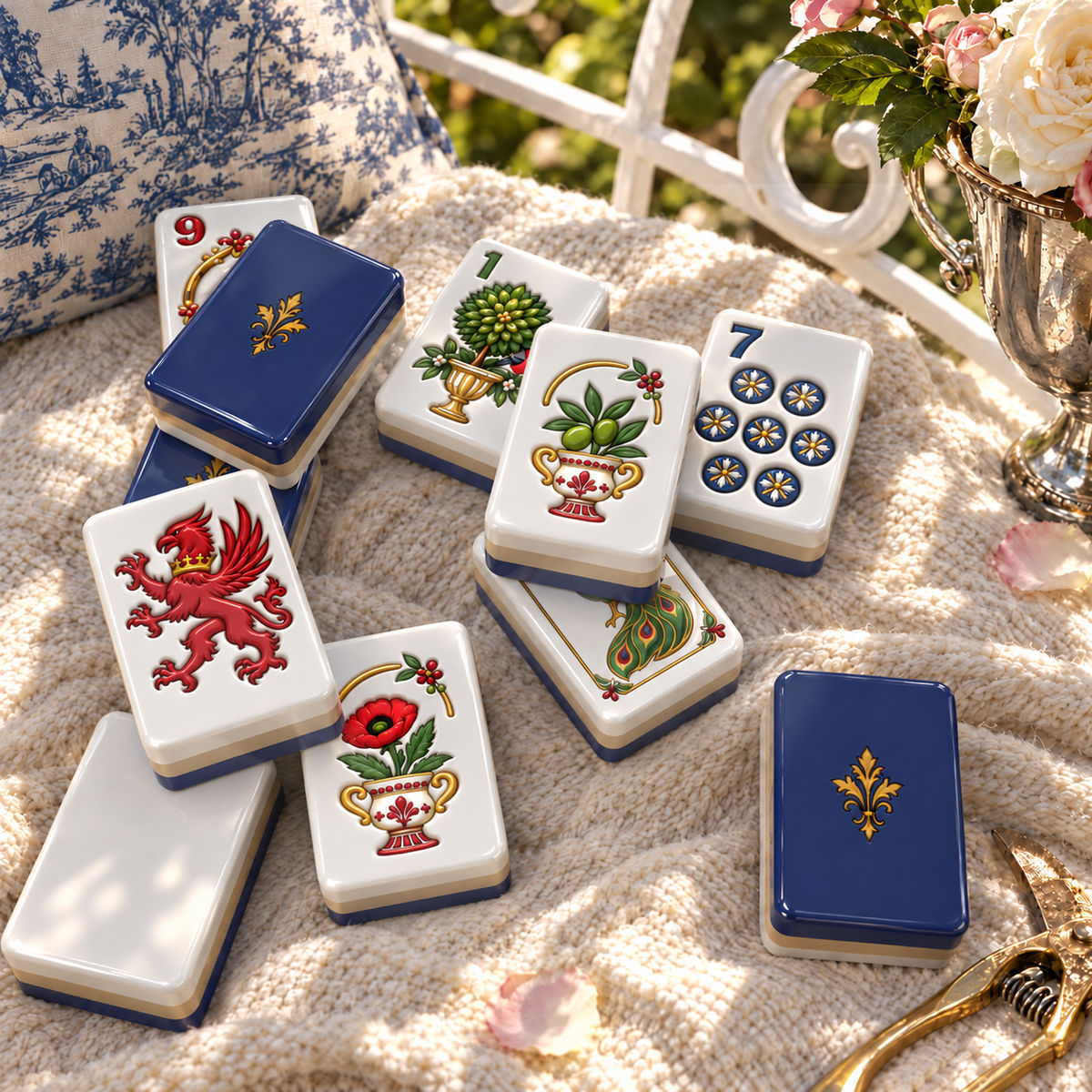
Illinois mahjong tournaments happen year-round through the National Mah Jongg League (sanctioned clubs and meetings), local community centers, libraries, synagogues, and country clubs that host open play days and invitational events. Most follow American mahjong rules using the current year's official card. Tournaments range from casual four-player rounds on a single afternoon to multi-week league play with rankings. Entry fees vary by venue; beginner and advanced brackets often run separately. To find tournaments, search your city or county recreation department websites, call synagogues and country clubs in your area (many host mahjong groups), ask at libraries' community bulletin boards, and check Meetup for local mahjong clubs. Most welcome new players; bring your tiles or borrow, and expect to pay a modest entry fee or per-game stake. Mahstead's best-selling mahjong sets are tournament-ready and include everything you need to play competitively. 🀄 Shop best-selling mahjong sets →
What tournaments run in Illinois right now?
The National Mah Jongg League sanctions clubs throughout Illinois that host weekly or monthly meetings where members play toward league-wide rankings and annual awards. These are the most formal tournament structure. Beyond that, many casual tournaments spring up at community centers, libraries, and country clubs, especially in Chicago and suburbs like Evanston, Highland Park, and Winnetka. Search "[your city] + mahjong club" or visit your local recreation department website. Many run November through April (the active season); summer play tends lighter. Call ahead to confirm schedules, which shift by season and venue capacity.

How do American mahjong tournament rules differ from casual play?
Tournament play strictly enforces the current year's National Mah Jongg League card—you can only declare hands that appear on it. Casual home games sometimes allow house rules or older cards. Tournaments use standardized scoring per league guidelines, enforce Charleston rules precisely (no shortcuts), and require that jokers and flowers be tracked correctly. Discard order is public and challenged if illegal. Most tournaments play with identical acrylic or bamboo tile sets to ensure fairness. Hand washing between rounds is common. Casual play is more forgiving; tournaments are not.
What should I bring and wear to a tournament?
Arrive with your player card (if joining a league) or a signed waiver, a pen, notebook, and cash if paying per game or entry fee. Wear comfortable clothes—you'll sit for 2–4 hours per session. Many players bring their own tile set; if playing at the host's table, sets are provided. Bring water and a snack. Some venues allow only quiet beverages (no fizzy drinks near tiles). Most importantly, bring a clear head and an open attitude—tournament organizers expect courtesy, clean play, and respect for the rules. Many venues ask players to leave tiles and racks at home if they're providing them; ask ahead to be sure.
How do tournament brackets and scoring work?
Most Illinois tournaments use one of two formats: round-robin (everyone plays everyone else once or twice, with final rankings by win count and points) or Swiss-system (players face opponents with similar records each round). Each game is typically four players, one hand per seat position (East, South, West, North), and scoring tallied by the National Mah Jongg League point system—winner's hand value minus losers' payments. After 4–8 rounds, the player with the highest total score wins the tournament. Some clubs run cumulative season tournaments; you play in weekly sessions and points roll forward. Ask the organizer for the specific format before you enter.
Format | Best For | Duration | Winner Determined By |
Round-robin | Small groups (12–20 players) | 1 afternoon | Total points across all rounds |
Swiss-system | Larger fields (20+ players) | 1–2 days | Win percentage + point total |
League season | Committed regulars | 8–16 weeks | Cumulative ranking |
Friendly club | New players | 2–4 hours | Single session or tiebreaker |

What preparation mistakes do new tournament players make?
Not learning the current year's card first. Bring the official card and review hands before play. Arriving late. Punctuality matters; late arrivals may forfeit or sit out a round. Fumbling the Charleston. Practice passing tiles smoothly; slow Charlestons delay everyone. Misplaying jokers or flowers. Review how jokers work before a tournament; mistakes hurt your score and others' trust. Using worn or mismatched tiles. If you're bringing your own set, ensure all tiles are present and readable; a quality mahjong set with clear engravings prevents disputes. Not knowing the venue's house rules. Call ahead: some clubs disallow calculator use, require hand photos, or have special tiebreaker rules. Overthinking the first round. Play naturally; tournament jitters fade after the first hand or two.
🎁 See our most-loved mahjong sets & accessories →
How do I find and join an Illinois mahjong club?
Start with online searches: "[city name] + mahjong club," "Meetup mahjong [city]," or "mahjong [county library]." Call your local library or community center and ask if they host mahjong groups or can recommend one. Synagogues, especially in suburban areas, often have mahjong clubs and host monthly tournaments. Country clubs and senior centers frequently run mahjong leagues. You can also attend an open play day at any sanctioned NMJL club without membership—you pay a small per-game or day fee. Introduce yourself to the organizer, watch a round, and ask how to join the league if you like what you see. Most clubs welcome new players and will teach the current card and house rules.
What to check before you buy or bring your own tiles to a tournament:
Does the tournament provide sets, or do you bring your own?
Are tile engravings clear and readable from arm's length?
Do you have all 152 playing tiles plus spare jokers and blanks?
Does your set include a mat and racks for fast, stable play?
Are your pushers smooth (not chipped or sticky)?
Is your tile bag padded so tiles don't rattle during transport?
If you're shopping for a tournament-ready set, engraved American mahjong sets designed for competitive play offer lasting clarity. Pair them with a cushioned travel bag and racks with pushers to look and play like a seasoned competitor.
✨ Find your Mahstead set — free US shipping →
Getting started: your first tournament checklist
Research. Search "[your suburb] mahjong" or call community centers and libraries.
Observe. Attend an open play day or watch a round without entering.
Learn the card. Download or buy the current year's National Mah Jongg League card and review it daily for one week.
Practice. Play at least 4–5 casual games with friends using the official card.
Arrive early. Show up 15 minutes before the first round; read any posted house rules.
Ask questions. Clarify scoring, Charleston rules, and tiebreakers with the organizer before play starts.
Play one round. Treat your first tournament game as a learning experience, not a test.
See the mahjong for beginners guide for more foundational tips and rules.

FAQ
Do I need my own mahjong set to play in an Illinois tournament?
No. Most tournaments and clubs provide sets at the table. If you bring your own, confirm it meets the venue's standard (acrylic, standard size, clear tiles, all 152 tiles present). Check with the organizer beforehand.
How much does it cost to enter a mahjong tournament in Illinois?
Entry fees vary by venue and format. Club play typically costs $3–$8 per game or $10–$25 per session. League membership (seasonal) ranges from $50–$150. Call your local club or community center for exact pricing.
Can I play in a tournament if I'm a complete beginner?
Yes. Many clubs run beginner-friendly tournaments or separate beginner brackets. Attend an open play day first, review the National Mah Jongg League card for two weeks, and play a few casual games. Most organizers welcome new players as long as you know basic rules and hand recognition.
What's the difference between a sanctioned National Mah Jongg League tournament and a casual club tournament?
Sanctioned NMJL tournaments use only hands from the official current-year card, enforce strict scoring, and contribute to league rankings. Casual club tournaments may allow house variations, older cards, or modified scoring. NMJL tournaments are more formal; casual play is relaxed.
How do I improve my tournament game before entering?
Play weekly with friends using the official card. Practice the Charleston to avoid delays. Learn to recognize hands quickly by suit and honor pattern. Study the current year's card for 10 minutes daily. Watch tutorial videos on how to read the mahjong card. Attend club open play days to see how experienced players manage strategy and timing.
Are there summer tournaments in Illinois, or is it mainly winter?
Most league play runs November through April (the traditional season). Summer play is lighter but happens—check Meetup and local community boards in June–August for casual tournaments or open play days. Some clubs offer year-round weekly sessions.


View More
View More
View More
