
Mahjong Tournaments in Frisco: Finding Games & Getting Ready
Last updated: Nov 23, 2026
Frisco hosts mahjong tournaments through community centers, libraries, recreation departments, and private clubs—check your city's parks & recreation website or library bulletin board for schedules. Most tournaments follow American mahjong rules using the current National Mah Jongg League card, run in single- or multi-round formats (typically 2–4 hours), and welcome players from beginner to advanced. Entry fees and prize structures vary widely; contact the host directly for details. Before entering, brush up on American mahjong fundamentals, master the Charleston tile-passing ritual, and invest in a durable, well-organized tournament-grade set from our best-selling collection so you can focus on strategy, not gear management.
Where do Frisco mahjong tournaments actually happen?
Frisco's game scene lives in three main venues. Community recreation centers often host weekly or monthly open-play sessions; call your local parks & recreation office for the season schedule. Public libraries sometimes co-host or list mahjong clubs on their event boards—visit in person or check their website for announcements. Private country clubs and Chinese cultural organizations occasionally run invitation or membership tournaments; ask at local restaurants or community centers for referral contacts. Start by searching "[Your City] mahjong club" on community meetup boards, or visit your library's bulletin board in person—that's often where the most current flyers land.
What skill levels compete in Frisco tournaments?
Tournament brackets rarely separate by strict rank; instead, most events run open play or rotate table pairings to mix experience levels fairly. Beginner-friendly tournaments explicitly welcome new players and often provide a brief rules refresher before starting. Intermediate and advanced tables exist at larger events but usually only if enough players sign up. The real filter isn't tournament difficulty—it's your comfort with how jokers work, speed of play, and reading the league card. If you're learning, attend 3–5 open-play sessions at a club first, then enter a beginner bracket. If you're solid on rules and hand recognition, jump into an open tournament and expect friendly coaching from veteran players.

How long do Frisco mahjong tournaments actually run?
Most tournaments last 2–4 hours total, including a 15-minute registration and rules briefing. Individual rounds run 45 minutes to 1 hour (typically 2–4 games per round, depending on the format). A typical afternoon tournament might have three rounds with 10–15 minute breaks between; an evening event might run two rounds. Format varies: round-robin tables (each player faces every opponent once), Swiss-system pairings (you're matched against players with similar records), or single-elimination. Ask the host for the exact schedule when you register so you can plan parking, breaks, and any post-game socializing. Bring water, a snack, and a comfortable cushion if you're sensitive to hard chairs—most venues don't provide them.
What should you bring and prepare before your first tournament?
Tournament prep checklist:
Mahjong set: Bring your own 160-tile set (not a borrowed or unfamiliar one). A durable acrylic set with clear tiles and smooth pushing moves faster during timed rounds and reduces misreads.
Current league card: Download or print the 2026 National Mah Jongg League card (most tournaments require you to have your own copy). Laminate it or slip it into a page protector so it survives spills.
Racks and pushers: Bring racks with pushers—tournament play moves quickly, and a good rack keeps your hand hidden and organized while pushers speed up discards.
Notepad & pen: Track scores and hands if the tournament doesn't provide score sheets.
Comfort items: Cushion or back support, water bottle, light snack (usually not allowed at the table, but okay during breaks).
Arrive early: Show up 15 minutes before the start to find parking, check in, and settle at your table before tiles hit the mat.

How do tournament hands differ from casual home play?
Tournament mahjong follows the same 152-tile-and-8-joker American rules as home play, but the pace and scoring emphasis shift. Hands must match the current year's National Mah Jongg League card—no house variations or made-up patterns. Speed matters: you'll often play 2–3 hands back-to-back in rapid succession, so learning the card layout by sight (not guesswork) saves critical seconds. Tournament scoring usually awards points only for declared winning hands; some events use cumulative round scoring, others use win-only. Discard order is strict—once a tile leaves your hand, it's gone, and calling a tile must happen before the next player draws. The Charleston is always played before the first hand, and no house rules override the league card. If your home group plays loosely or uses variations, spend a few weeks drilling league-card hands to build your speed and confidence.
Aspect | Home Play | Tournament Play | Why It Matters |
Card rules | Flexible, house rules OK | Strict league card only | Tournament hands must be league-verified for scoring |
Pace | Relaxed, 20+ min per hand | 15–20 min per hand | Tournament rounds are timed; slow play stalls others |
Tile calling | Informal, forgiving | Strict order, no takeback | Discard etiquette and quick recognition are critical |
Joker placement | Casual swaps acceptable | No joker swaps between hands | Jokers must be returned to the wall between games |
Racks & pushers | Optional | Strongly recommended | Speed and tile security both matter in competitive rounds |
🀄 Shop best-selling mahjong sets →
What to check before you buy or bring a tournament set
Before your first event, test your set at home with experienced players or a club session. Look for these red flags: tiles that stick or catch in your rack (slow your pace), jokers or blanks that look identical (causes confusion), sets where the character is printed so faintly you must squint (tournament lighting may be poor). If you're borrowing a set, arrive 30 minutes early to make sure it's complete (all 152 tiles plus 8 jokers) and that you know how to work the racks and pushers—fumbling with unfamiliar gear under pressure kills focus. Bring a backup joker or two in case someone's set is missing one (common after a long tournament day). If you use custom engraved sets, confirm the tiles are acrylic and the engraving is legible from arm's length; decorative sets with faint printing or resin tiles that look cloudy will frustrate you mid-game.
Tournament sets must fit inside a secure travel bag or case so tiles don't shift or spill during transport—a cracked mat or missing tiles before the event derails your prep. Test your bag's fit once before tournament day.
🎁 See our most-loved mahjong sets & accessories →
How to find Frisco-area mahjong clubs and tournament schedules
Start with your city's parks & recreation department website—most list recurring game clubs and tournament dates. Call 2–3 weeks ahead to confirm times and entry fees. Check public library event calendars in person and online; librarians often know the strongest local mahjong networks. Visit local Chinese restaurants, community centers, and senior centers; ask staff if they know of clubs or coordinate with one. Search Meetup, Nextdoor, or Facebook groups for "Frisco mahjong" or "[Your City] mahjong tournament." Once you attend one event, ask organizers or veteran players for other club schedules—the mahjong community is welcoming, and one connection leads to the whole scene. Many clubs run casual Wednesday or Friday night games alongside formal tournaments, so you can build friendships and practice between competitive events.
✨ Find your Mahstead set — free US shipping →

FAQ
Do I need my own mahjong set for tournaments?
Most tournaments require or strongly encourage you to bring your own 160-tile set so you're familiar with how tiles move and racks work. Borrowing an unfamiliar set on tournament day introduces errors and slows your play; invest in one before your first event.
What's the entry fee for a typical Frisco tournament?
Entry fees vary by organizer and format—anywhere from free for casual club play to modest fees ($5–20) for formal tournaments. Contact the host directly for pricing; many clubs offer first-time visitor discounts.
Can I play tournament mahjong as a complete beginner?
Yes—many tournaments have beginner brackets or welcome new players. Before entering, spend 2–3 weeks learning the Charleston, basic hand patterns, and how to read the league card so you're not lost mid-round.
Should I use a mat for tournament play?
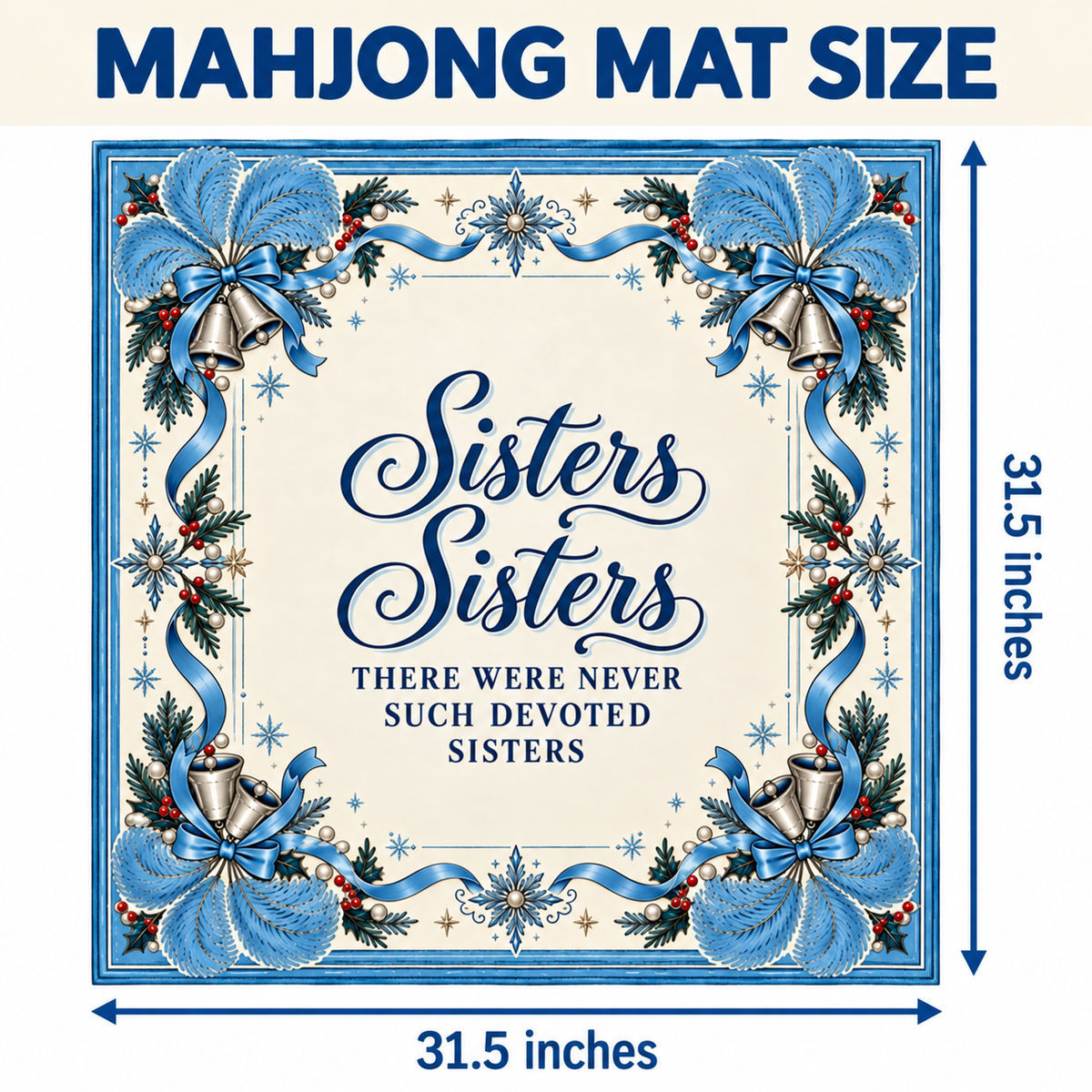
A good mahjong mat protects tiles and speeds up play. Many tournaments provide tables but not mats; bring your own if you want consistent tile movement and organization.
How often does Frisco host mahjong tournaments?
Most clubs and recreation centers host weekly or twice-monthly casual games, with formal tournaments quarterly or seasonally. Check with your local parks & recreation office or library for the current schedule.
What's the best way to get faster at tile recognition for tournaments?
Practice drilling the current league card pattern sections at home using your own set. Play several casual club rounds before your first tournament so hand recognition becomes automatic, not a conscious search.


View More
View More
View More
