
Mahjong Tournament Strategy Mistakes to Avoid
Last updated: Nov 23, 2026
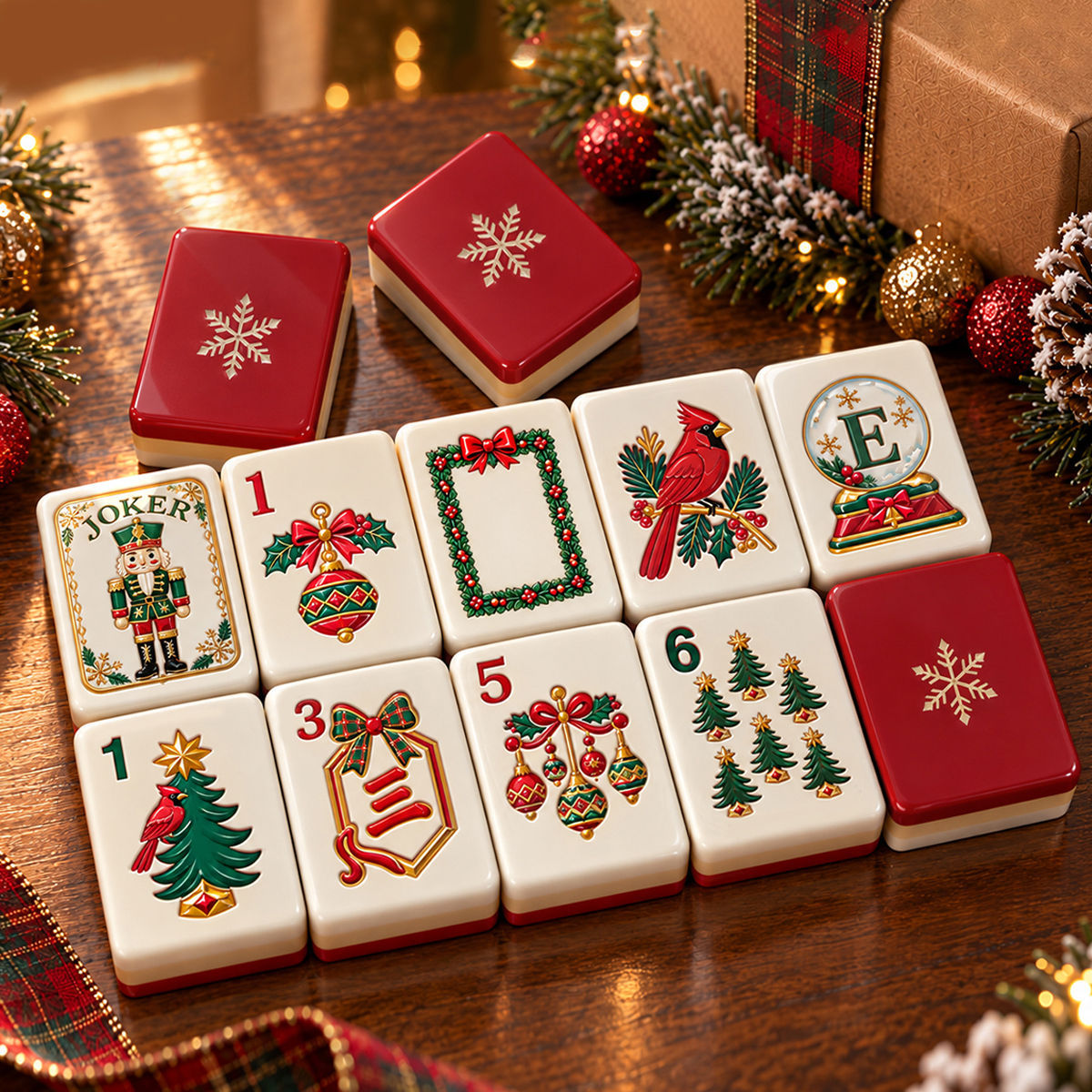
Tournament play exposes three broad failure modes: reading the card incorrectly (forcing illegal hands or missing winners); discarding strategically blind (feeding opponents or throwing safe tiles too late); and bankroll panic (overbidding or folding when you should stay neutral). American mahjong scoring depends entirely on the current year's National Mah Jongg League card—no hand off that card is valid, period. The gap between weekly home games and serious play widens fastest among players who guess at tile meanings, chase 25-point hands when 30-point patterns sit open, or discard flowers when three players are one tile from meld. We recommend drilling card sections during off-season weeks, practicing "first discard = your tell" discipline, and playing long seated sessions to build rhythm and calm.
Tournament play amplifies the cost of every mistake. In casual home games, a misread hand or a loose discard might cost you five dollars; in tournaments, the same error can knock you out of placing and split your focus across three more rounds. We've learned that champions don't play better hands—they avoid worse ones.
Are you reading the card too fast?
The most common tournament blunder is scanning the card in silence and calling a hand you think you've seen, only to discover mid-play that you've conflated two sections or misread a joker rule. Tournament card reading demands deliberate, spoken verification: point at each section, name the suit and count aloud before you announce. A hand that looks like "three Bams, five Craks, two Dots" may live in three separate card zones; if you're not anchoring to the section headers, you'll claim hands that don't exist on the current year's card. Check the card again after every single tile draw if you're new to the event; experienced players often glance twice at unfamiliar hand types. Learn how to read the mahjong card with a detailed breakdown of card layout and common section traps.
🀄 Shop best-selling mahjong sets →

Why are you discarding your flowers first?
Flowers and dragons are tell-heavy tiles: when you throw them early, you're broadcasting your suit focus and hand type to every player. Strong tournament players discard flowers only after they've signaled their primary direction or when they hold duplicates. Rank-and-file players discard flowers first to "clean house," then watch three opponents pivot toward the suits they've just revealed. In one memorable game we watched, a player dumped two flowers in rounds 1–2, and all three opponents marked her as Bam-focused; she pivoted to Craks mid-game and lost a 40-point hand because she'd already trained the table to block her original path. Discard flowers after your third or fourth turn, once the table has already committed direction. If you hold two flowers, throw one only when you've locked your hand type and can afford the information leak.
Are you confusing pung safety with smart discards?
New tournament players often believe that throwing a tile three other players have already discarded is "safe," because surely nobody wants it. In reality, those discards might mean three different things: one player is avoiding that suit, another is holding it and can't use it, and a third has already melded. A safe discard is one that fits nobody's hand on the card at this moment—which requires you to read the board, track exposed melds, and infer open hands. Tournament mahjong rewards players who can name why a tile is safe before they throw it. "No one has called it" is not a reason; "all three melds using that tile are already exposed" is. Before every discard, whisper to yourself which hands on the card would want that tile, then confirm none of them are live. This discipline cuts sloppy mistakes by two-thirds.
Are you chasing the wrong point value?
A common tournament trap is fixing your eyes on the highest-point hand in your rack and ignoring three open 30-point patterns. Players who place at tournaments know their hand's ceiling (usually 25, 30, or 40 points on the current card) and they ask: which of my ceiling hands is closest to complete, and which requires the fewest "perfect" tiles? If you're one tile from a 30-pointer and four tiles from a 40-pointer, you chase the 30 every time. Inexperienced players reverse this logic: they hold onto the dream hand and discard everything else, broadcasting their target and feeding opponents. Build a mental ranking of your top three possible hands by closeness to completion, not point value. When you draw a tile, it either moves a hand closer or doesn't—update your ranking and discard from the hand furthest down. This single habit has shifted more players from mid-pack to winning finishes than any other drill.

Do you panic when three players are close?
Bankroll stress and table pressure are tournament killers. When three players are one or two tiles from meld and you're holding good tiles, newer players often discard passively—throwing anything to avoid blame, or freezing and taking the dead draw. Champions discard deliberately: they throw the tile that's least useful to them and most likely to force an opponent into a bad choice or dead hand. If you're holding Dot 4 and Dot 5, and you can only keep one, you analyze which one fewer active hands require based on the exposed melds you see. You name your logic ("Dot 5 blocks two potential patterns I'm reading") and you own your discard. This calm, reasoned approach steals back your agency and often forces one of the three close players into a mistake. Practice sitting in chair four (dead hand position) and announcing defensive discards aloud—name the reason every time, even at home.
What's the difference between tournament discipline and ordinary play?
Angle | Home Game | Tournament |
Card reading | Quick scan, often verbal cross-check | Spoken, deliberate, often double-checked |
Discard timing | Flowers thrown early for simplicity | Flowers held until hand direction is locked |
Safe discard logic | "No one called it" | "No active hand on the card uses it" |
Hand priority | Chase the biggest dream | Meld the closest pattern |
Bankroll pressure | None; fun only | Real; affects results and confidence |
Speed | Relaxed, talk and laugh | Steady rhythm, minimal chat |
Tournament mahjong tests not just your card knowledge but your nerve and your ability to read a table in real time. The players who win consistently are not necessarily the ones with the fastest math—they're the ones who slow down, verify, and own every decision.
🎁 See our most-loved mahjong sets & accessories →
How do you practice these mistakes away?
Drills beat casual play for tournament prep. Spend 30 minutes on card-reading drills alone (cover sections, name hands, verify aloud) at least twice a week in the weeks before an event. Play "discard commentary" games at home: every player names their discard reason aloud and ranks their live hands by closeness to completion. Host a mock tournament night—four players, keep score across three full games, use a current mahjong card, and treat every decision as if money is on it. These sessions teach your hands and your mind to move at tournament tempo. Most players who place in tournaments didn't get better at tiles; they got calmer and more deliberate. If you're hosting a tournament practice night, a quality acrylic set with clear engraved tile faces and a smooth rack setup reduces the distractions that derail concentration.
What to check before your first tournament
Card currency: Ask the organizer which year's card the event uses; mark two copies with highlighter on your live hands.
Table setup: Bring a personal rack with pushers if allowed; confirm whether the venue supplies them.
Time per hand: Ask the arbiter whether there's a discard time limit; train yourself to discard within 20 seconds.
Scoring verification: Write your own score sheet; confirm totals with all players before moving to the next hand.
Bankroll: Bring cash or venmo ready; never bet more than you can walk away from.
✨ Find your Mahstead set — free US shipping →

FAQ
What's the most common reason players lose their first tournament hand?
Misreading the current year's card. They either scan too fast, conflate two hand types, or forget that the card changes every spring. Slow down, point at the card aloud, and name the section before you call.
Can I throw a flower in round one if I'm sure I don't need it?
Technically yes, but you shouldn't. Flowers are telegraphs—throwing one early tells opponents your suit focus and hand type. Hold flowers until your third or fourth turn, after you've already committed direction.
How do I know if a discard is truly safe in tournament play?
Ask yourself: which hands on the current card would use this tile? Then check if any of those hands are still live (no melds exposed that would complete them). If you can't name a hand that wants it, it's safe.
Should I always chase the highest-point hand in my rack?
No. Chase the hand closest to completion by tile count. A 30-pointer one tile away beats a 40-pointer four tiles away. Rank your top three hands by closeness, not points.
What's the best way to practice for my first tournament?
Drill card reading alone (30 minutes, twice a week). Play "discard commentary" games at home where every player names their reason. Host a mock three-game tournament night with strict timing and scoring to build tempo and calm.


View More
View More
View More
