
Mahjong Tote Under $300: What to Buy & How to Choose
Last updated: Nov 23, 2026
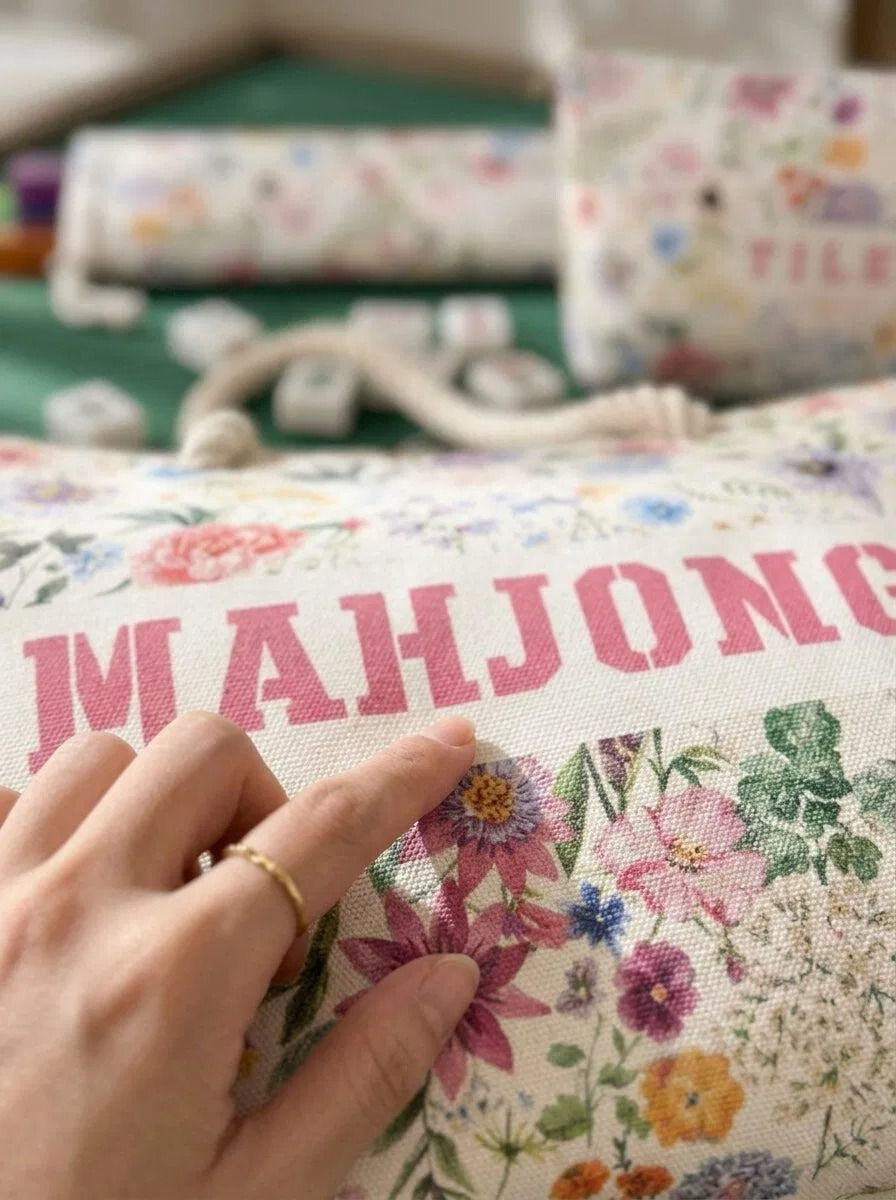
A mahjong tote is a reinforced fabric or synthetic bag designed to hold a complete 160-tile American mahjong set, mats, racks, and accessories safely during travel. Most serious players choose totes with internal dividers, padded exteriors, and sturdy handles to protect acrylic tiles during car or plane trips. These carriers typically range from compact carryall styles to full-size rolling options, with enough compartments for a set, mat, racks with pushers, dice, and the National Mah Jongg League card. Mahstead offers travel bags and cases in different materials and layouts so you don't have to compromise between portability and protection. A good tote keeps your tiles organized, reduces stress at the table, and lasts through hundreds of games if you pick durable construction and realistic proportions for your actual set size.
A quality mahjong tote is a reinforced fabric or synthetic bag designed to hold a complete 160-tile American mahjong set, mats, racks, and accessories safely during travel. Most serious players choose totes with internal dividers, padded exteriors, and sturdy handles to protect acrylic tiles during car or plane trips. These carriers typically range from compact carryall styles to full-size rolling options, with enough compartments for a set, mat, racks with pushers, dice, and the National Mah Jongg League card. Mahstead offers travel bags and cases in different materials and layouts so you don't have to compromise between portability and protection. A good tote keeps your tiles organized, reduces stress at the table, and lasts through hundreds of games if you pick durable construction and realistic proportions for your actual set size.
🀄 Shop best-selling mahjong sets →
What size tote do you actually need for a mahjong set?
Your tote size depends on whether you're carrying just the tiles or the entire game ecosystem. A 160-tile acrylic set (152 playing tiles plus spares) sits comfortably in a compact rectangular bag roughly 12–14 inches wide, 8–10 inches tall, and 6–8 inches deep—think a hardcover book laid flat, plus a couple of inches. If you also want to haul a mat, two or three sets of racks with pushers, dice, and your League card, you'll need a larger tote or a bag with multiple zippered compartments. Rolling options work well if you're flying or walking long distances. The key mistake: buying a bag so large that tiles slide around inside, risking corner cracks and tile separation.

Hard vs. soft carriers—which protects acrylic tiles better?
Hard cases (typically rigid plastic or reinforced composite) offer the highest protection against dropping, crushing, or stacking heavy luggage on top of your set. They prevent tile edge damage and keep organized players happy because compartments stay fixed. Soft totes (canvas, nylon, or synthetic leather) are lighter, fold flat for storage, and feel more casual—perfect for car rides to weekly games. Soft bags work fine if you pack carefully and keep the tote upright, but they don't shield tiles from sharp impacts the way hard shells do. We recommend soft totes for regular weekly play at a friend's house, and hard or semi-rigid cases for airlines, tournaments, or storage stacking. Many travel bags and cases at Mahstead blend both: padded nylon exteriors with internal rigid dividers for compromise protection and reasonable weight.
How much storage do you need beyond just the tile set?
A mahjong tote works best as your one-stop game bag, so plan compartments for: (1) the tile set itself in a sealed inner pouch or compartment; (2) one or two mats rolled or folded flat; (3) one or two sets of racks with pushers; (4) a pair of dice; (5) the current National Mah Jongg League card in a protective sleeve; (6) notepads and pens for scoring. If you host or rotate houses, add 10–15% extra space for accessories you might forget and need to borrow mid-week. Overpacking a too-small tote risks crushing tile edges and deforming the bag over time. A realistic sizing rule: the main compartment should hold the set box plus one rolled mat without force, then side pockets handle racks, dice, and cards.
🎁 See our most-loved mahjong sets & accessories →
What features separate a tote that lasts three seasons from one that fails in six months?
Feature | Why It Matters | What to Check |
Stitching | Reinforced double-stitching at stress points (handles, seams, zipper tape) prevents fraying and bag failure. | Run your finger along seams; look for messy or single-threaded work. |
Zippers | Heavy-duty YKK or equivalent zippers stay smooth through 200+ open-close cycles; cheap zippers jam or separate. | Operate each zipper ten times before purchase; listen for smooth glide, no grinding. |
Handle attachment | Boxed stitching or rivets at handle joins redistribute weight; straight stitching tears under repeated use. | Check underneath handles for reinforcement squares or metal rivets. |
Bottom material | Padded or reinforced bottoms resist punctures when totes sit on rough surfaces or sharp table edges. | Press the bottom firmly; it should feel thick and slightly springy, not flimsy. |
Interior dividers | Fixed or removable dividers keep sets upright and prevent tiles from sliding into each other during transport. | See if dividers are permanently glued/stitched or magnetic; test stability with a finger tap. |
Exterior fabric | Canvas or ballistic nylon resists punctures and staining; cheap polyester tears easily and stains permanently. | Rub the exterior with your thumbnail—quality fabrics resist snags. |
Handles should never show white stress lines within the first season. Zippers should glide without resistance. We've seen players bring the same bags to weekly games for five years if the bag was built right; we've also seen totes fail in three months from cheap stitching and thin materials. Before you order, read the product description closely—real tote makers list stitch count and material names.

Do you need a tote if you play at the same house every week?
If your game rotates between the same two or three houses and you're the one hosting or you keep a set at each location, a tote becomes optional. Many casual players store a set in a closet shelf or a drawer inside a protective box. But if you travel to a tournament, attend a mahjong meetup group at a library or community center, visit family out of state, or bring your set to a weekend cottage, a tote is essential. Even light travel—a thirty-minute car ride with potholes—can loosen tiles or chip corners if the set bounces around unsecured. We recommend all players who own a set grab a tote, even if you use it only four or five times a year. A good tote costs far less than replacing a cracked tile or a damaged mat later.
✨ Find your Mahstead set — free US shipping →
What should you check before you order a mahjong tote?
Dimensions and fit: Measure your actual set box, then measure the interior dimensions of the tote (length × width × height in inches). Add two inches to each dimension as a safety buffer. Confirm the tote's interior height can fit a rolled mat standing upright or flat.
Material transparency: Look for the exact fabric name (canvas, ballistic nylon, polyester, synthetic leather). Check the weight in ounces if listed; totes under 20 oz. are usually too light for long-term use; 25–35 oz. is typical for mid-range quality. Avoid vague descriptions like "durable material."
Compartment layout: Count the interior and exterior pockets. Confirm at least one full-size main compartment (not a thin pouch), plus two to three utility pockets for dice, cards, and pens.
Handle design: Confirm handles are padded or wrapped, not bare webbing. Check if they're designed for hand-carry only or if a shoulder strap is included (useful for travel, optional for car trips).
Warranty or return policy: See if the seller offers a clear return window (30–60 days is standard) if the bag arrives damaged or doesn't fit your set. Mahstead ships free across the US, so factor zero shipping cost into your decision.
Reviews from mahjong players: Look for comments from people who actually play, not generic tote reviews. Mahjong-specific feedback mentions tile protection, mat fit, and racks storage—not just "good for groceries."
Use Case | Best Tote Type | Why It Works | What Matters Most |
Weekly car play (same house) | Soft compact tote | Lightweight, folds flat for storage, handles potholes OK. | Padded interior, sturdy zippers. |
Occasional travel or tournaments | Semi-rigid soft tote with dividers | Balances protection and portability; internal structure protects tiles. | Heavy-duty stitching, reinforced corners. |
Frequent air travel or moves | Hard case with wheels | Withstands airline baggage, stacks safely, protects against crushing. | TSA-approved locks, smooth wheels, interior tie-downs. |
Family cottage or weekend trips | Medium soft tote with shoulder strap | Comfortable to carry, enough room for two sets or one set + mat + racks. | Padded handles, side pockets, water-resistant exterior. |
Hosting multiple games per week | Rolling larger tote | Carries multiple sets, mats, and racks without strain; keeps home closet clear. | Spacious main compartment, durable wheels, organized pockets. |
Real mistakes we see at the mahjong table
Overstuffing. Players cram extra blanks, borrowed racks, scorepads, and phone chargers into a tote designed for just a set and mat. Overstuffed bags put pressure on zippers and seams, and tiles get crushed in corners.
Buying by price alone. The cheapest tote often has single-stitched seams that fail in two months, or interior dimensions 1–2 inches too small, forcing you to buy a second bag mid-season.
Ignoring the League card pocket. The current National Mah Jongg League card bends or creases if crammed loose into a utility pocket. Buy a tote with a dedicated flat pocket or bring a card sleeve.
Forgetting a mat. Many totes don't include a mat, but the interior is sized assuming you'll transport one. If you don't own a mat yet, confirm the tote still fits your set after you buy one (roughly 30 × 30 inches folded).
Not testing zippers before travel. A sticky or broken zipper mid-trip becomes a crisis. Operate every zipper a dozen times in the store or before packing.
What you'll need:
Start with travel bags and cases designed for mahjong, then add the set, mat, and racks. Mahstead's best-selling collection pairs well with any tote you choose.

FAQ
Can I use a regular cosmetics or tool bag for my mahjong set?
Only if the interior dimensions exceed your set box by at least two inches in each direction. Regular bags often lack the tile-specific dividers and padding needed to prevent corners from cracking during movement. Mahjong-specific totes are designed with internal compartments that stabilize the set and accommodate mats and racks. We don't recommend repurposing travel bags because a single tile costs more to replace than a purpose-built tote.
Do I need a hard case or is a soft tote enough for car travel?
A padded soft tote is fine for regular car rides on normal roads. Hard cases matter if you fly, stack heavy luggage on top, or drive on rough terrain. If you host tournaments or travel monthly, soft totes with reinforced stitching and semi-rigid dividers offer good compromise between protection and weight. Test your specific route and bag before committing.
How do I keep my mahjong mat from sliding inside the tote?
Roll the mat tightly and secure it with elastic straps or Velcro bands, then place it in a designated mat pocket or the side of the main compartment. Some totes include interior tie-downs or fitted slots. If your tote lacks these, buy a slim storage strap separately or fold the mat flat and slip it between the set and the bag wall to create friction.
What's the difference between a mahjong tote and a mahjong case?
A tote is a soft or semi-rigid bag with handles, designed for regular weekly play and casual transport. A case is typically hard-sided, sometimes on wheels, made for storage or frequent travel. Totes are lighter and more portable; cases protect better against impacts and stacking. Choose a tote for convenience, a case for maximum durability and if you move your set often.
Can one tote hold two mahjong sets?
Yes, if the interior is spacious (roughly 16+ inches wide, 12+ inches tall, 10+ inches deep). Two 160-tile sets in their boxes, stacked flat, fit in a larger tote with room for mats and racks. Check the product description for interior dimensions before ordering. Most medium totes fit one set comfortably; large or rolling totes handle two.
Do Mahstead totes come with dividers or inserts?
Mahstead travel bags and cases include internal organization features in most designs—some have fixed dividers, others removable inserts. Check the product description or email Mahstead to confirm which model includes what. Some totes are sold as plain carriers and let you customize the interior layout yourself.
What if my tote arrives damaged or doesn't fit my set?
Mahstead offers a straightforward return process and ships free across the US. If a tote doesn't fit or arrives with flaws, contact Mahstead directly to arrange a replacement or refund within the stated return window. Keep your order confirmation and check the seller's return policy before purchase.


View More
View More
View More
