
Ivory Mahjong Tiles: Pros and Cons for Your Game
Last updated: Nov 23, 2026
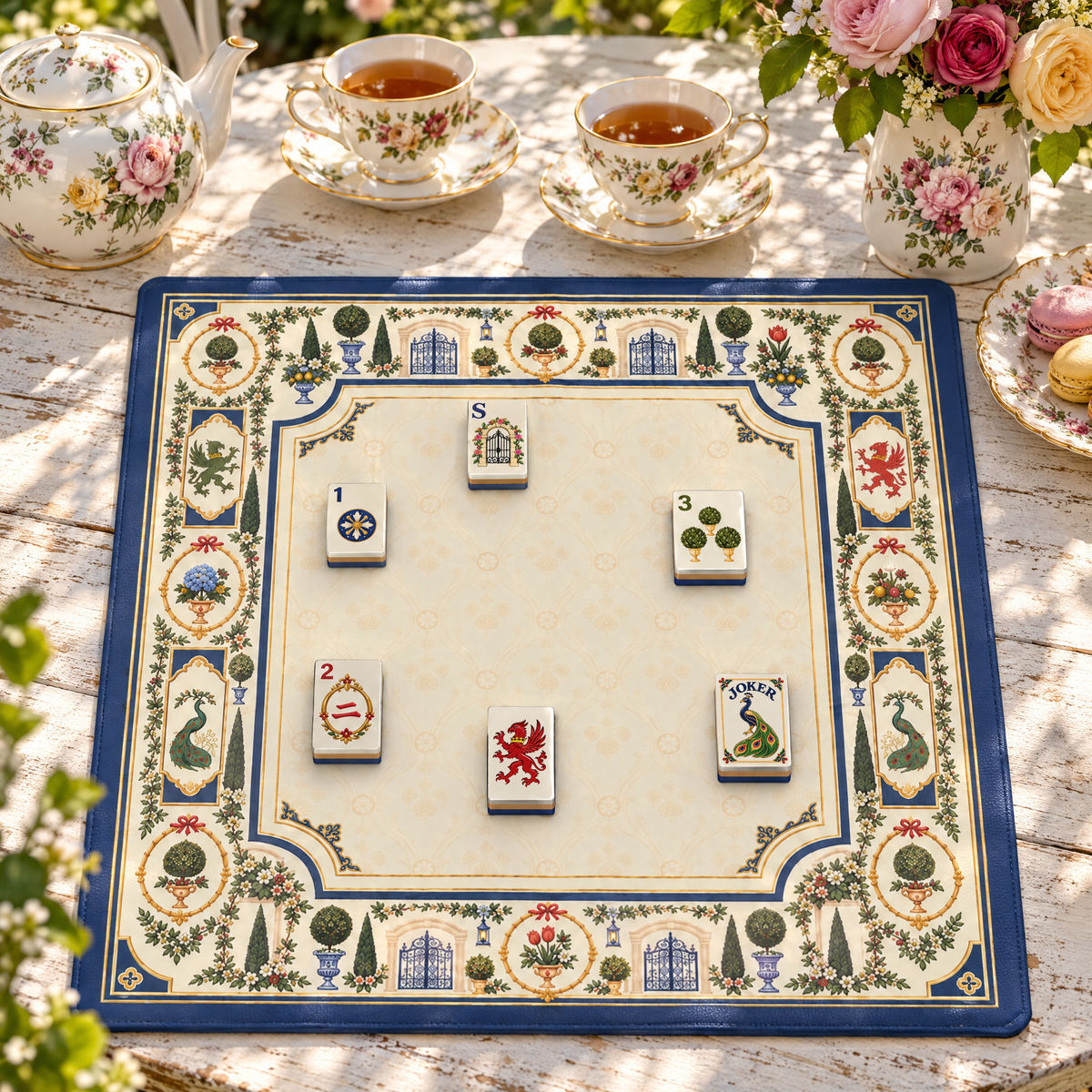
Ivory mahjong tiles—typically bone or genuine ivory composites—are prized for their smooth feel, natural warmth, and traditional weight, but come with steep costs (both financial and care-related), ethical concerns if genuine ivory is involved, and durability questions over decades of play. They're heavier than acrylic, requiring sturdy racks and tables, and demand regular cleaning to prevent yellowing or cracking in dry climates. Modern acrylic tiles outperform ivory in durability, come in endless designs, cost far less, and require zero maintenance—making them the practical choice for weekly game groups. Ivory suits serious collectors or players willing to treat tiles as heirlooms; most groups we know play happily with acrylic from our best-selling mahjong sets collection.
Ivory mahjong tiles carry romance—the weight in your hand, the soft click at the wall, the patina of age. Yet every week we field the same question: "Is ivory really worth it?" The honest answer depends on your game, budget, and patience.
Are ivory tiles actually better to play with?
Not necessarily. Weight and texture matter in mahjong, but ivory's advantages fade once you account for real-world factors. Bone or ivory tiles do feel substantial—around 8–10 grams per tile versus 3–4 for acrylic—and that mass creates a satisfying draw and a sharper tile-on-tile snap at the wall. However, that weight demands thicker, costlier racks to prevent sagging, and heavy tiles tire your hands over four-hour game sessions. Acrylic tiles, by contrast, are nimble, kind to wrists, and play just as fairly. The "better" tile is the one your hands enjoy for your actual play style.

What's the real cost difference between ivory and acrylic?
Ivory sets command 2–5 times the price of quality acrylic. A full American mahjong set in bone or composite ivory runs into the hundreds, while acrylic sets (including engraved American mahjong sets with custom designs) start much lower and are made to last. If you lose or damage a single ivory tile, replacement costs spike; an acrylic tile is easily swapped. Storage and climate control add hidden costs too: ivory in a dry basement or humid garage will warp, crack, or yellow over years, requiring invested climate maintenance that acrylic doesn't.
Factor | Ivory Tiles | Acrylic Tiles |
Initial cost | High (hundreds per set) | Lower (see product page) |
Replacement tile cost | Expensive, hard to match | Affordable, readily available |
Weight per tile | 8–10g (requires sturdy racks) | 3–4g (standard racks suffice) |
Maintenance | Regular cleaning, humidity control | Wipe with soft cloth, no climate needs |
Durability | 10–30 years if stored well | 20+ years with normal play |
Design variety | Limited (traditional only) | Unlimited (custom engravings available) |
Ethical concerns | Risk of genuine ivory sourcing | None; acrylic is guilt-free |
How do you care for ivory tiles long-term?
Ivory and bone yellows, cracks, and warps if neglected. Store them in a climate-controlled space (50–55% humidity, 65–75°F ideal); avoid basements, attics, and windowsills. Clean tiles monthly with a soft, barely damp cloth—never soak them. Check racks and bags quarterly for mold or odors, signs of moisture creep. Over a decade, expect gradual color shifts and minor surface crazing that collectors tolerate but casual players find frustrating. A single game room exposed to seasonal swings can degrade a set in five years.
Why are ethical concerns rising for ivory mahjong tiles?
Genuine elephant or mammoth ivory carries legal and moral weight. While older tiles predate modern protections, sourcing ivory today typically means processed bone marketed as "ivory," which sidesteps the issue—but verify seller claims. Many players are moving away from ivory altogether because acrylic eliminates the ambiguity entirely, costs less, and plays just as well. If heritage or collector status drives your choice, bone is a safer middle ground than claimed ivory, though acrylic sets with engraved designs capture the same personal meaning for far less.

What's the best alternative to ivory for most players?
Acrylic. It's the practical default: durable, affordable, easy to clean, and available in designs from simple to fully custom-engraved. Acrylic tiles play smoothly, last 20+ years with normal handling, and feel good in hand—just lighter than ivory. If you want weight-like feel for your fingers, pair acrylic tiles with a quality mahjong mat that gives resistance and a padded base, or invest in racks with pushers that add tactile feedback. We've never had a regular game group wish they'd bought ivory instead of acrylic.
🀄 Shop best-selling mahjong sets →
Choosing Between Ivory and Acrylic: A Quick Decision Framework
Choose ivory if:
You're a serious collector with controlled storage.
You play fewer than 5 games per year (less wear).
You value heirloom status over cost.
You have a dedicated climate-controlled game room.
Choose acrylic if:
You host weekly or monthly games (durability matters).
You want custom engravings, names, or designs.
You prefer zero maintenance.
Budget is a factor (it usually is).
You play casually or travel with your set.
Most of us choose acrylic because life is chaotic and mahjong is meant to be played, not preserved in a case.
🎁 See our most-loved mahjong sets & accessories →
What to Check Before You Buy
Material verification: Ask the seller exactly what "ivory" means—bone, composite, or recycled material? Request photos of tile edges and markings.
Weight test: Hold the tiles if possible; 8g tiles feel noticeably heavier and may tire your hands faster.
Humidity expectations: Do you have reliable climate control where you store your set?
Rack compatibility: Ivory tiles require sturdier racks; confirm your existing racks can handle the weight.
Replacement plan: If one tile cracks, can you replace it affordably? Acrylic sources are abundant; ivory sources are not.
Play frequency: Weekly gamers benefit from acrylic's durability; occasional players can tolerate ivory's care demands.
✨ Find your Mahstead set — free US shipping →
A Practical Note from Our Game Room
We've hosted sets in every material over 15 years. Ivory tiles sat in climate-controlled cases; acrylic sets played three nights a week without complaint. The ivory set was beautiful—truly. But the acrylic sets, especially ones with engraved names or designs, became the ones people asked to borrow and brought back eagerly. Turns out mahjong is more fun when you're not afraid to scratch it.
If you want the feel of tradition without the fuss, modern acrylic is your answer. If you're building a museum, ivory has its place. Just be honest with yourself about which you really are.

FAQ
Will ivory tiles increase in value over time?
Rarely. Vintage ivory sets in mint condition may appeal to collectors, but most ivory tiles played regularly develop wear that lowers resale value. Acrylic sets don't appreciate either, so collect for love, not investment.
Can I mix ivory and acrylic tiles in the same game?
No. All 152 tiles in play must be from the same set for fair, consistent gameplay. Mixing materials changes weight, friction, and randomness at the wall.
How do I know if my "ivory" tiles are actually ivory or bone?
Genuine ivory is denser, colder to touch, and has a finer grain; bone is lighter, warmer, and more porous. Bone is also labeled or sold more honestly. If you're unsure, ask the seller for a material certificate or assume it's composite resin marketed as "ivory."
Do ivory tiles need special storage bags or cases?
Yes. Use breathable bags or cases lined with acid-free cloth, never plastic. Store in a climate-controlled area away from direct sun, heaters, and damp spots.
What's the lifespan of well-maintained ivory versus acrylic?
Ivory: 10–30 years if stored ideally; cracking and yellowing accelerate without climate control. Acrylic: 20+ years with normal play and care, largely unaffected by humidity or temperature swings.


View More
View More
View More
