
Mahjong Tote for Travel: What to Pick for Your Games
Last updated: Nov 23, 2026
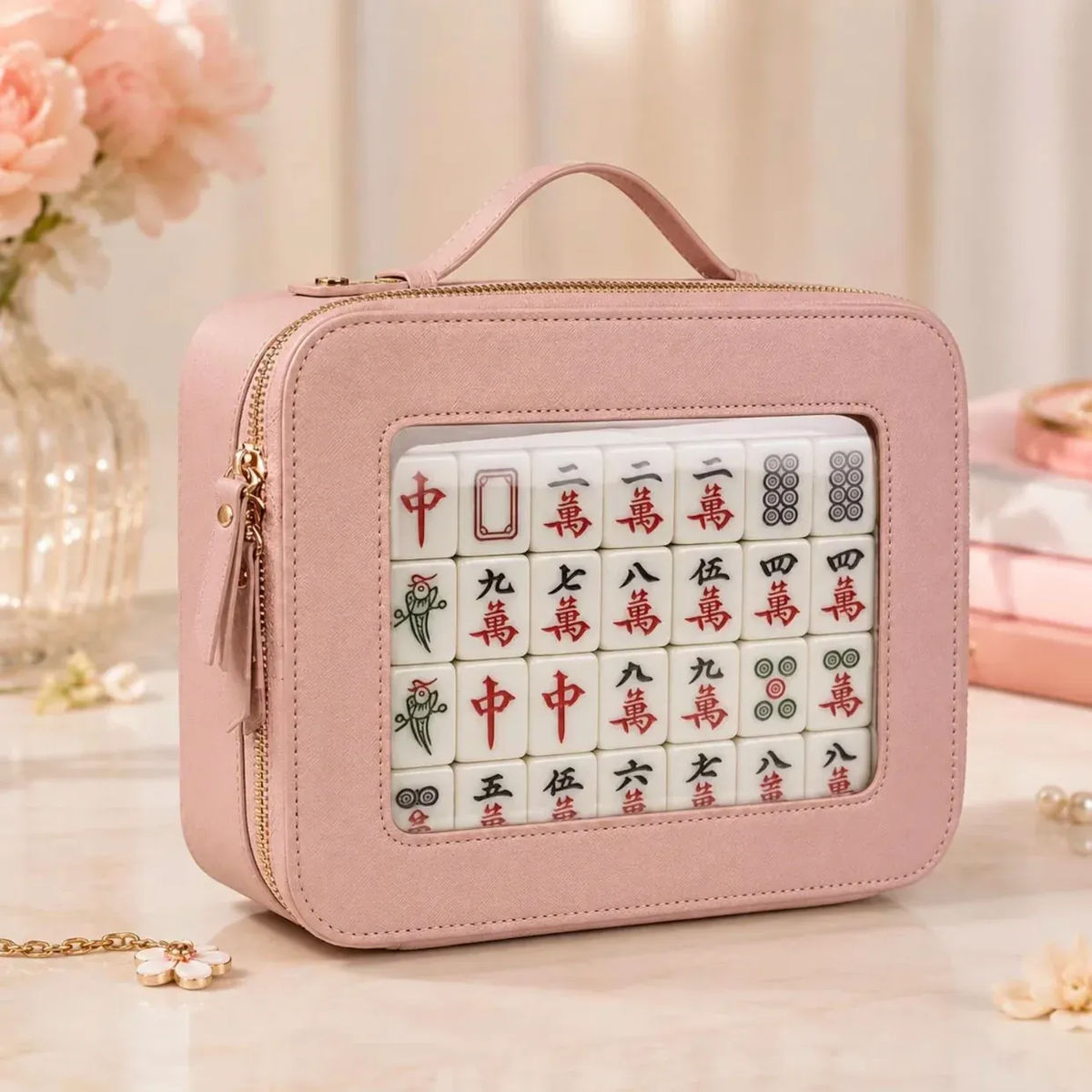
A mahjong tote is a purpose-built travel bag that holds a 160-tile set, mat, racks, and accessories in one organized carrier. We host weekly games across the region and pack our sets into totes for tournaments, friends' houses, and travel. The best tote depends on whether you need basic protection for occasional moves, robust construction for frequent transport, or a hard case for checked luggage. Prices and styles vary from soft organizer bags to rigid cases; capacity matters—your set is likely 160 tiles, and a good tote leaves room for a mat, racks with pushers, and dice without crushing anything. Check the interior dimensions and divider design before ordering to ensure your specific set fits.
What size tote do you actually need?
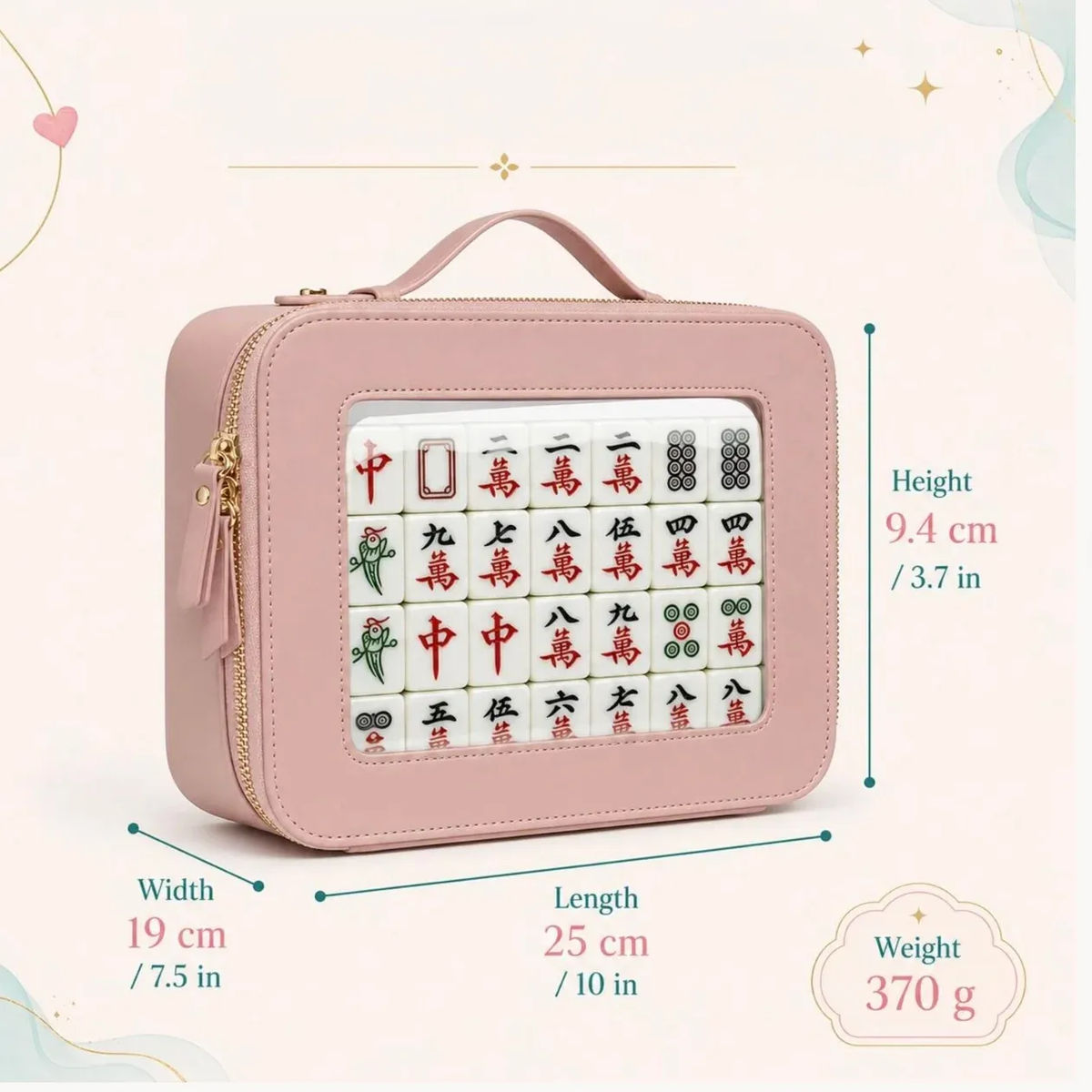
A standard American mahjong set with a mat, racks and dice fits into a tote roughly 18–24 inches wide and 12–16 inches tall. Measure your mat rolled or folded: most are 27 inches square, so rolled they're about 3–4 inches in diameter. Your 160-tile set in its box or acrylic container takes up about 10 × 8 × 3 inches. Our travel bags collection includes models sized for these dimensions—check the interior specs on the product page. A tote that's too small forces you to leave gear behind; too large and everything shifts during transport. We learned this the hard way: a tote that was 2 inches too narrow meant mat didn't fit flat, so it bent and creased. Measure before you buy.
🀄 Shop best-selling mahjong sets →
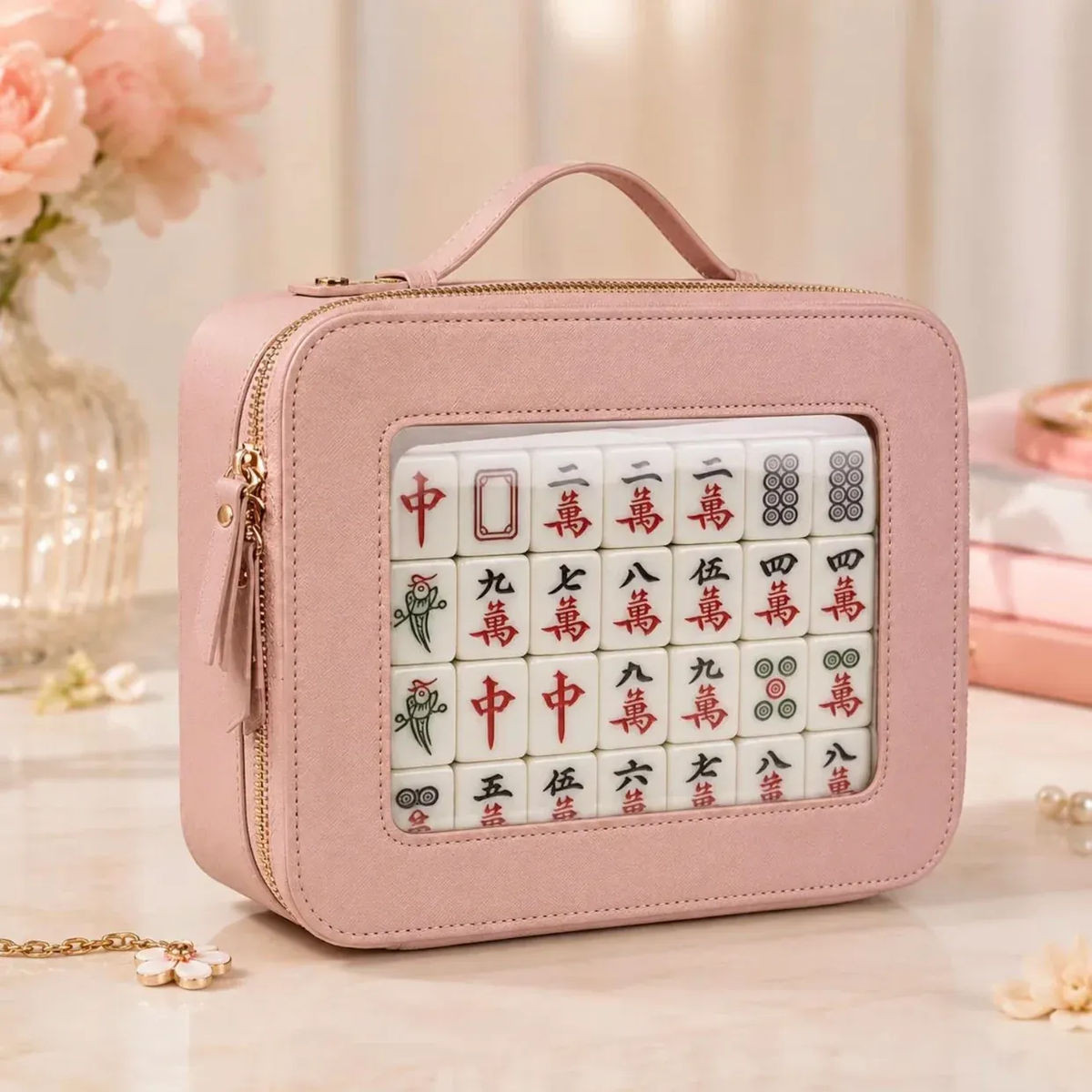
Soft organizer bag vs. hard case—which is right for you?
Bag Type | Best For | Durability | Weight | Protection Level |
Soft organizer tote | Weekly games, short car trips | 2–3 years if used often | Light, easy to carry | Tiles OK; mat/racks may compress |
Padded soft case | Monthly tournaments, flights | 3–5 years; handles rough handling | Moderate; ~3–4 lbs empty | Tiles & racks safe; mat needs careful packing |
Hard-shell roller case | Frequent air travel, checked luggage | 5+ years; withstands impact | Heavier; 4–6 lbs empty | Maximum; tiles/mats/racks all protected |
Soft organizer totes cost less and weigh little—perfect if you drive to the same host's home every week. Hard cases cost more but survive airport baggage handling and keep your set pristine if you travel regionally or to mahjong vacations. We use a soft padded case for monthly tournaments within 2 hours' drive and swap to a hard roller when flying. Pick based on how far and how often you move your game.
Does your tote keep tiles organized or just protect them?
Totes differ in how they organize the interior. Some have dividers or compartments for tiles, racks, mat and dice; others are open with just padding. A divider system keeps tiles from sliding around and lets you find pieces quickly, but takes up space. An open padded interior is flexible—you pack however you want, and room for extras is easier. We prefer a few fixed compartments: one for the tile set, one for the mat, slots for racks and dice. This means no hunting for jokers mid-game and no crushed mat. Check the product photos and description—if dividers aren't shown or mentioned, assume it's open. Open totes suit players who pack light and trust their own packing; divided totes suit those who want grab-and-play simplicity.
What about combined set + tote packages?
Some sellers bundle a mahjong set with a tote or bag. Check what's included: is the set a basic best-selling acrylic set, or an engraved or specialty set? Is the tote padded, soft or rigid? Bundle prices sometimes save money if you need both, but not always—compare the individual price of the set and tote separately. We've found that bundled sets are often entry-level, and bundled totes are basic soft organizers. If you already own a high-quality set or prefer a specific tote style, buying a tote alone is smarter. Bundles make sense for a complete beginner buying everything at once.
🎁 See our most-loved mahjong sets & accessories →

How do you pack a mahjong tote without damaging tiles or mat?
Packing order matters. Place the hardest item first: the tile set, usually in a cardboard or acrylic box. Lean the rolled mat against it. Racks go in next, standing upright or laid flat (check your tote's shape). Dice and any loose jokers go in a small pouch or compartment so they don't rattle loose. Wrap the mat in a soft cloth if it's felt—direct friction with acrylic tiles can snag it over time. If using a hard case with a roller, place the heaviest items (tile set) low and toward the back wheel for balance. Soft totes should have tiles on the bottom, lighter items on top, so weight doesn't crush the mat. We once forgot to roll the mat first and had to refold it in a cramped space at a tournament—it wrinkled. A simple checklist prevents that.
What to check before you buy a mahjong tote
Interior dimensions: Measure your mat rolled, your set box, and your racks. Write them down. Compare to the product page's stated width, depth, height.
Dividers or pockets: Open layout, or compartments? Decide which you prefer before ordering.
Material: Soft padded nylon works for car travel; canvas or polyester holds up to repeated use. Hard shell or roller case for flights and checked luggage.
Handles and straps: Can you carry it one-handed for a short walk, or do you need two handles? Do you want a shoulder strap? Roller bags suit longer distances.
Ventilation and moisture: If you store the tote in a humid garage or play in steam-heavy tournaments, check if the bag lets air flow or traps moisture (bad for felt mats and wood racks).
Return or exchange policy: Check before you order. If it arrives and your mat doesn't fit, you want options.
✨ Find your Mahstead set — free US shipping →
Tote vs. dedicated mahjong mat bag: do you need both?
Some players carry just a mahjong mat in a separate thin bag and keep tiles in a set box they hold or leave at the host's house. Others carry everything—mat, set, racks, dice—in one tote. If you play at one friend's house every week, leaving the set there between games means you only need a mat bag and a light tote for occasional moves. If you host, travel regionally, or rotate between three or more homes, one roomy tote for the whole kit is faster and more reliable. We host and play at four different locations, so a single padded case for the entire setup beats managing two bags. Think about where your game lives and who moves it most often.
One honest note: the ideal mahjong tote depends on your travel pattern, not ours. A weekly player who never leaves their suburb can use a small soft organizer; a tournament player flying quarterly needs a roller case. Take 10 minutes to measure, decide how often you move your game, and match that to the bag type. The savings from buying a cheaper tote that doesn't fit your setup is zero—you'll end up buying a second one. We've done it.
FAQ
Can I fit a mahjong set, mat, and racks in a standard weekender duffel?
Technically yes, but not well. Duffels lack structure and dividers, so tiles shift during transport and the mat gets creased. A purpose-built tote or case keeps everything flat and organized. If you already own a duffel and need to move your set once, wrap the mat in the center, nest the set on top, and pack racks in separate pockets—but upgrade to a real mahjong tote for regular travel.
Should I buy a hard roller case or a soft padded tote?
Soft padded totes suit car travel within 3 hours and weekly local games; hard roller cases suit checked luggage, air travel, and rough handling. If you drive mostly, go soft and save weight and cost. If you fly or travel regionally, hard cases protect your tiles and mat from airport baggage and rough hotel hallways. Most of us who travel regionally own one of each.
What's the difference between a mahjong tote and a regular utility bag?
Mahjong totes have interior dimensions sized for a 160-tile set and mat, often with dividers to keep tiles from sliding. Regular utility bags are generic and may be too small, or so large that your set moves around inside. A real mahjong tote also weighs less (lighter frame, not over-engineered) and costs less than a large rolling luggage but more than a basic tote.
Can I use a cosmetics or art supply organizer instead of a mahjong tote?
Possibly. Measure the interior compartments—if the largest is at least 10 × 8 inches and 3 inches deep, it'll hold your tile set. But cosmetics bags are usually shallower and lighter-duty than mahjong totes, so your tiles may take pressure. Art supply cases often work better because they're sturdier, but you're paying for features you don't need. A real mahjong tote is purpose-built and cheaper per ounce of protection.
How do I know if the tote will survive airport baggage handling?
Choose a hard-shell or roller case, not a soft tote. Hard cases pass TSA screening, survive being thrown onto baggage carts, and protect your tiles from impact. Check the product description for "hard shell," "roller case," or "travel case"—these words indicate luggage-grade durability. Soft organizer bags are checked-baggage risky; use them for car travel and flights where the bag stays with you (overhead or under the seat).
Will a mahjong tote work if I travel internationally or by train?
Yes. Pack your tote in a larger checked bag or carry it on a train. Trains allow large bags, and international flights let you check a mahjong tote inside a suitcase or carry it on (check your airline). Hard roller cases fit standard overhead bins; soft padded cases usually do too. We've traveled by train and car with both soft and hard cases—both work, but hard is safer for check-in.


View More
View More
View More
