
Mahjong Party Ideas in Greenwich: Host & Learn
Last updated: Nov 23, 2026
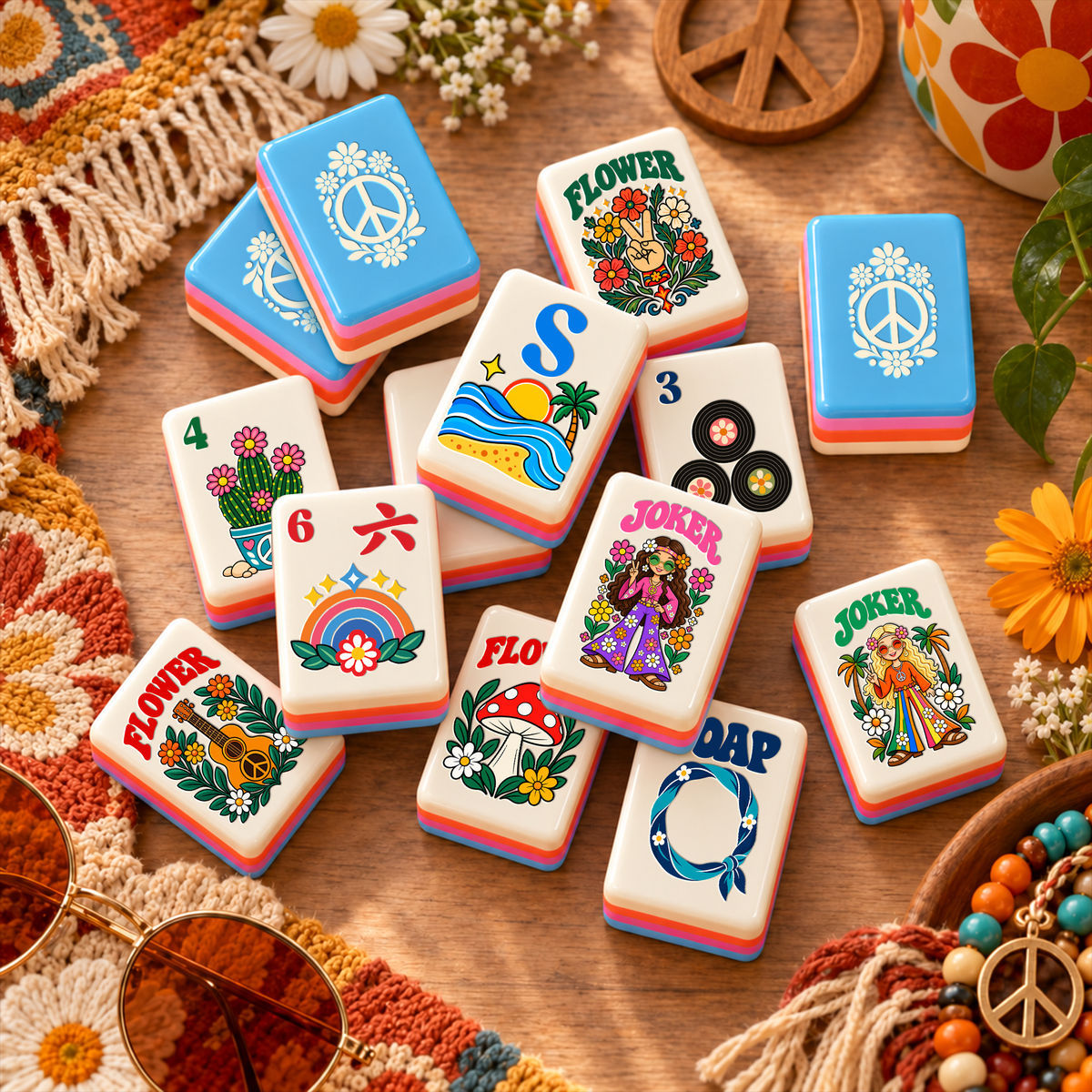
Greenwich mahjong parties thrive at public libraries (check their event calendars), community centers, and private clubs—many now welcome beginners. The American game uses 152 tiles plus 8 jokers, plays 4 players for 1–2 hours per session, and requires only one best-selling mahjong set per table, a mat, and racks for comfort. A beginner-friendly night typically starts with the Charleston (tile-passing ritual), then play using hands from the current year's National Mah Jongg League card. Cost ranges from free drop-in clubs to small buy-ins for casual play; hosting at home costs nothing beyond the tile set itself. Avoid the biggest rookie mistake: assuming complex hands on day one—start with simpler 2024–2026 card patterns, keep a printed card handy, and expect to teach once per round the first session. Mahstead's 160-tile acrylic sets ship free across the US and are built for weekly home games.
Where do Greenwich mahjong groups meet and play?
Community libraries across Greenwich often host open mahjong nights or weekend tournaments; call ahead or check their websites for schedules. YMCA branches, town recreation departments, and country clubs frequently post drop-in sessions. Private homes and local synagogues also run weekly games—ask at libraries or search community bulletin boards for newcomer-friendly tables. Most beginner groups meet Tuesday–Thursday evenings or Saturday mornings and welcome players at any skill level. The social side matters as much as the tiles: expect friendly tables focused on teaching, not money. Best approach: visit your local library reference desk in person; they usually know which groups actively recruit newcomers.

What's the fastest way to learn before your first game?
Read mahjong for beginners (30 minutes), then watch a 10-minute YouTube walkthrough of the Charleston and one hand being called. Print the current National Mah Jongg League card and highlight 2–3 simple all-pung patterns (three tiles identical, exposed on the table). Play a practice hand with someone experienced the night before, or ask the host to demo one hand aloud before real play starts. Don't cram rules—you'll learn fastest by watching, asking mid-game, and playing slowly the first session. Most groups explicitly slow-play for newcomers and expect questions. The goal week one is not to win; it's to understand why a hand works and how the card guides everything.
🀄 Shop best-selling mahjong sets →
What do you need to actually host a game at home?
One 160-tile acrylic set (includes 152 playing tiles plus spares), a mat to keep tiles from sliding, racks so players can hold tiles upright, and a printed National Mah Jongg League card for the current year. A turntable (or lazy Susan) makes passing tiles faster. You don't need dice if you use a random-start method. For 4 players, plan 90–120 minutes per game; snacks and water are party essentials. A mahjong mat with a felt surface protects tiles and makes the game quieter—especially if you're hosting weekly. Racks with pushers help newer players manage their hand tidily, reducing sorting time and mistakes. Many hosting groups buy an engraved set as a keepsake or gift—these personalized options work for annual tournaments or milestone game nights.
Hosting Setup | Essential | Nice-to-Have | Why |
Tile set (160-tile) | ✓ | — | Exactly 152 tiles + spares for 4 players |
Mat | ✓ | — | Protects tiles, speeds play, quieter |
Racks with pushers | — | ✓ | Helps beginners; reduces errors & fatigue |
Printed card (current year) | ✓ | — | All legal hands defined by league card only |
Turntable | — | ✓ | Faster Charleston (tile pass) |
Dice | — | ✓ | Determines opening seat (optional) |
How do you run a beginner-friendly first session?
Start 15 minutes early so everyone can open their rack and see what tiles feel like. Explain the Charleston once (3 passes, then a return pass), let players ask before the first pass begins. Deal the tiles, call out the hand positions on the card aloud so everyone hears it together. Play slowly—no time pressure. When someone has a question mid-hand, stop and answer it for the whole table. After the first hand, ask "Does that make sense?" and let silence mean "yes." Serve snacks between games; social chat lowers anxiety. The second and third hands move faster because everyone's seen one pattern. By session three, most newcomers stop asking the same questions twice.
🎁 See our most-loved mahjong sets & accessories →

What are the top three mistakes new hosts make?
Playing hands that are too complex. The National Mah Jongg League card includes advanced patterns (sextets, quints, long sequences of pairs). Beginners freeze looking at 50+ options. Solution: mark 5–8 "starter hands" on your card in advance—all-pungs, simple two-suit patterns—and gently steer players toward those first two games.
Not explaining joker rules clearly. American mahjong jokers are wild cards, but they can never be the single tile you play to win ("mah jong") and can never be part of a pair. One confused player delays the whole table. Read how jokers work yourself before anyone arrives.
Skipping the printed card. Inexperienced hosts try to remember hand rules from memory or tell players "just copy what I had last week." This fails fast. Always have a printed current-year card on the table—everyone references it together, trust is built, and disputes vanish. No card, no credibility.
What should you check before hosting your first night?
Tile condition: If borrowed or secondhand, verify all 152 tiles are present (check the tile list in what's in an American mahjong set) and no tiles are cracked or deeply worn. Acrylic tiles last years; bone/bamboo can splinter.
Mat and racks fit your table: Measure your table beforehand. A mat should leave a few inches of overhang on each side so players can access tiles. Racks should fit beside the mat without crowding.
Card is current-year. The 2026 National Mah Jongg League card was issued spring 2026. Hands from 2025 or earlier cannot be played in 2026—that's the one non-negotiable rule. Check the card's date before the game.
Everyone knows it's a learning night. Text invitees: "This is for people new to mahjong or rusty after a break. Expect questions, slow pace, and no stakes—just fun." This attracts the right group and sets expectations.
✨ Find your Mahstead set — free US shipping →
The Greene-focused hosting advantage
Greenwich's strong community-center network and consistent footfall at library game nights mean you're never truly hosting alone—you're part of a visible tradition. New players often arrive having watched a friend's game at a public table, so your home game becomes a natural next step. Stock your mat and racks, invite the person who brought them into the game, and suddenly you've built a weekly table. Many Greenwich players eventually host precisely because they've been to three other homes first and know what works.

FAQ
Can I host mahjong with only 3 people?
American mahjong is officially 4 players; 2 and 3 player variants exist with modified rules and tile pools. Most Greenwich groups stick to 4-player games since that's what the standard rules and card assume. If you have 3, either recruit a fourth or play a 3-player variant—clarify this in advance.
How much do mahjong sets cost?
Prices vary by material and design. See current pricing on our best-selling collection. A durable 160-tile acrylic set for weekly home play is more affordable than bone/bamboo alternatives, and shipping is free across the US.
Do I need to understand scoring to host?
Not for the first three games. Scoring in American mahjong is complex (hand type, tile composition, bonuses). For your first party, focus on teaching which hands exist and how to call them. After 4–5 sessions, introduce scoring rules, or hand that task to your most experienced player.
Where can I buy a current-year mahjong card?
Mahstead best-selling sets include a printed 2026 card. You can also order cards separately (small cost) from the National Mah Jongg League or download the 2026 PDF and print it yourself. Never play without one.
Can I host outdoors in Greenwich?
Yes, but wind destroys lightweight acrylic tiles, and sun glare makes the card hard to read. A covered patio or gazebo works. Indoors (home, library, club) is easier and more reliable, especially for newcomers who already feel rushed.


View More
View More
View More
