
Mahjong Tile Tray for Beginners: Racks, Pushers & Setup Guide
Last updated: Nov 23, 2026
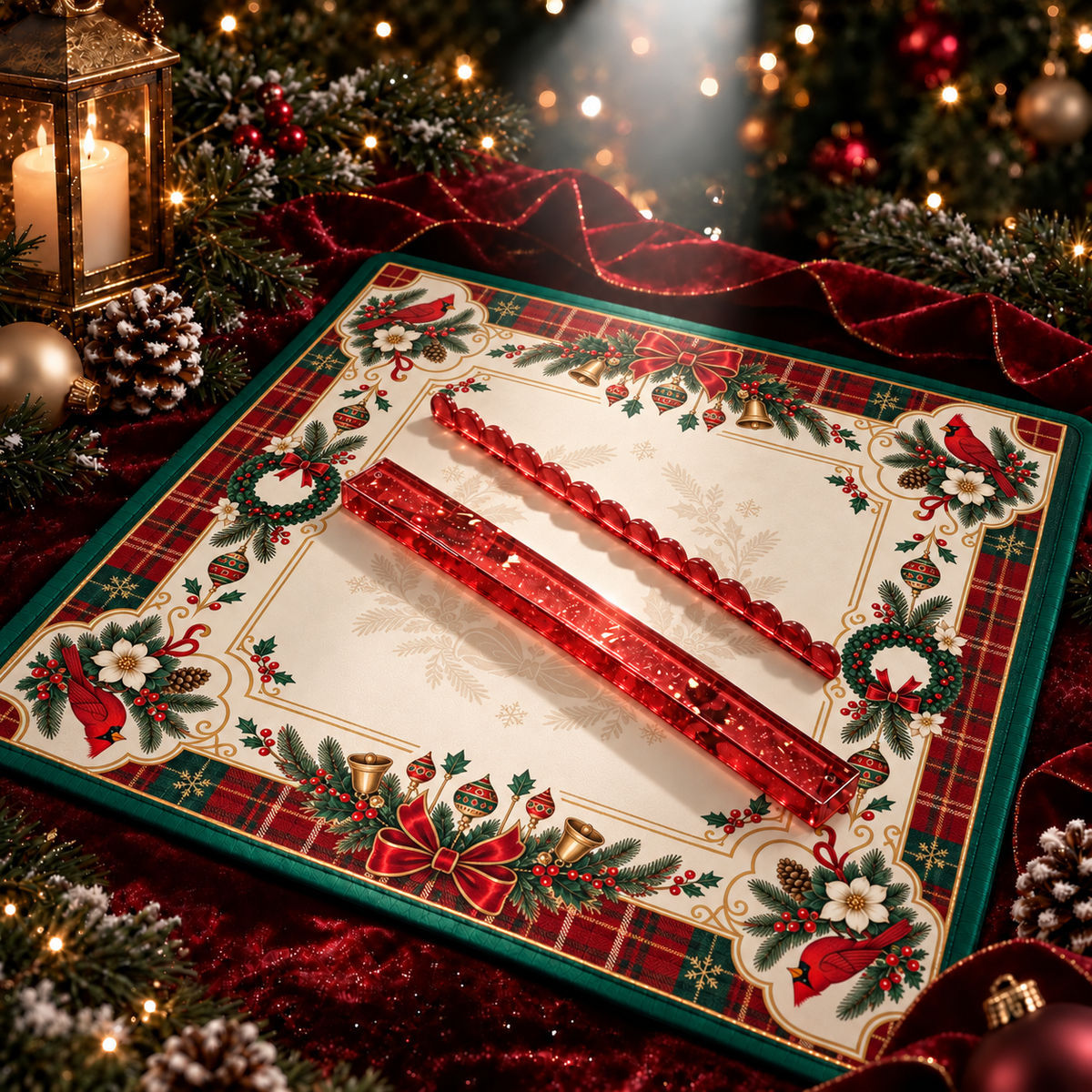
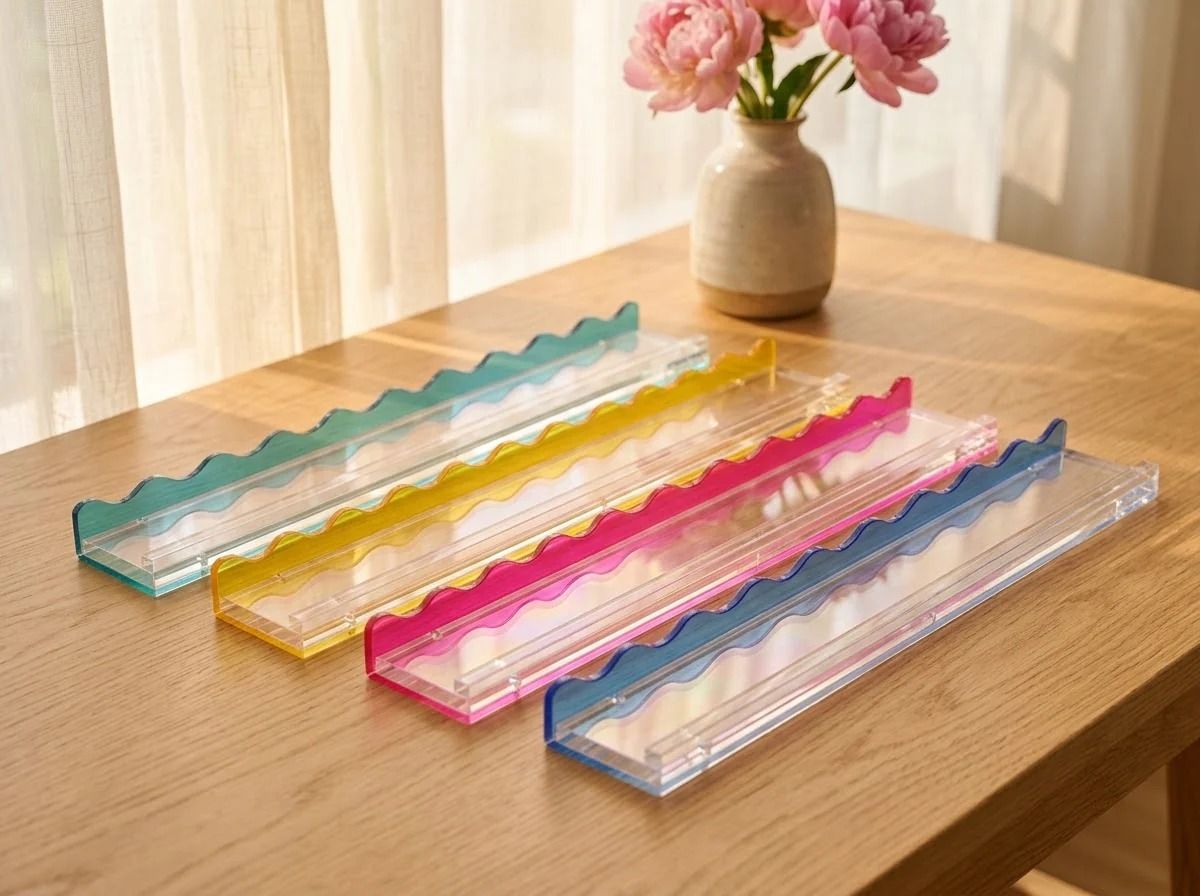
A mahjong tile tray (also called a rack or holder) is a grooved or slatted device that holds 13–14 tiles upright so only you see your hand; it attaches to the edge of a mahjong table or mat. American mahjong players use racks with pushers—a stick that nudges tiles forward as you draw—to prevent accidental flips, keep tiles aligned and speed up play. Most beginners start with either a simple acrylic rack (lightweight, affordable, ships flat) or a bamboo pusher set (traditional, durable, easier to handle). Our racks with pushers come in pairs (two or four racks per set, since four players each need one) and pair naturally with a best-selling acrylic mahjong set. Choose based on table size, hand comfort and whether you play weekly or casually; most new players find a standard acrylic pair sufficient for their first season.
What is the difference between a rack and a tray?
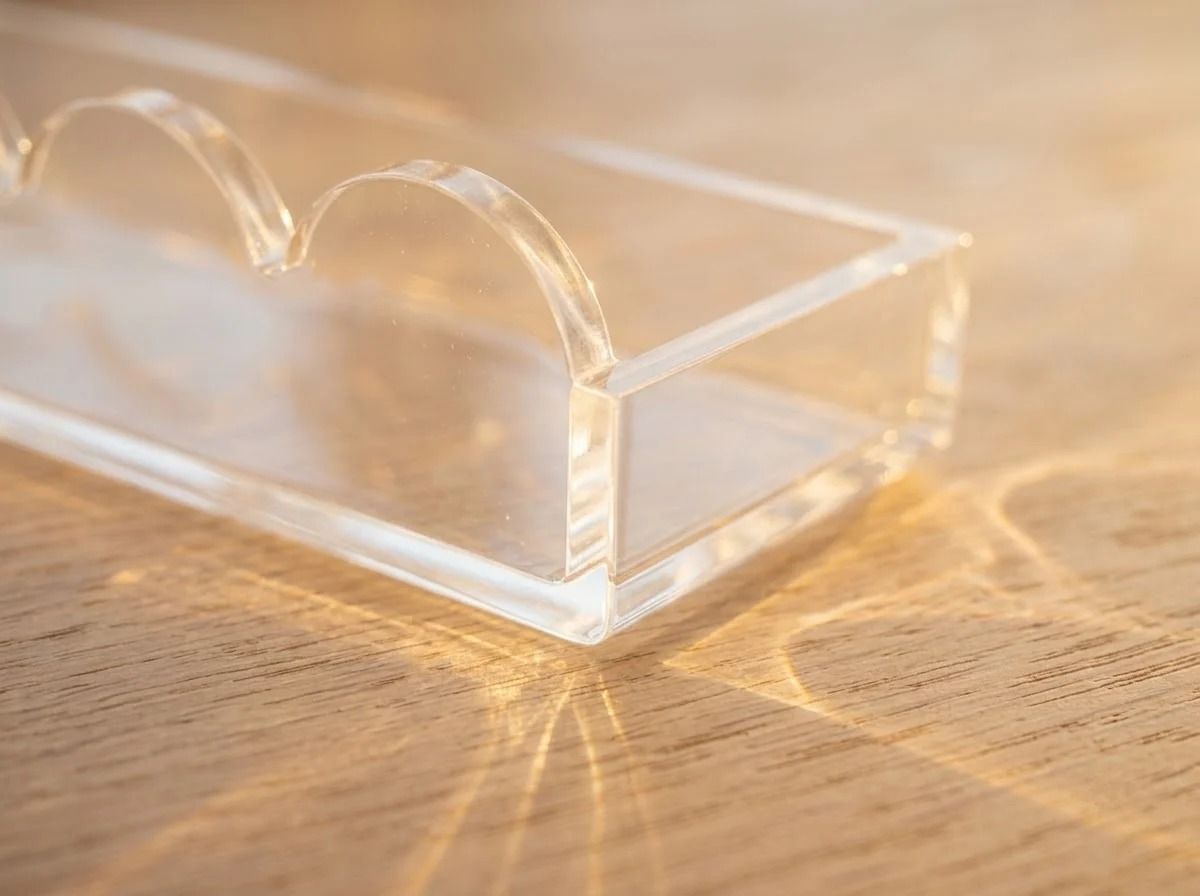
"Rack" and "tray" are used interchangeably among American mahjong players, but technically a rack has individual grooves (one per tile), while a tray is a long shallow slot; both hold tiles upright and attach to the table edge. In practice, we call any tile holder a "rack"—the key feature is that it comes with a pusher, a wooden or acrylic stick that lets you slide tiles forward smoothly as you draw new ones, so your hand stays organized and hidden. Without a pusher, you'd have to lift and rearrange tiles by hand, which slows the game and risks exposing your hand to other players. Most beginner sets pair an acrylic rack with a matching pusher; bamboo versions feel nicer in hand but cost more and require separate storage.
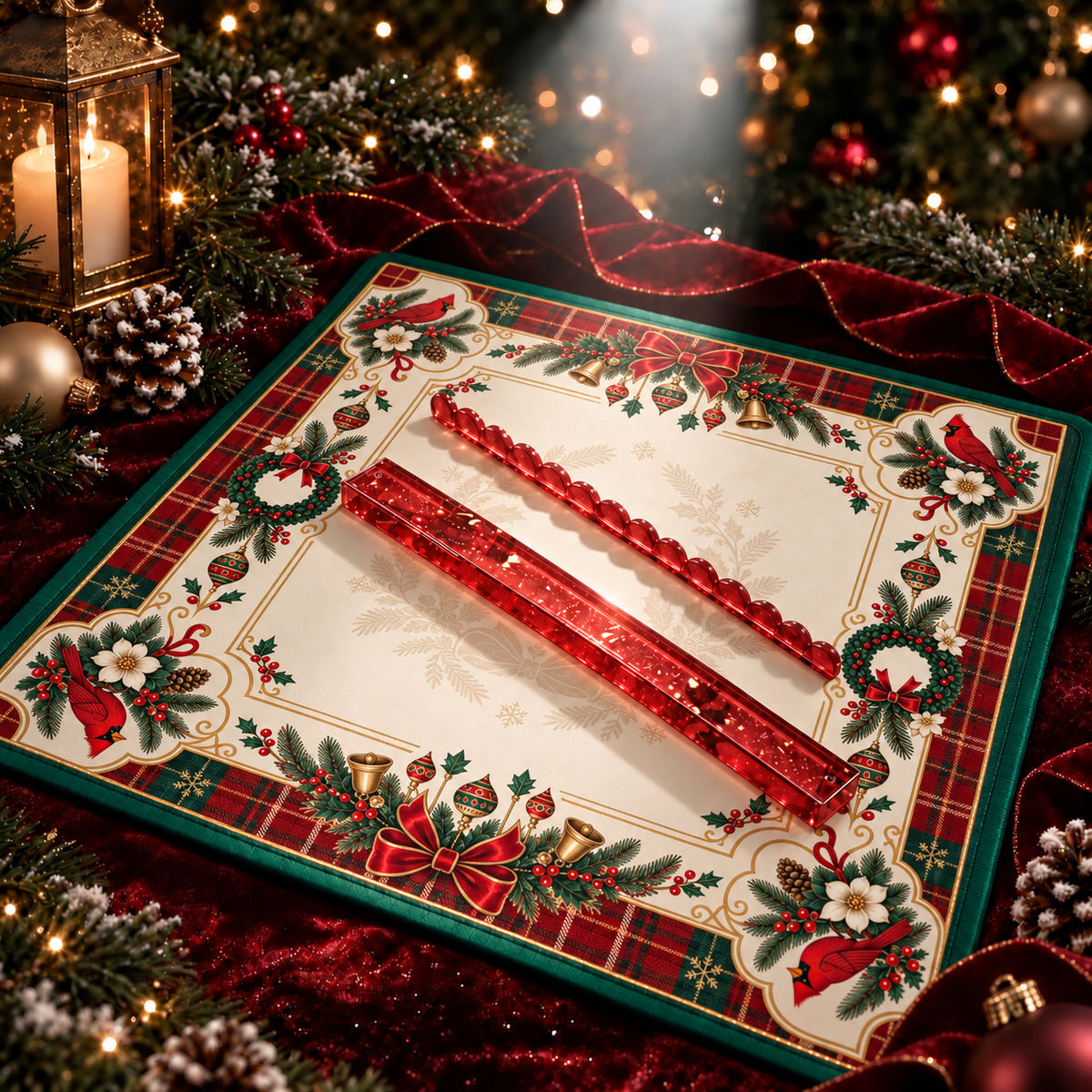
Why do beginners need a pusher?
A pusher solves the two biggest beginner mistakes: fumbling tiles (making them face-up) and disorganizing your hand mid-game. When you draw a tile, the pusher slides it into the rack from the left; as you play tiles, you push the next ones forward to fill the gap—everything stays upright and private. Without a pusher, your hand becomes a jumble: you can't see your own tiles clearly, other players glimpse your combinations by accident, and the game slows down while you sort. After two or three games, pusher-and-rack technique becomes automatic; it's muscle memory that separates casual players from regular ones. We recommend pushers even for kitchen-table games—the game feels more controlled, and everyone plays faster.
How do you size and set up a beginner rack?
American mahjong racks are typically 12–14 inches long, holding one standard tile per groove; four racks (one per player) fit comfortably around a square 36–40 inch mat or folding table. Before you order, measure your table: if your playing surface is smaller than 30 inches per side, you may need compact racks; if you play on a large dining table or a dedicated mahjong table, standard-length racks fit best. When setting up, each player places the rack closest to them, with the pusher resting inside; as the dealer distributes tiles, you push each one in from the open end, creating a neat row. The pusher itself should feel light (3–4 ounces) and slide smoothly—acrylic pushers are fastest, bamboo is traditional but catches on acrylic racks sometimes. Pair your rack choice with a mahjong mat that has a smooth surface, since pushers glide better on felt or nylon than on bare wood.
🀄 Shop best-selling mahjong sets →
What types of racks are best for beginners?
Rack Type | Who It's For | Material | Best For |
Acrylic with pusher | First-time players, casual weekly games | Clear acrylic, plastic pusher | Easy storage, lightweight, affordable |
Bamboo with pusher | Players wanting traditional feel, long-term play | Bamboo, wood pusher | Durability, comfortable hold, aesthetics |
Folding travel rack | Players who host at different homes | Aluminum or acrylic | Portability, compact storage in a bag |
Oversized rack (15"+) | Players with arthritis or vision issues | Acrylic or bamboo, wider grooves | Easier tile handling, clearer sight lines |
Acrylic racks are the beginner default: they cost less, ship flat (no damage in transit), and match acrylic tiles if you buy a coordinated set. Bamboo racks appeal to players who've played 5+ years and want a table that looks cohesive; they do wear over time (splinters, finish dulling) and require more care. Travel or folding racks are niche—useful if you host games in a rotation of homes, but overkill for a regular table. Most new players buy a pair of acrylic racks, use them for a full season, and upgrade only if they want a different aesthetic or find their hand awkward in standard grooves.
How do you avoid common setup mistakes?
Mistake 1: Buying a rack that doesn't fit your table. Measure the width of your playing area (the space in front of each seat) before ordering. A 14-inch rack won't fit a narrow bridge table; a 12-inch rack might feel cramped on a full dining table. Check the product page for rack length and test-fit it on your current table if possible.
Mistake 2: Forgetting to order four racks (one per player). American mahjong is a four-player game. You need four racks—one for each player—plus four pushers. Some retailers sell racks in pairs; you'll need two pairs. Mahstead racks come in sets of four, so order once and you're set.
Mistake 3: Choosing a pusher that catches or sticks. Acrylic pushers slide smoothly on acrylic racks and felt mats. Bamboo pushers can catch on grooved acrylic racks if the groove is narrow. If you love bamboo, pair it with a bamboo rack or test the fit before committing.
Mistake 4: Pairing a cheap rack with an expensive tile set. If you invest in engraved or specialty tiles, use racks that match their quality. A mismatch looks awkward and can damage tiles if the rack is poorly made (rough edges). Our racks with pushers are designed to work with our full range of mahjong sets, so components wear evenly.
What to check before you buy
Rack length: Measure your table and confirm the rack fits the space in front of each player.
Pusher material: Acrylic is fastest and most forgiving; bamboo is traditional but may snag.
Quantity: You need four racks (one per player) and four pushers. Check the package count.
Compatibility: If you already own tiles, make sure the grooves are wide enough for your tile thickness (American tiles are standard; confirm before ordering).
Shipping: Acrylic racks ship flat and rarely arrive damaged. Bamboo racks should ship padded.
Your mat: Confirm your mat has a smooth surface (felt or nylon). Rough wooden mats slow pushers.
🎁 See our most-loved mahjong sets & accessories →
When should beginners upgrade from a basic rack?
After your first 10–15 games, you'll know if your rack fits your hand, your table and your play style. Upgrade if the groove is too narrow (tiles jam), the pusher feels heavy or awkward, or your fingers cramp after an hour. Players who join a club or play twice weekly sometimes swap basic acrylic for bamboo or oversized racks around month three or four. You don't need to upgrade to enjoy the game; many casual players use the same rack for years. The "upgrade moment" is personal: some players never feel the need, others want to invest in their table's aesthetics once they've committed to weekly games.
✨ Find your Mahstead set — free US shipping →
FAQ
Do I need a rack to play American mahjong?
Technically, no—you can hold tiles in your hand. In practice, yes. Racks keep tiles hidden from other players, prevent accidental exposures and speed up play. Every regular player uses one.
Can I use a mahjong rack on a regular dining table?
Yes. The rack clamps or attaches to the table edge. Make sure your table edge is at least 0.5 inches thick and smooth (no sharp corners). A mahjong mat on top protects the table and gives pushers a smooth surface.
How many racks do I need to buy?
Four—one for each player. Racks are sold individually or in sets; check the listing to confirm quantity. You'll also need four matching pushers.
What's the difference between American and Chinese mahjong racks?
American mahjong racks hold 13–14 tiles and are often acrylic with pushers. Chinese mahjong racks are smaller (holding around 14–16 smaller tiles) and may not have pushers. Buy American racks if you're playing American rules; they're not interchangeable.
Can I mix acrylic and bamboo racks at the same table?
Yes, but it looks inconsistent. For a cohesive table, match all four racks and pushers in material and color. If you're experimenting, one mixed game is fine to test comfort before buying a full set.
Do I need to buy racks from the same brand as my tiles?
No, but it helps. Matching brands ensure tiles fit the groove width and the look is coordinated. Our racks are designed to work with our acrylic tile sets; if you buy elsewhere, confirm compatibility before ordering.


View More
View More
View More
