
Riichi Mahjong Books for Beginners: Learn the Rules & Strategy
Last updated: Nov 23, 2026
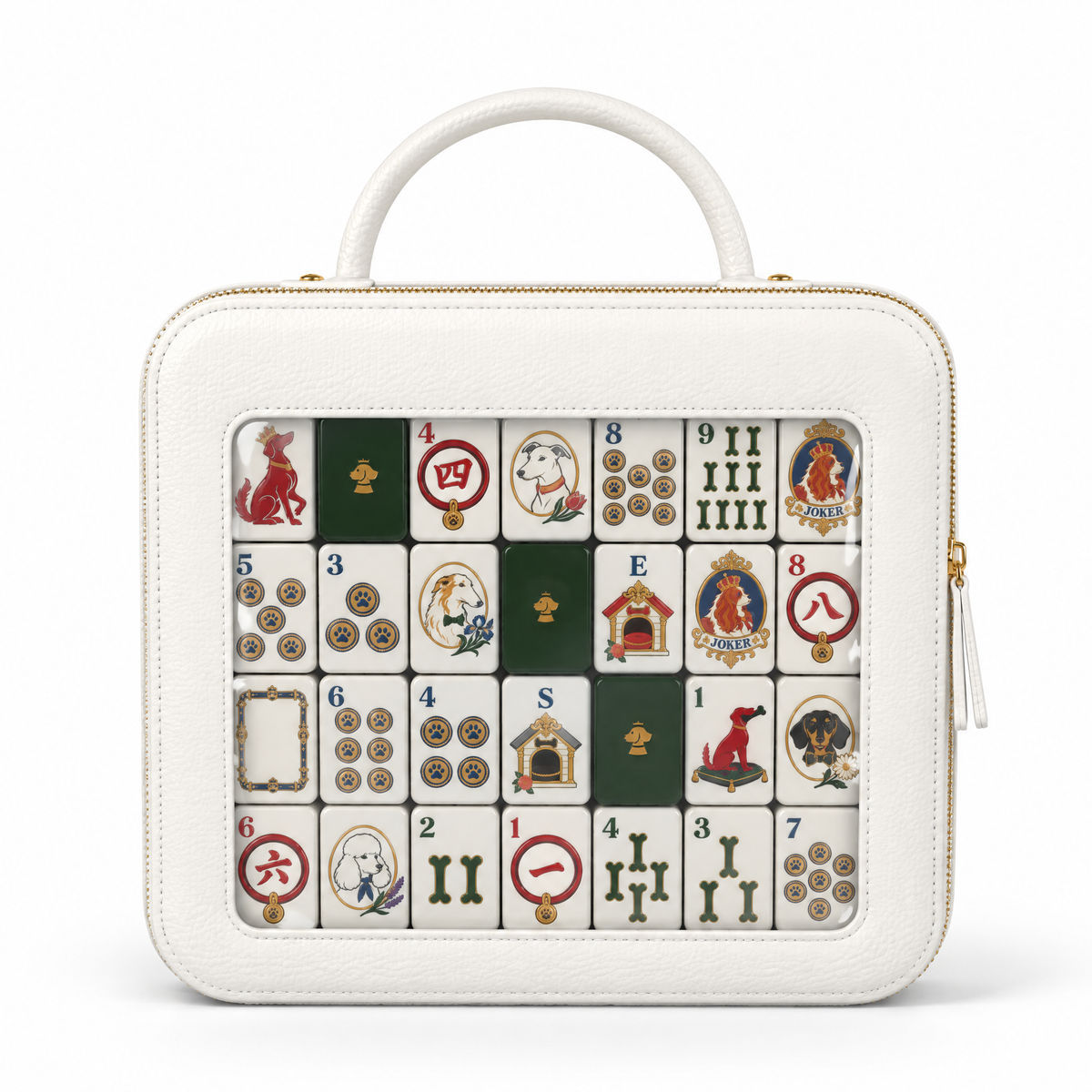
Riichi mahjong books for beginners teach the Japanese variant's core rules: melds (pung, kong, chow), hand patterns (yaku), the riichi declaration, and scoring. Start with English-language guides like "Riichi Mahjong: A Modern Approach to an Ancient Game," which walks you through tile mechanics and common yaku in digestible order. Most books assume zero prior knowledge, building from tile basics to strategy over 100–200 pages. Cost varies widely, but many digital editions cost less than print. Avoid books written solely for advanced players or those mixing variants without clear labels. We recommend pairing a rulebook with online practice tools or a local club where experienced players can clarify real-time questions—riichi's complexity demands both study and table time to stick.
When you're learning riichi mahjong, the right book saves months of confusion. Unlike American mahjong, which uses a fixed annual card and no sequences, riichi operates on open melds, point calculations, and hand-ending yaku that change with every round. A good beginner book isn't just reference—it's a roadmap that turns abstract tile rules into winning decisions at the table.
🀄 Shop best-selling mahjong sets →
What makes a riichi mahjong book beginner-friendly?
The best beginner riichi books teach one concept at a time, give concrete examples, and build up to strategy. Look for books that start with tile sets and hand composition (how many melds, how many honor tiles), then move to simple yaku (winning patterns), then riichi strategy. Avoid books that assume you know terms like "tanyao" or "chanta" without defining them first. A quality guide includes hand diagrams, a reference table of common yaku with point values, and explanations of why each hand matters tactically.

What's the difference between riichi and American mahjong books?
Riichi and American mahjong are almost separate games—mixing them will derail your learning. American mahjong uses a card, requires four-player rotation, and scores based on hand matching the current year's patterns. Riichi allows sequences (chows), has open melds, and scores by yaku rarity and tile combinations. A riichi book will never mention the American card or seasonal hands. If a book title doesn't say "Riichi," "Japanese," or "East Asian" mahjong explicitly, confirm the variant before buying—American books won't help you learn riichi, and vice versa.
Which English-language riichi mahjong books actually work?
Three books stand out for English readers: Riichi Mahjong: A Modern Approach to an Ancient Game (comprehensive, step-by-step, includes scoring tables), The Kyoto Book of Mahjong (illustrated, slower-paced, excellent for visual learners), and Mahjong Mind (focused on strategy after you know the rules). Riichi Mahjong is the most common starting point; it covers rules, yaku, and basic tactics in one flow. The Kyoto Book works best if you learn better from photos and diagrams. Mahjong Mind assumes you've read a rules guide first—use it as a second book after mastering the basics. All three are available in print and digital formats; check your local library first before committing to a purchase.
Should you start with a physical book or an online guide?
A physical rulebook is worth having for quick reference, but online resources accelerate your learning curve. Many riichi clubs and websites offer free guides with interactive examples, and you can practice with online simulators while reading. Start with a solid book for foundational concepts—sequences, tile composition, basic yaku—because the structure and examples are harder to find online in one place. Then supplement with online play and forums where real players answer questions. The book-plus-online combo is faster than either alone; books give structure, online play gives intuition. Most players return to their beginner book repeatedly during year one, so choose one you won't get sick of holding.
Resource Type | Best for | Format | Why it helps |
Riichi Mahjong rulebook | Absolute beginners | Print or PDF | Complete rules, yaku table, no skips |
Online simulator | Rule retention | Browser/app | Hands-on practice, instant feedback |
Club or coach | Real-time questions | In-person | Clarifies edge cases and strategy gaps |
Video tutorial series | Visual learners | YouTube | Shows tile movement, live melds, discard logic |
Reference glossary | Intermediate players | PDF or booklet | Quick lookup during play or study |

What riichi concepts trip up beginners most?
Three things derail American players switching to riichi: (1) Chows (sequences) are allowed and called openly, which completely changes hand-building strategy. You're not just collecting matched sets; you're also looking for runs like 3-4-5 Bams in the same suit. (2) Scoring is point-based, not pattern-based. In American mahjong, your hand must match the card exactly. In riichi, you win by declaring yaku (rare combinations) and collecting points—the same hand might be worth 2,000 points in one game and 5,000 in another depending on conditions. (3) Tile discarding is forced and visible, which means everyone sees your strategy and reads your hand. Many beginners discard too randomly and leak information. Most books dedicate a chapter to each of these; take notes and return to those sections every week for your first month.
🎁 See our most-loved mahjong sets & accessories →
How long does it take to learn riichi from a book?
Reading a beginner book cover-to-cover takes 4–8 hours and teaches you rules and basic yaku. Genuine fluency—reading hands, judging risk, playing strategically—takes 20–50 hours of table play after that. Most players reach "playable" level (you won't make obvious rule errors) in 3–4 weeks of daily study plus two club sessions. Reaching "intermediate" (you make winning decisions and understand why) takes 3–6 months. Fast learners with math background compress that; people learning their second tile game tend to be faster than true beginners. Don't rush this; riichi rewards patience. A book teaches mechanics; the table teaches judgment.
What to check before you buy a riichi mahjong book
Before you commit to a riichi book, verify three things: (1) Confirm it's riichi, not a mixed or regional variant. The title should say "Riichi," "Japanese," or "East Asian" mahjong; avoid books that blur variants. (2) Check the publication date. Riichi rules were standardized, so older books aren't wrong—but modern books align better with how online platforms and international clubs play today (post-2000 is safe). (3) Read a sample chapter if possible. You're spending time on this, not just money. Make sure the author's teaching style clicks with you—some books are conversational, others dense and reference-heavy. Library copies let you test-drive before buying. (4) Confirm it includes a yaku table and hand diagrams. These aren't optional; they're how you learn to recognize patterns at the table.
✨ Find your Mahstead set — free US shipping →
If you're serious about riichi, a best-selling standard tile set helps you study at home—lay out hands from the book's examples and practice tile recognition without a screen. Many riichi clubs use 144-tile sets, but 152-tile American sets work fine for solo study because the suits and numbers are identical across variants. Set the book beside your tiles and work through each chapter's practice hands in real time; your hands will memorize tile patterns faster than reading alone.

FAQ
Can I learn riichi from an American mahjong book first?
No. American mahjong has no sequences, uses a yearly card, and plays by different rules entirely. You'll waste time unlearning American concepts. Start with a riichi-specific book or you'll mix variants and confuse yourself.
Are riichi books written in Japan better than English translations?
Japanese books are more plentiful and sometimes cheaper, but you need fluent Japanese to follow the examples. English books are fewer but are written or translated by native English speakers who understand American learner confusion. Start in English; switch to Japanese later if you live in Japan or reach advanced play.
Do I need to memorize all yaku before my first game?
No. Master the ten most common yaku (tanyao, pinfu, all simples, honor triplet, terminal triplet, little three winds, mixed honor, pure, honors, and eyes). You'll encounter these in 80% of beginner games. Pick up rare yaku as you play; memorization comes from table time, not the book alone.
Can an online simulator replace a physical book?
Not at first. Simulators are great for practicing after you know the rules, but they don't teach why a hand is worth 3,000 points or what a chow looks like when your brain's seeing tiles for the first time. Use both: book for structure, simulator for speed.
What if my local riichi club plays a variant I didn't read about?
Many clubs have house rules or play a regional variant. Ask the club organizer for a one-page summary of differences before your first session. Bring your rulebook and ask during play; good clubs expect beginner questions. If the club is hostile to questions, find another one.
Should I buy a riichi book or just watch YouTube tutorials?
Buy the book. Video is great for watching tile movement and discard logic, but you can't flip back to week-one basics while sitting at the table during a tense game. A book stays with you; YouTube gets lost in your history. Use both; prioritize the book.


View More
View More
View More
