
2026 Mahjong Card: What Changed This Year
Last updated: Nov 23, 2026
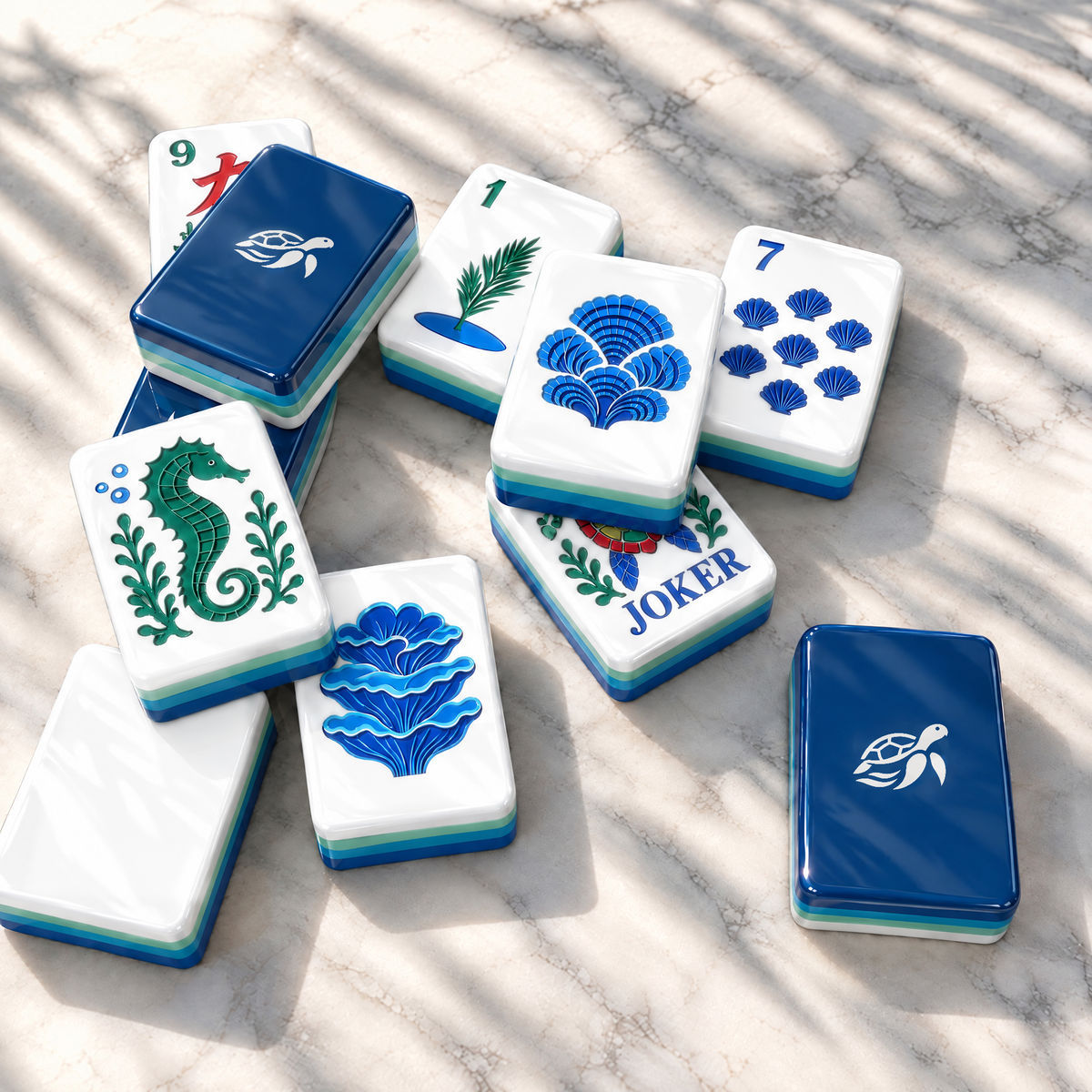
The 2026 National Mah Jongg League card arrived in spring 2026 with updated hand patterns—some hands removed, new ones added, positions shifted. American mahjong requires playing from that year's card only; older cards are invalid. The card itself is free to download or order from the League. What matters most: the structure remains identical (pungs, kongs, quints, sextets, no chows), and your tiles never change—a 160-tile acrylic set from Mahstead plays every card, every year. Study the new card before your first game, mark hands you recognize, and practice Charleston passing to warm up. New players should learn how to read the card first; returning players just need to review the updates and spot patterns they missed last season. 🀄 Shop best-selling mahjong sets →
What actually changed on the 2026 card?
The League rotates hands annually to keep the game fresh and prevent memorization fatigue. Each year, roughly 10–15% of patterns shift: some hands disappear entirely, new ones debut, and others move to different sections (like moving from the Pung section to the Like Number section). The suit arrangement, number ranges, and joker rules stay the same; only the specific combinations change. This isn't a rule change—your gameplay mechanics, tile count, and scoring remain identical to every year since you started. You adapt by spending 30 minutes reviewing the new card before hosting your first game of the season. Compare your old card to the 2026 card section by section: mark unfamiliar hands with a highlighter so you spot them mid-game.

How do I know which hands are actually new?
Print or open both your 2025 card and the 2026 card side by side (or request a paper copy from the League). The League's official card clearly marks new patterns. Walk through each section—Pung, Like Number, Quint, Kong, etc.—and check if the hand appears verbatim in the old card. If a hand is in the exact same spot with identical tiles, it's a repeat (you're already familiar with it). If it's moved to a different position but uses the same tiles, the pattern is the same, just rearranged; you recognize it faster when you know the tiles. New hands look like fresh tile combos you've never studied. Print out the new card and carry it to practice games for two weeks; by week three, your muscle memory catches up. Our best players take a photo of the card on their phone and quiz themselves during lunch breaks. The goal isn't to memorize every hand—it's to recognize patterns fast enough to call them during a live game without slowing play.
Why does the card change every year if the tiles don't?
The League changes the card to prevent "solved" gameplay. If the same hands appeared forever, intermediate and advanced players would memorize every pattern, and newer players would feel permanently behind. By rotating hands, everyone resets on the same footing each spring—experienced players have faster recognition skills, but the content is fresh for all. This keeps the game competitive and social rather than purely mechanical. It also forces players to develop intuition: instead of rote memorization, you learn to spot principles (how jokers substitute, where the big point hands hide, how quints stack). The tile set itself never changes—152 tiles plus 8 jokers, year after year. Only the legal combinations shift. This is why a durable, high-quality mahjong set from our best-selling collection is an investment: you'll use it for decades, updating only the paper card annually.
How quickly do most players learn the new hands?
Casual home-game players (those who host once or twice a week) typically need 4–6 weeks to feel confident calling hands without hesitation. The first two weeks are clunky—you're reading the card a lot mid-game, which slows play. By week three, familiar hands start triggering instantly; unfamiliar ones you'll still reference. By week six, most hands feel automatic, and you're back to your normal speed. Competitive league players compress this: they study the card for 5–10 hours before season play, often attending clinics or reviewing hands with a coach. They hit confidence speed within 1–2 weeks. A beginner joining your table for the first time in 2026 won't care about prior years' cards—they're learning from scratch, so the card year doesn't affect their learning curve. Tip: host a casual practice game in late spring, before real money or record-keeping starts, so everyone gets comfortable together.

What should I check before buying a set for the new season?
Before purchasing or upgrading your set, verify you have access to the 2026 card (free online or from the League). Next, confirm your set contains 152 playing tiles plus 8 jokers—this combination works with any year's card. If you're ordering a new set, check the tile design: do the numbers, suits, and wind symbols match your table's preference? Some players prefer simpler designs; others love ornate or custom engravings. If you play in a home group, ask your teammates what tiles they use—consistency makes passing and reading easier, though it's not required. Acrylic tiles are the standard for durability; they don't chip easily and clean with a soft cloth. Bamboo and bone sets are beautiful but require more maintenance. Pair your set with a mat that has clear section markings so discards are visible to all four players, and consider racks with pushers if hand-wrangling causes mix-ups. Our engraved American mahjong sets let you customize designs, which is perfect if you want to commemorate the 2026 season or gift a set to a new player.
🎁 See our most-loved mahjong sets & accessories →
How do I teach someone the 2026 card from scratch?
If a friend wants to join your 2026 games, don't overwhelm them with card history—just teach them the current year. Sit down with the 2026 card and walk them through one section (Pung, for example): show them 3–5 common hands, explain how jokers substitute, then move on. Most people grasp the basic structure within 30 minutes. Next, play a practice hand together—no money, no pressure—where you read the card aloud and let them follow along. By their third or fourth game, they'll know where to look. The year-to-year changes don't matter to a beginner; what matters is understanding the current rules and patterns. If they're joining a league table, loan them a travel bag with a card slot so they can carry the card safely and reference it during games. Many new players bring a printed card in a plastic sleeve to their first five games; after that, they rely on muscle memory and the community's help ("that's a Hand 27" someone calls out, and they'll learn).
What to check before you buy
Card access: Confirm you can download or order the 2026 card for free from the National Mah Jongg League before committing to a set.
Tile count: Ensure the set contains 152 playing tiles + 8 jokers (total 160 tiles; any extras are spare jokers or blanks and never go into play).
Design clarity: Pick a tile design your group finds easy to read—simple symbols, bold numbers, distinct suit colors.
Durability: Acrylic tiles are chip-resistant and long-lasting; verify weight and finish match your table's preference.
Accessories: A mat with clear dividers, racks with pushers, and a protective bag or case extend set life and make hosting easier.
Budget: See current price on the product page; higher-priced sets often feature custom engraving or premium materials, not higher playability.
✨ Find your Mahstead set — free US shipping →
Decision framework: card changes vs. your setup
Scenario | What to do | Why it matters |
Hosting your first 2026 game | Review the 2026 card 1 week prior; study 2–3 hands per day | You set the pace; confidence keeps play smooth |
Upgrading from a 15-year-old set | Check tile condition first; if worn/faded, a new acrylic set plays faster and lasts 20+ years | New card pairs better with fresh tiles; consistency helps all players |
Teaching a beginner in spring 2026 | Use only the 2026 card; don't reference older years | Older cards confuse newcomers; the current card is all they need |
Playing competitively in a league | Study the card 10+ hours before season; attend a clinic if available | League play is faster; you need speed and confidence, not just accuracy |
Buying a gift for a mahjong friend | Choose a set design they don't own; pair with the current-year card | They already have one set; a new design or custom engraving delights more than repetition |

FAQ
Does the 2026 card cost money?
No. The National Mah Jongg League publishes the annual card for free online; you can download it or order a printed copy at no charge. Many players print it at home.
Can I use my old 2025 tiles and card together in 2026?
No. American mahjong requires playing from the current year's card only. Your tiles remain valid (they never expire), but you must use the 2026 card to determine legal hands.
How many hands are completely new on the 2026 card?
The League doesn't publish a percentage, but based on past years, roughly 10–15% of patterns shift annually. The exact count varies by section.
If I buy a mahjong set in 2026, will it work for 2027 and beyond?
Yes. A 160-tile American mahjong set works with every year's card indefinitely. You replace the card annually (it's free); the tiles are permanent.
What's the fastest way to learn the 2026 card if I'm returning after a break?
Play two casual practice games before real money or league play. Print the card, highlight hands you don't recognize, and carry it to games. Most players hit confidence speed within 2–3 weeks.
Should I memorize the card or use it during games?
Use it during games. Referencing the card mid-hand is normal and encouraged; it ensures accuracy and keeps play fair. Memorization happens naturally over time.
Do tiles or joker rules change with a new card?
No. Tile count, joker substitution rules, pung/kong/quint structure, and scoring remain identical every year. Only the legal hand combinations change.
Can I play the 2026 card with a set from a competitor?
Yes, as long as the set contains 152 tiles plus 8 jokers and is clearly marked. The card works with any tile set, but consistent tile design across your table speeds play.


View More
View More
View More
