
Mahjong Teachers in New York: How to Find One & Learn Well
Last updated: Nov 23, 2026
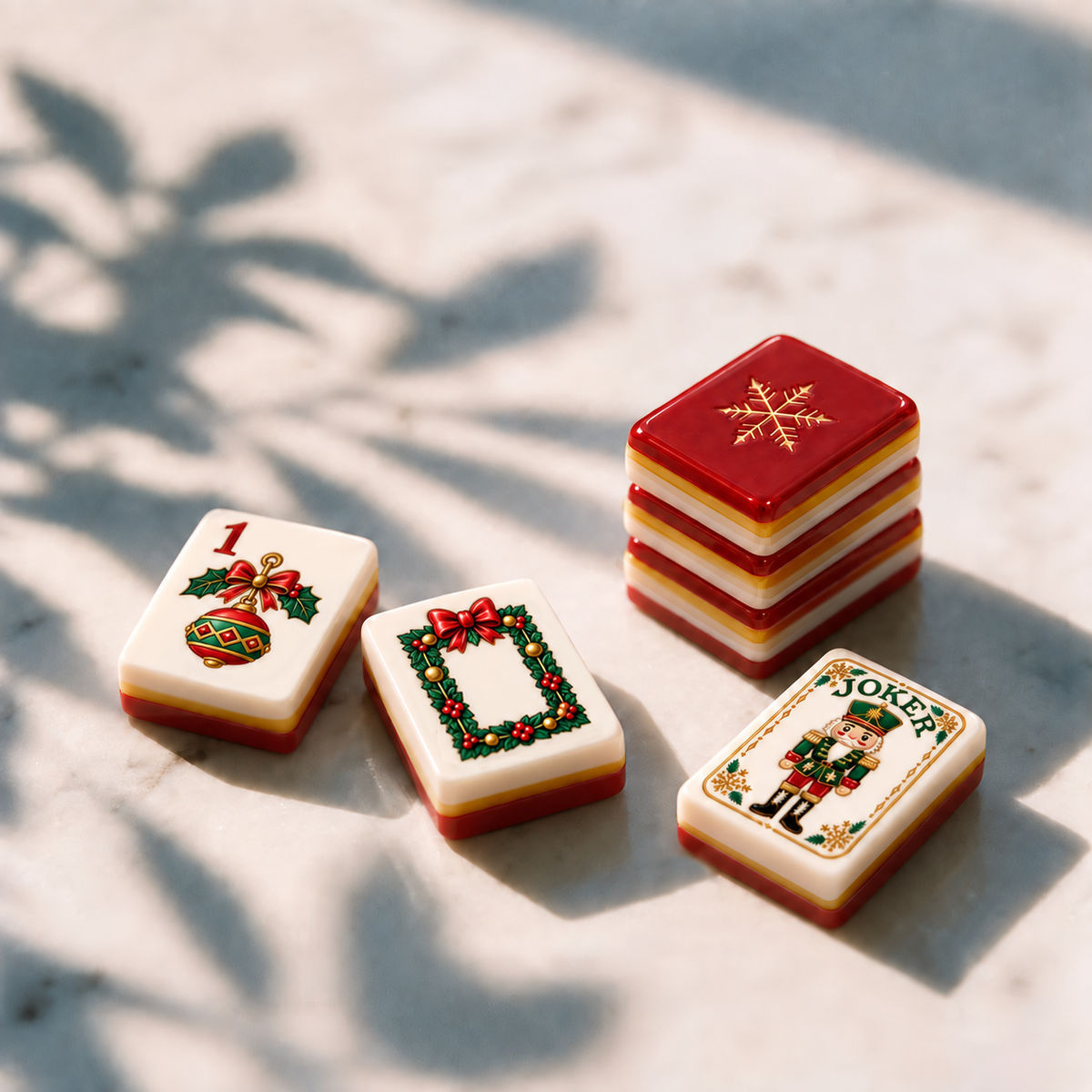
New York's mahjong teachers work through community centers (YMCA, Jewish community centers, recreation departments), libraries (especially in Flushing and Manhattan's Chinatown), adult education programs, country clubs with game rooms, and informal Meetup groups. Most teach American mahjong, though some specialize in Chinese, Hong Kong, or Riichi variants. Expect a 6–12 week intro course or ongoing weekly lessons; private tutoring costs vary. Start by calling your local library or visiting Parks & Recreation; ask specifically for mahjong or game clubs. Teachers often require you to own a set or provide one—we'd recommend a best-selling mahjong set with a learning mat so you have continuity between lessons and home practice. Avoid going in without a current National Mah Jongg League card if studying American rules; your teacher should provide or explain where to buy one. Most teachers expect 4–6 weeks before you understand hand reading and the Charleston tile-passing ritual.
Where do most New York mahjong teachers hold classes?
Community centers, libraries, and organized game clubs anchor New York's teaching scene. The Flushing Public Library (Queens), branches across Manhattan's Chinatown, and YMCAs in Midtown and Brooklyn often host certified instructors or open drop-in games where experienced players teach newcomers. Some teachers work privately from game lounges in Chinatown, Flushing, and Forest Hills. Check your city's Parks & Recreation website for adult education mahjong courses—NYC offers them seasonally. Synagogues and Jewish community centers frequently run mahjong lessons tied to social events. Country clubs on Long Island and Westchester sometimes have resident game coaches. Meetup.com lists New York mahjong groups where you can find informal teachers and game nights; search "mahjong New York" and filter by your borough.

What's the difference between American, Chinese, and Riichi mahjong in a classroom?
American mahjong uses 152 tiles, no sequences (only pungs, kongs, and higher combos), and requires a published card for valid hands—it's strategy-heavy and easier for beginners. Chinese mahjong uses 144 tiles, allows sequences and runs, plays faster, and has regional rule variations; teachers often teach Beijing or Cantonese rules. Hong Kong and Taiwanese variants emphasize scoring complexity and special sets. Riichi (Japanese) mahjong is turn-based, fast, and popular in gaming communities. New York teachers mostly teach American mahjong because the rules are standardized; if you want Chinese or Riichi, ask explicitly. American is best for structured learning because the card and rules stay constant year to year.
How long does it take to go from beginner to a competent player?
Most students grasp tile groups, the Charleston, and basic hand recognition within 4–8 weeks of weekly lessons. Reading the current National Mah Jongg League card fluently takes 8–12 weeks. Winning consistently at a regular table—understanding discards, counting remaining tiles, and reading opponents—takes 6 months to a year of weekly play. Fast learners with prior card-game experience sometimes compress this to 12–16 weeks. Don't expect mastery in one month; teachers who promise that are overselling. The real jump happens when you stop thinking about rules and start predicting what your opponents need. Consistent home practice between lessons cuts learning time by 25–30 percent—that's where a dedicated mahjong mat and racks with pushers matter most.
🀄 Shop best-selling mahjong sets →
What should you ask a teacher before signing up for lessons?
Ask these five questions:
Which mahjong variant? American, Chinese, or Riichi? Confirm the teacher uses current year's National Mah Jongg League card for American.
Class size? Private lessons (faster learning, higher cost), small group (4–6 people, balance), or open group (8+, slower).
Do I need my own set? If yes, confirm the teacher's tile style and size preference—some prefer acrylic for durability, others bamboo for tradition.
What's the weekly schedule and cost basis? Some charge per lesson, others monthly; confirm if makeup lessons are allowed.
Do you teach the Charleston and card reading in week one? A teacher who spends two months on tile anatomy without gameplay is stalling progress.
Honest teachers will admit they focus on American rules because it's New York's standard, will tell you to budget for a quality set and mat, and will give you small homework (memorizing common hand patterns, reviewing the card between sessions).
How do you practice effectively between lessons?
Practice follows this sequence:
Weeks 1–3: Study the current National Mah Jongg League card 10 minutes a day—learn one hand section per day (e.g., "Like Numbers," "Consecutive Pungs"). Memorize the tile anatomy and the Charleston order.
Weeks 4–8: Play one complete game per week with your teacher or a practice group; replay hands afterward to identify winning sequences you missed. Keep a notebook of hands you lose on and ask your teacher why they worked.
Weeks 8+: Join a weekly game outside lessons; join a Meetup group or a regular table at your library. Teach a rank beginner monthly—explaining the rules to others locks in your own understanding.
Use a full-size mat at home (18–21 inches wide) so your muscle memory matches game tables; smaller mats confuse hand positioning. A set with racks with pushers helps you organize draws cleanly. Most learners don't practice enough outside lessons—teachers report that students who play two games weekly after week 4 grasp hand speed 40% faster than those who only attend class.
🎁 See our most-loved mahjong sets & accessories →

Why should you start with a quality set instead of a cheap one?
A cheap set (thin tiles, poor engraving, warped racks) teaches you nothing but frustration. Quality tiles:
Stay in place on racks during draws—you won't knock over your hand mid-game.
Feel consistent so your shuffling and wall-building become automatic muscle memory.
Read clearly under table lighting without squinting at worn numbers or ornaments.
Last through hundreds of games without cracking or discoloring.
Match game tables so you transfer skills directly from lessons to clubs.
Teachers notice when students arrive with poor equipment; they spend lesson time helping you reposition fallen tiles instead of teaching strategy. A best-selling acrylic American mahjong set costs less than six private lessons and gives you a decade of use. Some teachers have spare sets for students—ask—but bringing your own signals you're serious and keeps you consistent.
Setup Element | Why It Matters | What to Check |
Tile clarity | You read hands fast, not squint | Numbers large, engraving sharp, colors distinct |
Rack fit | Tiles stay put; no fumbling | Racks hold 13–14 tiles without tipping |
Mat size | You match game tables exactly | 18–21 inches minimum; fits under racks |
Pushers | You draw smoothly from the wall | Two pushers per rack, slide without binding |
Joker count | You follow rules correctly | Set includes 8 jokers (never fewer) |
How to start your search this week
Step 1: Contact your local library. Call or visit the reference desk; ask "Do you offer mahjong lessons or host game groups?" Flushing Public Library, Manhattan branches in Chinatown, and Queens branches are reliable starting points.
Step 2: Check Parks & Recreation websites. NYC Parks (parks.nyc.gov), Nassau Parks, Westchester Parks, or Suffolk Parks list adult education courses by season—search for "mahjong."
Step 3: Search Meetup.com. Filter by "mahjong" and your borough; message group hosts to ask about beginner-friendly teachers and lesson availability.
Step 4: Call nearby YMCAs, Jewish community centers, and synagogues. Ask if they have a game coordinator or can refer you to a mahjong teacher.
Step 5: Once you identify a teacher, buy or confirm you own a full-size set. Many teachers loan sets, but owning one ensures you practice at home and learn consistency.
✨ Find your Mahstead set — free US shipping →
What to check before you buy a beginner's mahjong set
Tile material: Acrylic sets are durable, lightweight, and affordable; inspect for sharp edges.
Rack stability: Push tiles into racks; they should not slide or tip easily.
Joker count: Confirm the set includes 8 jokers (minimum for American play).
Carrying case: A padded bag protects tiles during travel to lessons and game nights.
Mat included or separate? If separate, mahjong mats run a similar cost and last longer when paired with the right set.
Pushers included? Two pushers per rack are standard for smooth wall draws.
New York teachers have seen students arrive with incomplete sets or mismatched racks; it adds 10 minutes of borrowing and swapping before every lesson. A complete best-selling set from the start removes that friction and lets you focus on learning.
How the National Mah Jongg League card shapes your lessons
The card is the rulebook—it lists every valid hand for American mahjong. A new card is issued each spring by the National Mah Jongg League. Teachers will give you a card or point you to where to buy one; it costs a modest amount and is non-negotiable for American play. If your teacher doesn't mention the card in week one, that's a red flag—American mahjong without the card is not American mahjong. The card changes slightly each year, so confirm your teacher uses the current year's edition. Never buy last year's card thinking you'll save money; you'll learn hands that no longer exist. Pair your card study with a proper mahjong mat so you can spread the card out flat while you play and read hand sections cleanly.
Learn more about how to play American mahjong and mahjong for beginners to deepen your foundation before your first lesson.

FAQ
Can I teach myself mahjong without a teacher?
Yes, but slowly and with mistakes. Books and online videos teach rules, but a teacher corrects your hand-reading speed, card interpretation, and table etiquette in real time. Most self-taught players plateau after 12 weeks; teacher-taught players progress to competency in 8–10 weeks.
What if I can't find a teacher in my area?
Check hybrid options: Meetup groups often include semi-experienced players who informally coach; YouTube channels and books cover American rules; some teachers offer Zoom lessons. New York has the strongest mahjong infrastructure in the US, but if you're in a suburb, calling the nearest YMCA or community college is a first step.
Do I need to own my own set for lessons?
No, but it accelerates learning by 30–40 percent. Most teachers have spares, but if you own a set, you practice at home consistently and arrive with muscle memory already built. Equipment ownership is worth the modest cost.
Which mahjong variant should I start with?
American mahjong. New York teachers overwhelmingly teach American rules because they're standardized and published yearly. Once you're competent (6+ months), exploring Chinese or Riichi is easier. Starting with multiple variants confuses your hand memory.
How much should I expect to pay for lessons?
Group lessons through libraries or parks typically cost a modest amount per session (confirm on your city's website). Private tutoring varies widely. Focus on finding a teacher whose schedule and style fit; cost is secondary.
What happens after I finish a beginner course?
Join a regular weekly game. Most teachers host or recommend game nights; Meetup groups are another entry point. Weekly play consolidates lessons and builds reading speed—after one month of weekly games post-course, you'll play competitively.


View More
View More
View More
