
Throwing Mahjong in Mahjong: Examples, Rules & Common Mistakes
Last updated: Nov 23, 2026
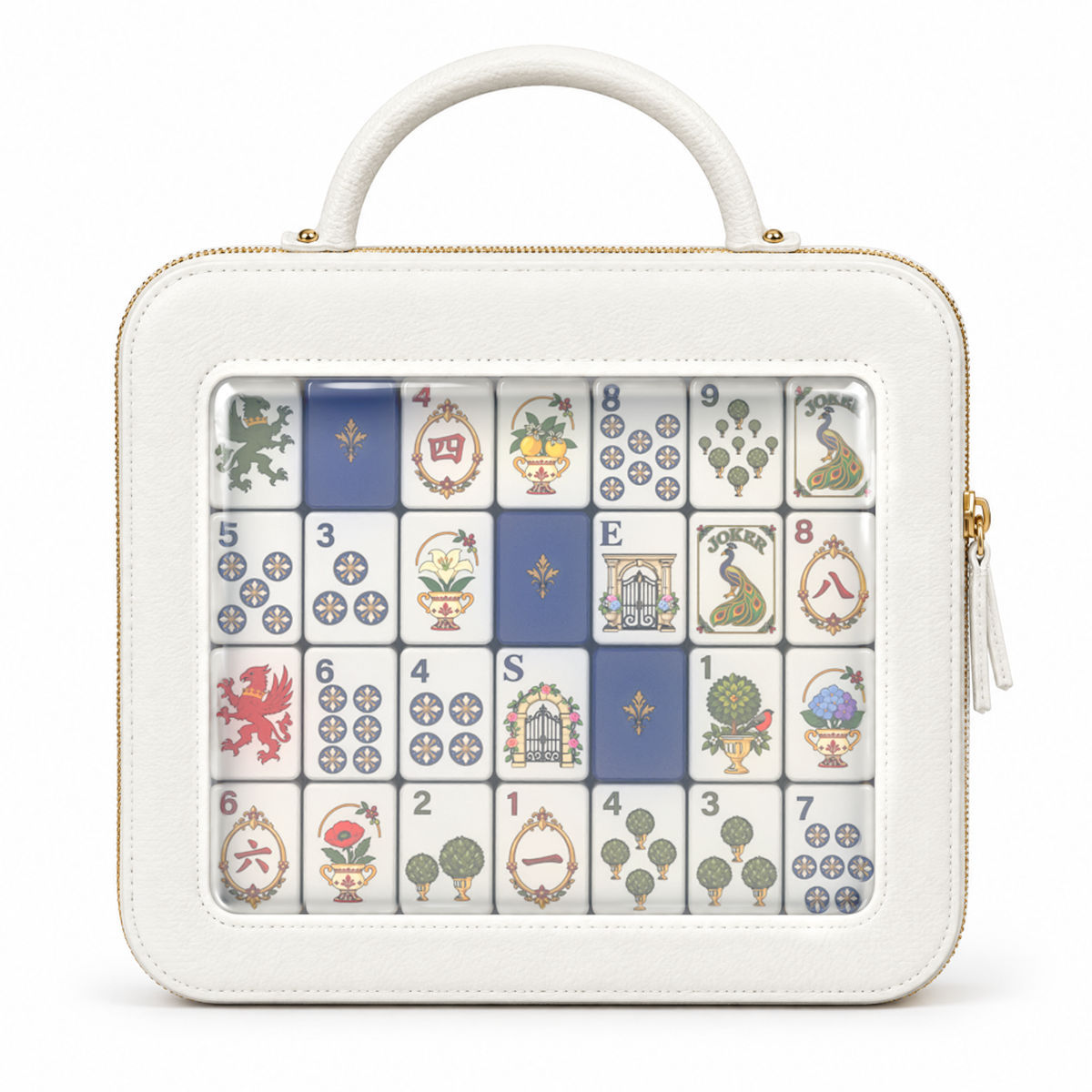
In American mahjong, "throwing" means discarding a tile face-up after drawing; this tile may be claimed for a pung (3 identical), kong (4 identical), or quint (5 identical), but never for a pair or chow. You expose only these melds on your rack; a single discarded tile or a pair cannot be claimed. Jokers in discards can only be claimed as part of a four-tile kong or larger meld, never alone. The National Mah Jongg League card determines which melds and hand combinations are legal each year. Mistakes—exposing illegal combos, misreading the card, or miscounting tiles—result in penalties or hand rejection, so many players reference the card carefully before committing. Standard 160-tile American mahjong sets include all needed tiles and jokers for correct play.
What does "throwing" actually mean in American mahjong?
Throwing is the act of discarding—placing a tile face-up in the discard area after drawing from the wall or claiming a meld. Once thrown, any player can claim it if the meld is legal for their hand. The tile becomes part of the table conversation; you cannot take it back. Discards are organized chronologically so players can track what's been played and adjust strategy. In contrast to Chinese and Riichi variants where players can form sequences (chows) from discards, American mahjong allows claims only for identical-tile melds: a pung (three tiles), kong (four), quint (five), or sextet (six). This rule fundamentally shapes the game's rhythm and decision-making.
🀄 Shop best-selling mahjong sets →

What melds can you actually claim from a discard?
You can claim a thrown tile only to complete a pung, kong, quint, or sextet—never a pair, never a sequence. If you throw a 5 Dot and another player holds two 5 Dots, they can claim it to form a pung and expose all three on their rack. A kong requires all four identical tiles; if you discard a 3 Bam and someone holds three 3 Bams, they claim and expose the full set. Quints (five identical) and sextets (six identical) are rarer but legal. The National Mah Jongg League card lists all playable hands each year, and the card explicitly shows which suits, numbers, and tile combinations qualify for each pattern. Many players keep the card visible during play to verify claims instantly. Claiming "out of turn" or on an illegal meld results in a dead hand or penalty, so clear communication—announcing the meld, showing it, and checking the card—protects everyone.
Can you claim a thrown joker?
No joker can be claimed as a single tile or as part of a pair. A joker may only be claimed if it is part of a four-tile kong or larger meld (quint, sextet) and is being used as a substitute for one of the identical base tiles. For example, if you discard a 1 Bam and another player holds two 1 Bams and a joker, they can claim the discard to form a four-tile kong (1 Bam, 1 Bam, 1 Bam, joker). Once in play, the joker remains locked in that position; you cannot swap it out. This rule prevents jokers from becoming too dominant and keeps hands balanced. Beginners often mistakenly believe a joker can be taken alone, leading to disputes. If you're unsure, check the current year's NMJL card or ask the group before play starts. Many players use racks with pushers to keep jokers and base tiles clearly separated on their racks, reducing confusion at the table.
What happens if you throw an illegal tile or claim wrongly?
If you throw a tile that violates your hand pattern (e.g., a tile that cannot legally be in any playable hand this year), your hand is dead—you cannot win that round, though you continue playing. If you claim a discard illegally or expose a meld that doesn't match the card, the claim is reversed, your hand is typically dead, and the tile is returned to the discard pile. If you claim out of turn (e.g., East claims before the player whose turn it is), the claim is also void. These mistakes slow the game and frustrate players, so the best defense is to read the current year's card before play, ask clarifying questions about hand patterns, and announce your melds clearly. Many groups require players to say the meld name aloud ("pung of 4 Dots," "kong of White Dragon") before exposing. Using a printed card sleeve or mat can keep the card visible and reduce errors significantly.
🎁 See our most-loved mahjong sets & accessories →

How does throwing strategy differ across American, Chinese, and other variants?
Variant | Melds from discards | Sequences allowed? | Joker rules | Play pace |
American | Pungs, kongs, quints, sextets only | No | Jokers in melds only; never single/pair | Strategic, card-based |
Chinese (MCR) | Pungs, kongs, chows, eyes | Yes, 1-2-3 sequences | Jokers flexible; some permit single draw | Faster, pattern-simple |
Hong Kong | Pungs, kongs, chows, pairs | Yes | Limited or no jokers | Variable by house rule |
Riichi | Pungs, kongs, chows | Yes, runs | Minimal joker use | Standardized, competitive |
In American mahjong, discards are calculated risks: throwing a tile opens it to claim, but keeping dangerous tiles on your rack increases your hand's rigidity. Because you cannot form sequences from discards, you must plan around identical-tile melds, making discard order and hand reading critical. Chinese variants reward flexibility and speed because sequences are claimed freely. Hong Kong and Riichi games follow strict international rulebooks with less regional variation. American players often adopt a conservative, card-first mentality: before throwing any tile, they verify it appears on the current year's hand list in a safe position (not in a hand pattern they or an opponent might be chasing). This deliberation makes American mahjong less about luck and more about information management.
What's the best way to avoid throwing mistakes?
Checklist before every throw:
Confirm the tile you're discarding appears on this year's NMJL card in a legal hand context.
Announce the tile name aloud and pause 1–2 seconds; if no one claims it within that window, it stays in the discard pile.
Organize discards in a row or snake pattern so all players can see which tile was thrown when.
Keep your current year's card visible; reference it for any hand pattern question.
If unsure about a claim, stop play, consult the card together, and agree before proceeding.
Practice with experienced players; ask them to narrate their throwing decisions so you learn which tiles are safe and which are dangerous.
Many newcomers throw tiles too fast, leading to accidental claims and disputes. A simple house rule—"no claiming unless you announce it before the next player draws"—prevents confusion. Using a printed card sleeve or a mahjong mat with a card pocket keeps the rules visible and accessible. Slowing down and vocalizing each decision builds confidence and prevents costly errors.
✨ Find your Mahstead set — free US shipping →
What to check before you buy a mahjong set for your group
Ensure your set includes a current-year National Mah Jongg League card (issued every spring); sets without cards force you to purchase separately or print online. Verify the set contains all 152 playing tiles plus spare jokers—a 160-tile set provides this standard. Check that tiles are clearly marked (large numerals and suit symbols) so discards are legible across the table. If you host weekly games, consider racks with pushers to reduce tile-handling fumbles and a durable mat to protect surfaces and organize discards. For travel or storage, bags and cases keep sets safe and organized. Groups in Dallas and beyond often find that investing in one quality set and a few key accessories—card, mat, racks—dramatically reduces disputes and keeps games flowing smoothly.

FAQ
Can you claim a tile that's already been claimed this round?
No. Once a tile is claimed and a meld is exposed, that meld is locked. No one else can take from it. If multiple players want to claim the same discard, the player whose turn it is draws the tile first (East claims before South, South before West, West before North by standard convention).
What if you accidentally throw a tile you need for your hand?
Once thrown and visible, you cannot retrieve it. If no one claims it before the next draw, it stays in the discard pile. This is why many players cover or organize their tile racks carefully—mistakes can cost you a hand.
Is there a time limit for claiming a discard?
House rules vary. Some groups allow claims only before the next player draws; others allow claims at any point. Agree on timing before play begins to avoid disputes.
Can you "throw safe"—discard a tile no one is chasing?
Yes, but you must track what each player has exposed and guess what they're building toward. Watching discards and melds helps you identify safe throws, but nothing is 100% safe in mahjong.
What does "dead hand" mean exactly?
If you violate a rule (throw an illegal tile, claim wrongly, or expose an invalid meld), your hand is "dead" and you cannot win that round. You continue playing, but you cannot declare mahjong even if you complete a legal hand.
Why can't you form sequences (chows) in American mahjong but you can in Chinese?
American mahjong is played only from hands on the current year's National Mah Jongg League card, which lists specific tile combinations—pungs, kongs, quints, and sextets. Sequences are not part of the standardized American ruleset. Chinese mahjong uses a traditional rulebook that permits chows (1-2-3, 2-3-4, etc.), making it more flexible but requiring more memorization of valid hand patterns.


View More
View More
View More
